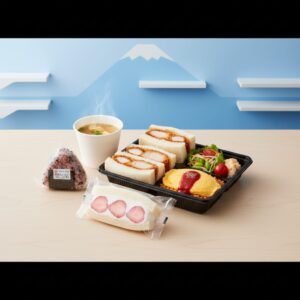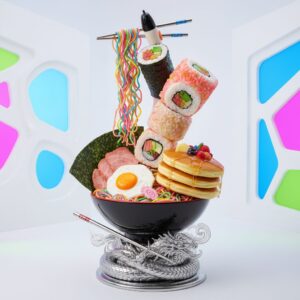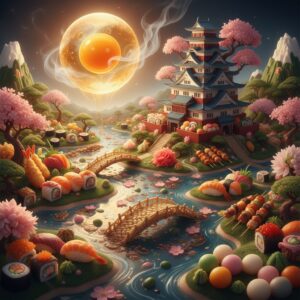
It’s a question that cuts to the core of a very specific, very recent chapter in Japanese food culture: did you even eat it if you didn’t post it? For a few hyper-saturated years, the answer buzzing through the cafes of Harajuku and the dessert shops of Osaka was a resounding ‘no’. This was the era of insta-bae (インスタ映え), a term that translates loosely to “Instagram-worthy” but carries the weight of a cultural imperative. It wasn’t just about taking a nice photo of your lunch. It was a phenomenon where the visual appeal of a dish—its color, its shape, its sheer outrageousness—became its primary reason for being. Taste was demoted to a supporting role, and sometimes it felt like it hadn’t even been invited to the audition.
To an outsider, the sight of people waiting in a two-hour line for a rainbow-colored cheese toastie that, by most accounts, tasted like disappointment, might seem baffling. Japan, after all, is the land of shokunin—artisans who dedicate their entire lives to perfecting a single dish, where subtlety is a high art and the balance of flavors is a near-spiritual pursuit. So how did a culinary culture that reveres the quiet perfection of a piece of nigiri give rise to a movement that celebrated towering parfaits loaded with more gimmicks than ingredients? The answer lies in the intersection of technology, social dynamics, and a very Japanese appreciation for aesthetics, albeit one supercharged for the digital age. This wasn’t just about food; it was about performance, identity, and the creation of a new kind of culinary ritual where the most important moment wasn’t the first bite, but the perfect shot.
This vibrant culinary performance extends beyond food to social rituals, as seen in Japan’s nomikai culture, where the art of communal drinking mirrors the spectacle of insta-worthy cuisine.
The Anatomy of an ‘Insta-bae’ Dish
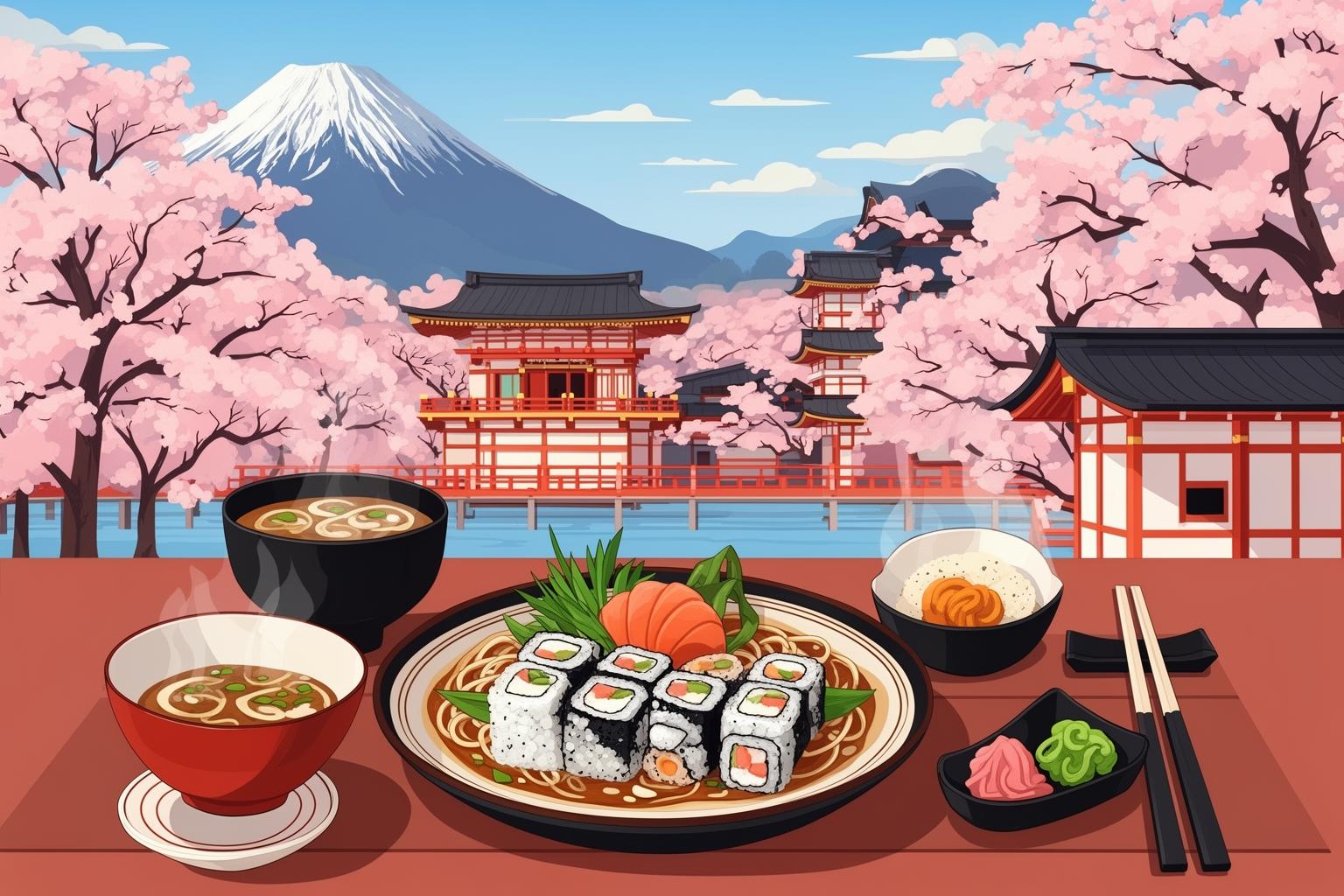
So, what exactly made a food item qualify for the coveted insta-bae status? It wasn’t a vague concept. A particular set of visual cues transformed a simple snack into a viral hit, and cafes and confectioners quickly cracked the code for success. The criteria relied less on culinary art and more on graphic design.
First and foremost was color. Not the natural, appetizing shades of fresh ingredients, but bold, unapologetic, often entirely artificial hues. We’re talking neon blues, shocking pinks, and vibrant purples. The undisputed champion of this trend was the rainbow. Rainbow cheese toast, rainbow bagels, rainbow cotton candy, rainbow soft serve—if it could be dyed, it was. The aim was to create something that would stand out on a smartphone screen, a scroll-stopping image that shattered the muted tones of everyday life.
Next was shape and scale. Exaggeration was essential. Parfaits weren’t simply tall; they were architectural wonders, precarious towers of ice cream, cake, fruit, and wafers that seemed to defy gravity. Pancakes weren’t served in a modest pile; they were fluffy, soufflé-like giants, wobbling delicately and dusted with a blizzard of powdered sugar. The logic was clear: the more outrageous the silhouette, the more impressive the photo. It was about crafting a sense of spectacle and abundance, a fantasy of indulgence brought to life.
Novelty and interactivity were also vital components. Food resembling something else was an instant hit. Doughnuts shaped like cute animals, ice cream cones sculpted into flower petals, or lattes featuring intricate 3D foam art of a cat peeking out of the mug. These creations turned food from mere sustenance into a playful object. The interactive aspect added another dimension to the ritual. Think of the cheese pull from that rainbow toastie—the act of stretching the molten, multi-colored cheese was a key part of the performance, a pre-planned video moment. Or the trend of pouring a thick sauce over a dessert, causing it to melt and reveal a hidden center. These weren’t just meals; they were experiences crafted to be filmed and shared.
Underlying it all was an unspoken agreement that these creations weren’t truly meant to be judged for their flavor profiles. The sugar content was often sky-high, the textures could be unusual, and the flavors took a backseat to the dyes and shaping agents. The food was a prop, the star of a small, personal piece of digital theater. Its value was measured not by taste, but by its potential to generate likes, comments, and a fleeting sense of online envy.
The Ritual of the Hunt
The insta-bae experience didn’t start when the food arrived at your table; it began much earlier, with the chase. The entire process was a modern ritual, a pilgrimage for the social media era, with every step playing a crucial role in the story.
The Discovery
The first step was spotting the target. This took place on Instagram itself, through a constant cycle of discovery. You’d come across a photo of an amazing-looking dessert on your feed, shared by an influencer or a friend. The image was tagged with a location and a flurry of hashtags. This wasn’t just a suggestion; it was a call to action. The more an item appeared, the more it entrenched itself as a ‘must-have’ trend. Cafes featuring a viral dish saw their follower counts soar, their geotagged location turning into a gallery of thousands of nearly identical photos, each attesting to the item’s appeal.
The Queue
Once a target was chosen, the next phase was the queue. At the most popular insta-bae spots, especially during their viral peak, waiting in line wasn’t a flaw; it was part of the appeal. A long line was a tangible sign of the food’s online buzz. It acted as social proof—if so many people were willing to wait an hour, two hours, even three, it must be worth it. The queue itself became content. People would post stories from the line, tracking their progress and building anticipation for the final reward. It was a communal experience, a shared ordeal that connected you with fellow trend-chasers. You weren’t just waiting for food; you were taking part in a cultural moment. Standing there meant you were in the know, part of an exclusive group persistent enough to follow through.
The Staging
Finally, after the long wait, the dish arrived. This was the ritual’s climax, though the eating was still postponed. The most important phase had just begun: the photoshoot. This was surprisingly technical. Cafes thriving on insta-bae culture understood this and tailored their spaces accordingly. They provided good natural lighting, minimalist backgrounds, and visually appealing tabletops—blank canvases for customers’ content creation. You’d see people standing on chairs to get the perfect flat-lay shot. Friends held up phones as flashlights to adjust the lighting just right. The food was rotated, repositioned, and prodded to reveal its best side. The background was carefully arranged to include a hint of the cafe’s charming interior without distractions. It was a quiet, focused effort, repeated at tables all around. In those moments, the cafe transformed from a conversation spot into a collection of small, individual film sets.
Only after capturing the perfect shot (and likely many backups) and maybe even posting it, could the food finally be eaten. By then, its main purpose had already been fulfilled. The taste was almost an epilogue to the main story—a story about the journey, the capture, and the share.
The ‘Bae’ Economy
The rise of insta-bae was more than just a social phenomenon; it became a powerful economic force that fundamentally transformed Japan’s cafe and dessert industry for a period. Businesses quickly realized they were no longer just selling food—they were selling photo opportunities. This shift gave rise to a new approach to menu design and marketing, driven entirely by visual appeal.
Designing for the ‘Gram
Chefs and product developers started functioning more like art directors. The first consideration for any new menu item shifted from “How does it taste?” to “How will it look on a phone?” This triggered a visual gimmick arms race. Limited-time seasonal items became key, as their scarcity created urgency to capture and share them before they vanished. Sakura-themed pink desserts in spring, spooky purple and black treats for Halloween, and glittering festive sweets at Christmas were not just seasonal flavors but seasonal color schemes crafted for brief social media spotlight.
Cafe interiors themselves turned into part of the product. Owners invested in neon signs with catchy English sayings, flower-covered feature walls, and distinctive furniture, all designed to serve as the perfect, ready-made selfie backdrop with their signature items. The space extended the photogenic nature of the food. Some shops on Harajuku’s Takeshita Street, the heart of this trend, felt less like dining venues and more like interactive art installations where the art was edible.
Marketing by Hashtag
The brilliance of the insta-bae economy was that marketing became essentially free. Businesses didn’t have to pour money into traditional advertising—their customers did the promotion for them. By creating visually irresistible products, they encouraged a flood of user-generated content far more genuine and influential than any official ad campaign. Every photo tagged with the cafe’s location and a popular hashtag like #カフェ巡り (cafe hopping) acted as a personal endorsement, reaching hundreds or thousands of potential customers.
This created a powerful feedback loop. A cafe introduced an eye-catching new pancake. A few influencers posted about it. Their followers noticed and flocked to the cafe. Those visitors shared their own photos seen by more followers, and so on. In weeks, a small, unknown shop could become a viral sensation with long lines, all without spending a single yen on advertising. The economics were straightforward: the more photogenic the food, the more viral the marketing, and the more profitable the business. This model favored short-term explosive popularity over building a lasting reputation for quality. For a time, it worked remarkably well.
The Inevitable Backlash
No trend that shines so brilliantly can endure forever. As the insta-bae movement reached its height, the novelty began to fade, and criticism started coming from multiple directions. The very qualities that made the trend so compelling also became its biggest weaknesses.
The Triumph of Style Over Substance
The most frequent complaint was also the most obvious: the food often lacked good taste. The emphasis on visual appeal regularly came at the direct cost of flavor and texture. The dyes used to create the rainbow colors sometimes left a bitter, chemical aftertaste. The intricate structures were held together with large amounts of sugar, resulting in one-dimensional, overwhelmingly sweet experiences. Food critics and traditionalists were horrified. They viewed it as a distortion of Japan’s revered culinary principles, where a dish’s beauty is meant to honestly reflect the quality of its ingredients, not conceal their absence.
Whispers and then outright reviews started to spread online: “It looks incredible, but tastes like nothing.” The experience began to feel empty. People were paying a premium for these photogenic creations, and the gap between the visual expectation and the culinary reality became impossible to overlook.
The Problem of Waste
A darker aspect of the phenomenon also surfaced: food waste. Stories and photos began circulating of people purchasing elaborate drinks or desserts, spending several minutes capturing the perfect picture, and then simply discarding the item, sometimes after just one bite. For them, the transaction was complete once the photo was taken. The food itself was only a disposable ticket to a social media moment. This behavior conflicted deeply with the traditional Japanese concept of mottainai, a cultural value that expresses remorse over waste. Seeing perfectly good food thrown away just for a photo struck many as profoundly wasteful and disrespectful.
The Onset of Fatigue
In the end, people simply grew tired. The pressure to stay current with the latest food trend became exhausting. It felt like a frantic, endless race to visit the newest, trendiest spot before it was replaced by another. The performative aspect—the long lines, the public photoshoots—began to feel less like enjoyment and more like labor. A counter-movement started gaining ground, one that valued authenticity, quiet cafés, and, above all, food that was genuinely delicious, regardless of its appearance on camera. People began seeking experiences that felt more personal and less like a collective, manufactured duty. The pendulum swung back from the extreme of pure visual spectacle toward a renewed appreciation for substance.
Life After ‘Bae’: The Trend’s Lasting Echo
So, is insta-bae dead? Not quite. It’s more accurate to say the craze has subsided. The most extreme and flashy examples of the trend have mostly disappeared. Today, you’ll see far fewer rainbow-colored foods, and the long lines for a single gimmicky item are much less common. However, the influence of the insta-bae era still lingers, having been integrated into the mainstream in more subtle and lasting ways.
The baseline expectation for visual presentation in cafes and restaurants, especially those targeting younger customers, has been permanently elevated. A dessert must now taste good and also be reasonably photogenic. Plating with the camera in mind has become a basic skill. The key difference is that visual appeal is expected to enhance the flavor, not overshadow it. The new ideal is a beautiful dish that also satisfies the palate.
Moreover, the movement has fragmented and evolved. The core desire to share visually pleasing experiences didn’t vanish; it simply took on new forms. Some shifted toward a completely different aesthetic, embracing a minimalist, wabi-sabi-inspired style. Imagine a perfectly brewed cup of filter coffee in a calm, concrete-and-wood cafe. The photo remains important, but it conveys a mood of quiet elegance and quality, rather than loud, sugary extravagance. Others focused on craftsmanship, highlighting the intricate details of traditional Japanese sweets (wagashi) or the delicate layering of a high-end kaiseki meal.
The COVID-19 pandemic also hastened this change. With lockdowns and social distancing, the culture of “cafe hopping” and queueing in crowded urban areas paused. Attention turned to home-cooked meals, baking, and premium takeaway. Visual sharing persisted, but the focus shifted to more personal and skillful subjects—a celebration of home life rather than a public display of trendiness.
A Reflection in the Camera Lens
Looking back on the insta-bae craze, it’s easy to see it as a frivolous, superficial trend. However, it also served as a fascinating reflection of the cultural moment. It demonstrated how a global technology platform could be viewed through a distinctly Japanese perspective. The deeply rooted cultural appreciation for aesthetics and beautiful presentation (moritsuke), traditionally seen in the careful arrangement of food in Japanese cuisine, was embraced, intensified, and democratized for the digital age. Anyone with a smartphone could become a curator of beauty.
The phenomenon also tapped into a strong social desire for shared experiences and belonging. In a society often perceived as socially reserved, taking part in a nationwide food trend offered a way to feel connected, to be involved in a vast, unspoken conversation. Sharing a photo of that viral parfait was a way to signal your presence, participation, and alignment with the cultural rhythm at that moment.
Ultimately, the insta-bae saga tells the story of a society wrestling with the power of imagery in the digital era. It was a time when the virtual depiction of an experience briefly outweighed the experience itself. The fact that the culture has since realigned, moving toward a more balanced appreciation of both taste and beauty, does not diminish the trend’s significance. Instead, it marks the close of a chapter—a vibrant, chaotic, and strikingly colorful chapter in Japan’s continually evolving relationship with food.