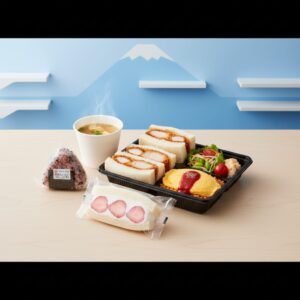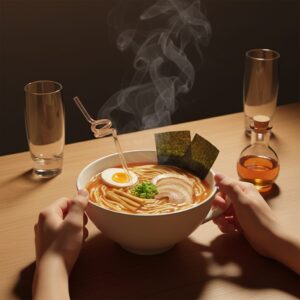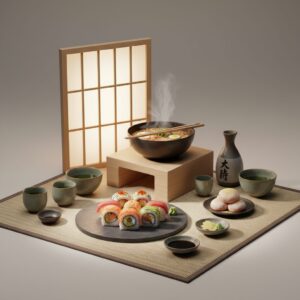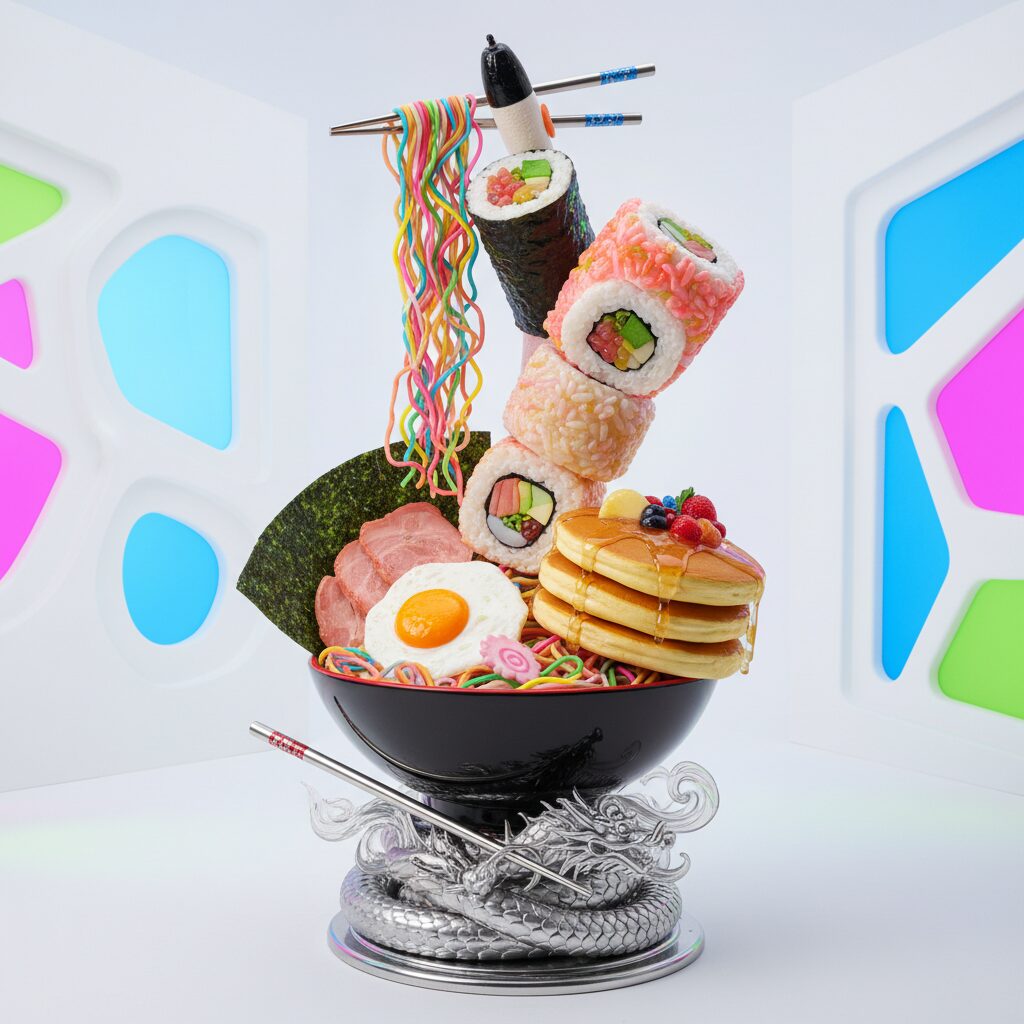
You’ve seen them. Of course you’ve seen them. Peer into the window of almost any restaurant in Japan, from a high-end sushi establishment to a humble ramen joint in a train station underpass, and you’ll find them: an army of silent, perfect dishes. A bowl of noodles with a gravity-defying splash of broth frozen mid-air. A glistening slice of tuna that looks wetter and fresher than the real thing. A frosty glass of beer, its foam forever on the verge of overflowing, beaded with condensation that will never run. This is the world of shokuhin sample, the hyper-realistic fake food models that are as much a part of Japan’s culinary landscape as chopsticks and soy sauce. A first encounter often brings a smile, a sense of novelty. You might snap a picture, marvel at the detail, and then move on. But that’s a mistake. To dismiss these plastic and wax creations as mere three-dimensional menus is to miss the point entirely. They aren’t just kitsch; they are cultural artifacts. Each perfectly placed plastic scallion and impossibly glossy sauce tells a story about Japanese society—its obsession with craftsmanship, its unique approach to customer service, and its deep-seated belief that what you see should always, always be what you get.
These models are not just advertisements; they are a promise. They are a physical manifestation of a social contract between the restaurant and the customer, a silent negotiation that removes ambiguity and anxiety from the simple act of ordering a meal. They are a solution born from a specific moment in Japanese history, a craft honed over a century, and an art form that reveals the very psychology of Japanese hospitality. So, let’s look past the glass display case and unpack the meaning behind these delicious deceptions. What you find is a story that is much richer and more complex than you might imagine, a story about more than just fake food.
This intricate interplay between art and commerce is further reflected in Japan’s vibrant street fare, where innovative treats like konbini sweets showcase a delightful twist on everyday indulgences.
A Modern Problem, a Wax Solution

The story of shokuhin sample does not begin in ancient tradition but rather in the whirlwind of modernization during the early 20th century. As Japan opened its doors wider to the world during the Taisho and early Showa periods, new ideas, technologies, and, importantly, new foods poured in. The cities, especially Tokyo and Osaka, witnessed the rise of a new type of establishment: the department store. These grand, multi-story commercial palaces featured rooftop amusement parks, art galleries, and most notably, large dining halls serving a variety of exotic Western dishes. Items like omurice (omelet with fried rice), kare raisu (curry rice), and tonkatsu (pork cutlet) were exciting and novel, yet completely unfamiliar to many Japanese diners.
A written menu often proved insufficient. How do you describe the texture of a breaded cutlet or the exact contents of an omelet to someone who has never seen these dishes? Customers hesitated, uncertain about what to order. This created a bottleneck for restaurateurs, who needed a more intuitive way to communicate their offerings and bridge the gap between curiosity and a confident choice.
Credit for the breakthrough is often given to a man named Takizo Iwasaki. Legend has it that in 1932, after crafting a wax model of an omurice at home, he was amazed by its lifelike realism. It was a lightbulb moment. He realized that creating wax replicas of dishes could solve the diner’s dilemma. These models could be displayed in a case at the front of the restaurant, showing potential customers exactly what to expect. No reading necessary, no confusing descriptions—just a straightforward, visual appeal.
This was not merely about displaying food; it was about managing expectations and eliminating uncertainty, a concept that would resonate deeply in the culture. Iwasaki’s idea was an immediate hit. Restaurants in department stores were the first to adopt the practice, and it rapidly spread nationwide. These early models, made from delicate paraffin wax, revolutionized commercial art. They provided the perfect solution for a country quickly embracing new culinary cultures, offering a silent, universally understood language of food.
The Anatomy of a Perfect Lie: Craftsmanship and Materials
The lasting allure of shokuhin sample lies in its near-obsessive commitment to realism. These are not rough imitations but painstakingly handcrafted sculptures. The artisans behind them are illusionists, using an array of proprietary techniques to perfectly replicate the texture, color, and even the “feel” of a dish. The development of their craft represents a journey from a delicate art to a durable science, all while preserving the human touch.
The Original Art: The Age of Wax
The first food models were made from paraffin wax, the same substance used in candles. The process was meticulous and highly manual. Artisans began by creating molds, often using the actual food. A piece of tempura or a slice of fish would be dipped in silicone to form a negative mold, which was then filled with heated, tinted wax. The true skill, however, emerged after the basic shape had taken form.
Every detail was applied by hand. Fine lines on grilled fish were painted with delicate brushstrokes, while the glossy shine on teriyaki sauce came from carefully applied lacquer. To craft something intricate like a bowl of ramen, each element—the noodles, pork slices, bamboo shoots, and egg—was made separately and then expertly arranged in a bowl, where additional wax simulated the broth. The process was slow and the final pieces fragile. A display case exposed to summer heat could turn an exquisite collection of wax food into a melted, sorrowful mess. Yet, this early dedication established shokuhin sample as an authentic craft, or monozukuri—a term embodying the Japanese spirit of dedicated and skillful manufacturing.
The Modern Marvel: The Durability of Plastic
The post-war economic boom introduced new materials and vast potential. By the 1970s and 80s, the industry had mostly shifted from wax to more durable synthetic resins, mainly polyvinyl chloride (PVC). This transition revolutionized the field. Plastic models became nearly indestructible, retained their color, and could capture an even greater level of realism. However, the core techniques remained deeply artistic.
The process still starts with real food. A restaurant sends a dish to the sample factory, where artisans study, photograph, and dismantle it. Silicone molds capture every tiny detail—the texture of a single grain of rice, the curl of a lettuce leaf. Liquid plastic is poured into these molds and baked to harden.
Once the parts are prepared, the real magic begins. Airbrushes, fine-tipped pens, and secret paint recipes bring the plastic to life. These artisans are keen observers. They skillfully layer colors to make raw tuna look translucent or apply specific sprays to create perfectly crispy fried chicken skin. They have methods for mimicking the tiny bubbles in a carbonated drink and the subtle char marks on yakitori. Assembly is the final act. Arranging a fake bowl of soba noodles demands the same sense of balance and aesthetics—moritsuke—as a real presentation. The outcome is a flawless, idealized version of the dish, forever frozen in its most tempting form. This process is so specialized that many techniques remain closely guarded trade secrets, passed down from master to apprentice.
Beyond the Menu: The Cultural Logic of Fake Food
If shokuhin sample were simply a practical answer to a historical challenge, they might have disappeared with the rise of color photography and digital menus. Yet, they remain prevalent—more so than ever. Their continued presence reveals a deeper cultural rationale, embodying core Japanese values tied to trust, hospitality, and aesthetics.
The Promise of WYSIWYG: What You See Is What You Get
In many parts of the world, there is a skeptical understanding that the food shown in advertisements is not the food actually served. The burger in the poster is a fictional creation, carefully crafted by a food stylist using glue and pins. In Japan, however, such discrepancies are much less accepted. There exists a strong cultural expectation for honesty and transparency in business. The shokuhin sample stands as the ultimate expression of this principle—it acts as a binding contract. It silently tells the customer, “This is the size, shape, and ingredients of the dish you are about to order. There will be no surprises.”
This eliminates a major source of potential customer anxiety and disappointment. You don’t have to guess if the portion will be smaller than expected or missing a key ingredient. The model serves as the standard. Should the actual dish differ greatly from the model, the customer has a valid reason to complain. This creates an immediate foundation of trust between the establishment and its patrons. For the restaurant, it signals confidence in their product; for the customer, it guarantees satisfaction.
A Tool of Omotenashi: Hospitality in Physical Form
Omotenashi is the quintessential Japanese notion of hospitality. It embodies a selfless, meticulous approach to service that anticipates the guest’s needs before they are expressed. Shokuhin sample are a clever, though subtle, manifestation of omotenashi in practice.
From the customer’s viewpoint, consider the impact. For a foreign tourist who cannot read Japanese, the food models are an invaluable aid. They turn a potentially intimidating decision into a simple act of pointing. The language barrier disappears. The same applies to children, who can easily select their meal visually, or anyone who prefers a visual guide. The restaurant strives to make the meal selection process as easy and stress-free as possible.
Moreover, the system streamlines the entire ordering experience. A customer familiar with the samples can decide before even sitting down—a considerate gesture regarding both the customer’s time and the restaurant’s efficiency, which is highly prized in fast-paced society. The display case acts as a silent host, welcoming patrons, answering initial questions, and helping them choose confidently. It is an act of anticipatory service, a fundamental aspect of omotenashi.
The Aesthetics of Appetite: Food as Visual Art
Japanese cuisine is renowned for its visual appeal. The art of presentation, moritsuke, is not an afterthought but central to the dining experience. Choices of plate, ingredient arrangement, and color and shape balance are all carefully crafted to create a visual feast before the first bite. Food samples are a natural extension of this aesthetic philosophy.
Essentially, they represent the perfect, idealized version of the dish. They are the culinary counterpart to a flawlessly photoshopped image, yet their aim is not to mislead but to inspire. The purpose is to evoke a strong sense of oishisou—the impression that the food looks delicious. The gleaming sauce, vibrant vegetables, and perfectly seared meat are all designed to trigger a nearly primal appetite response. This is sensory marketing at its finest. The display case serves as a gallery, showcasing the chef’s creations as works of art, inviting diners inside to experience the real thing. It elevates food beyond mere nourishment into an object of visual appreciation.
The Sample Economy: From Utilitarian Tool to Pop Culture Icon
What started as a B2B industry, with restaurants paying large sums for custom-made models (a single, intricate sample can cost many times more than the actual dish), has grown into a cultural phenomenon with a life of its own. The craft of the sample artisan is no longer confined to specialized workshops. It has stepped into the public eye, becoming a quirky and cherished symbol of modern Japan.
The Rise of the Replica Souvenir
Stroll down Kappabashi-dori in Tokyo, the city’s renowned “Kitchen Town,” and you’ll discover shops devoted entirely to shokuhin sample. While they continue to supply restaurants, a significant portion of their business now caters to tourists and locals seeking unique souvenirs. The artistry once reserved for restaurant display cases has been miniaturized and democratized. You can purchase incredibly realistic sushi keychains, magnets shaped like gyoza, phone cases decorated with miniature bowls of ramen, and even USB sticks disguised as pieces of shrimp tempura.
This shift from a practical tool to a sought-after novelty item reflects a deep appreciation for the craft itself. People aren’t just buying a piece of plastic; they are acquiring a small fragment of monozukuri culture. These items spark conversations and serve as tangible reminders of a uniquely Japanese fusion of precision, artistry, and whimsy. They are souvenirs that remain deeply traditional in their devotion to craft while being completely modern in their playful form.
DIY Culture: Becoming a Sample Artisan for a Day
The appreciation for the craft has progressed further with the rise of DIY shokuhin sample workshops. In places like Kappabashi or the small town of Gujo Hachiman (considered a major hub of the industry), tourists can book sessions to learn the basics of the trade. Led by expert artisans, you can try your hand at creating your own piece of tempura from colored wax or assembling a vibrant fruit parfait.
These experiences are extremely popular, offering a hands-on connection to a unique aspect of Japanese culture. They demystify the process while simultaneously heightening respect for the skill involved. It’s one thing to admire a finished product in a window; it’s another completely to feel the warm wax in your hands and attempt to shape it into a convincing piece of shrimp. This interactive element has transformed a functional craft into a form of entertainment and cultural education, ensuring that the legacy of shokuhin sample is not only preserved but actively shared with new generations.
As you leave the restaurant, stomach full and satisfied, you might glance back at the display case you passed on your way in. The plastic ramen that caught your eye remains there, its promise fulfilled. It no longer appears as just a clever marketing gimmick. You now recognize it for what it truly is: a symbol of trust, a gesture of hospitality, a work of art, and a quiet storyteller. It perfectly encapsulates a culture that values precision, beauty, and the art of making even a simple meal as clear and inviting as possible. The silent salesmen in the window testify to the fact that in Japan, even fake food is real—in all the ways that truly matter.