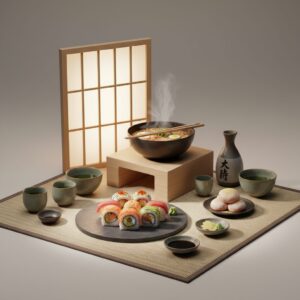
So you’ve made it to Tokyo, navigated the Shibuya Scramble, and ascended the Skytree. You’ve dutifully visited the temples and shrines. But you’re asking me where to find the real Japan, the one that doesn’t unfold neatly for a tourist’s camera. You want to know where the pulse of daily life beats, where deep-rooted cultural values are expressed not in ancient stone but in modern commerce. My answer might surprise you. Forget looking up; you need to go down. Beneath the shimmering floors of any major Japanese department store—the Isetans, Mitsukoshis, and Takashimayas of the world—lies a sprawling, glittering, and meticulously organized universe dedicated entirely to food. This is the depachika, and it is one of the most revealing and exhilarating places in the entire country.
The word itself is a classic Japanese portmanteau, fusing depāto (department store) with chika (basement). But calling it a “basement food hall” is like calling a Bugatti a “car.” It’s technically true but misses the entire point. A depachika is not a drab collection of fast-food chains huddled under fluorescent lights. It is a sensory explosion, a curated gallery where food is both art and obsession. It’s a high-stakes theater of commerce where centuries of culinary tradition, social ritual, and an almost fanatical devotion to quality play out every single day. For the visitor willing to look closer, this subterranean wonderland offers a more profound insight into the Japanese mindset than a dozen temples. It’s where the abstract concepts you read about—seasonality, aesthetics, hospitality—become tangible, edible realities. So let’s descend the escalator and explore this gleaming underworld. You’re about to discover a side of Japan that’s hiding in plain sight.
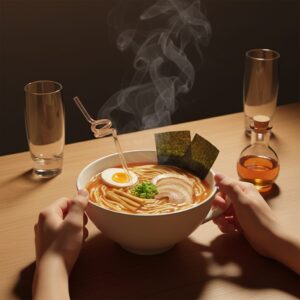
For travelers eager to explore Japan’s rich culinary rituals beyond the depachika, discovering how a bowl of ramen brings a satisfying finale to an evening of indulgence is the perfect next step.
A Symphony of Sensation: What a Depachika Actually Is
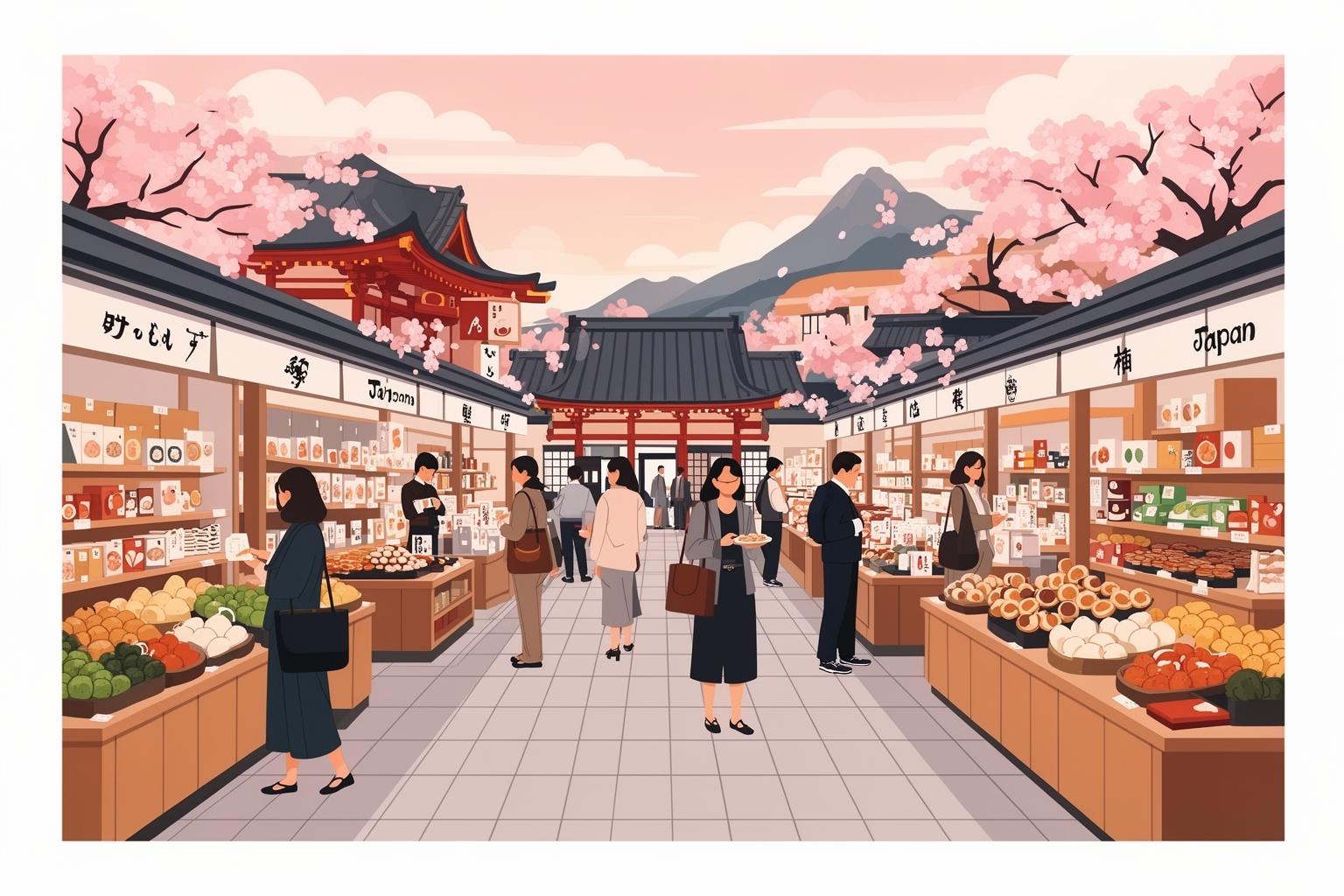
Your first impression upon entering a depachika is one of overwhelming yet perfectly controlled abundance. The air is filled with a complex, delightful aroma—the sweet scent of freshly baked pastries, the savory fragrance of grilled eel, and the clean, earthy smell of fresh greens. The lighting is bright and warm, designed to make every item shimmer with an almost supernatural freshness. Then there are the sounds: the polite, melodic calls of vendors, the quiet murmur of conversation, the rustling of artfully folded paper bags. It’s a symphony of sensation, conducted with remarkable precision.
Beyond the Food Court
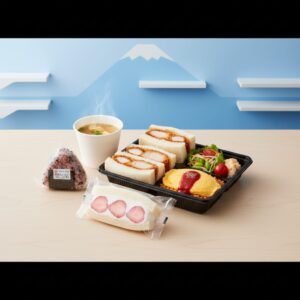
First, you must completely erase the Western concept of a mall food court from your mind. There are no sullen teenagers handing out limp fries here. A depachika is a collection of highly specialized boutiques, each a master of its craft. One stall may sell nothing but tsukemono (pickled vegetables), offering dozens of regional varieties, from Kyoto’s delicate shibazuke to hearty Akita iburigakko. Another might be a celebrated patisserie from Paris, its only Japanese outpost located here. Around the corner, a historic Kyoto tea merchant offers meticulously sourced gyokuro and matcha. Further on, a specialist in tonkatsu (breaded pork cutlet) sells perfectly fried sandos and bento boxes.
This specialization is key. The vendors are not anonymous chains but often renowned artisans, historic shops (shinise), or regional producers who see their counter as a flagship embassy for their craft. The people behind the counter are not just staff; they are representatives, deeply knowledgeable about their product’s origins, ingredients, and ideal preparations. This structure transforms a simple shopping trip into an educational and aesthetic experience. You are not just buying food; you are engaging with a culture of expertise.
The Layout of Desire
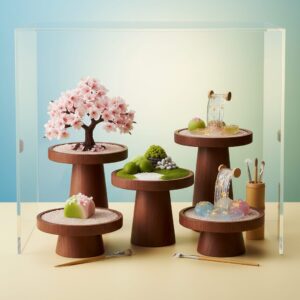
The layout of a depachika is no accident. It’s a carefully choreographed journey designed to entice and delight. While designs vary, a common pattern emerges. Entrances are often flanked by the most visually stunning sections: yōgashi (Western-style cakes and pastries) and wagashi (traditional Japanese sweets). These counters are like jewelry boxes of edible art. The yōgashi section showcases impossibly perfect strawberry shortcakes, glossy fruit tarts, and delicate Mont Blancs, each a testament to Japan’s skill in adopting and perfecting foreign culinary forms. The wagashi section celebrates seasonality and subtlety, featuring sweets shaped like maple leaves in autumn or cherry blossoms in spring, flavored with red bean, rice flour, and agar-agar, evoking centuries of tradition.
From there, you might enter the world of sōzai, or prepared deli foods. This is the heart of the depachika for many locals. Here you’ll find everything from complex salads with yuzu-miso dressing to grilled fish, savory custards (chawanmushi), and dozens of variations on fried chicken (karaage). This section is a lifesaver for busy Tokyoites, offering a way to assemble a multi-course, high-quality meal at home without ever lighting the stove.
Further inside, you’ll typically find the bento boxes, the upscale grocery section with its astronomically priced musk melons and perfectly uniform vegetables, and the liquor department, a library of sake, shochu, and increasingly, world-class Japanese whisky. It’s a map of the Japanese palate, laid out for exploration.
The Art of the Sample
One of the most inviting features of the depachika is the culture of shishoku, or sampling. Vendors often offer tiny morsels on toothpicks or in small paper cups. But this is not the ravenous, anonymous free-for-all of a warehouse club. It’s a polite, considered exchange—you approach, accept the sample with a slight bow or nod, and taste it thoughtfully. The vendor might explain a key ingredient or suggest a pairing. It’s a low-pressure invitation to discovery, a chance to try something unfamiliar—a new type of pickle, a seasonal fish cake, a special tea blend—without commitment. This small ritual of hospitality underscores the entire depachika experience: they are proud of what they make, and it is an honor if you choose to try it.
The Cultural DNA of the Depachika
To regard the depachika as merely an upscale grocery store is to overlook its cultural essence. This space directly mirrors some of the most fundamental pillars of Japanese society. Its existence and operation are shaped by a complex interplay of social obligations, aesthetic values, and consumer expectations deeply embedded in the national psyche.
The Gift-Giving Imperative
Above all, the depachika serves as the heart of Japan’s intricate gift-giving culture. Gift-giving in Japan is not a rare courtesy; it is a continuous, complex social mechanism that preserves harmony and conveys respect. Two key concepts are essential: omiyage and temiyage. Omiyage refers to souvenirs brought back for family, friends, and colleagues after a trip, while temiyage is a gift presented when visiting someone’s home. Neglecting to bring an appropriate gift is considered a serious social faux pas.
The depachika offers the ideal solution for this ongoing necessity. Every product is designed with gift-giving in mind. Observe the packaging — it’s far from merely functional; it’s a form of art. Boxes are adorned with exquisite paper, tied with elegant ribbons, and placed in refined bags. A simple box of cookies becomes a symbol of great thoughtfulness. Many items are unique to the store or region, making them sought-after omiyage. Additionally, there are numerous seasonal products (kisetsu gentei), which demonstrate the giver’s attentiveness and timing. Price points are carefully set to accommodate various levels of social obligation — a modest gift for a casual visit, a more luxurious one for formal apologies or expressions of gratitude. Watching someone deliberate over which box of senbei crackers to purchase reveals a silent exercise in social calculation.
The Pursuit of “Shun”: Peak Seasonality
The Japanese devotion to seasonality, known as shun (旬), approaches a form of reverence, and the depachika serves as its grand cathedral. Shun denotes the precise moment when an ingredient reaches its absolute peak in flavor and freshness. The entire depachika calendar revolves around this concept. In spring, counters overflow with bamboo shoots (takenoko), strawberries, and sakura-flavored sweets. Summer brings plump, glistening eels (unagi), sweet corn, and juicy peaches. Autumn heralds chestnuts (kuri), matsutake mushrooms, and newly harvested rice. Winter showcases hearty root vegetables and vibrant, tart citrus like yuzu.
This is not merely a marketing strategy. It is a deeply ingrained belief that eating in tune with the seasons is vital for both physical and spiritual health. It reflects a pre-modern connection to nature’s cycles that endures even in highly urbanized settings. The depachika becomes a living, edible calendar, reminding customers of seasonal shifts and offering a tangible way to engage in that rhythm. For visitors, observing the shun ingredients on display provides a quick insight into the flow of Japanese life.
The Demanding Consumer and the Culture of Quality
Why is everything so flawless? Why does each strawberry in a pack appear identical to the next? The answer lies in the extraordinarily high standards of Japanese consumers. Shoppers here are famously meticulous, scrutinizing produce for the smallest imperfections and expecting perfect freshness and impeccable presentation. This creates a fiercely competitive marketplace where only the finest products endure.
This demand for quality expresses kodawari, a concept roughly meaning a relentless, almost obsessive pursuit of perfection and meticulous attention to detail. The vendors in the depachika embody kodawari. They dedicate their lives to mastering one craft and doing it better than anyone else. Customers, in turn, are willing to pay a premium for this commitment. This mutual understanding fosters a virtuous cycle of excellence. The depachika stands as a tangible reflection of a society that values doing even the smallest tasks with exceptional care.
How to Navigate a Depachika Like You Belong There

Armed with this cultural background, you’re ready to jump in. However, a bit of practical knowledge will help you transition from a bewildered observer to a confident participant. The depachika has its own distinct rhythms and etiquette, and understanding these will greatly enhance your experience.
The Evening Rush: The “Time Service” Spectacle
Arrive about an hour before closing, and you’ll witness a captivating daily ritual. As the day draws to a close, vendors aim to sell off their fresh, prepared foods. This is when the “taimu sābisu” (time service) or discount sales kick off. You’ll hear staff members calling out, their voices rising in a practiced, urgent rhythm, announcing price reductions. Small groups of savvy shoppers—office workers heading home, housewives planning dinner—begin to gather, circling their favorite stalls like patient predators.
It’s not a chaotic rush. Rather, it’s an orderly yet distinctly exciting event. The first round of discounts might be 20% off. Later, 30%. In the final minutes before closing, you may find sushi or sōzai offered at half price. Taking part in this is a thrillingly local experience. It’s a practical and affordable way to sample a wide range of premium foods that would have been quite costly just hours before. Snagging a discounted bento and a beer is one of the great simple pleasures of urban life in Japan.
Crafting the Perfect Bento
The vast selection of bento boxes in a depachika can be overwhelming, but they provide one of the best ways to enjoy Japanese cuisine. Forget the sad, plastic-wrapped sandwich. A depachika bento is a complete, nutritionally balanced, and visually stunning meal. Many are prepared by renowned restaurants, letting you try their dishes at a fraction of the cost of dining in.
You’ll find classic bentos featuring grilled salmon, rolled omelets (tamagoyaki), and simmered vegetables. You’ll also encounter luxurious options with wagyu beef or glossy sashimi. You can even create your own meal by purchasing a small container of rice from one vendor, a piece of grilled fish from another, and a side of pickled radish and seaweed salad from a third. This lets you customize a meal perfectly tailored to your preferences. It’s a great choice for a picnic in a nearby park or a quiet, delicious dinner back at your hotel.
The Delicate Dance of Decorum
While the depachika is a bustling commercial space, it functions with an underlying current of Japanese politeness and order. The key rule is: do not eat while walking. It’s considered impolite. If you buy something to eat immediately, look for a designated seating area. Some larger department stores have a small “eat-in” corner inside the depachika or, more often, a rooftop garden or lounge on an upper floor. Otherwise, the expectation is that you’ll take your purchases home.
When interacting with vendors, a simple nod and a quiet “arigatou gozaimasu” goes a long way. If you’re pointing to an item, avoid using a single finger, which can be perceived as aggressive. Instead, use an open, gentle hand gesture toward the item you want. Be mindful of the flow of traffic in the often-crowded aisles. The atmosphere is one of mutual respect among shoppers and between shoppers and staff. By observing and mirroring this subtle decorum, you’ll feel less like a tourist and more like a participant.
More Than Just Food: The Depachika as a Social Space
After spending some time in the depachika, you come to see that it serves a purpose beyond mere commerce. It acts as an essential social space, a “third place” that is neither the demands of the office nor the solitude of home. It serves as a stage for cultural rituals and a cozy, stimulating environment where people engage with their culture and each other.
A Third Place for the Modern City Dweller
For many, particularly older residents and housewives, a visit to the depachika is a regular, treasured outing. It’s a low-pressure social event, a setting to see and be seen. It offers a chance for a small, affordable indulgence—perhaps a single, perfect slice of cake or a special seasonal fruit. It provides a way to stay connected to the changing seasons and to keep pace with culinary trends. In a crowded, often impersonal urban environment, the depachika offers a space that is both engaging and secure, familiar yet ever-evolving. It is a destination in its own right, not merely a stop along the way.
The Theater of Commerce
Observe the staff carefully. Note their crisp, flawless uniforms, their precise and efficient movements, their use of polite, formal language (keigo). Watch how they wrap a purchase. The process is a ritual. The item is placed with care, the paper folded with geometric precision, the tape applied with a swift flick of the wrist. It’s a performance of care and respect for both the product and the customer. This is omotenashi—Japan’s distinct form of anticipatory hospitality—at its purest commercial expression. You are not just a buyer; you are a valued guest. This transformation of a simple transaction into a moment of sincere human connection is part of what makes the experience so unforgettable. It’s a theater where the product takes center stage, and the staff are the dedicated supporting cast, ensuring everything is flawless for the sole audience member: you.
The Basement as the True Peak
Ultimately, the depachika is far more than just a place to purchase food. It serves as a living museum of Japanese culinary culture, a daily reflection of the nation’s values, and a lively social hub. It is where the grand, abstract ideals of Japanese society—such as reverence for nature, the significance of gift-giving, the pursuit of perfection, and the art of hospitality—are made tangible, beautifully wrapped, and presented to you with a bow.
Strolling through its aisles reveals how tradition and modernity coexist in Japan, how deeply embedded aesthetic principles influence even the most ordinary daily activities, and how food represents more than mere sustenance—acting instead as a vessel of meaning, memory, and social connection. So, the next time you find yourself in a radiant Japanese department store, resist the temptation to head straight to the upper floors. Take the escalator down and immerse yourself in the sparkling, delicious, and profoundly cultural world of the depachika. It is one of the most genuine, rewarding, and accessible glimpses into the heart of Japan, requiring only your curiosity and appetite.