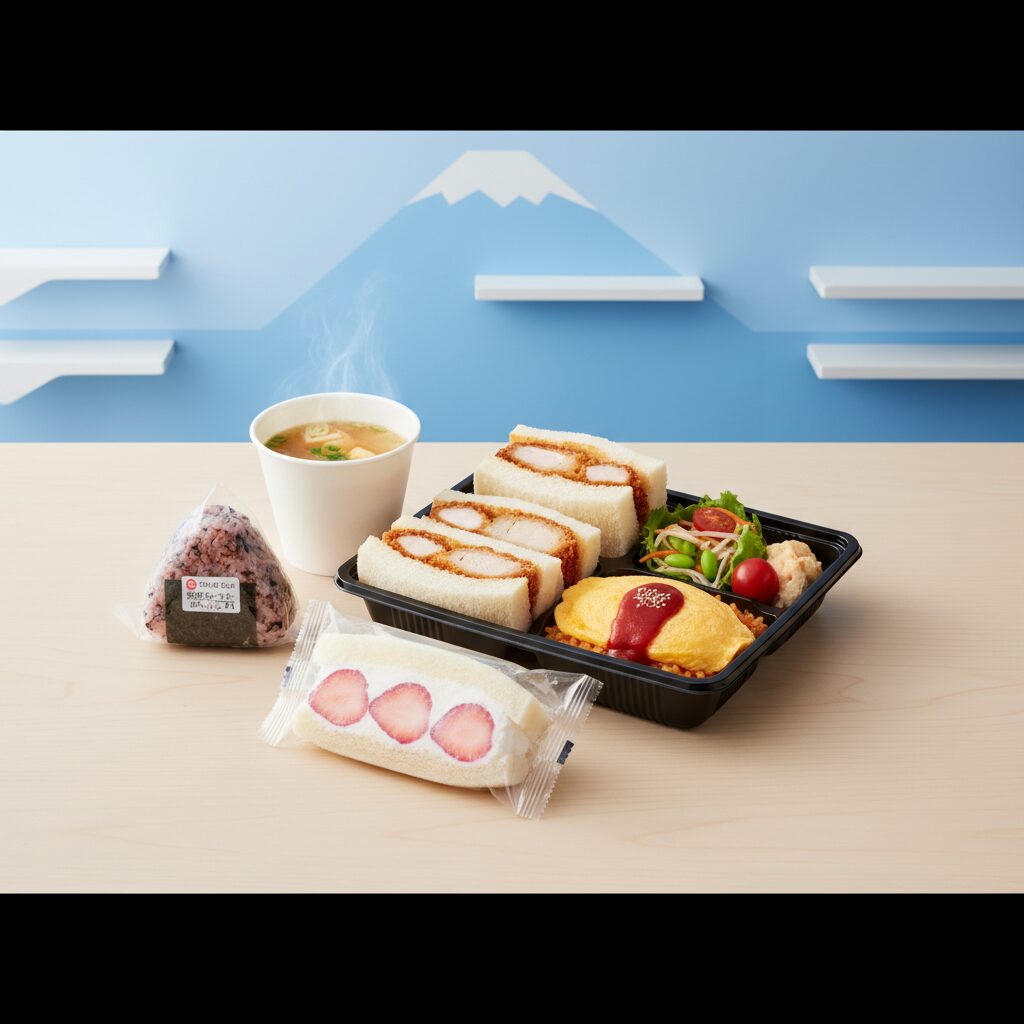
Ask anyone who has spent significant time in Japan what they miss most, and you’ll get a few standard answers. The trains that run with silent, psychic precision. The baseline of safety that lets you leave your laptop on a café table while you order. But then, after a thoughtful pause, they’ll almost certainly land on something that sounds utterly bizarre to the uninitiated: the convenience stores.
Yes, the konbini. In the West, a convenience store is a place of last resort. It’s where you go for a questionable hot dog sweating under a heat lamp, a giant cup of neon-colored slush, or a bag of chips when everything else is closed. It is a culinary concession, a white flag of dietary surrender. In Japan, however, the konbini is something else entirely. It is a cornerstone of daily life, a miracle of logistics, and, most importantly, a legitimate food destination that often serves meals more satisfying and thoughtfully prepared than many mid-tier restaurants back home.
To dismiss the konbini as just a place to grab a quick snack is to fundamentally misunderstand a crucial aspect of modern Japanese culture. It’s like looking at a Swiss watch and seeing only a device that tells time. The magic is in the intricate, invisible machinery ticking away beneath the surface. The food you find on these brightly lit shelves is the end result of a relentless national obsession with quality, freshness, and continuous improvement—a philosophy known as kaizen. It’s a place where the ritual of a daily meal is respected, even when it’s packaged in plastic and consumed in minutes. Forget what you know about convenience. This is a masterclass in how to make the mundane magnificent.
This culinary revolution echoes in the realm of fake food, where everyday ingredients are transformed into deceptive masterpieces that challenge our definition of authenticity.
The Holy Trinity: Decoding 7-Eleven, FamilyMart, and Lawson

To the untrained eye, Japan’s convenience stores might appear as a blur of repeating logos and identical layouts. However, to locals, the big three—7-Eleven, FamilyMart, and Lawson—are distinct brands with their own devoted followings, unique strengths, and signature dishes. Choosing your konbini is a matter of personal preference and daily habit. It’s not just about convenience; it’s about loyalty. Each brand engages in a quiet, delicious battle for the hearts and appetites of the Japanese public, and we, the consumers, are the fortunate beneficiaries.
7-Eleven: The Undisputed King
If the konbini world has a reigning monarch, it is 7-Eleven. It’s the oldest, the most widespread, and arguably the most consistent in its pursuit of excellence. 7-Eleven’s strength lies in its overall quality, especially its private brand, Seven Premium. This label is a mark of distinction, indicating that the product—whether a bag of potato chips, a carton of milk, or a frozen pizza—has been crafted with near-obsessive attention to detail.
Their true brilliance, however, is found in their core offerings: the bento boxes and the onigiri (rice balls). The bento are carefully assembled, nutritionally balanced meals that vary with the seasons. You might encounter a perfectly grilled piece of mackerel in the fall or a bamboo shoot rice bowl in the spring. They exemplify the Japanese ideal of a complete, harmonious meal. The onigiri, too, are remarkable. The iconic crispy seaweed onigiri features a clever packaging system that keeps the nori separate from the rice until you open it, preserving its delicate crunch. 7-Eleven is the dependable, high-achieving older sibling in the konbini family; it sets the gold standard that the others strive to reach.
FamilyMart: The Champion of Hot Snacks
FamilyMart, or “FamiMa” as it’s affectionately called, has carved out its niche as the master of the hot food counter. While it competes admirably in all categories, its heart lies in the heated glass case next to the register. This is the home of the legendary FamiChiki, a piece of boneless, crispy, juicy fried chicken that has inspired a cult-like following. It is, without exaggeration, a perfect piece of fried chicken—salty, savory, and impossibly moist. It’s the ultimate impulse buy, the perfect punctuation to a long day.
But the offerings don’t end there. FamilyMart’s hot case is a treasure trove of fried delights, from creamy crab croquettes (kani kurīmu korokke) to spicy chicken skewers and large, fluffy steamed buns (chūka man) in winter. FamilyMart understands the power of a single, perfect hot snack. It’s the konbini you turn to when you need instant comfort—a greasy, satisfying reward that feels both indulgent and incredibly accessible. They are the cool, slightly rebellious friend who always knows where to find the best street food.
Lawson: The Creative and Chic
Lawson presents itself as the slightly more sophisticated and creative member of the trio. It’s known for its unique collaborations, frequently teaming up with well-known restaurants or brands to create limited-edition products. This approach keeps their shelves fresh and exciting; you never know what new discovery awaits.
Where Lawson truly stands out, however, is in sweets and healthier options. Its Uchi Café Sweets line is renowned throughout Japan, offering restaurant-quality desserts that defy their convenience store origins. The Premium Roll Cake, a fluffy sponge cake filled with rich, milky cream, is iconic. They were among the first to perfect the blend of high-quality ingredients and mass-market production in the dessert category. Moreover, Lawson caters to a more health-conscious audience with its Natural Lawson sub-brand, featuring salads, smoothies, and genuinely tasty low-carb bread options. Lawson is the stylish, worldly cousin who has a refined palate but still appreciates the charm of something simple done well.
Deconstructing the Konbini Feast: A Culinary Tour
To truly appreciate the magic of konbini food, we need to look beyond the brand names and explore the specific categories that make up this culinary world. Each item represents a small marvel of food engineering, crafted to maximize flavor, texture, and freshness within its packaging limits. This is not merely fast food; it’s a thoughtfully designed system aimed at delivering satisfaction.
The Art of Onigiri: More Than Just a Rice Ball
Onigiri is the soul of the konbini. It is the ideal handheld meal: nourishing, portable, and endlessly versatile. Yet, konbini onigiri stands out. The brilliance lies in its packaging. For years, the main issue was soggy seaweed. The now-standard solution is an ingenious three-step plastic wrapper that keeps the crispy nori separate from the moist rice. The act of unwrapping—pulling the central tab, then peeling away the sides to combine rice and seaweed at the final moment—is a small but satisfying interactive ritual.
Beyond the packaging innovation, the sheer variety is impressive. You have the classics: salted salmon (shiozake), pickled plum (umeboshi), and kombu seaweed. Then there are the modern favorites that have achieved classic status, such as the beloved tuna mayonnaise (tsuna mayo). Seasonal and gourmet options abound as well: rice seasoned with dashi, grilled pork belly, or a perfectly jammy soy-marinated egg (ajitama) concealed in the center. Each onigiri is a self-contained, perfectly seasoned bite, proving that simple food done with precision can be deeply satisfying.
Bento Boxes: A Complete Meal, Perfectly Engineered
The bento aisle presents a vibrant mosaic of complete, balanced meals. Far from the dullness of a pre-packaged sandwich, konbini bento embodies the essence of Japanese cuisine, or washoku. Balance is key. A typical bento includes more than a main dish; it’s a carefully curated collection.
A main protein—perhaps crispy pork cutlet (tonkatsu), a delicate grilled fish fillet, or savory ginger pork (shōgayaki)—rests atop fluffy Japanese rice. But it’s the supporting elements that raise it up. You’ll almost always find a variety of small side dishes, called okazu. These might include a small heap of brightly colored pickles (tsukemono) for acidity and crunch, simmered vegetables like daikon radish or hijiki seaweed for depth, and possibly a piece of sweet rolled omelet (tamagoyaki) for contrast. The visual arrangement is crucial; colors, shapes, and textures are harmonized to please the eye. These bento boxes are frequently updated to reflect the seasons, a core principle of Japanese gastronomy, ensuring ingredients are at peak freshness and flavor.
The Hot Snacks Counter: A Symphony of Fried Delights
Drawing you in with its warm glow and savory scent, the hot snacks counter by the register is the konbini’s hotspot for impulsive indulgence. It’s where you find soul-warming, instantly gratifying foods enjoyed by millions daily. Each major chain boasts signature items, fostering fierce brand loyalty among fried chicken enthusiasts.
FamilyMart’s FamiChiki is a triumph of crunchy batter and juicy thigh meat. Lawson’s Karaage-kun features bite-sized, seasoned chicken nuggets in flavors ranging from classic to spicy red and limited editions like cheese or yuzu pepper. 7-Eleven offers perfectly fried croquettes, some filled with creamy potato, others with rich beef. During winter, these cases are complemented by steaming cabinets stocked with nikuman (pork buns) and variants like pizza-man or sweet red bean-filled anman. Picking one of these is a common ritual for students after school, office workers headed home, or anyone seeking a small, affordable treat. It’s a small, hot, savory luxury for just over a dollar.
Noodle Nirvana: Restaurant-Quality Ramen and Soba
The chilled noodle section at a konbini showcases pure food science brilliance. Here you find high-quality ramen, soba, udon, and pasta dishes that retain their integrity thanks to clever packaging. Components are carefully separated: noodles in one compartment, broth or sauce in another, and delicate toppings—like sliced pork, bamboo shoots, and green onions for ramen, or tempura for soba—sealed individually.
This separation is essential. It prevents soggy noodles and keeps toppings’ textures intact. When ready to eat, you combine these elements, producing a dish remarkably close to what you’d get at a casual noodle shop. The broths are rich and flavorful, noodles have a pleasing chew, and the overall experience far surpasses typical refrigerated, pre-packaged meals. It speaks to an uncompromising commitment to quality, even for convenience.
A World of Sandwiches: The Unexpected Perfection of the ‘Sando’
The Japanese sandwich, or sando, is a masterpiece and a prime example of Japan perfecting a foreign idea. The key to any great sando is the bread: a fluffy, slightly sweet white milk bread called shokupan, with crusts precisely removed. This yields a soft, cloud-like casing for the fillings.
The fillings themselves are crafted with care. The iconic egg salad sando (tamago sando) features creamy, rich, well-seasoned egg salad nestled between two slices of impossibly soft bread. Another favorite is the katsu sando, with breaded, fried pork cutlet topped with tangy tonkatsu sauce. Even the fruit sandos, which might seem unusual to Westerners, are delightful—seasonal fruits like strawberries or kiwi suspended in lightly sweetened whipped cream. Each sandwich is neatly assembled and sliced, showcasing a clean, beautiful cross-section through clear packaging. It’s simple food elevated to an art form.
Desserts and Sweets: The Grand Finale
The konbini dessert section is a wonderfully tempting and competitive arena. Here, each chain vies to outdo others with fresh, exciting creations. These are not ordinary pre-packaged puddings or dry cakes. Instead, you’ll find delicate cream puffs with dual fillings, rich Basque cheesecakes with perfectly caramelized tops, airy soufflé puddings that melt in your mouth, and multi-layered parfaits served in cups.
Lawson’s Uchi Café line set the bar, proving that convenience store sweets can be both sophisticated and delicious. FamilyMart and 7-Eleven have followed with their own standout items. Collaborations with renowned pastry shops and pâtissiers yield limited-time treats that spark big excitement. The dessert aisle becomes a treasure hunt, featuring high-quality, seasonal, and inventive sweets that come and go weekly. What begins as a simple trip for milk can easily turn into a small, indulgent discovery.
The System Behind the Magic: Why Is It All So Good?

The consistently high quality of konbini food is no coincidence. It results from a deeply embedded cultural mindset and an exceptionally efficient, technologically advanced system. Understanding the “why” offers significant insight into the values that shape modern Japan.
The Logistics of Freshness
At the heart of konbini quality lies a sophisticated and unyielding logistics network. Unlike stores in many other countries that might receive one large delivery per day or even every few days, Japanese konbini get multiple deliveries throughout the day. The most perishable items, such as onigiri and bento, are often delivered three times daily. This ensures that what you’re purchasing was likely made just a few hours earlier. The concept of “day-old” food simply doesn’t exist. Products are carefully tracked, and anything nearing its expiration date is swiftly removed from shelves. This unwavering commitment to freshness forms the first pillar supporting the entire culinary operation.
Kaizen and Fierce Competition
The Japanese business philosophy of kaizen, or continuous improvement, is fundamental to the konbini model. Major chains are locked in a constant battle for market share, with food as their primary battleground. This intense competition fuels an endless cycle of product development and refinement. Each chain employs large research and development teams focused on enhancing existing recipes and creating new successes. They may spend years adjusting the bread moisture in their sandwiches by 0.5%, or fine-tuning the ratio of egg yolk to mayonnaise in their tamago sando. Every ingredient is examined in detail, from the salt on the onigiri to the flour used in the roll cake. This persistent, detailed improvement explains why a product you enjoyed last year might be even better now. They are never content with “good enough.”
A Hyper-Responsive Model
Konbini excel at data management. Every purchase is tracked through point-of-sale (POS) systems, providing a continuous stream of information about what’s selling, when, and to whom. This data enables an exceptional level of responsiveness. Store managers adjust their orders daily to precisely meet the needs of their specific location. A konbini in a residential area might stock more family-sized meals and staples, while one near a university focuses on fried chicken and energy drinks. This detailed, data-driven method minimizes waste and ensures shelves are always stocked with what local customers actually want. It’s a system that doesn’t guess; it knows.
How to Konbini Like a Pro: A Practical Guide
For a first-time visitor, stepping into a konbini can be an overwhelming mix of bright lights, unfamiliar products, and unspoken customs. However, with a bit of knowledge, you can navigate it like a local and fully appreciate what it has to offer.
Decoding the Layout
Although layouts differ slightly, they generally follow a similar pattern. Magazines and newspapers are usually positioned near the entrance. The chilled open-front refrigerators along the walls showcase the main items: drinks, onigiri, sandwiches, bento boxes, noodles, and desserts. Alcoholic beverages and frozen foods are often found against the back wall. Central aisles contain dry goods, snacks, instant noodles, household items, and toiletries. The hot snacks case is always situated right by the checkout counter, presenting a tempting last stop before paying.
The Ritual at the Register
After choosing your items, the checkout process unfolds as a smooth and courteous ritual. If you pick a bento or another meal best enjoyed warm, the cashier will ask, “Obentō atatamemasu ka?” (“Shall I heat your bento?”). A simple nod or “hai, onegaishimasu” (“yes, please”) is all that’s needed. Next, they’ll inquire if you want a bag (fukuro), chopsticks (ohashi), a spoon, or a fork. You’ll also receive a refreshing wet towel (oshibori). One of the most distinctive aspects of their service is how they meticulously separate your hot and cold items into different bags, often without you even requesting it. This small yet meaningful gesture exemplifies the Japanese spirit of service, or omotenashi.
More Than Just a Store
Keep in mind that the konbini is like the Swiss Army knife of Japanese retail. Its purpose goes far beyond food. You can pay utility bills, purchase tickets for concerts and museums via in-store kiosks, withdraw cash from international-friendly ATMs (a godsend in a still largely cash-based society), send and receive parcels, and even buy basic clothing such as socks or undershirts. Recognizing its role as an essential part of social infrastructure helps explain its central place in everyday life. It serves as the ultimate support system—always open and ready to help resolve any immediate need.
Ultimately, the Japanese convenience store offers one of the clearest glimpses into the country’s soul. It’s a place where the cultural dedication to quality, efficiency, and thoughtful service come together in a brightly lit, 24-hour environment. So on your next trip to Japan, do yourself a favor. Skip the fancy restaurant for one evening. Step into the nearest 7-Eleven, FamilyMart, or Lawson. Put together a meal from the shelves—an onigiri, a perfectly made egg salad sandwich, a bowl of ramen, and a slice of roll cake. You won’t just be enjoying an inexpensive and convenient dinner. You’ll be participating in a daily ritual and savoring a genuine taste of modern Japan—one far more delicious than you ever imagined.