You asked why the humble neighborhood public bath, the sento, still exists. It’s a fair question. In a country where practically every home, no matter how small, is equipped with a pristine, often technologically advanced private bathroom, the idea of paying to bathe with your neighbors seems like a charming but obsolete relic. A holdover from a postwar era of shared amenities and cramped housing. And you’re not wrong, but you’re not entirely right, either. To see the sento as merely a place to get clean is to miss the point entirely. It’s like calling a great old pub just a place to drink, or a library just a building with books. You’d be factually correct, but you’d miss all the magic.
The real function of the sento isn’t utilitarian; it’s social. It’s an architectural expression of community. For generations, it has served as the neighborhood’s secular sanctuary, its town square, its gossip exchange, and, most importantly, its shared living room. The genius of the sento isn’t just in the hot water. It’s in the deliberate design of the space, a design that strips away social artifice and gently coerces people into a state of relaxed, unguarded communion. To understand the sento, you have to look at how every element—from the curtain at the door to the mural on the wall—is engineered to create a home outside the home for everyone.
This celebration of community in the sento finds a fascinating parallel in the unseen influence of kagemusha, which subtly molds Japan’s broader social fabric.
The Architecture of Openness: Designing for Communal Intimacy
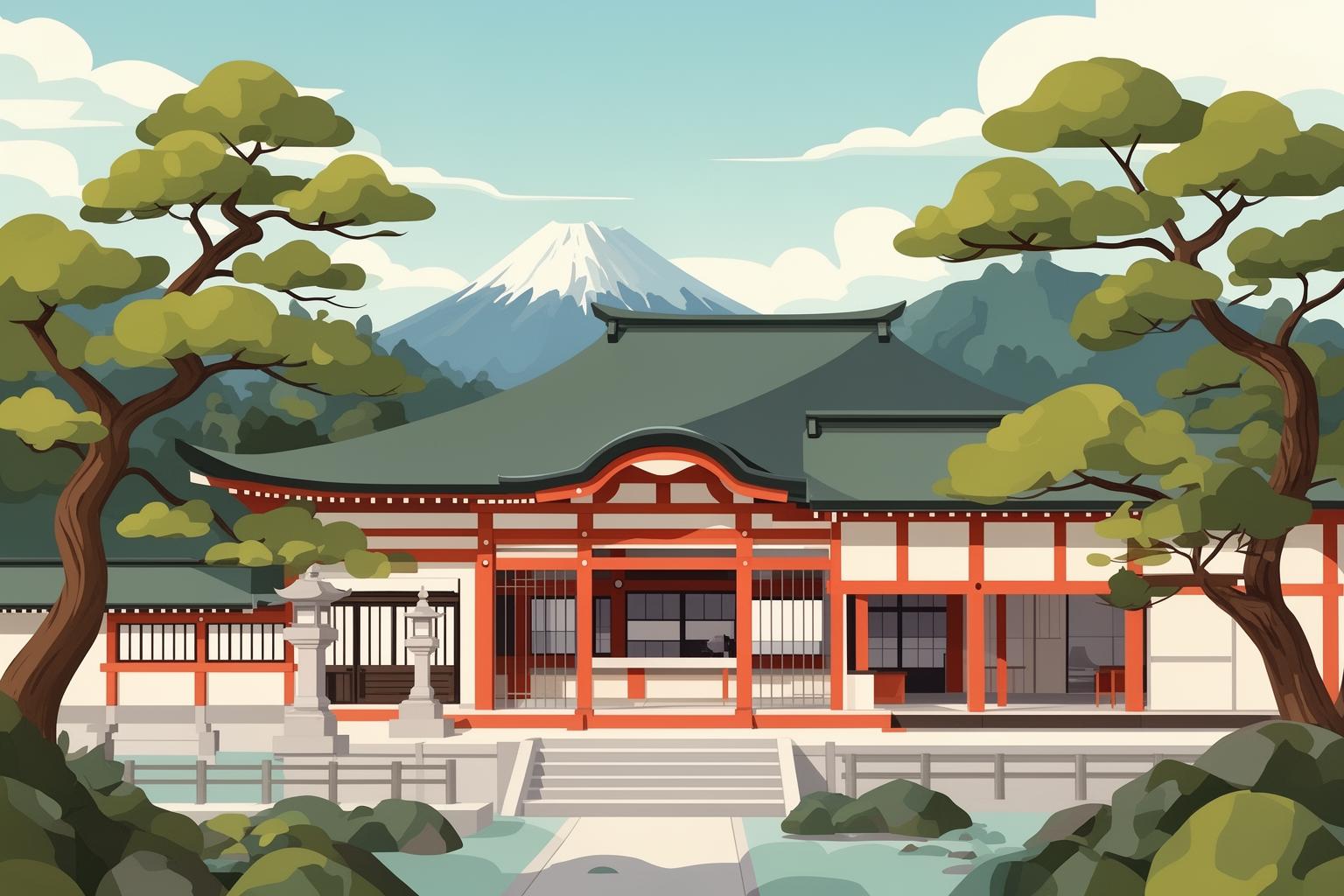
The sento experience starts long before you step into the water. The building itself often serves as a neighborhood landmark, sometimes boasting a grand, temple-like design with an ornate curved roof (karahafu), or appearing as a simpler, postwar municipal-style structure. Regardless of its external magnificence, the interior layout adheres to a traditional logic meant to guide you from the outside world into a space of shared intimacy.
The Noren and the Genkan: Crossing the Threshold
Your first encounter is with the noren, the split cloth curtain hanging above the entrance, marked with the character for hot water, ゆ (yu). A noren is not a door; it offers privacy without fully excluding. It is a soft, permeable barrier signaling, “This is a different kind of space, but you are welcome here.” Passing through it is a tactile, gentle act of entry, vastly different from the firm click of a modern door. Rather than entering a business, you join a space already in flow.
Beyond the noren lies the genkan, the recessed entryway where you remove your shoes. This may be the most important architectural ritual in Japan, and its presence here is essential. Taking off your shoes marks the transition from the outside, public world (soto) to the semi-private, inside world (uchi). This is customary at home, temples, and traditional restaurants alike. Doing so at the sento immediately frames the place as a collective home. You leave the street’s dirt behind, both literally and figuratively, placing your shoes in a small wooden locker, often secured with a large, old-fashioned wooden token (getabako). This act serves as a great equalizer—everyone, from the local shopkeeper to the delivery driver, performs the same ritual, stepping into the clean, raised interior on equal terms.
The Bandai: The Command Center of Community
From the genkan, you enter the main lobby dominated by the bandai. This traditional attendant’s perch is a raised platform, often an impressive wooden structure, where the owner or staff sits to collect fees, sell soap and towels, and oversee the establishment. The most notable aspect of the classic bandai is its location: situated directly between the men’s and women’s changing rooms, it commands a view of both entrances and the changing areas themselves.
To Westerners, this might feel intrusive, a startling breach of privacy. But its role isn’t surveillance; it is presence. The attendant acts as host and caretaker of the space. Often an older man or woman who has managed the sento for decades, they know the regulars by name, keep track of lost items, and maintain a baseline of order and safety. Their elevated position lends authority, but their demeanor is usually that of a kindly grandparent. They serve as the human anchor of the place, ensuring this communal living room stays safe and welcoming. In newer or renovated sento, the bandai may be replaced by a conventional front desk, but its role as a central, hospitable hub remains.
The Datsuijo: The Real Living Room
Passing the bandai, you enter the changing room, the datsuijo. Here, the “living room” comparison is unmistakable. This space is far more than just a place to undress. The datsuijo is the social heart of the sento. Warm, humid air carries subtle hints of soap and wood. The furnishings are simple and practical: rows of old wooden or metal lockers, long rattan benches for seating, a large wall clock, and perhaps a bulky, analog weight scale that has served generations of residents.
This is where genuine community life blossoms. Elderly women sit fanning themselves after their bath, exchanging neighborhood news. A father helps his young son dry off, the boy squirming and laughing. Someone might be reading a crumpled newspaper or a manga left on a shared shelf. In a corner, a vintage television, perched high on a wall, shows a baseball game or variety show, its tinny sound offering a gentle background hum of shared experience. People often linger here long after their baths, soaking in the relaxed atmosphere. The architecture supports this: wide benches, open space, and amenities—from the old-fashioned hair dryers running for a short time on a 20-yen coin to vending machines dispensing cold milk, coffee milk, and fruit milk—all encourage post-bath relaxation and conversation. This is the neighborhood’s de facto clubhouse, with membership costing just a few hundred yen.
The Main Event: Bathing as a Shared Ritual
Only after passing through these initial social filters do you step into the main bathroom area. The transition is marked by a sliding glass door that immediately envelops you in a cloud of steam and the intensified sounds of running water. The air is thick and warm. The space is almost always tiled from floor to ceiling, creating a vast, echoing chamber that feels both grand and intimate. Here, social codes are reinforced and refined through a new set of architectural signals.
Washing Before You Soak: The Unspoken Rule Made Physical
Before even considering sinking into the large communal tubs, you must wash. The design of the araiba, or washing area, makes this requirement unavoidable. It consists of rows of low faucets, each accompanied by a small plastic stool and a bucket. You are meant to sit, minimizing splashing and avoiding disturbing your neighbors. There is no concept of a private, curtained shower stall. You wash side-by-side with strangers and neighbors alike.
This practice is a fundamental principle of Japanese bathing culture. The large tubs are meant for soaking and relaxing, not for cleaning. You enter the communal water already clean, ensuring it remains pristine for everyone else. The architecture of the araiba enforces this etiquette. By physically separating washing and soaking areas and placing the washing stations at the entrance, the layout guides you toward proper behavior. It is a brilliant example of social engineering, teaching consideration for the collective through spatial design. You learn the rules not from a sign, but from the very arrangement of the room.
The Tub as Town Square: Varieties of Communal Water
After thoroughly scrubbing yourself, you can finally approach the tubs (fune, meaning “boats”). They are the centerpiece of the room, the aquatic town square. There is almost always a main tub, deeper and hotter than a Western bath, intended for a full-body soak. Immersing yourself up to your neck in the near-scalding water is a moment of complete release, a melting away of physical and mental tension.
Often, there are other smaller tubs featuring different characteristics. A shallower, cooler bath for children or those sensitive to heat. A denki-buro, or “electric bath,” where a low-voltage current runs between two plates, creating a pins-and-needles sensation designed to soothe sore muscles. There might be a jet bath for an impromptu massage or a kusuriyu, a medicinal bath infused with seasonal herbs such as iris roots in May or yuzu citrus in winter, their fragrance filling the steamy air. This variety transforms the space from a simple bath into a sort of thermal playground, inviting you to move around, linger, and share the space in different ways.
It is here, in the shared water, that a unique form of communication known as hadaka no tsukiai (“naked communion” or “naked friendship”) occurs. Stripped of clothes, watches, and phones—the usual markers of status and identity—people become simply people. Conversations flow more easily, less formally. An elderly man might offer a bathing tip to a younger one. Two neighbors who usually exchange only polite greetings on the street might engage in a lengthy chat about local news. The water acts as a social lubricant, breaking down barriers and fostering gentle, unassuming intimacy. The large, open design of the tub serves as the architectural catalyst for this phenomenon.
The Mural and the High Ceiling: Creating Mental Space
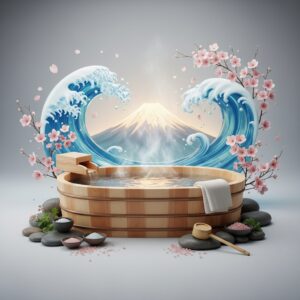
Towering over the entire scene, on the far wall dividing the men’s and women’s sections, is perhaps the most iconic feature of the sento: the mural. Traditionally, this is a majestic, idealized portrayal of Mount Fuji, its perfect cone rising above clouds and pine trees. While Fuji is the classic choice, other peaceful landscapes—a rugged coastline, a pastoral cherry blossom scene—are also common.
This mural is more than decoration. It is a functional element of psychological design. For residents of dense, crowded urban neighborhoods, often living in small apartments with limited views, the sento offers a powerful sense of escape. The high, steam-filled ceiling, often vaulted or with exposed wooden beams, creates a feeling of vertical space, while the panoramic mural provides a borrowed vista to gaze upon while soaking. It is a window to a world of natural beauty and tranquility, a mental getaway embedded in the wall. The combination of hot water relaxing your body and the expansive mural soothing your mind offers a potent form of everyday therapy, all made possible by the thoughtful design of the space.
The Sento as a Social Safety Net
The architectural elements of the sento do more than enhance the experience; they cultivate a strong social network that delivers genuine, practical benefits to the community, serving as an informal yet essential safety net.
A Place for All Ages
The sento is one of the rare public spaces in Japan where multiple generations naturally and effortlessly interact. This is evident everywhere. Grandparents patiently instruct their grandchildren on the proper way to wash and soak, passing along traditions of etiquette and cleanliness. Teenagers visit with friends, turning a bath into an affordable social outing. Middle-aged men and women find a quiet moment of relief from work and family stresses. For the elderly, the sento often serves as the main social event of their day.
Its simple, unembellished design is inherently accessible. There are no complex machines to navigate. The benches in the datsuijo offer plenty of space to rest. The experience revolves around simple, repeatable rituals, making the environment comfortable and welcoming to people of all ages, ensuring the “living room” truly belongs to the entire neighborhood family.
Checking In on the Neighbors
In a society facing rapid aging and an increasing number of people living alone, the sento plays a vital role in community oversight. The sento’s routine is daily. Regular visitors are well known. If an elderly patron who comes every afternoon without fail suddenly misses two or three days, someone notices. It may be the bandai attendant or customary bathing companions. A discreet inquiry might follow, a phone call made, or a neighbor asked to check in.
This informal system has saved lives. It’s a low-tech, high-touch form of social care arising naturally from the sento’s rhythm. As a consistent, daily meeting point, the sento facilitates connection and observation. The architecture supports this regularity, making visits comfortable and anticipated, weaving a thread of mutual awareness throughout the neighborhood.
The Decline and Reinvention: The Future of the Community’s Living Room
Despite its significant social and cultural value, the harsh reality remains: the traditional neighborhood sento is rapidly disappearing. At its postwar peak in the late 1960s, Japan had over 18,000 sento. Today, that number has dropped below 2,000 and continues to decline each year. The reasons are clear.
The Challenge of the Modern Home
The main cause of the sento’s decline is the fact that its original function has become obsolete. The emergence of the uchiburo, or private bathrooms in homes, eliminated the daily need to visit public baths. What was once a necessary utility has turned into a luxury choice. Adding to this are aging owners without successors to continue the family business, rising fuel and water costs, and the upkeep required for aging facilities and equipment. For many, staying open is no longer financially feasible.
From Necessity to Experience: The Sento Revival
However, the story does not end there. A new generation of owners, architects, and customers is striving to preserve the culture—not by keeping sento as static museum pieces, but by reimagining their purpose for the 21st century. With the sento no longer a necessity, it must become a destination. It must offer an experience.
This shift has sparked a wave of “designer sento” and renovations that respect traditional elements while introducing modern appeal. These revamped spaces embrace the idea of the “community living room” more directly than ever before. For example, Koganeyu in Tokyo’s Sumida Ward was redesigned to include a craft beer bar with taps built into the wall facing the street, a DJ booth for weekend events, and even a small hostel upstairs. The emphasis is on creating a trendy, inviting space to relax both before and after bathing. Similarly, the renowned Naoshima sento “I♥︎湯” (I Love Yu) has transformed the bathhouse into an art installation that draws tourists and art enthusiasts alongside locals.
These revitalized sento frequently enhance the bathing experience by offering features such as upscale saunas with cold plunge pools (mizuburo), which have gained popularity recently. The datsuijo or adjacent lobby may be converted into a chic lounge with comfortable seating, free Wi-Fi, and a curated collection of books and magazines, effectively establishing a co-working or reading area. They recognize that their product is not merely hot water; it is community, relaxation, and a distinctive cultural ambiance. They are reinforcing the sento’s greatest strength: serving as a third space between home and work.
A Shared Warmth
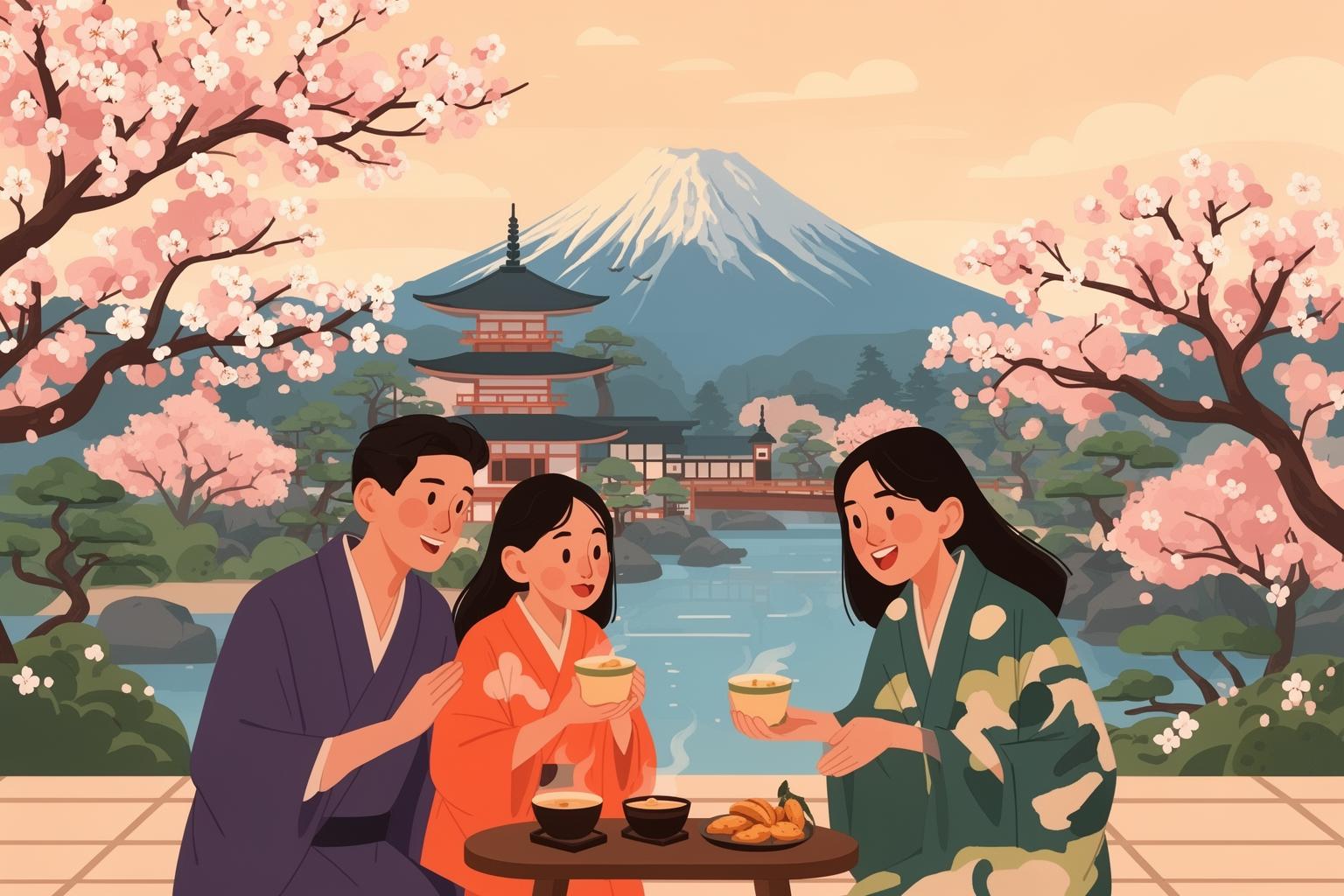
The neighborhood sento stands as a masterclass in social architecture. Every design element, from the inviting noren at the entrance to the immersive mural on the wall, is carefully crafted to cultivate a sense of shared belonging and quiet intimacy. Originally created to address a practical need—a shortage of private baths—it ended up establishing something far more meaningful: a physical heart for the community.
Although their numbers have declined, the spirit of the sento remains alive. The ones that continue to exist and flourish today do so because they understand their true, enduring role. They are not merely places to wash away dirt. They serve as spaces to unwind from the stresses of modern life, to engage with neighbors in increasingly rare ways, and to feel part of something beyond one’s own four walls. In an age marked by digital isolation and impersonal urban living, the demand for a warm, inviting, and deeply human public living room has never been stronger.