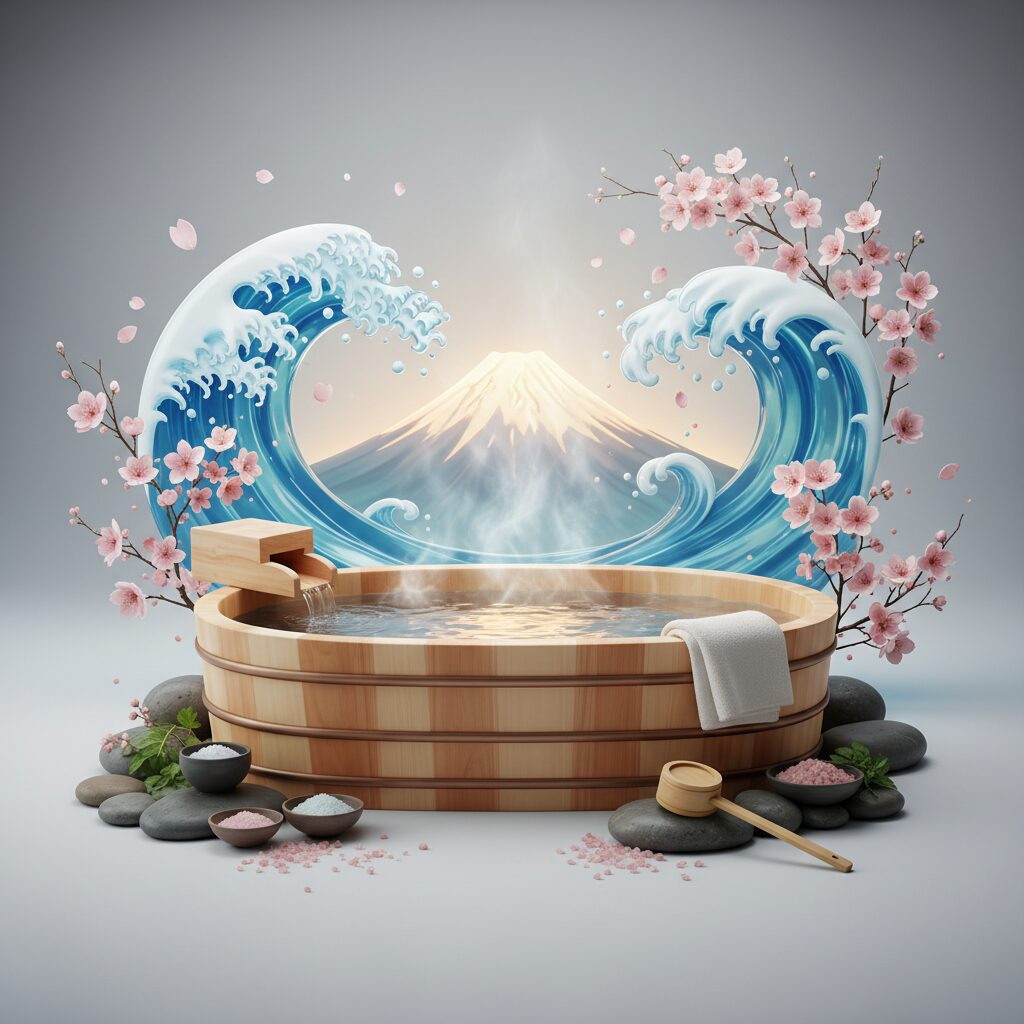
You see the pictures all the time: serene-looking people soaking in steaming hot water, a perfectly folded towel resting on their head, a view of Mount Fuji painted on the wall behind them. It looks like the peak of relaxation, a quintessential Japanese experience. And it is. But the Japanese public bath, or sento, is much more than a place to get clean. It’s a social stage where some of the culture’s most deeply ingrained values play out in a silent, well-rehearsed choreography. Forget the tourist brochures that just tell you to wash first. To truly understand the sento, you have to read the room, and the room is full of unspoken rules.
Walking into a sento for the first time can feel intimidating. It’s a space of vulnerability, not just because you’re naked, but because you’re stepping into a ritual you don’t yet understand. The regulars move with an effortless grace, a shared knowledge that seems almost telepathic. What do you do with your shoes? Where does the tiny towel go? Why is no one talking? It’s easy to feel like you’re about to commit a major social faux pas. But here’s the secret: the logic of the sento isn’t about a rigid list of prohibitions. It’s about a collective mindset, a shared agreement to maintain harmony, cleanliness, and tranquility. It’s a physical manifestation of the Japanese concept of wa (harmony) and omoiyari (consideration for others). This isn’t just a bath; it’s a lesson in social grace, performed without a single word of instruction.
For those intrigued by Japan’s unique social customs, a journey into Tokyo’s neo-yokocho nightlife reveals a dynamic blend of tradition and modernity that mirrors the unspoken rituals of the sento.
The Threshold: Crossing from Outside to In
The ritual begins the moment you approach the entrance. The first thing you will encounter is a wall of small lockers. This is the getabako, the shoe locker, symbolizing the initial, essential transition. In Japan, the boundary between the outside world (soto) and the inside world (uchi) is clear and deeply respected. The outside is considered dirty; the inside is clean. Removing your shoes is the most fundamental gesture of respect for an indoor space, whether it’s a home, a temple, or a sento. Placing your shoes in the locker and pocketing the wooden key is not just a practical act; it is a mental shift. You consciously leave behind the dust and worries of the street, preparing to enter a different kind of space.
Next, you approach the bandai, a raised platform where the attendant sits, or a more modern front desk. You pay your fee, a modest amount that makes the sento one of Japan’s most accessible daily luxuries. Here, you’ll see the iconic noren curtains, usually blue for men (男) and red for women (女), marking the gender-segregated entrances. This division is not just about modesty; it creates two distinct sanctuaries, safe and comfortable spaces where the social pressures of the mixed world disappear. The transaction is often quick and routine. You might purchase a small towel or a packet of soap if you didn’t bring your own, but there is little ceremony. The simplicity sets the tone: this is a practical, established part of daily life, not a performance for tourists.
The Changing Room: The Art of Preparation
Passing through the noren curtain, you enter the datsuijo, the changing room. This is where a great equalization takes place. Everyone, from the construction worker to the office manager, removes their clothes along with the external signs of their social status. You locate an empty locker or a woven basket for your clothes and belongings. The high level of trust in Japanese society is clearly evident here; people leave their wallets and phones in simple lockers without hesitation.
Here, you’ll also encounter the well-known “modesty towel.” This small, thin towel, often sold for a few hundred yen, is not intended for drying off. Its role is entirely practical. As you move from the changing room to the bathing area, you use it to cover yourself. It’s a subtle act of respect, a social buffer that signals, “I’m aware of my nudity and am making an effort to be discreet.” It’s not about shame or prudishness; it’s about navigating a shared space with consideration. Observing how regulars manage this small piece of cloth is your first lesson in local body language. They fold it, drape it, or hold it with an effortless familiarity born from years of experience. It’s a small detail, but one of the first things that distinguishes a novice from a seasoned bather.
The Main Event: The Choreography of Cleanliness
Entering the main bathing area—a steamy room tiled and resonant with the sound of running water—you arrive at the heart of the sento ritual. Here stands the most important, non-negotiable rule: you must wash your body thoroughly before you even consider entering the bath. The large tubs of hot water are meant for soaking and relaxing, not for cleaning. They are a pristine, shared resource. To enter the bath with soap or dirt on your body is the ultimate offense, a profound sign of disrespect toward the space and all who use it.
The Cleansing Prelude
Along the walls, rows of washing stations await, each equipped with a faucet, a handheld shower head, a small plastic stool, and a bucket. This is your stage for the first act. You take a stool, find your spot, and sit down. Standing up to shower is a major breach of etiquette, as it will inevitably splash those around you. The goal is to keep the water confined to your personal space. You use the bucket to scoop hot water from the tap to rinse yourself, or the shower head. Lather up, scrub, and rinse every part of your body. When finished, you rinse your stool and the surrounding area, leaving it clean for the next person. This simple act embodies pure omoiyari in motion. As a temporary custodian of this small public space, you have the responsibility to leave it as you found it.
The Sacred Waters
Now clean and rinsed, you are ready to enter the bath. But what about your small towel? Under no circumstances should it go into the bathwater. It’s considered unclean, even after washing. This is perhaps the most common mistake foreigners make. The towel can rest on the side of the tub or, in classic fashion, be folded neatly and placed on top of your head. This isn’t just for appearance; it keeps the towel clean and helps cool you down. Entering the tub demands subtlety: no splashing, no jumping. You slide in slowly and quietly, minimizing disturbance to the water and atmosphere. The goal is to blend into the serene environment, not disrupt it. You find a spot, submerge yourself to your shoulders, and release a quiet, satisfied sigh. This is acceptable, even expected. It’s a non-verbal signal of shared enjoyment.
Soaking in Silence: The Social Contract of the Bath
Once you enter the water, you’ll become aware of the soundscape. Sento aren’t silent, but they maintain a quiet atmosphere. The predominant sounds are the gentle lapping of water and the distant echo of showers. Close friends might exchange a few whispers, but loud conversations are absent. This isn’t an enforced rule; it’s a shared understanding. The sento serves as a place for quiet reflection and relaxation after a long day. It’s a semi-meditative state, and preserving this ambiance is a collective responsibility. You show your respect by contributing to the calm.
Another part of this unspoken agreement concerns where you direct your gaze. In a room filled with naked strangers, where should you look? The simple answer is: not directly at anyone. This isn’t about avoiding eye contact out of fear but adopting a soft, neutral gaze. You might focus on the painted mural of Fuji-san on the wall, the steam rising from the water, or simply let your eyes rest unfocused. Staring is a significant breach of the unspoken trust that makes the sento experience possible. Everyone consents to a kind of mutual invisibility, allowing each person to feel comfortable without being scrutinized. This polite form of non-acknowledgment is what makes communal nudity feel relaxed rather than awkward.
It’s also important to address the tattoo situation. Traditionally, tattoos in Japan have been linked with the yakuza, or organized crime. As a result, many public baths enforce a strict “no tattoos allowed” policy to avoid any issues. While this is gradually changing amid global tourism and the rise of fashion tattoos, especially in larger cities, many local sento still maintain the rule. This isn’t a personal judgment on your body art but a legacy of a specific social history. It’s always wise to check the policy beforehand if you have tattoos.
The Exit Strategy: Returning to the World
The ritual doesn’t conclude the moment you step out of the tub. Before heading back to the changing room, you’re expected to do a preliminary dry-off using your small, damp modesty towel. The aim is to prevent dripping water all over the datsuijo floor. Once again, this is about keeping the shared space clean and pleasant for everyone else. Squeeze out your towel, wipe down your body, then make your way to the locker area.
In the changing room, the atmosphere is calm and inviting. This is a place to linger. You’ll notice older men weighing themselves on vintage scales, people sitting in front of fans, and friends quietly chatting as they cool down. Many sento feature vending machines offering classic post-bath drinks like cold milk in glass bottles, fruit juice, or even beer. This cool-down period is a vital part of the experience—a gentle transition from the steamy, communal world of the bath back to the individuality of the outside. You take your time, rehydrate, and allow your body to return to its normal temperature. Rushing through this final stage misses the point entirely.
In essence, the sento is a microcosm of Japanese society. Its unspoken rules aren’t meant to trip you up but to ensure that a space of intense vulnerability remains one of complete comfort and safety. Every action—from removing your shoes to rinsing your stool—is part of a collective commitment to cleanliness, harmony, and mutual respect. Mastering this silent language isn’t about perfection. It’s about embracing a ritual that unites a community. It’s about recognizing that the deepest forms of communication often require no words at all, just a shared sense of place and quiet consideration for the person soaking next to you.