Close your eyes and picture a classic Tokyo drinking alley. What do you see? Red lanterns casting a warm, slightly greasy glow. A haze of cigarette smoke and grilling meat hanging in the air. The clatter of beer mugs and the low roar of after-work conversation, all squeezed into a narrow lane that feels like a wrinkle in time. This is the yokocho, the quintessential “side alley” where generations of salarymen have unwound, complained about their bosses, and found community over cheap skewers and strong drinks. These places are legendary, vital threads in the city’s social fabric. They are also, let’s be honest, often intimidating, overwhelmingly male, and not exactly known for their sparkling clean bathrooms.
But over the last decade or so, a new breed of drinking alley has emerged, a phenomenon colloquially known as the “neo-yokocho.” This isn’t just a simple renovation or a fresh coat of paint. It’s a complete reimagining of the yokocho concept for a new generation. These spaces take the most compelling elements of the original—the communal atmosphere, the small-plate grazing, the lively energy—and filter them through a modern lens. They are cleaner, brighter, more inclusive, and aesthetically deliberate. They are places where you’re just as likely to find a natural wine bar next to a yakitori stand, or see a group of fashion students sharing a table with office workers.
So, what’s driving this? Why this sudden urge to polish up the past? The rise of the neo-yokocho isn’t just about making old things new. It speaks to a deeper shift in Japanese social life. It’s about a generation’s search for connection in an increasingly digital and isolated world, a craving for the warmth of the Showa era (1926-1989) but without its rigid social structures. These are not historical reenactments; they are social experiments, curated spaces designed to foster a specific kind of modern, casual communion. They are less about getting drunk and more about the ritual of sharing a space and a moment. To understand the neo-yokocho is to understand where Tokyo’s social culture is heading.
This modern reinvention of social spaces echoes Japan’s broader innovative spirit, as seen in its enduring vending machine culture, where tradition seamlessly blends with practicality.
The Anatomy of a Neo-Yokocho
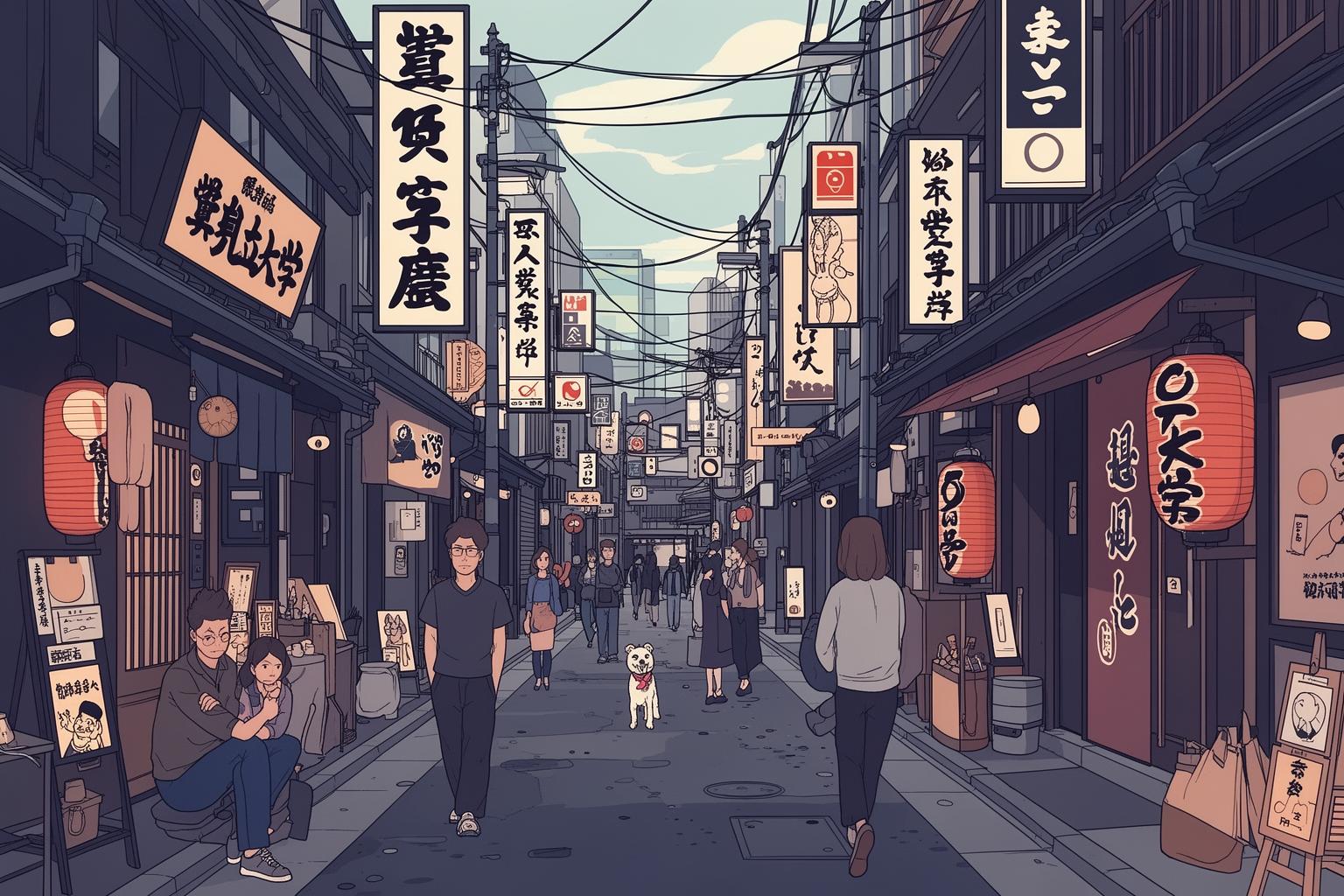
Before exploring specific locations, it’s useful to grasp their shared foundation. While each neo-yokocho has its own distinct character, they all follow a similar blueprint that deliberately breaks away from their gritty predecessors. They are defined by what they retain, what they omit, and what they create anew.
Curated Nostalgia, Not Grime
The aesthetic of a neo-yokocho is pure, intentional nostalgia. It’s better described as “Showa-inspired” rather than genuinely Showa. Designers carefully reconstruct the appearance of a past era—vintage movie posters, retro signage, old-fashioned tilework—but within a framework that is fundamentally modern. The floors are spotless, the ventilation functions properly, and the lighting is crafted to be both atmospheric and Instagram-friendly.
This distinction is crucial. The appeal of an old-school yokocho, like Shinjuku’s Omoide Yokocho (“Piss Alley,” a name that tells you much of what you need to know), comes from its authentic age and rich history. Its grimy walls carry decades of stories. In contrast, a neo-yokocho offers a sanitized, romanticized version of that past. It’s history as an aesthetic—a theme-park reinterpretation of mid-century urban life where all the rough edges have been smoothed out. This makes it far more accessible to those who appreciate the idea of retro Japan but prefer modern standards of comfort and cleanliness.
The Evolving Menu
While you’ll still find classic izakaya staples—yakitori, gyoza, potato salad—the culinary scene in a neo-yokocho is far more varied. The concept often involves gathering a collection of small, independent food and drink stalls under one roof, creating something like a gourmet food hall with a drinking vibe. This arrangement offers a much broader range of choices.
One vendor might focus on Okinawan cuisine, while the next offers Italian small plates. Craft beer taps, sake sommeliers, and even specialty gin bars are common. This diversity is intentional. It lowers the barrier to entry. If one person in a group wants ramen and another prefers sashimi, both can be satisfied. It shifts the yokocho from a place with a single focus (Japanese food and beer) into a flexible social spot catering to a variety of tastes and moods. It moves from a culinary monologue to a conversation.
A New Kind of Customer
Perhaps the most notable change is in the clientele. Traditional yokocho were dominated by middle-aged “ojisan,” the Japanese everyman. Neo-yokocho, however, are purpose-built to be inclusive. Brighter lighting, cleaner facilities, and diverse menus create an environment that feels safer and more welcoming to women, who now form a significant part of the crowd. You’ll see young couples on dates, groups of friends kicking off an evening, solo diners grabbing a quick meal, and tourists who appreciate the often bilingual menus.
This shift in patrons fundamentally transforms the social atmosphere. The vibe is less about escaping corporate pressures and more about actively socializing and being seen. These spaces foster connection, encourage meeting new people at communal tables, and promote shared experiences in lively, energetic settings. They serve as third places—neither home nor work—that meet the needs of a generation less tied to traditional corporate drinking culture.
Navigating Tokyo’s Neo-Yokocho Landscape
Tokyo is dotted with these modern alleys, each presenting a slightly different take on the phenomenon. They range from sleek, high-concept projects in the basements of luxury department stores to more organic clusters of revitalized old bars. Exploring a few reveals the vast diversity of this subculture.
Shibuya Parco’s Chaos Kitchen: The High-Fashion Yokocho
Deep in the basement of Shibuya Parco, one of Tokyo’s most trend-setting department stores, lies Chaos Kitchen. The name fits perfectly. It’s a vibrant maze of around 35 restaurants and bars, including a vegan izakaya, a high-end sushi counter, and a kitschy bar themed around the occult. A DJ often spins records from a central booth, and the crowd mirrors the floors above: fashion-forward, young, and highly connected online.
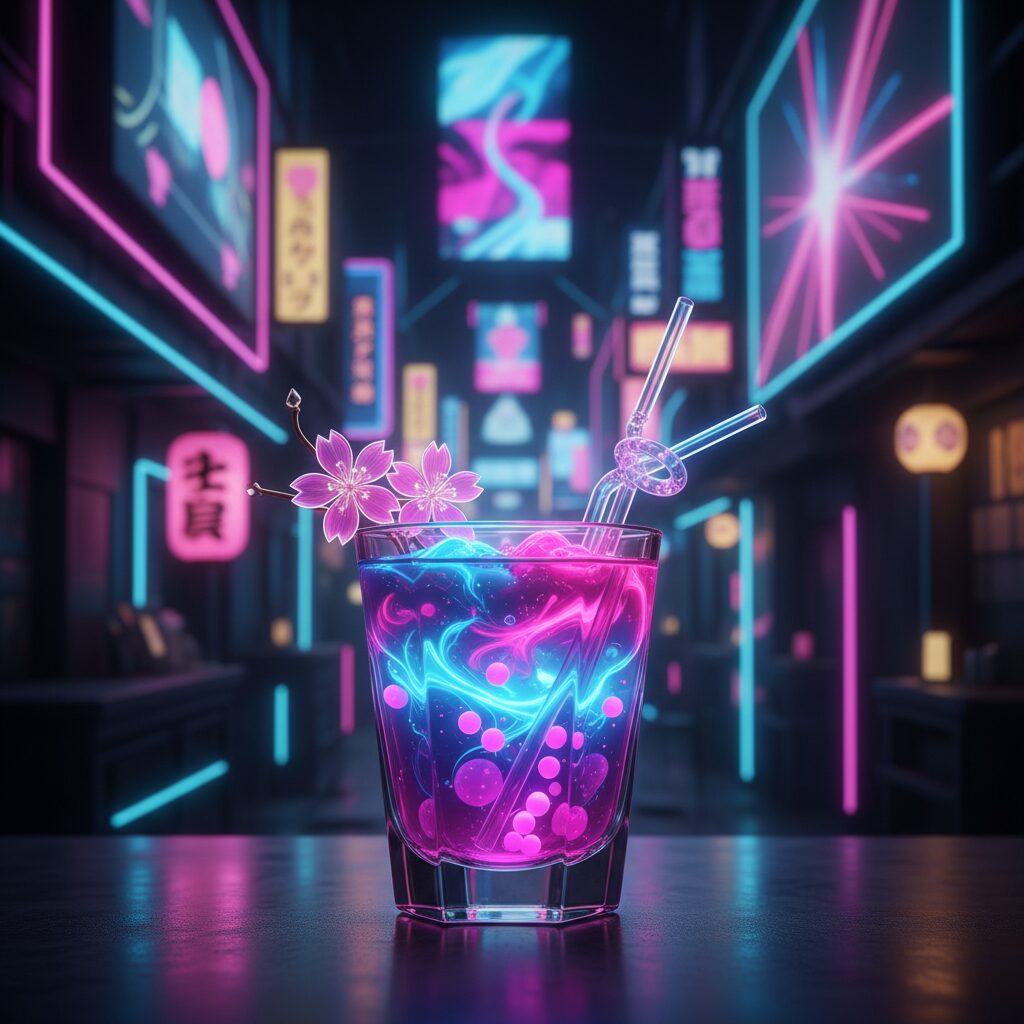
Chaos Kitchen represents the neo-yokocho as a consumer product. It’s brilliantly designed, with neon lights reflecting off polished concrete and art installations tucked into corners. It captures the vibe of an alleyway—the density, the noise, the variety—but with the safety and polish of a luxury mall. Here, the yokocho experience is decontextualized, removed from the street and placed in a curated, controlled environment. It’s for those who want to dip their toes into Japanese nightlife without getting their designer sneakers dirty. It emphasizes a photogenic, high-energy social scene more than authentic grit.
Toranomon Yokocho: The Corporate-Sleek Upgrade
While Chaos Kitchen caters to the fashion crowd, Toranomon Yokocho targets modern professionals. Situated inside the sleek Toranomon Hills Business Tower, this space gathers 26 acclaimed restaurants from around Tokyo, many opening smaller, more casual branches for the first time. The concept is “a place to enjoy the best of Tokyo’s gastronomy, all in one spot.”
This is the most mature and refined version of the neo-yokocho. The design is minimalist and clean, the lighting sophisticated, and the focus firmly on the quality of food and drink. You can find a Michelin-starred chef’s take on gyoza or a platter of dry-aged fish from a renowned purveyor. It even features its own craft brewery. This yokocho serves thousands of office workers in the surrounding skyscrapers, offering a convenient, high-quality, and lively option for after-work drinks or team dinners. It represents the logical culmination of the concept’s gentrification: the yokocho as a premium amenity for the corporate world—efficient and excellent.
Ebisu Yokocho: The OG Neo-Yokocho
Before the polished corporate versions existed, there was Ebisu Yokocho. Opened in 2008 in the shell of an old, defunct public market, it is arguably the spiritual predecessor of the current boom. It’s grittier, louder, and more chaotic than its newer counterparts, and in many ways, more charming for it. The space is a single, long hall lined with tiny food stalls, with communal tables crammed into every available inch of floor space.
The energy here is electric and contagious. It feels less designed and more authentic. The stalls are unpretentious, specializing in dishes like mushrooms, offal skewers, or fresh seafood. The real magic of Ebisu Yokocho is its social atmosphere. It’s almost impossible not to engage with the people at the next table. Conversations spark, drinks are shared, and the place buzzes with a genuine, boisterous sense of community. It captures the lightning-in-a-bottle appeal of the original yokocho—the forced intimacy and shared experience—and proves a younger, more diverse crowd craves it.
Shinjuku Sanchome Area: The Accidental Neo-Yokocho
Not all neo-yokocho are purpose-built complexes. Some develop more organically from the city’s existing fabric. The area around Shinjuku Sanchome, especially the small collection of alleys like Champion Gai, exemplifies this evolution. Historically, this area was a rougher cousin to the more famous Golden Gai, filled with tiny, members-only “snack bars.”
In recent years, however, a new generation of owners has taken over these closet-sized spaces. They have preserved the intimate, historic shells but updated the interiors and concepts. An old hostess bar might become a natural wine bar. A Showa-era dive is reborn as a craft sake spot. The result is a yokocho experience that feels deeply connected to the past while firmly rooted in the present. It lacks the thematic cohesion of places like Toranomon Yokocho but offers something perhaps more compelling: a genuine sense of history being lived and adapted, not merely recreated. It’s for the explorer who wants to feel the texture of the old city while still enjoying a great drink.
The Soul of the Matter: Why Now?
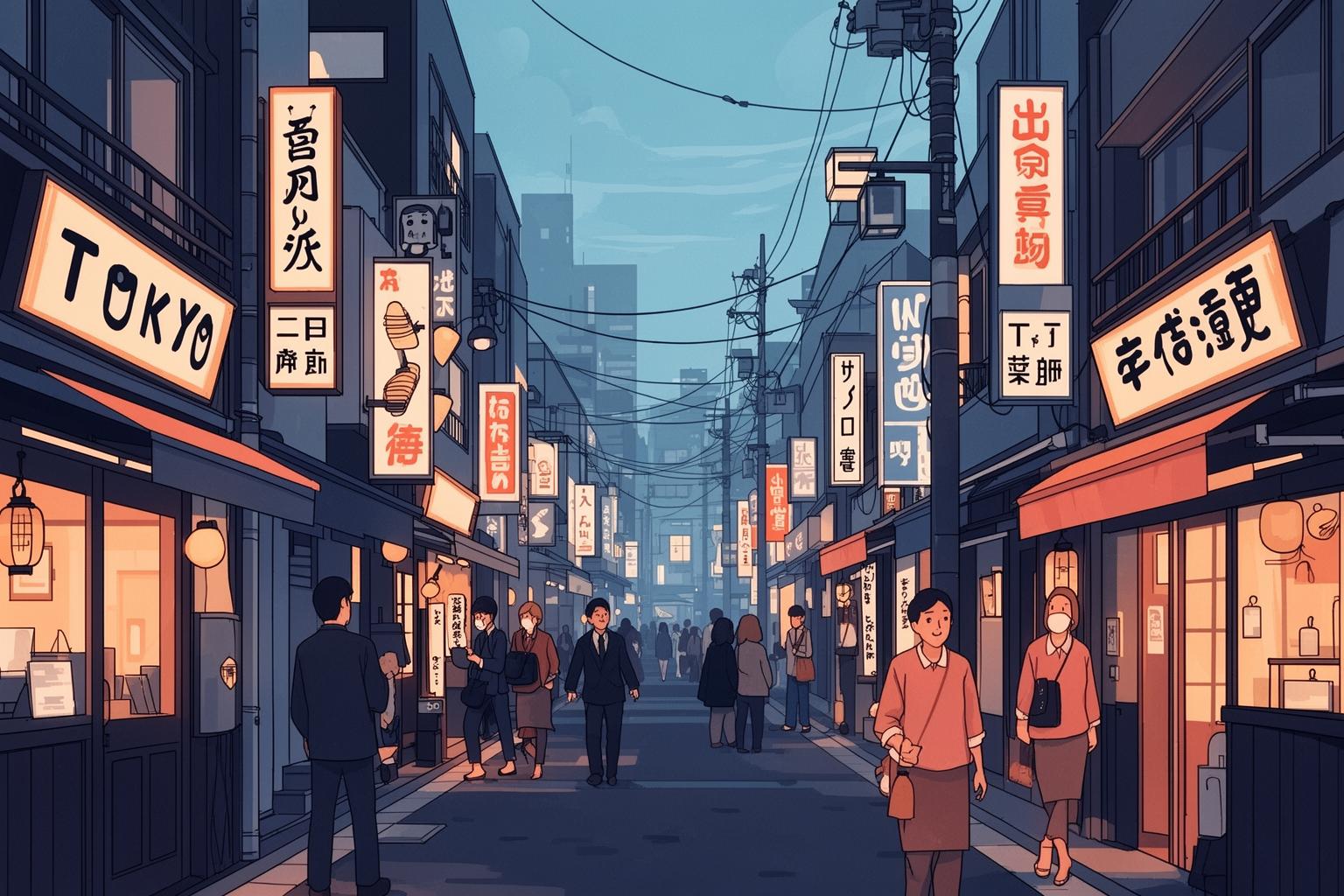
So, why has this trend gained such strong momentum? The neo-yokocho is a perfect convergence of several cultural currents in contemporary Japan. At its core, it responds to a rising sense of social atomization. In a city like Tokyo, where people often live in digital bubbles, the neo-yokocho offers a physical space for spontaneous, low-pressure human interaction. The close quarters and shared tables aren’t a flaw; they are a key feature. They subtly encourage connection in a society where such moments are increasingly rare.
It also reflects the global “experience economy.” People, particularly younger generations, are placing greater value on spending for experiences rather than material possessions. An evening at a neo-yokocho is about more than just a meal; it’s about the atmosphere, the narrative, the feeling of being part of a lively scene. These inherently shareable experiences fit perfectly within a visual culture dominated by social media.
Lastly, the neo-yokocho evokes a strong nostalgia for the Showa era. For many young Japanese, this time symbolizes optimism, close community ties, and analog simplicity—a stark contrast to the economic stagnation and digital overload of their current lives. Since they never lived through the era, they adopt a romanticized, curated version of it. The neo-yokocho physically embodies that curated nostalgia, offering the warmth and style of the past without its drawbacks.
In the end, these new alleys don’t threaten the old ones. The weathered, smoke-filled lanes of Omoide Yokocho and Nonbei Yokocho will persist, serving their dedicated patrons as always. The neo-yokocho represents a parallel evolution, showcasing Tokyo’s remarkable ability for cultural adaptation. It demonstrates how the city can transform a deeply traditional social ritual—the after-work drink in a cramped alley—for a new generation. It retains the essential spirit of the experience, the need for community and connection, while adapting the form to contemporary times. These spaces are more than just places to drink; they are dynamic, living museums of social change and an intriguing preview of Tokyo’s social future.