Walk through any major business district in Tokyo, from Marunouchi to Shinjuku, and you’ll see them. Dark suits, crisp white shirts, sensible shoes, moving in a steady, determined river from the station to the office tower. This is the salaryman, an image so deeply embedded in the modern Japanese landscape that it feels timeless, an unchanging feature of the country itself. But this figure, this archetype of the loyal corporate employee, is not some ancient samurai tradition repackaged for the modern age. He is a remarkably recent invention, a product of a specific and extraordinary moment in time: the 1960s. To understand the salaryman is to understand the crucible of Japan’s postwar economic miracle, a decade that utterly reshaped the nation’s psyche and forged a new kind of social contract between company and individual.
The 1960s in Japan weren’t just about economic growth; they were about the construction of a new national identity. With the trauma of the war still a living memory, the country poured its collective energy into rebuilding, not just its cities, but its very purpose. The engine of this monumental effort was the corporation, and the fuel was the dedication of its workforce. The government, powerful business federations, and the companies themselves collaborated to create a system designed for stability, loyalty, and relentless productivity. This system gave birth to the salaryman, defining his career, his family life, and his place in society with a clarity that is almost unimaginable today. The story of his creation isn’t just business history; it’s the story of how modern Japan decided who it wanted to be.
Amid the transformative fervor that redefined Japan’s corporate landscape in the 1960s, unconventional innovations such as tree medicine applications emerged, reflecting a broader reimagining of national identity.
The Ashes of War and the Blueprint for a Miracle
To understand why the 1960s were so pivotal, you need to envision Japan in 1945. The nation was shattered, its industrial foundation destroyed, and its people facing starvation. The subsequent American Occupation broke up the old zaibatsu—the family-controlled conglomerates that had driven the empire—and introduced sweeping labor reforms. The early years were about survival. However, by the late 1950s, the focus had shifted significantly. The Korean War had provided a substantial economic boost, jumpstarting Japan’s factories. The national goal was no longer merely recovery; it had become a race to become an economic superpower.
This ambition was embodied in Prime Minister Hayato Ikeda’s ‘Income Doubling Plan,’ unveiled in 1960. The objective was bold: to double the country’s GNP within ten years. It reflected a deep national consensus. The route to prosperity and global recognition was through economic growth, manufacturing, and exports. This was more than government policy; it evolved into a collective national aspiration. People were weary of scarcity and eager to work toward a future that promised security and comfort—a television, a refrigerator, a car. The corporation was framed as the means to deliver this dream, and joining one was viewed as a patriotic act, a contribution to the grand project of rebuilding Japan.
This climate created an urgent demand for a stable, skilled, and most importantly, loyal workforce. Companies sought individuals committed for the long term, willing to spend years mastering company-specific skills. In exchange for this loyalty, companies had to provide more than just a salary. They needed to offer a life. This mutual necessity established the foundation for a distinctive employment system that would shape the salaryman identity for generations.
The Three Sacred Treasures of Employment
Emerging from this post-war context were the three pillars of the Japanese employment system, commonly known as the “Three Sacred Treasures,” a term deliberately reminiscent of the Imperial Regalia of Japan. This was more than just a set of HR policies; it was a quasi-religious social contract.
Shūshin Koyō: Lifetime Employment
The foremost and most significant treasure was the promise of lifetime employment (shūshin koyō). Companies, especially large and prestigious ones, began recruiting university graduates with the unspoken assurance that, barring a major disaster or serious misconduct, they would have a job for life. This marked a radical shift from the more fluid labor markets found elsewhere. It was not merely job security; it was an existential guarantee. It allowed a young person to plan their entire life—securing a home loan, getting married, preparing for their children’s education—all founded on the stability of their employment. The company was more than just an employer; it was a lifelong partner.
Nenkō Joretsu: Seniority-Based Wages
The second treasure was the seniority-based wage system (nenkō joretsu). Pay and promotion were tied less to individual performance or merit and more to length of service. Everyone started with a similar low base salary that gradually increased with each year at the company. This system prioritized group harmony over individual competition. It discouraged job-hopping because leaving a company meant losing your accumulated seniority and salary level at the new one. It also encouraged a patient, long-term outlook. Rewards were not for this quarter’s results but for enduring loyalty. This structure naturally established a steep hierarchy, where age and experience equated to authority, reflecting traditional Japanese social norms.
Kigyō-betsu Kumiai: Enterprise Unions
The final pillar was the enterprise-based union (kigyō-betsu kumiai). Unlike the trade or industry-wide unions common in the West, Japanese unions were typically organized within individual companies. This meant that the union’s interests were directly tied to the company’s success. It promoted a more cooperative, less confrontational relationship between labor and management. The annual spring wage offensive, or shuntō, became a formalized negotiation, but the underlying assumption was one of shared interest. The union aimed to secure a larger share of a growing pie, not to oppose the company that was baking it. This approach kept labor disputes relatively limited and ensured that everyone was, quite literally, on the same team.
Forging the Corporate Samurai
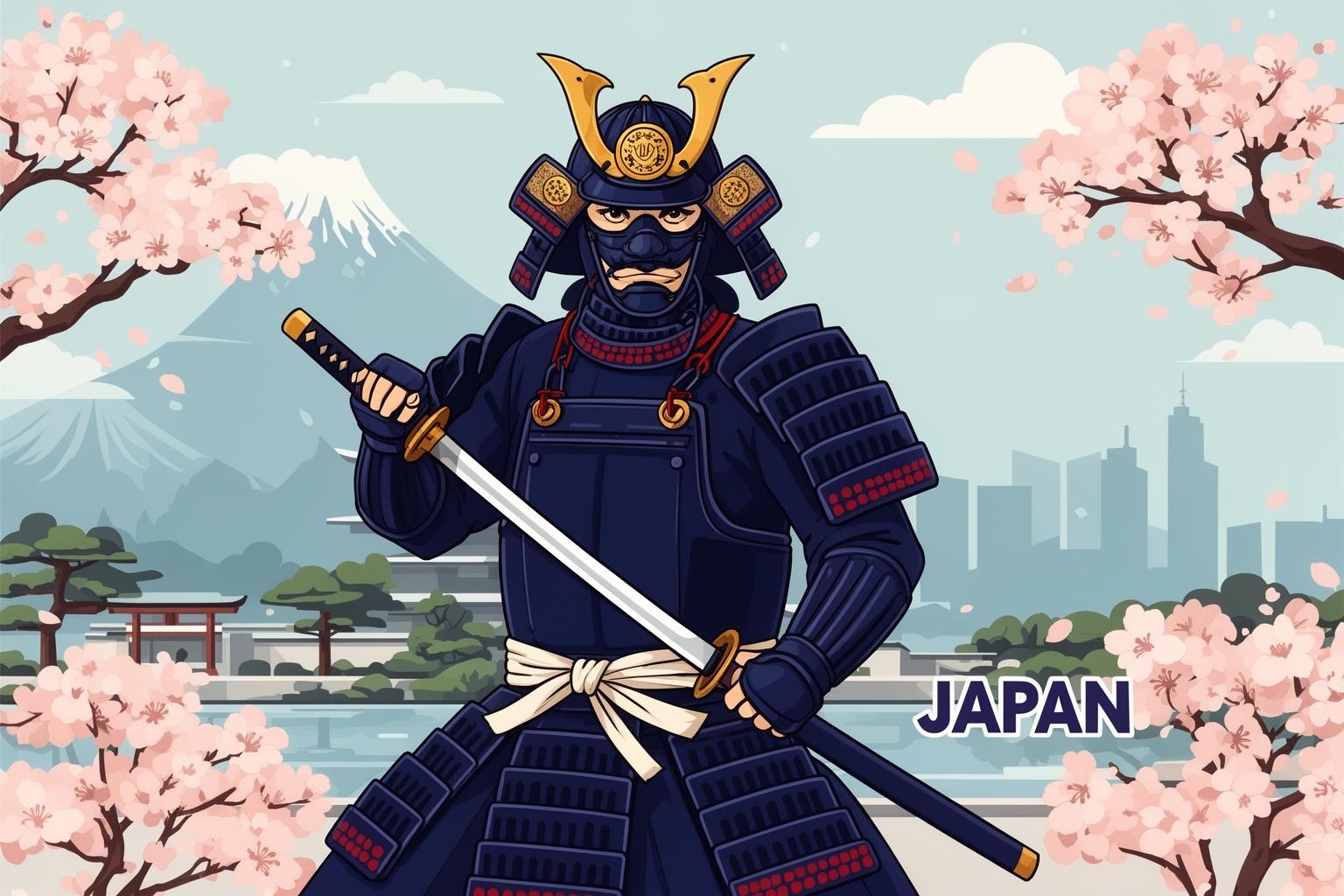
This system didn’t merely structure a career; it fostered a distinctive mindset. The 1960s marked the decade when the ideology of the company as a family, a kigyō-ikka, truly took hold. The salaryman wasn’t just an employee; he was a member of the corporate household. His identity became deeply intertwined with that of his employer. When introducing himself, he wouldn’t say, “I’m an accountant.” Instead, he would say, “I am of Mitsubishi,” or “I belong to Sony.”
This blending of identity was cultivated from the moment a new recruit joined. Companies conducted elaborate entrance ceremonies (nyūshashiki), welcoming new graduates like clan members. This was followed by intensive, often residential training programs that imparted not only job skills but also the company’s philosophy, history, and songs. The aim was to dismantle individualism and instill a strong sense of group consciousness. The proverb “The nail that sticks up gets hammered down” was the principle guiding this process. Conformity, harmony, and dedication to the group were the highest virtues.
Work itself became an all-encompassing pursuit. The boundaries between personal and professional life faded entirely. Long hours were not merely expected; they were a testament to loyalty and fighting spirit. Leaving the office before one’s boss was unthinkable. This culture of overwork served not only productivity but also as a demonstration of commitment. It was a visible sacrifice for the sake of the corporate family.
This devotion extended beyond office walls. The after-work drinking session, the nomikai, became an essential, quasi-mandatory ritual. It wasn’t just social drinking; it was where genuine communication (nominication, a portmanteau of nomu (to drink) and communication) was believed to occur. It was a setting for building bonds, smoothing workplace tensions, and allowing bosses to speak more freely with subordinates. Declining an invitation was seen as signaling a lack of commitment to the team.
The World of the Salaryman’s Wife
The establishment of the salaryman identity simultaneously created its counterpart: the professional housewife (sengyō shufu). This system was founded on a strict division of labor. The man’s realm was the company, a world that demanded his complete loyalty. The woman’s realm was the home, where she served as the unquestioned manager of domestic affairs, responsible for raising the children, handling household finances (with the husband usually handing over his entire salary to her), and creating a peaceful refuge for the weary corporate warrior to return to.
This role was not viewed as subordinate but as a parallel and equally important profession. A wife’s proficiency in managing the home was regarded as a direct contributor to her husband’s success at the company. Her skill in preparing the children for rigorous school entrance exams formed part of the family’s long-term success strategy. The company, in turn, reinforced this model through family allowances, housing subsidies, and social events for spouses. The entire social framework of the 1960s was designed to uphold this binary. The man devoted his life to the company; the woman devoted her life to the family that revolved around it.
The Legacy in Modern Japan
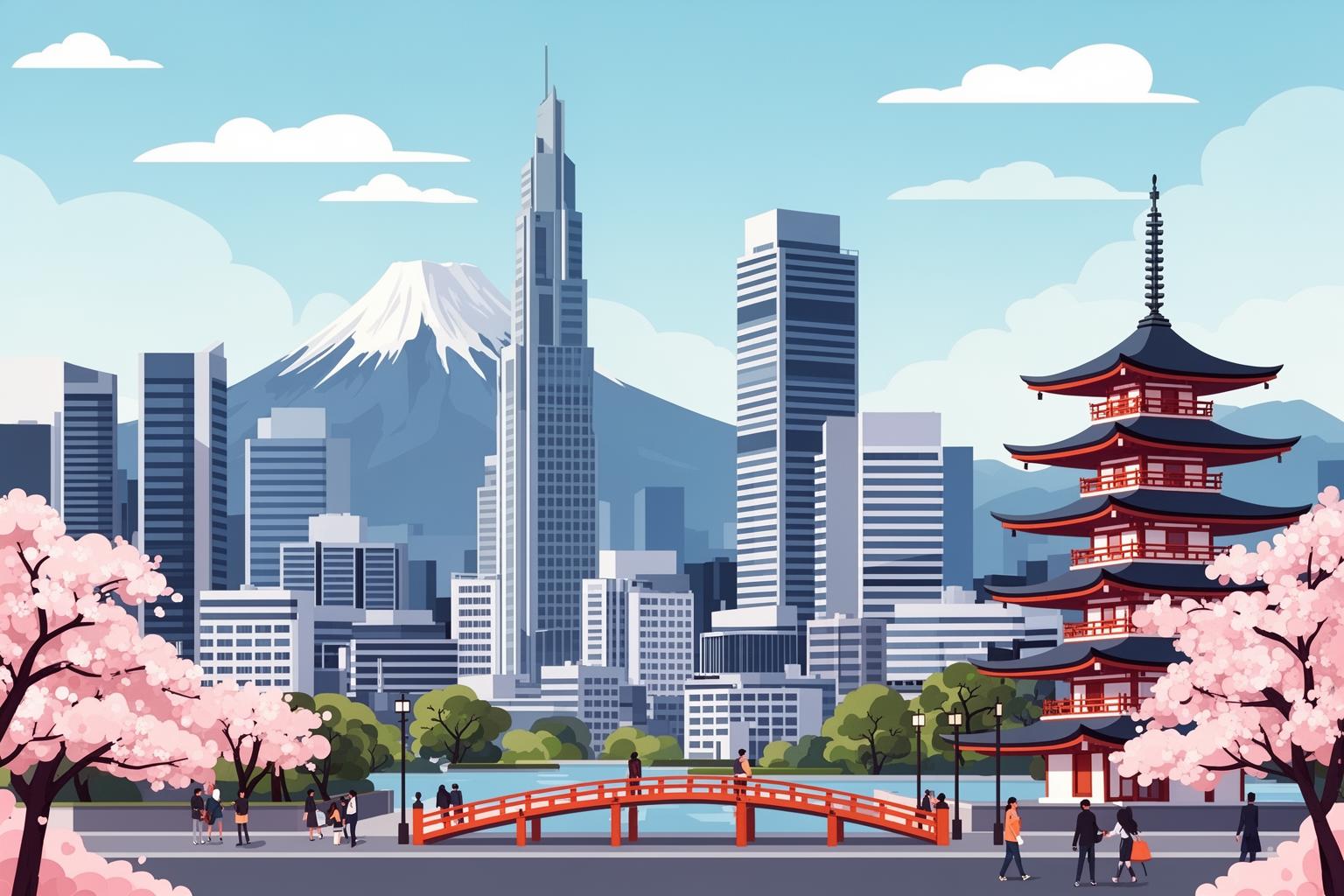
Driving through Japan today, the physical traces of the 1960s salaryman era are visible everywhere. The sprawling suburban housing developments, the danchi, were constructed to accommodate these emerging corporate families. The train lines extending for hours into the commuter belt were built to transport them. The entertainment districts of Ginza and Shinjuku, filled with bars and restaurants, were created for their after-work rituals.
More deeply, the psychological framework of that era persists, even though the economic conditions that shaped it have disappeared. The 1990s saw the collapse of the bubble economy, bringing the first cracks in the promise of lifetime employment. Companies began restructuring, promoting early retirement, and increasingly relying on temporary and contract workers. The once iron-clad security of the 1960s model started to weaken.
Yet, the cultural expectations it established are far harder to break down. The ideal of the selfless, loyal employee who prioritizes the company still wields significant influence. The pressure to work long hours and engage in after-work activities remains, even if the benefits are less certain. Young people in Japan today find themselves caught between the lingering shadow of the 1960s model and the realities of a more unstable, globalized economy. Many question the wisdom of sacrificing their personal lives for a company that may no longer guarantee their future.
Terms like karōshi (death from overwork) stand as a direct, tragic legacy of this system’s darker side. The ongoing discussions about work-life balance, gender equality in the workplace, and mental health challenge the rigid identity forged half a century ago. The salaryman of the 1960s was a hero of his era, the driving force behind a national revival. His modern counterpart walks the same streets and wears a similar suit but carries the burden of a system whose promises have frayed, navigating a world the original corporate warriors could never have imagined.