Walk into any major Japanese department store—one of those grand, multi-story institutions like Isetan, Mitsukoshi, or Takashimaya—and you’ll find a familiar landscape of luxury. The ground floor hums with the hushed reverence of high-end cosmetics and designer handbags. Floors above showcase immaculate collections of fashion, furniture, and art. It’s a world of polished surfaces and polite deference. But the true heart of the store, its most vibrant and intoxicating soul, isn’t on these serene upper levels. It’s in the basement. Descend the escalator, and the quiet elegance dissolves into a dazzling, high-energy spectacle of food. This is the depachika.
The word itself is a simple portmanteau: depāto (department store) and chika (basement). Yet, this humble name belies the complexity of the world it represents. A depachika is not a food court. It’s not a supermarket. It is a sprawling, meticulously curated subterranean wonderland dedicated to the art of eating. It’s a labyrinth of stalls offering everything from thousand-dollar bento boxes to single, perfect strawberries nestled in silk-lined cases. You’ll find world-famous French pâtissiers next to centuries-old Kyoto pickle makers, stalls selling nothing but seaweed, and counters showcasing dozens of varieties of fried croquettes. The air is a symphony of competing, yet somehow harmonious, aromas: sweet soy, freshly baked bread, roasting tea, and the clean scent of high-grade vinegar. So, why here? Why did Japan’s most spectacular food experiences flourish in the basements of its most revered retail palaces? The answer reveals something fundamental about Japanese culture: its deep-seated reverence for food as an aesthetic, social, and ritualistic pillar of life.
The immersive experience of a depachika not only encapsulates Japan’s rich culinary tradition but also echoes the nuanced artistry found in Japanese food models, offering yet another layer to its gastronomic narrative.
More Than a Food Hall: The Depachika as a Cultural Stage
To truly grasp the concept of the depachika, you must first set aside the Western notion of a supermarket as a venue for routine weekly errands. The depachika functions on an entirely different level. It is a stage where three fundamental elements of Japanese life are enacted daily: the pursuit of everyday luxury, the nuanced practice of gift-giving, and the honoring of special occasions.
The Trinity of Purpose: Daily Luxury, Gifts, and Celebrations
First, consider the idea of daily luxury. Though a depachika can be a place for occasional indulgence, it is deeply woven into the everyday routines of many urban Japanese. It is where an office worker might purchase a slightly elevated bento for lunch, turning a simple meal into a brief moment of indulgence. It is where a family might select a beautifully prepared main course—a perfectly grilled fish or an assortment of high-quality sozai (side dishes)—to complement their home-cooked dinner. This is not about flashy extravagance, but rather the subtle enhancement of the ordinary. It embodies a cultural conviction that even mundane moments deserve attention and quality.
Second, and perhaps most significantly, the depachika serves as the grand stage for Japan’s intricate gift-giving culture. Presenting gifts is a continuous, year-round practice, ranging from omiyage (souvenirs brought back from trips) to the more formal, semi-annual gift-giving periods of ochūgen (mid-year) and oseibo (year-end). In these instances, the gift symbolizes gratitude, respect, and the nurturing of social bonds. Food is among the most common and cherished gifts, and the depachika is the premier source. The reputation of the department store itself—the name on the package—adds to the gift’s value, assuring the recipient of the quality and thoughtfulness behind the offering. Items are selected with great care, taking into account the recipient’s preferences, the season, and the story behind the product.
Finally, the depachika is vital to the celebration of hare no hi, or special, festive days. These are the significant moments that stand apart from the routine ke no hi (everyday life). For Christmas, families flock to the depachika to pre-order or line up for elaborate Christmas cakes, a uniquely Japanese custom. For New Year’s, they buy magnificent tiered boxes of osechi-ryōri, the traditional foods consumed to welcome the new year. Birthdays, anniversaries, and personal milestones are all marked with a beautifully crafted cake or a special meal sourced from a trusted depachika vendor. It is the place to turn to when food must be more than mere sustenance; it must be a meaningful symbol.
The Art of Presentation: Aesthetics as an Ingredient
Step into any depachika, and the first thing that strikes you is the sheer visual perfection. The food isn’t simply displayed; it’s arranged with the precision of a museum curator. This goes beyond marketing. It originates from a deeply rooted Japanese aesthetic principle that the visual experience is an essential part of the flavor itself. How food appears directly affects how it is perceived and enjoyed.
The Visual Feast: Designing Desire
The arrangement of each counter is a masterclass in composition. Rows of nigiri sushi are aligned with geometric precision, their colors and textures creating a flawless mosaic. Fruits are showcased like precious gems; individual melons might be polished to a high shine and placed on pedestals, while strawberries rest in soft padding to avoid the slightest bruise. Even simple items like onigiri (rice balls) are positioned in impeccable, military-straight rows. The lighting is thoughtfully designed to make the glaze on roasted eel shimmer and the frosting on cakes glisten. This careful presentation fosters an atmosphere of reverence and desire. It signals that what you are about to purchase isn’t just food but a work of craftsmanship, an object of beauty to be admired before being savored.
Packaging as a Promise: The Art of Hōsō
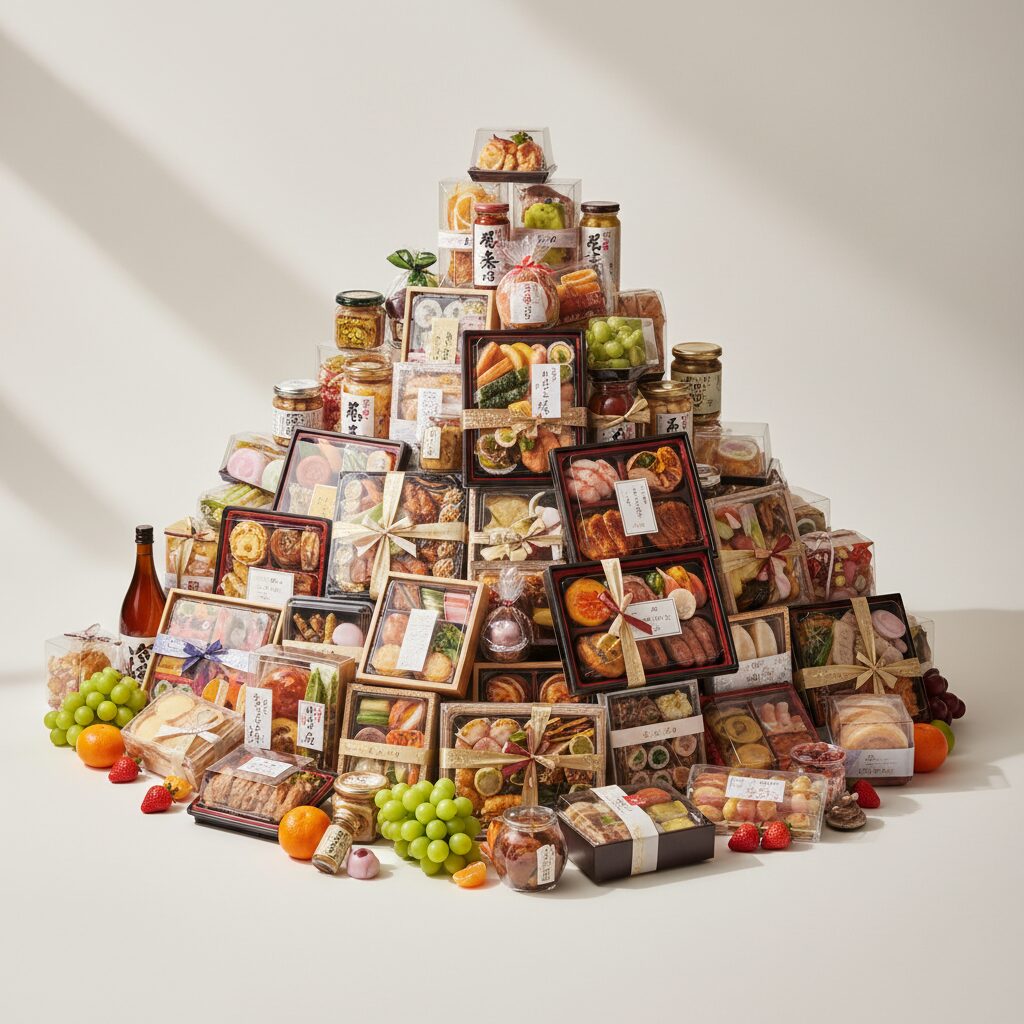
This aesthetic extends beyond the display case to the art of packaging, or hōsō. In Japan, the container often holds as much importance as the contents. When you buy an item, especially as a gift, the wrapping process becomes a ritual in itself. The product is placed in a branded box, which is then wrapped in exquisite, store-specific paper with sharp, flawless folds. No tape is visible. The package is often tied with a ribbon and then carefully placed inside a sturdy, elegant paper bag bearing the department store’s esteemed logo. This layering is symbolic. It builds anticipation and conveys a deep sense of care. The act of unwrapping becomes part of the experience, a gentle unveiling. The packaging is a promise of the quality inside and a silent message to the recipient that they are cherished.
A Symphony of Specialization: The Ecosystem of a Depachika

A depachika is not a single, uniform entity but a vibrant ecosystem made up of dozens of independent, highly specialized vendors, each excelling in their craft. This arrangement of senmonten (specialty shops) is key to the depachika’s remarkable quality and variety.
Masters of One Thing
You won’t find a bakery that does everything under one roof. Instead, there will be a stall focused solely on baumkuchen, a German layered cake that has captivated Japan. Nearby, a renowned French brand might have its first Japanese outlet, offering macarons and éclairs. Around the corner, another vendor might specialize exclusively in senbei (rice crackers), presenting dozens of varieties from different regions, shapes, and glazes. Other shops concentrate exclusively on tsukemono (pickles), premium seaweed, artisanal tofu, or castella cake. This deep specialization guarantees exceptional expertise. Many vendors have devoted generations to perfecting a single product, and their presence in a depachika signals their elite status. For shoppers, this means whatever they purchase is the finest of its kind.
The Theater of Sales: Samples and Service
The depachika’s atmosphere buzzes with lively energy. It is a courteous yet persistent stage for commerce. Vendors cheerfully greet customers with “Irasshaimase!” and provide thorough explanations of their offerings. One of the most cherished features is the abundant shishoku, or free samples. Small bites—a piece of pickled radish, a cube of cake, a slice of sausage—are handed out on toothpicks. This goes beyond a mere sales technique; it’s an invitation to explore and discover. Customers can taste before buying, ensuring satisfaction with their selection. This interactive dynamic turns navigating the depachika into an enjoyable adventure rather than a mundane task.
The Power of Seasonality and Exclusivity
Two key forces keep the depachika fresh and exciting: seasonality (kisetsukan) and exclusivity (gentei). The product selection is always evolving, reflecting the changing seasons. In spring, cherry blossom-themed sweets and bamboo shoot dishes dominate the stalls. Summer offers jellies made with seasonal fruits and chilled noodles. Autumn brings chestnuts, persimmons, and mushrooms, while winter features hearty stews and citrus-flavored treats. This focus on seasonality ensures there is constantly something new to admire and taste.
Adding to this is the strong appeal of gentei, or limited-edition items. These may be seasonal, exclusive to a particular store, or available only for a short time. A famous chocolatier could launch a flavor available solely at the Ginza Mitsukoshi branch, or a cake shop might create a special item sold for just one week. This approach generates a sense of urgency and makes buying feel like a unique opportunity. It turns customers into collectors, always eager to find the next rare and delicious treasure.
The Depachika and the Japanese Palate
While incredibly diverse, the selections in a depachika can generally be categorized into three main groups: traditional Japanese food (washoku), Western-style dishes and pastries (yōshoku and pâtisserie), and the iconic bento box.
Washoku: The Japanese Section
This area is the heart of the depachika, presenting an elevated take on Japanese home cooking. The sozai counters are a visual delight, offering dozens of prepared dishes sold by weight. You’ll find everything from braised root vegetables and glossy seaweed salads to perfectly fried tempura and delicate steamed egg custards. Close by, vendors offer premium sashimi, grilled eel, artisanal tofu, and a wide array of pickles. This section enables people to assemble a multi-course traditional meal at home without spending hours cooking.
Yōshoku and Pâtisserie: The Western Wing
The Japanese enthusiasm for Western culinary arts, especially French baking, is vividly displayed in the depachika. Here, stunningly beautiful cakes, delicate pastries, and artisanal breads frequently rival their European counterparts in precision and creativity. Permanent counters run by renowned French and Belgian chocolatiers are common, alongside shops specializing in German cakes or Italian delicatessen items. These Western foods are not mere imitations; they have been embraced, refined, and often adapted to fit the local palate, which generally favors lighter textures and less sweetness.
The Bento Box: A Universe in a Box
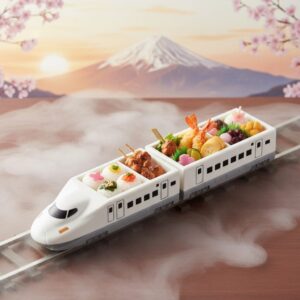
The bento boxes found in a depachika are far from a simple packed lunch. They are complete, curated meals that embody the principles of Japanese cuisine in miniature. Each bento is a balanced and visually harmonious arrangement of rice, a main protein (such as fish, meat, or tempura), and a variety of colorful side dishes. Options range from relatively simple everyday choices to extravagant creations from renowned restaurants that can carry a hefty price tag. For travelers about to board a Shinkansen or locals seeking a sophisticated picnic, the depachika bento is the ultimate portable feast.
Why the Basement? The Logic of the Underground
With all this prestige and quality, the question remains: why the basement? The location is not accidental but a result of quintessential Japanese practicality and thoughtful design.
A Practical Origin Story
The main reason is logistical. Many major department stores in Japan are built directly above or connected to vast train and subway hubs. Placing the food hall in the basement offers direct, convenient access for the millions of commuters passing through these stations daily. People can easily stop on their way home from work to pick up dinner without having to navigate the entire store. Additionally, this placement cleverly separates the strong aromas of cooking food from the delicate fragrances of the cosmetics floor and the fine fabrics of the fashion departments above. It’s a considerate and efficient design solution.
A Psychological Destination
Beyond practicality, the subterranean location has a strong psychological impact. Descending into the depachika feels like entering another world. You leave the calm, spacious upper floors and enter a vibrant, bustling space dedicated entirely to the pleasures of the palate. This physical separation enriches the experience, transforming a shopping trip into a deliberate act of discovery. The depachika becomes a destination in its own right, a treasure cave filled with edible jewels waiting to be uncovered. The journey downward signals a transition from everyday retail to a space of sensory immersion.
Ultimately, the depachika is much more than a basement food hall. It is a living, breathing museum of Japanese food culture, a vibrant marketplace, and a stage for treasured social rituals. It reflects a society that views food not merely as fuel, but as a medium for expressing beauty, seasonality, craftsmanship, and social connection. It is where the everyday becomes exquisite, where a simple gift turns into a profound gesture, and where a building’s basement transforms into one of the most dazzling destinations in the city. To emerge from its bright, bustling corridors, clutching a perfectly wrapped package, is to carry a small piece of that curated perfection into your own life.