Everyone understands the simple pleasure of a walk in the woods. That quiet sense of calm that settles over you as the city noise fades, replaced by the rustle of leaves and the scent of damp earth. It feels good. It feels restorative. Most of us leave it at that—a nice feeling, a pleasant escape. But in Japan, they took that feeling, put it under a microscope, and turned it into a national public health strategy. They gave it a name: Shinrin-yoku, or “forest bathing.” This isn’t just a poetic term for a hike. It’s a recognized form of preventative medicine and nature therapy, born from a specific crisis and grounded in both hard science and ancient cultural reverence. So how did Japan transform a simple walk into a formal, evidence-based practice? The story reveals a fascinating intersection of high-stress urban life, advanced medical research, and a deeply ingrained belief that nature is not just a place to visit, but a force to heal us.
Japan’s approach to holistic well-being is further illuminated by its cultural traditions, such as the intricate art of sacred stamp books, which mirrors the nation’s enduring commitment to nature and health.
A Modern Answer to a Modern Problem
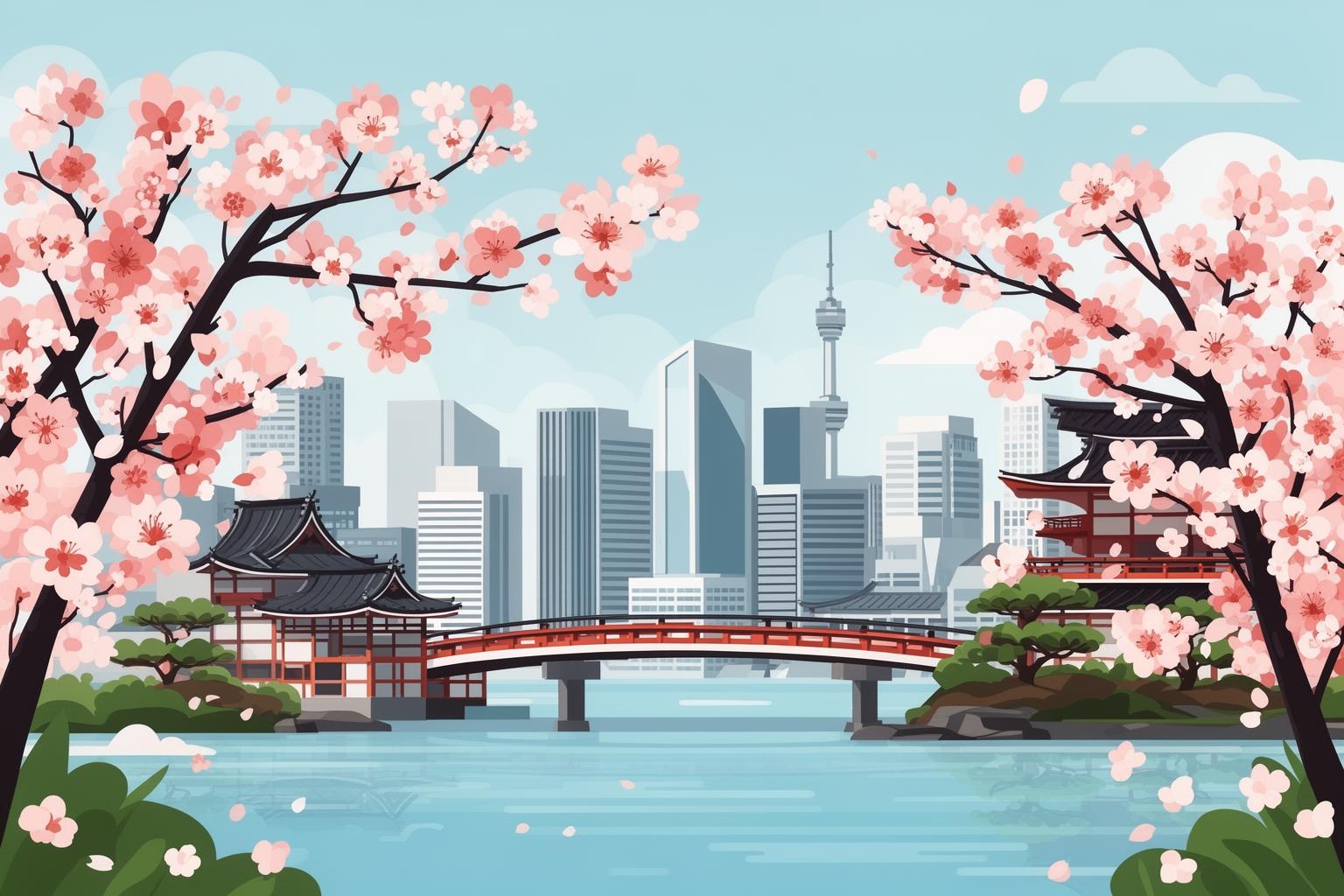
To grasp why Shinrin-yoku was formally established, you need to imagine Japan in the 1980s. The nation was experiencing an unprecedented economic boom. Cities such as Tokyo and Osaka were alive with relentless energy, symbols of technological ambition and corporate strength. Life was fast-paced, crowded, and increasingly detached from the natural environment. This period of prosperity had a downside: a public health crisis fueled by stress-related illnesses. The term karoshi, meaning “death from overwork,” entered everyday language as workers suffered heart attacks and strokes caused by overwhelming work hours. The country was thriving, but also on the verge of burnout.
In response, the Japanese government sought accessible, affordable ways to enhance public health. In 1982, the Ministry of Agriculture, Forestry, and Fisheries introduced the term “Shinrin-yoku.” It was a remarkably progressive concept. Instead of focusing solely on building more hospitals or increasing medication, they proposed a simple yet powerful solution: return to the forests. Japan is a land rich in mountains and trees, with forests covering nearly seventy percent of its territory. The government began designating official “Forest Therapy” trails and invested in research to validate what many intuitively believed: that spending intentional, mindful time in the forest produces measurable, positive effects on both body and mind. It became a national, government-endorsed remedy for the stresses of modern life.
The Science of the Forest
What truly distinguishes Shinrin-yoku from a casual walk is the scientific research supporting it. Japanese scientists, especially from Chiba University and the Nippon Medical School, conducted extensive studies to measure the physiological benefits of forest bathing. Their focus extended beyond subjective feelings of well-being to empirical data. The findings provided new credibility to the practice.
Breathing in the Trees
One of the most notable findings concerns invisible chemicals. Trees, particularly conifers like cypress, pine, and cedar, emit airborne antimicrobial organic compounds called phytoncides. These serve as the trees’ natural defense mechanism against germs, insects, and fungi. When we walk through a forest, we inhale these compounds, which have a significant impact on our immune systems.
Studies revealed that after spending time in a forest, participants experienced a marked increase in the number and activity of Natural Killer (NK) cells. These white blood cells are crucial to our immune defense, helping the body combat viruses and the development of tumors. The increase in NK cell activity was sustained, lasting up to a month after a forest bathing experience. Breathing in phytoncides essentially provides a natural form of immunotherapy, simply by inhaling the forest air.
Calming the Senses
Besides the unseen chemistry, the forest’s sensory environment directly influences stress levels. Researchers measured key physiological markers and consistently found impressive outcomes. Individuals who participated in Shinrin-yoku studies had reduced cortisol levels, the body’s main stress hormone, along with lower blood pressure and slower heart rates compared to those walking in urban settings.
This calming effect engages multiple senses. Visually, the complex, repeating patterns in nature—the veins of leaves, tree branches, and bark textures—are fractals. Our brains can process these patterns effortlessly, leading to a state of relaxed awareness or “soft fascination.” This gentle engagement allows our overly stimulated, continuously focused minds to rest. Auditory elements like birdsong, wind, and flowing water also help decrease anxiety. Together, the entire forest environment shifts our nervous system from the stress-related “fight-or-flight” mode to the restorative “rest-and-digest” state.
Not Just Any Walk in the Park
It’s important to recognize that Shinrin-yoku is not intended as exercise. It isn’t hiking, jogging, or mountain biking. In fact, the aim is to move as slowly and aimlessly as possible. The practice centers on immersion rather than achievement. This distinction lies at the core of its therapeutic power and highlights a mindset that deliberately rejects the speed and pressure of modern life.
The Art of Slowing Down
A typical Shinrin-yoku walk might cover only a kilometer or two over the course of several hours. The emphasis is on awakening the senses. You are encouraged to pause frequently. Touch the moss covering a tree trunk. Listen for the unique calls of various birds. Observe how sunlight filters through the canopy and dapples the forest floor. Breathe in the rich, earthy scent of the soil after a light rain. It’s an exercise in mindfulness, using nature as the focus of meditation. There is no destination, no summit to reach, no mileage target to meet. The entire purpose is to simply be in the forest, allowing its restorative qualities to envelop you, free from the distraction of a goal. This deliberate slowness directly counters the obsession with efficiency and productivity that fuels much of our stress.
The Role of the Guide
To further formalize the practice, Japan has developed a system of certified Shinrin-yoku guides and therapists. These individuals are not merely nature lovers; they are trained experts who understand the science behind forest therapy and facilitate deeply immersive experiences. A guide may lead a group on a slow walk, pausing at specific points to offer “invitations.” These gentle prompts encourage enhancing the senses—perhaps inviting you to notice the range of green around you, to listen to the forest’s sounds with your eyes closed, or to find a comfortable place to sit and quietly observe for twenty minutes. This structured method ensures participants receive the full therapeutic benefit, turning a simple walk into a guided healing experience. There are now more than sixty designated Forest Therapy trails across Japan, each scientifically vetted for its positive health impacts.
Deep Roots in Ancient Soil
While the science and formalization of Shinrin-yoku are contemporary, the deep reverence for nature behind it is ancient and intricately embedded in Japanese culture. This cultural foundation created fertile ground for the practice to quickly take root and thrive. It wasn’t an imported idea; rather, it is a modern expression of a timeless value.
Nature as the Divine
Shinto, Japan’s native religion, is a form of animism that recognizes divinity in the natural world. In Shinto belief, kami—gods, spirits, or essences—dwell in natural objects and phenomena. An ancient, towering tree (shinboku), a magnificent waterfall, or a uniquely shaped rock may be regarded as a sacred home for a kami, often marked by a shimenawa, or sacred rope. As a result, forests and mountains have always been viewed as sacred realms of the gods, not just resources. This spiritual groundwork nurtures a profound cultural respect for nature and an intuitive awareness of its power, creating a sense that entering a forest is stepping into a sacred, living space.
A Legacy of Contemplation
This respect for nature permeates Japanese aesthetics and philosophy. The influence of Zen Buddhism introduced an emphasis on mindfulness, meditation, and discovering depth in simplicity. Traditional arts like ikebana (flower arranging), bonsai, and landscape gardening focus not on mastering nature but on harmonizing with it and revealing its essential character. Poetry, such as haiku, often centers on nature, capturing transient moments of beauty. Shinrin-yoku aligns perfectly with this cultural heritage. It can be seen as a walking meditation, a means of attaining mindful presence through immersion in the aesthetic and spiritual power of the natural world.
Shinrin-yoku, then, is much more than a wellness trend. It represents a brilliant fusion of ancient intuition and modern science. It draws on a timeless connection to nature, confirms it through rigorous contemporary research, and offers it as a practical, accessible remedy for the very modern issue of chronic stress. It stands as a testament to a culture that, confronted with the demands of an intensely urbanized environment, chose not to drift further away but to return to its richest and most sacred resource—the forest—for healing. It serves as a reminder that sometimes the most potent medicine isn’t found in a laboratory but awaits just beyond the edge of the city, ready for anyone willing to slow down, breathe deeply, and simply listen.