Walk out of any major train station in Japan, and you’ll likely be greeted by a familiar landscape of gleaming department stores, minimalist Apple outlets, and global fashion brands. The streets are wide, the buildings are tall, and the experience, while efficient, can feel anonymous and interchangeable. It’s the polished, predictable face of modern Japan. But peel back that layer, take a turn down a smaller side street, and you might find yourself standing at the entrance to another world entirely: the shotengai.
At first glance, it’s a humble affair. A long, covered arcade or a simple pedestrian street, flanked on both sides by a dense tapestry of small, independent shops. The air is thick with a mixture of scents—the sweet soy of grilling yakitori, the savory steam from a tofu maker’s vat, the faint, clean smell of daikon radishes piled high. The sounds are a collage of human activity: the friendly shouts of vendors, the squeak of a granny’s shopping trolley, the tinny jingle of a shop’s theme song playing on a loop. This is the shotengai, Japan’s traditional local shopping street. And to dismiss it as a mere relic, a charming but outdated precursor to the modern mall, is to miss the point entirely. The shotengai is not just a place to buy things; it’s an architectural and social ecosystem, a living blueprint of Japanese community life. Its very design—its scale, its materials, its layout—reveals a profound understanding of how physical space can cultivate human connection. In an era dominated by the sterile convenience of online shopping and the placelessness of mega-malls, the shotengai offers a powerful lesson in what it means to build a neighborhood, not just a retail zone.
The shotengai’s ability to foster genuine community interaction finds a modern parallel in Japan’s evolving work culture, where embracing the freeter lifestyle offers a refreshing departure from traditional employment norms.
An Architecture of Intimacy
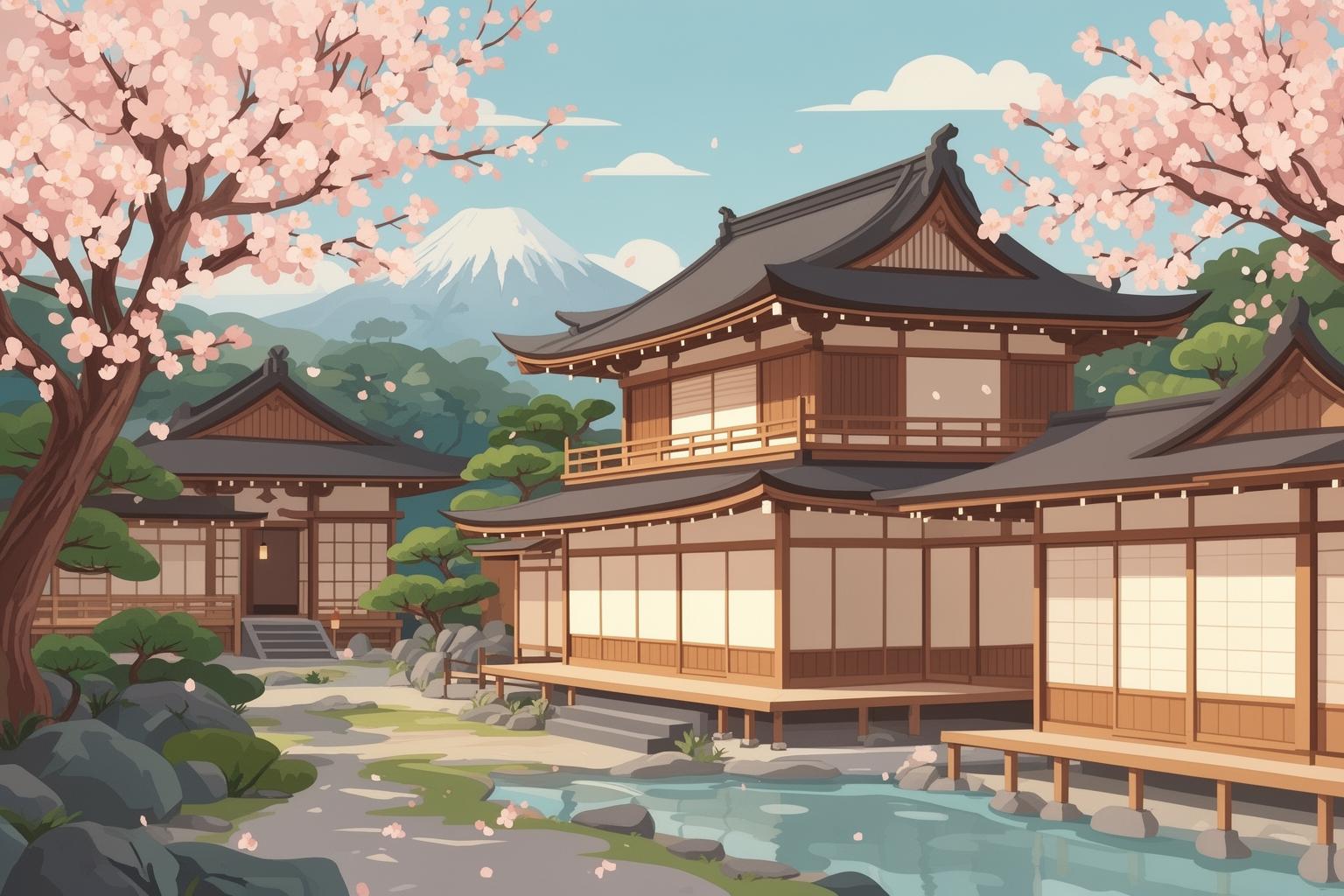
What immediately stands out about a shotengai is its scale. Everything is intentionally and refreshingly human-sized. These aren’t grand boulevards built for parades or heavy traffic. Instead, they are intimate passageways designed for walking, pausing, and engaging with others. The design choices are purposeful; they embody a social philosophy that values closeness and familiarity.
The Human Scale
Stroll through a typical covered shotengai, and you’ll notice the ceiling doesn’t stretch high like a cathedral of commerce. It’s often quite low, creating a cozy and enclosed atmosphere. The pathway itself is narrow, sometimes only wide enough for a few people to walk side by side. This isn’t poor design; it’s clever social engineering. The limited space naturally encourages a slower pace. You can’t rush through a shotengai as you might in a broad, open mall corridor. Instead, you’re invited to meander, appreciate the small details, and, most importantly, be mindful of the people around you. The close proximity makes casual eye contact and a simple nod feel natural rather than intrusive. This physical closeness gently reduces social barriers between strangers, turning a group of individuals into a temporary community, a flow of neighbors sharing the same route.
This sharply contrasts with the modern mall, which often prioritizes managing crowds and channeling customers toward anchor stores. Its vast atriums and wide walkways can inspire awe, but also a sense of being insignificant. In a shotengai, you’re never just a statistic in a footfall report. You are a person, inhabiting a space designed to your scale.
The Blurring of Public and Private
Take a closer look at the shopfronts. Unlike the rigid glass facades and imposing entrances of high-street retail, the division between shop and street in a shotengai is wonderfully permeable. A fruit vendor’s stall spills produce onto the sidewalk, the bright reds and greens of strawberries and melons creating a temporary mosaic on the ground. A fishmonger works openly, skillfully scaling fish just steps from passersby. The butcher’s display may be exposed to the air, while the croquette shop sells its fried delights through a simple window, with the aroma serving as its chief advertisement.
This intentional absence of a hard barrier is vital. It makes the shopkeeper a visible, approachable part of the streetscape. They aren’t hidden behind counters deep inside a store. Instead, they stand right at the edge, ready to interact. This architectural openness encourages conversation. You don’t simply enter a shop, buy something, and leave. You might pause to ask the greengrocer what’s in season or chat with the butcher about the best cut for dinner. The transaction is entwined with social interaction. The shotengai itself becomes a liminal space—neither fully public street nor completely private interior. It’s a shared front porch for the whole neighborhood.
The Protective Canopy
Many shotengai, especially those that thrived in the post-war period, are covered by a continuous roof, known in Japan as an ākēdo (arcade). This structure serves more than just to shield from Japan’s intense summers and rainy seasons. It fulfills an important psychological role. Stepping beneath the arcade roof feels like entering a self-contained world. The city’s traffic noise fades away, replaced by the unique acoustics of the arcade. Sunlight filters softly through translucent panels, creating a gentle, even glow distinct from the harsh brightness outside. The roof marks the limits of the community’s commercial core. It signals, “This space is special. This is our space.” It transforms a simple street into an all-weather town square, a place where people can gather and linger, sheltered from the elements. This reliable cover makes the shotengai the go-to destination for daily errands, strengthening its role as the steady, reliable heart of neighborhood life.
The Social Blueprint of a Shopping Street
If the architecture of a shotengai sets the stage, then the blend of businesses and the daily routines of its residents create the performance. The street is a living entity, its makeup directly mirroring the needs and rhythms of the local community. It forms a carefully balanced ecosystem of commerce and connection.
The Anatomy of a Typical Shotengai
The selection of shops in a shotengai differs greatly from that of a shopping mall, which is usually dominated by fashion, electronics, and chain restaurants. A shotengai reflects everyday life. Here you’ll find essential businesses that support a household: the yaoya (greengrocer), the nazi (butcher), the sakanaya (fishmonger), and the okomeya (rice merchant). There’s a pharmacy for common ailments, a small stationery store for school supplies, and a bookstore where the owner truly knows the stock. Mixed among these staples are specialists: a shop dedicated solely to tsukemono (pickled vegetables), another for senbei (rice crackers), and yet another for kombu (seaweed). You might also find a clock repairman, a futon shop, or a tiny eatery serving the same three noodle dishes for fifty years.
This assortment is not intended for tourists’ weekend splurges. It is designed for the Tuesday morning grocery run. This emphasis on daily necessities guarantees a steady, regular stream of local customers, making the shotengai an essential part of their daily lives. It is a place of routine, repetitive, and deeply necessary commerce, and it is through this repetition that community bonds are formed.
A Stage for Daily Rituals
Because residents visit the same shops day after day, week after week, relationships naturally develop. The architecture supports this, but the culture of the shotengai perfects it. The daily exchange of greetings, or aisatsu, acts as social glue. A simple “Konnichiwa” to the tofu maker or a “Gokurosama” (thank you for your hard work) to the vegetable delivery person is standard practice. These aren’t empty courtesies; they are small acts of mutual recognition that affirm one’s role within the community.
Over time, these brief exchanges deepen. The fishmonger recalls you prefer your mackerel filleted a certain way. The fruit seller sets aside the best bunch of grapes because he knows you’re expecting guests. This is not algorithmic personalization; it is genuine human connection built through years of face-to-face interaction. The shotengai is where you catch up on neighborhood news, seek cooking tips, and where your children are watched over by a dozen pairs of friendly eyes. The physical space of the street serves as a channel for this continuous, low-level social nurturing that strengthens the neighborhood’s social fabric.
The Generational Layers
Walk slowly and observe the buildings. You’ll read a story written in tile, wood, and faded signage. A shotengai is rarely constructed all at once. It is an accumulation of history. A sleek, modern coffee shop managed by a young couple might be nestled between a Showa-era pharmacy with wooden cabinets and a tiny tailor shop whose sign is sun-bleached from decades of weather. These architectural layers visibly document the neighborhood’s evolution. Unlike a mall, which is periodically gutted and renovated to follow the latest trends, a shotengai carries its history forward.
Many shops are family-run businesses passed down through generations. The elderly woman selling pickled plums may have inherited the shop from her parents, who started it after the war. Her son or daughter might be working alongside her, learning the trade. This continuity brings a deep sense of stability and identity. Residents are not just purchasing from a shop; they are engaging with a family’s legacy. This generational depth gives the shotengai a soul that no newly built retail complex can ever replicate.
Soundscapes and Lifecycles: The Rhythm of the Arcade
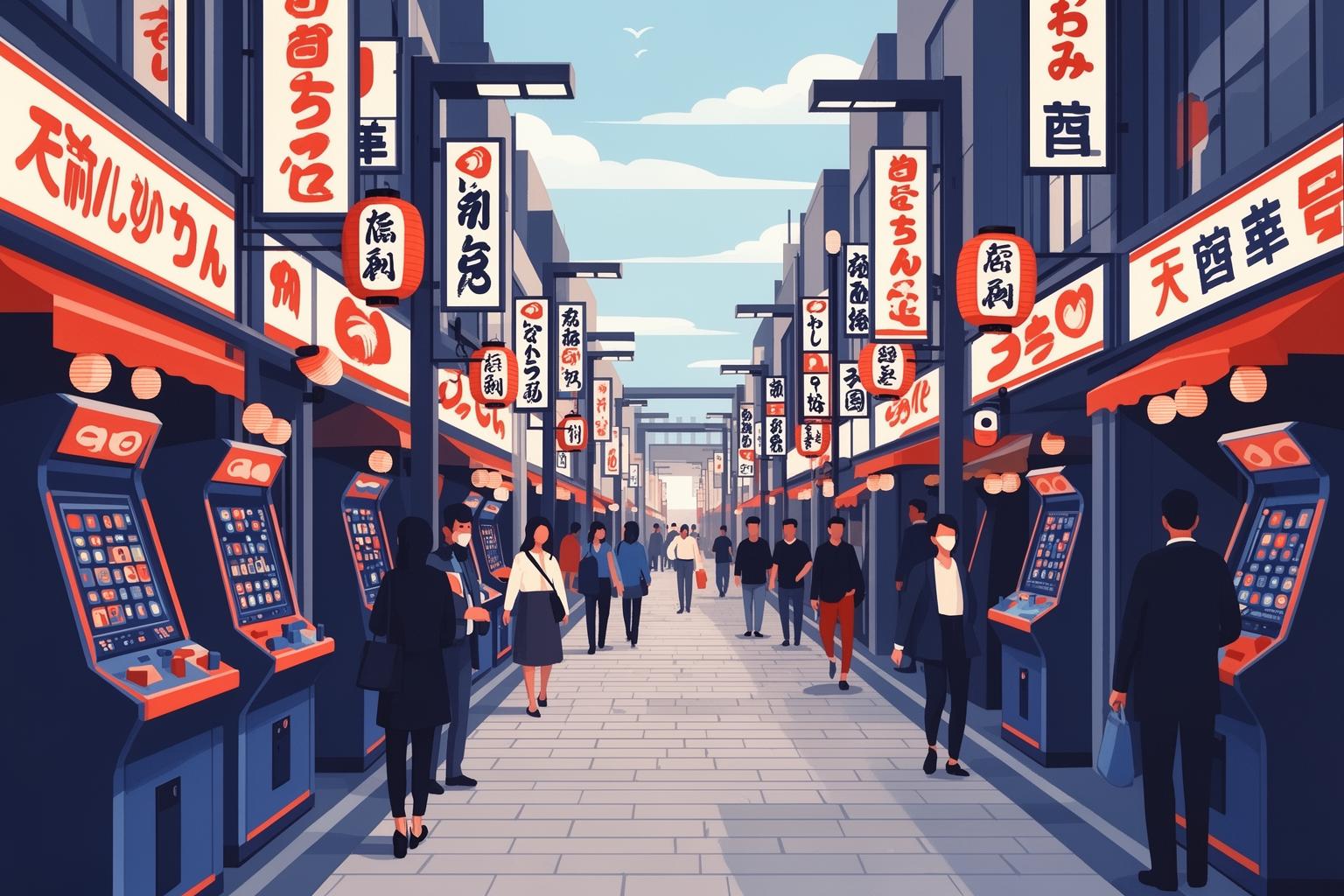
A shotengai is a dynamic place, pulsing with a daily rhythm that mirrors the lifecycle of the community it serves. Its character changes significantly from morning to night, with different groups of people occupying the space at various times. The street’s soundscape and energy are in a constant state of flux.
The Morning Buzz
In the morning, usually starting around ten o’clock, the shotengai is dominated by the neighborhood’s elders and homemakers. The air buzzes with the sound of shop shutters rolling up and the melodic calls of vendors promoting their daily specials. The pace is leisurely. This period is reserved for thorough food shopping. People move deliberately, pulling small wheeled carts behind them. They pause to examine vegetables, engage in playful haggling with the fishmonger, and exchange news with neighbors they encounter. The conversations focus on practical matters like meals and family. It’s the sound of a community provisioning itself, a shared ritual of nourishment.
The After-School Rush
After three in the afternoon, the atmosphere changes completely. The calm morning crowd gives way to a wave of energy as children are released from school. The shotengai becomes their playground. Their laughter and chatter resonate beneath the arcade roof. They gather around the dagashiya (cheap sweets shop) to spend their pocket money on colorful candies or queue up at the butcher’s for freshly fried korokke (croquettes) or menchi-katsu (minced meat cutlets) costing just a few hundred yen. For these children, the shotengai is a safe and familiar extension of their world—a space between the structure of school and the privacy of home. Shopkeepers know them by name, reinforcing a sense of a watchful, communal upbringing.
The Evening Glow
As evening falls, the shotengai undergoes its last transformation of the day. Bright overhead lights are complemented by the warm, inviting glow of red paper lanterns hanging outside small eateries and pubs. Greengrocers and fishmongers begin packing up, making way for a different kind of business. Small tachinomi (standing bars) and cozy izakaya open their doors. The crowd shifts from shoppers to workers—the so-called “salarymen” and office employees stopping for a quick beer and a snack on their way home from the train station. The sounds change from the hustle of trade to the soft murmur of conversation and clinking glasses. The shotengai transforms from a marketplace into a communal living room, offering a place to unwind and transition from work to home.
The Shotengai vs. The Shopping Mall: A Tale of Two Spaces
To truly appreciate the shotengai, it helps to compare it directly with its modern counterpart: the ubiquitous shopping mall. Both serve the purpose of facilitating commerce, yet their core philosophies regarding space, community, and human experience are strikingly different.
Efficiency vs. Experience
The shopping mall stands as a temple of efficiency. Its design aims to move large numbers of people seamlessly from the parking lot to the shops and back. The environment is climate-controlled, sanitized, and predictable. Every mall features a similar layout, a comparable set of international brands, and a familiar food court. This uniformity is its advantage; you know exactly what to expect, whether you are in Osaka, London, or Dubai. However, this emphasis on frictionless consumption comes with a downside. The experience often feels sterile and lacking local character. It is a space designed for transactions, not for fostering interactions.
Community vs. Commodity
In contrast, the shotengai is often inefficient and delightfully chaotic. It is a space created for community, where commerce acts as the link that brings people together rather than the sole reason for their visit. Its value lies not only in the products you buy but also in the relationships you build with the sellers. The experience is deeply embedded in its location, showcasing the unique character of its neighborhood. The shotengai embraces locality and individuality—the very traits that the globalized mall tends to diminish. It emphasizes the human connection surrounding the exchange of goods, not just the transaction itself.
The Threat and the Resilience
It would be misleading to present an entirely positive view. Many shotengai across Japan are facing significant challenges. They contend with pressure from large suburban malls, the convenience of 24-hour stores, and the unstoppable rise of e-commerce. An aging population and the decline of rural and suburban centers have led to the unfortunate emergence of “shutter-dori”—“shutter streets” where most shops remain closed permanently. Yet, many shotengai show remarkable resilience. Some are revitalizing by adapting to contemporary tastes while maintaining their core identity. Old butcher shops are transforming into trendy standing wine bars. Vacant storefronts are being rented to young artisans, designers, and bakers, infusing new energy that attracts fresh crowds. Seasonal festivals, street fairs, and markets are held regularly, reaffirming their position as the community’s central gathering place. This struggle for survival highlights the enduring human desire for the tangible, place-based community that the shotengai so effectively nurtures.
Finding the Soul of a City

For any traveler seeking to understand the authentic Japan beyond the temples and skyscrapers, visiting a local shotengai is essential. Here, you can experience the unscripted drama of everyday life. Strolling through the lively mix of Osaka’s Kuromon Ichiba Market, observing the elderly shoppers at Tokyo’s Sugamo Jizo-dori, or finding a small, unnamed arcade in a quiet coastal town provides a true sense of the rhythm and values of a place.
The lasting charm of the shotengai rests on a simple yet profound idea: that a commercial space can also serve as a community hub. It reminds us that the design of our streets directly shapes how we connect with each other. With its narrow alleys, open shopfronts, and human-scale layout, the shotengai presents a timeless urban design model that feels more relevant than ever. It stands as a powerful counter to the isolation of modern life, a tangible space that, through every transaction and warm greeting, asserts that we are all in this together.