Walk down almost any street in Japan, from the neon-drenched canyons of Tokyo to a quiet suburban shopping arcade, and you will hear it: the clunky turn of a plastic dial, the low rattle, and the satisfying clunk of a capsule dropping into a tray. This is the sound of gashapon, the capsule toys that seem to be a permanent fixture of the Japanese landscape. To the casual observer, they look like simple children’s amusements—a quick, cheap way to placate a kid with a plastic trinket. And they are that, of course. But to focus only on that aspect is to miss the forest for the trees.
You see, a vast and surprisingly serious world of gashapon exists just beneath the surface, one that has almost nothing to do with children. This world is populated by adults: office workers, designers, engineers, homemakers, and retirees. They are collectors, hunters, and connoisseurs. They don’t just buy a gashapon on a whim; they follow release schedules, travel to specific neighborhoods for rare machines, and curate their collections with the precision of museum archivists. The question isn’t if an adult in Japan has a few gashapon figures on their desk, but rather why this seemingly juvenile hobby has become such a widespread and legitimate adult pursuit. This isn’t just about nostalgia. It’s a subculture built around artistry, niche identity, and the potent thrill of a treasure hunt that costs just a few hundred yen per turn.
For those captivated by Japan’s embrace of nostalgia and meticulous curation, exploring the distinctive ambience of Showa kissaten offers an intriguing complementary perspective.
From Roadside Distraction to Cultural Force

The story of gashapon isn’t new, but its development is crucial to understanding its present-day significance. The name itself is purely onomatopoeic: gasha represents the sound of the crank turning, and pon the thud of the capsule landing. The concept, imported from the United States in the mid-1960s, began modestly. The machines were often placed outside candy stores or in department store toy sections, dispensing simple, inexpensive toys for children.
For decades, that remained the case. However, in the late 1990s and early 2000s, a change occurred. Companies like Bandai, a giant in the industry, and Kaiyodo, known for its highly detailed models, identified a new market: children who had grown up with gashapon were now adults with disposable income and a persistent fondness for their childhood hobbies. They no longer wanted crude, single-color plastic figures. They sought quality. They sought detail. They wanted items that reflected their adult interests.
This insight triggered a competition for quality and precision. Advances in manufacturing technology enabled intricate sculpting and complex paintwork on a small scale. Suddenly, gashapon were no longer just toys; they became miniature, high-fidelity models. Bandai utilized its extensive anime and manga licenses to create figures from series loved by the 25-45 age group. Kaiyodo, meanwhile, dominated the market for realism, producing remarkably accurate collections of Japanese wildlife, dinosaurs, and even historical artifacts. The capsule toy evolved from a mere pastime to a collectible art form, laying the foundation for the sophisticated subculture we witness today.
The Anatomy of an Obsession: What Defines a “Good” Gashapon?
To understand why an adult might spend hours searching for a specific two-inch plastic frog, you first need to recognize that not all gashapon are created equal. The difference between a generic children’s toy and a premium collectible is vast. The appeal for adult collectors lies in a combination of quality, specificity, and the psychology behind the collection process itself.
The Cult of the Sculptor
Above all, it’s about the artistry. Many of the most coveted gashapon series are essentially miniature sculptures. The level of detail can be remarkable. Figures often feature multiple points of articulation, interchangeable parts, and paintwork so precise it holds up under a macro lens. Certain lines from Kaiyodo, for example, are known for their scientific accuracy, with each animal figure sculpted to reflect a strong understanding of its anatomy and natural posture.
This isn’t mass-produced anonymity; there’s a genuine cult following around certain designers and manufacturers. Collectors know which companies deliver the best sculpts, which series maintain consistent quality control, and which lines push the limits of what can fit inside a tiny plastic capsule. It’s a discussion about craftsmanship akin to conversations among watch aficionados or vinyl record enthusiasts. The figure is not merely a character representation; it’s a tangible testament to the skill of its creator.
The Hyper-Niche Series
Perhaps the most revealing aspect of adult gashapon culture is its incredible specificity. While popular anime and video game characters remain a staple, the true depth of the subculture shines through in the hyper-niche collections. These series cater to interests so particular they seem like inside jokes, yet they enjoy widespread popularity.
Imagine a series of exquisitely detailed miniature vintage Showa-era household appliances: a tiny rice cooker with a removable lid, a rotary phone, a CRT television. Or a collection focused solely on different types of public infrastructure, like miniature electrical transformers or manhole covers unique to certain Japanese cities. There are lines featuring artisanal bread, with each loaf realistically textured and painted. Other sets include historically accurate samurai armor, famous Buddhist sculptures, or even anthropomorphic cats working at a miniature ramen shop. One notorious series perfectly replicates various models of Japanese squat toilets. The combination of absurdity and precision is part of the charm. These collections allow enthusiasts to celebrate their most obscure passions, transforming them into tangible, display-worthy art.
“Complete Sets” and the Gambler’s Thrill
The final aspect is the acquisition mechanism. The goal is rarely to own just one gashapon; it’s about completing the konpu, the full set. Each series usually includes five to eight different figures, sometimes featuring a secret, rare item. However, you cannot choose which figure you get—you insert your coins, turn the crank, and hope.
This introduces the “gacha” mechanic, a low-stakes form of gambling that has since been highly adopted by the mobile gaming industry. It creates a powerful psychological pull. The suspense as the capsule moves down the chute, the brief moment of reveal when you open it, the excitement of getting a new figure you needed, and the familiar disappointment of receiving a third duplicate—it’s an intense emotional mix. This element of chance turns a simple purchase into an experience. Duplicates, or daburi, aren’t just surplus; they become currency for trading with friends or for selling on a thriving secondary market, adding another strategic layer to the hobby.
The Collector’s Ecosystem: Where and How They Hunt
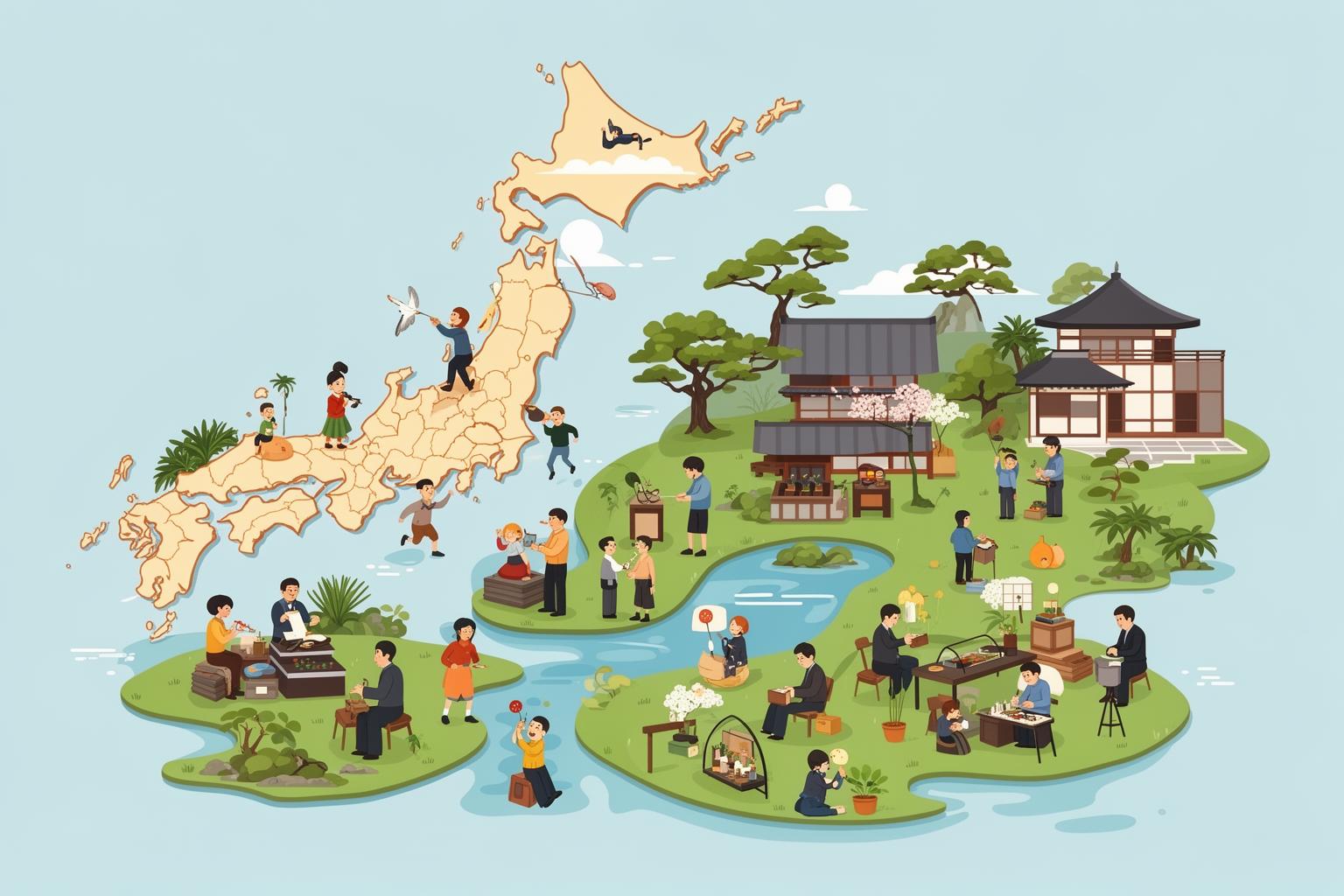
The pursuit of gashapon is an active endeavor, a chase that leads collectors from shining specialty stores to dusty corners of the country. This ecosystem has its own landmarks, rituals, and economy.
The Holy Lands: Akihabara and Nakano Broadway
For dedicated collectors, certain locations serve as pilgrimage sites. The most renowned is arguably the Akihabara Gachapon Kaikan in Tokyo. It’s not a sleek, modern shop but a chaotic, wonderful hall filled with over 500 gashapon machines stacked from floor to ceiling. The air buzzes with the sound of cranking dials and rattling plastic. Here, you encounter the full spectrum of the subculture: tourists seeking quirky souvenirs alongside local collectors with binders full of checklists, methodically working their way through the aisles, examining new arrivals.
Similarly, Nakano Broadway, a multi-story shopping complex often considered Akihabara’s slightly more hardcore cousin, is another key hub. Its narrow corridors house shops dedicated to otaku culture, with countless gashapon machines filling every available space. These places aren’t just stores; they serve as communal centers where the latest trends are on full display and the vast scale of the hobby is undeniable.
Beyond the Otaku Hubs
However, to assume gashapon are limited to these otaku hotspots is to overlook their widespread presence. They are everywhere. Major train stations often feature dedicated “gasha roads”—long rows of machines that commuters encounter daily. Electronics stores like Yodobashi Camera and Bic Camera typically contain huge gashapon sections with hundreds of machines. You’ll find them in supermarkets, movie theaters, family restaurants, and even tucked away in airports for one last-minute attempt at finishing a set. This integration into everyday life is vital, normalizing the hobby and making it an accessible, casual part of the urban landscape rather than a niche pursuit hidden from view.
The Aftermarket: Trading and Selling Duplicates
What do you do with four identical miniature bonsai trees acquired while hunting for the rare cherry blossom figure? You turn to the secondary market. The existence of a thriving aftermarket underscores the hobby’s seriousness. Stores like Mandarake and Lashinbang, major sellers of used anime goods and collectibles, offer sections dedicated to loose gashapon figures.
Here, the element of chance disappears. You can purchase the exact figure you need to complete your set, though often at a premium. You can also sell duplicates to recover some of your investment. This creates a fascinating micro-economy, with prices fluctuating based on a figure’s rarity and popularity. This system encourages a more strategic approach to collecting, combining the luck of the initial draw with the savvy of a trader.
The Social Fabric: It’s Not a Solitary Pursuit
The image of the collector as a solitary obsessive, hunched over their treasures, is an outdated stereotype. While collecting is a personal act, the culture around it is highly social.
The Community in the Capsule
In the digital age, the community aspect has thrived online. A quick search of hashtags like `#ガシャポン` or `#ガチャガチャ` on platforms such as X (formerly Twitter) or Instagram reveals a flood of activity. Collectors post photos of their latest “gets,” displaying them in elaborate dioramas or creative setups. They share information on where to find new or rare machines, express frustration over duplicates, and celebrate completing challenging sets. These online spaces serve as a digital extension of the hobby, a place to connect with like-minded people across the country. It’s a network built on shared knowledge and mutual encouragement.
The Ritual of the “Gasha-Pato”
Offline, the social dimension is equally significant. Friends often embark on what they call a gasha-pato (gashapon patrol), a dedicated outing to hunt for new releases. The ritual is a collective experience. They travel to Akihabara or another popular spot, pool their change, and take turns at the machines. The immediate aftermath involves lively activity: cracking open capsules, comparing finds, and trading duplicates right then and there. It transforms a solitary hobby into a collaborative adventure, a perfect, low-cost social event. It’s a way to bond over a shared interest, where the thrill of the hunt and joy of discovery are heightened by friendship.
More Than Plastic: The Deeper Meaning of Gashapon

So, why does all this matter? Why devote so much energy to tiny plastic objects? To dismiss it as mere consumerism is to overlook the deeper cultural and psychological forces at work. Gashapon collecting resonates strongly with Japanese adults because it connects to several key aspects of contemporary life.
Curated Identity in Miniature
In a society that often emphasizes group harmony and public conformity, personal expression can sometimes be subtle. Gashapon provide a powerful yet discreet way to showcase individuality. The specific sets you choose to collect form a kind of curated identity. A row of miniature, architecturally accurate chairs on an architect’s desk, a collection of scientifically precise mushrooms on a biologist’s shelf, or a lineup of obscure 80s anime characters on a bookshelf—these are more than just decorations. They quietly signal your taste, your knowledge, your passions. They offer a way of saying, “This is who I am, this is what I love,” in a compact, personal, and visually appealing form.
The Appeal of the Tangible in a Digital World
Our lives are increasingly abstract, with entertainment, work, and social interactions often mediated by screens. Gashapon serve as a powerful counterbalance to this digital haze. They are tangibly physical in a delightful way. For a few hundred yen, you receive a physical object you can hold, inspect, and display. There’s a satisfying finality in this that a digital achievement in a game can never match. This yearning for the analog, the real, is a growing feeling worldwide, and it finds a perfect expression in gashapon. They offer a small, affordable piece of physical art in an otherwise fleeting world.
A Micro-Dose of Joy
Most importantly, gashapon provide a micro-dose of happiness amidst a demanding daily routine. Japanese work culture is often known for being stressful and highly structured. The gashapon machine, positioned in the train station on the way home, serves as a small portal to unpredictability and delight. The entire ritual—the choice to try your luck, the turning of the crank, the moment of reveal—offers a brief, self-contained break from routine. It’s a low-stakes, low-cost thrill that can briefly lift your mood. Whether you get the one you want or not, the process itself is an instance of play in an adult world that often lacks it. It’s a small, affordable, and endlessly repeatable spark of joy.
Next time you see a row of gashapon machines in Japan, take a closer look. Look beyond the brightly colored plastic and cartoon characters. See them not as simple vending machines but as dispensers of art, identity, and community. Notice the people who stop—the salaryman adjusting his tie before turning the crank, the two friends eagerly comparing their capsules—and you’ll witness the truth. You’re not just watching someone buy a toy. You’re observing them engaging in a complex and meaningful modern ritual, a small act of curating joy, one plastic sphere at a time.