Walk down almost any quiet side street in a Japanese city, past the gleaming convenience stores and minimalist boutiques, and you might see it: a doorway that seems to belong to another time. Perhaps there’s a sign with swirling, old-fashioned calligraphy spelling out 喫茶店 (kissaten), a window display of faded plastic food models, and a dim, amber light glowing from within. This is your entrance into one of Japan’s most precious and endangered spaces—the Showa-era kissaten. Forget what you know about modern cafes, with their Wi-Fi passwords, oat milk lattes, and relentless productivity hum. A kissaten is not a place to work; it’s a place to be. It’s a living museum, a social sanctuary, and a refuge from the frantic pace of 21st-century life. Stepping inside is like stepping into a time machine set for 1975, where the air is thick with the ghosts of cigarette smoke and the rich aroma of dark-roast coffee, brewed with methodical patience. This isn’t just about nostalgia; it’s about finding a unique form of urban tranquility, a kind of ‘time-capsule Zen’ that is becoming harder and harder to find.
Discover more about the cultural allure and hidden stories of these nostalgic spaces by exploring our guide to the Showa-era kissaten, which reveals the timeless charm that continues to captivate visitors.
The Anatomy of an Atmosphere
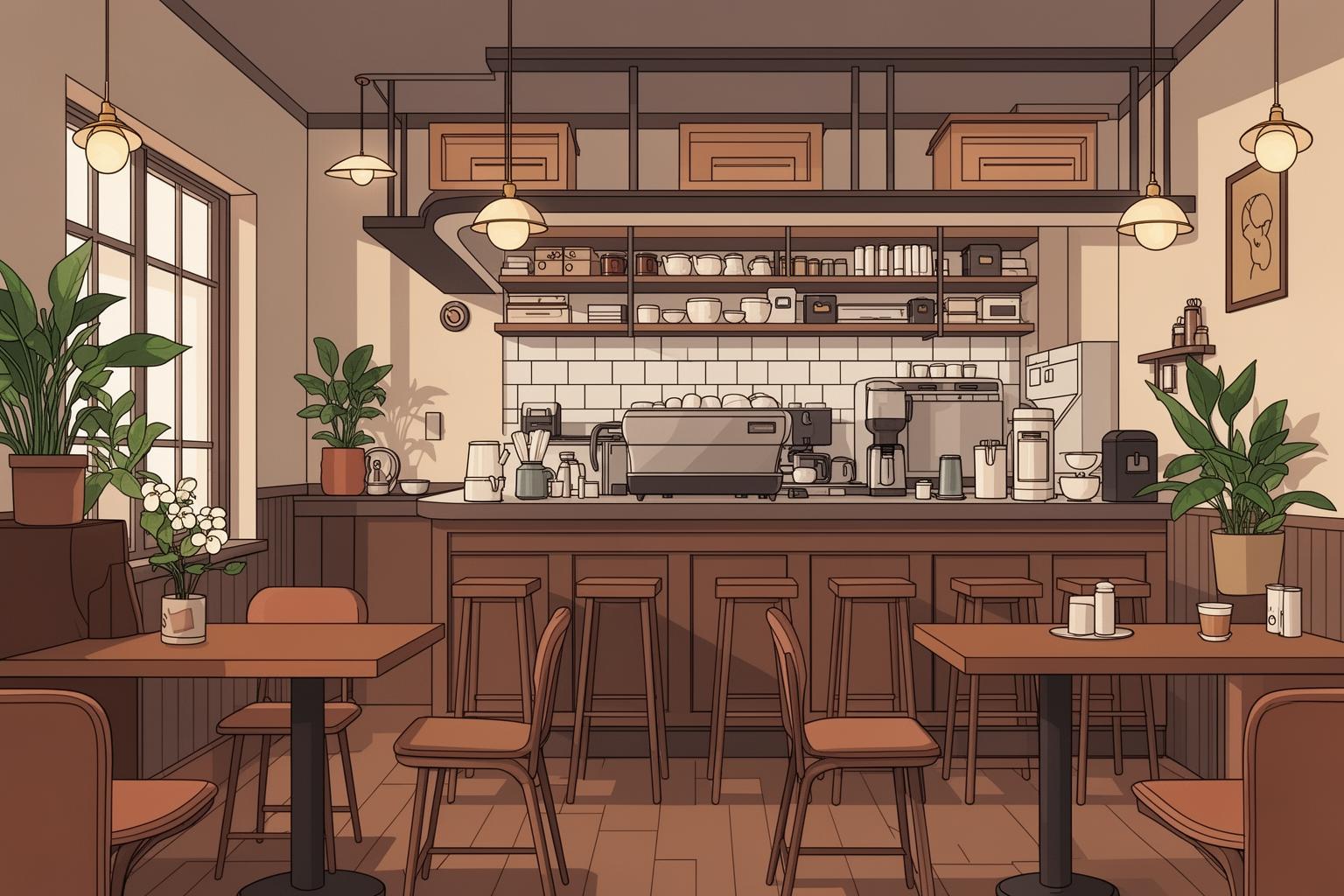
A true kissaten’s strength lies in its steadfast dedication to a distinct, almost theatrical, atmosphere. It offers an immersive experience shaped by decades of unwavering consistency—a place defined not by what is new, but by what has intentionally remained unchanged. Here, the architecture of the soul is just as vital as the physical design of the space. Every element quietly honors the Showa era (1926-1989), a time of profound social and economic transformation in Japan that these cafes have impeccably preserved.
The Velvet and Vinyl Aesthetic
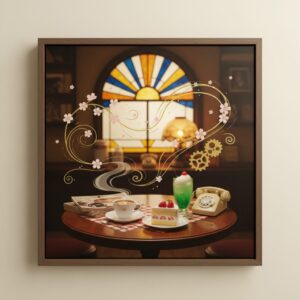
The visual identity of a kissaten is unmistakable. Forget bright, airy Scandinavian styles; envision dark, moody, and deeply inviting surroundings. The walls are nearly always paneled with dark, polished wood that absorbs light, creating a snug, womb-like ambiance. Seating isn’t a random assortment of chairs but rather deep, enveloping booths upholstered in worn velvet or cracked pleather, typically in hues of burgundy, forest green, or mustard yellow. Tables might feature built-in tabletop video games from the 1980s, long silent with dark screens. Overhead, ornate lighting—often brass fixtures with tulip-shaped glass shades or elaborate stained-glass panels—casts a steady, gentle twilight throughout the room, regardless of the hour. The soundscape is equally deliberate. There’s no algorithm-driven pop music here. Instead, you hear the warm crackle of vinyl playing classical pieces or American jazz from the 1950s and 60s. The soft clink of ceramic cups against saucers, the quiet rustle of newspapers, and the low murmur of conversation dominate the atmosphere. It’s a multi-sensory setting designed to slow your heartbeat and detach you from the digital flow.
The Scent of Showa
Above all, a kissaten is defined by its scent. It offers a complex fragrance that can’t be replicated. The foremost note is, naturally, coffee—not the light, acidic aroma of a third-wave pour-over, but the deep, rich, slightly bitter scent of a dark, oily roast. This coffee is often brewed via siphon, a theatrical method involving glass globes and open flames, resembling more a chemistry experiment than breakfast preparation. Equally significant is the lingering presence of tobacco. For decades, kissaten served as sanctuaries for smokers, and the sweet, acrid smoke has seeped into the velvet upholstery, wooden walls, and heavy drapes. Even in cafes that have since banned smoking, that ghostly scent remains. While it may be off-putting for some, for those who appreciate the kissaten, it’s a vital part of its history—a nostalgic aroma that instantly transports one to a time when life’s pleasures moved more slowly and remained decidedly analog.
The “Master” and the Counter
At the heart of every respected kissaten is the “Master.” This is not a youthful barista; it is typically an elder man or woman, often dressed in a crisp shirt and sometimes a vest, who has overseen the space for thirty, forty, or even fifty years. The Master is the quiet conductor of this tranquil symphony. They move with deliberate, practiced grace—polishing glasses, wiping down the long wooden counter, and preparing coffee with focused ritual. The counter is their stage. Here, you can observe the art of siphon brewing closely or watch them carefully assemble a fruit parfait. Unlike modern cafe employees trained to prioritize speed and turnover, the Master’s role is solely to uphold the space. They rarely intrude, offering a glass of water and taking orders with minimal fuss, but they are always attentive. Their presence silently assures that this sanctuary remains steady, that you can linger as long as desired, and that the outside world can wait.
More Than Just Coffee: The Kissaten Menu
The food and drink served in a kissaten are just as much a part of the time capsule as the decor. The menu offers a curated selection of yōshoku—Western-style dishes adapted to the Japanese palate—that gained popularity during the Showa era. These dishes focus not on culinary innovation but on comfort, consistency, and nostalgia.
The Ritual of Siphon Coffee
The highlight is the coffee. Siphon, or vacuum pot, brewing is a beautifully inefficient technique that perfectly aligns with the kissaten’s philosophy. Watching the water defy gravity as it rises from the lower chamber to the top, saturates the coffee grounds, and then dramatically filters back down is a captivating performance. The process takes time, encouraging you to slow down and be patient. The coffee produced is clean, full-bodied, and smooth—a stark contrast to the rushed bitterness of an espresso shot. Ordering a “blend coffee” means ordering a small show, a five-minute meditation culminating in a perfect cup served in a unique, often ornate ceramic cup and saucer that have likely been used for decades.
Culinary Time Travel: Napolitan and Melon Soda
Dining in a kissaten is like tasting the comfort food of 20th-century Japan. The undisputed star on the menu is “Napolitan” spaghetti. This dish is not authentically Italian but a uniquely Japanese invention born from post-war creativity, featuring thick, soft spaghetti noodles stir-fried with sausage, bell peppers, and onions in a sweet, tangy ketchup-based sauce. Served sizzling on a hot iron skillet with a sprinkle of powdered cheese and a bottle of Tabasco on the side, it evokes thousands of childhood memories and salaryman lunches. Another classic offering is the Melon Soda Float—a beverage of pure, unadulterated joy: a glass filled with vibrant, artificially green melon soda topped with a perfect scoop of vanilla ice cream and often crowned with a maraschino cherry. It’s a festive, indulgent treat that defies modern health trends. And then there is the toast—not just any toast, but impossibly thick slices of fluffy Japanese milk bread, or shokupan, toasted to golden perfection and served with a pat of melting butter, jam, or a generous spread of sweet red bean paste (ogura). The “morning set,” or mōningu sābisu, is a classic kissaten staple: for the price of a single cup of coffee, you get a small breakfast consisting of thick toast and a hard-boiled egg. It’s a relic from an era marked by incredible value and service.
A Social Sanctuary: The Role of the Kissaten in Japanese Life
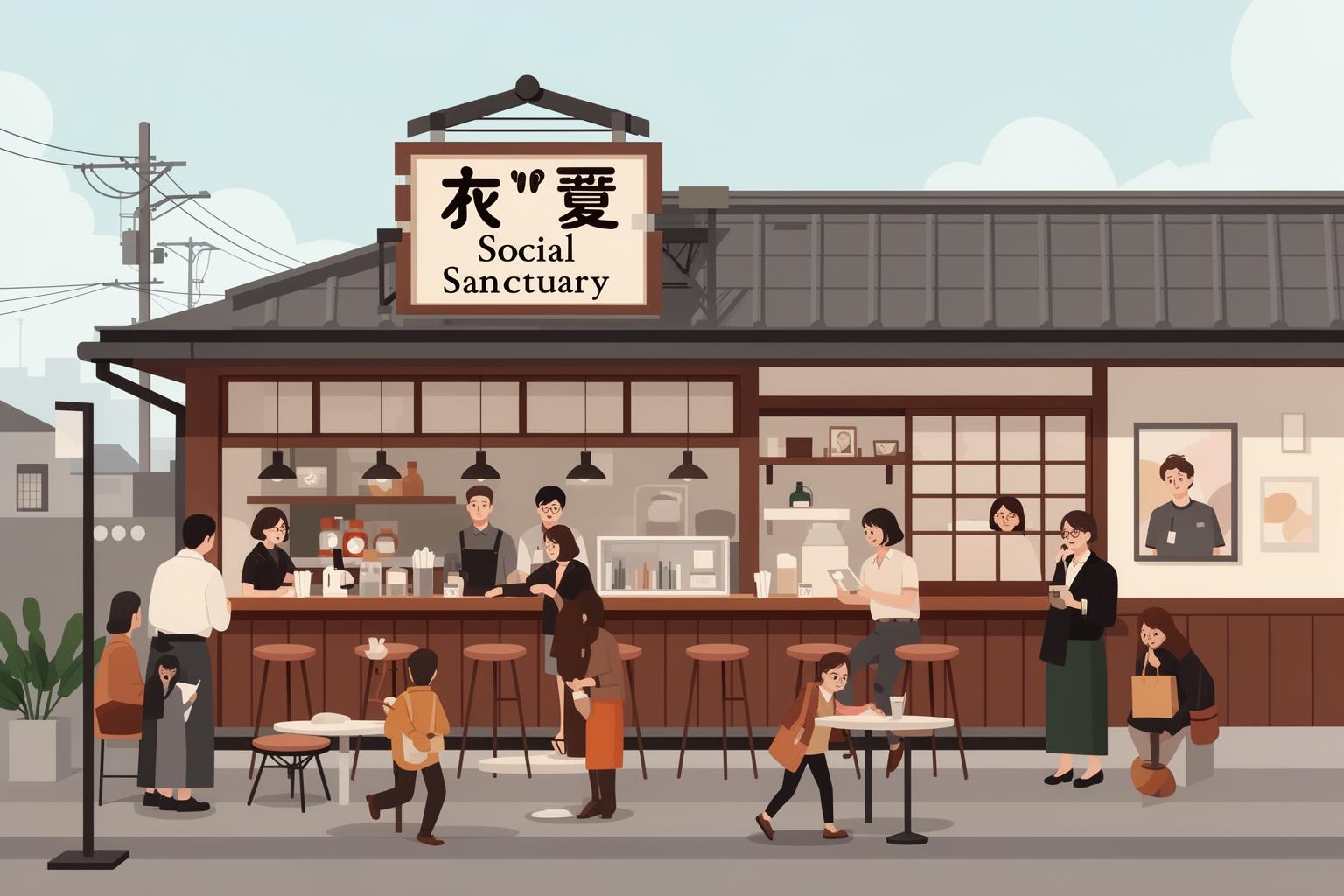
To truly appreciate the kissaten, it is essential to understand the significant role it once held in Japanese society. Before global coffee chains became widespread, these establishments served as the crucial “third places,” important gathering spots situated between the formality of the office and the privacy of the home.
The Pre-Starbucks “Third Place”
For many years, the kissaten functioned as an unofficial extension of both the Japanese workplace and living room. Salarymen in suits would conduct discreet business discussions in the quiet nooks of a smoky cafe, closing deals over dark coffee. Budding novelists and manga artists often settled into a booth for hours, treating the space as their personal studio, fueled by caffeine and the room’s calm energy. In a time when homes were smaller and walls thinner, the kissaten provided neutral ground for dates, serious talks between friends, or secret meetings. It was a versatile, multipurpose social venue that adapted to its patrons’ needs, offering a semi-private retreat amid the bustling city.
A Refuge for Solitude
Today, perhaps the most important role of the kissaten is as a sanctuary for solitude. In a culture that highly values the group, the kissaten offers an acceptable environment for being alone. It’s one of the rare places where you can sit with a book for three hours after purchasing a single 500-yen coffee without receiving a disapproving glance. The staff expect you to stay. The price of the coffee includes a seat rental and the right to remain undisturbed. This sharply contrasts with modern cafes, which are often designed for rapid turnover. The common absence of Wi-Fi is intentional, not a drawback. It breaks the digital connection, gently encouraging you to focus on your thoughts, the book you’re reading, or the quiet atmosphere surrounding you. It’s a refuge for reflection, a space to reset and recharge away from the constant notifications and pressures of contemporary life.
Finding Your Own Time Capsule
While these precious time capsules are gradually vanishing, they still exist, hidden in plain sight. Discovering and savoring one is among the most fulfilling experiences you can have in Japan, providing a glimpse into the country’s essence that no guidebook can offer.
How to Spot One
Stay alert, especially near older train stations, tucked-away alleys in business districts, and inside covered shopping arcades (shōtengai). Look for signs of age. The name may be displayed in elegant English script or vintage katakana on a backlit sign. The plastic food models in the window are a classic giveaway. Watch for heavy, dark wooden doors, stained-glass details, and an interior that looks dim and shadowy from the outside. If you glance inside and see an elderly Master behind the counter, dark wood paneling, and customers quietly reading newspapers, you’ve probably found an authentic one. Trust your intuition; they have a distinct feeling from the moment you see them.
Kissaten Etiquette: The Unspoken Rules
Once inside, the key is to honor the established ambiance. This isn’t a place for loud conversations or phone calls; speak softly and respectfully. Be ready for the presence of cigarette smoke, as many older establishments still allow it. The most important rule is to relax. Don’t hurry. The entire experience is meant to counteract haste. Take your time reading the menu, enjoying your coffee, and absorbing the room’s details. It’s expected that each person orders at least one item, but after that, you can occupy the table for a considerate amount of time. Don’t hesitate to sit at the counter, where you can watch the Master quietly work their craft. It’s a gesture of appreciation for their skill. A simple nod and a soft “Gochisousama deshita” (Thank you for the meal) when you leave is all that’s required.
The Fading Glow: Why Kissaten Matter Now
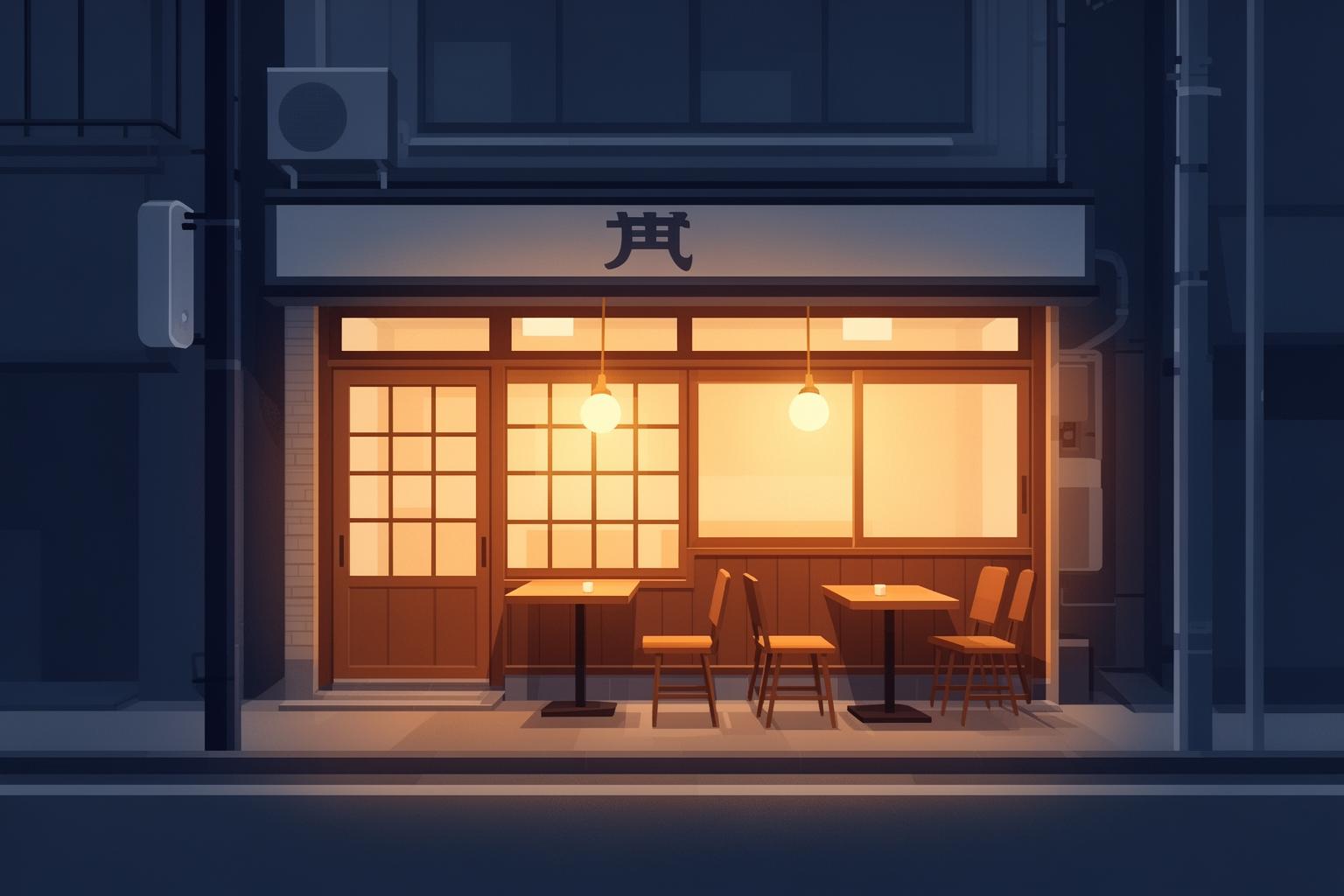
Many kissaten are still run by the same Master who opened them fifty years ago. As that generation grows older and retires, there is often no one to succeed them. Their children have chosen different career paths, and the financial challenges of operating a small, independent coffee shop amid high rents and fierce chain competition are harsh. With each closure, a city loses more than just a business; it loses a living archive of its cultural heritage.
These spaces are priceless. They physically embody the values of a different era: patience, craftsmanship, and the significance of taking a moment for quiet reflection. Visiting a kissaten is not merely a retro-themed novelty. It is an act of cultural preservation. It offers a chance to engage in a slower, more intentional way of life, to experience the ‘time-capsule Zen’ that provides a profound and essential contrast to the outside world. In their quiet, steadfast resistance to change, these beautiful, fading cafes remind us that sometimes, the most radical act is simply to sit still.