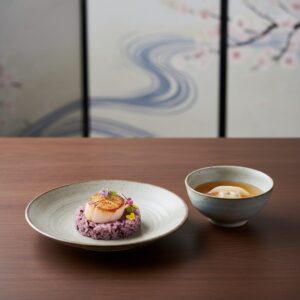
In the deep, snow-heavy parts of rural Japan, winter doesn’t so much end as it reluctantly dissolves. The world, muffled for months under a thick blanket of white, begins to drip. The sharp, clean scent of melting snow and damp earth fills the air. It’s a quiet, gradual awakening, far from the explosive, candy-colored arrival of cherry blossoms that defines spring for most of the world. Here, in the mountains, the first true signal of the thaw isn’t seen, but tasted. And it tastes profoundly, invigoratingly bitter.
This is the world of sansai, or wild mountain vegetables. Forget the perfectly uniform carrots and cucumbers of the supermarket; these are the unruly, untamed greens that push their way through the last patches of snow. They are foraged, not farmed, appearing for a fleeting moment each year on mountainsides and in damp forest clearings. And for those who know, their arrival is a cause for genuine celebration. You might wonder why anyone would eagerly anticipate eating something known for its astringency, its sharp and sometimes aggressive bite. In a culinary culture celebrated for its delicate balance and subtle umami, the embrace of bitterness seems like a contradiction.
But that bitterness isn’t a flaw to be masked; it’s the entire point. It is the taste of dormancy ending, of potent life stirring in the cold soil. Eating the first sansai of the year is more than a meal; it’s a ritual. It’s a way of physically consuming the changing of the seasons, of shaking off the sluggishness of winter and resetting your body with the earth’s own potent medicine. This isn’t just food. It’s a dialogue with the landscape, an edible calendar marking the true, unvarnished beginning of spring.
The transformative arrival of sansai not only reawakens Japan’s palette but also mirrors the refined attention to detail in Japanese sampuru artistry, where every meticulously crafted display celebrates nature’s inherent beauty.
The Wild Pantry: What Exactly Are Sansai?
To grasp the significance of sansai, it’s crucial to differentiate them from their cultivated counterparts, yasai (野菜), the typical vegetables you find in any grocery store. While yasai are consistent, dependable, and available year-round due to modern agriculture, sansai (山菜) are quite the opposite. The characters themselves mean “mountain” (山) and “vegetable” (菜), and these greens are defined by their wild nature, seasonality, and strong ties to specific locales.
They embody ephemeral eating. Each variety has a fleeting availability window, sometimes lasting only a week or two in a certain region. This rarity elevates them from mere food to a precious, transient treasure. The act of gathering them is also part of their identity. Foraging, known as sansai-tori, is a cherished tradition, a form of active meditation requiring patience, knowledge, and deep respect for the mountain environment.
Though hundreds of varieties exist throughout Japan, a handful of iconic types stand as the heralds of the spring season.
Fukinoto: The First Sign of Spring
Often the earliest to appear, fukinoto (蕗の薹), or giant butterbur scape, represents the quintessential flavor of early spring. It emerges from frozen ground as a tightly closed, pale green bud with an almost alien appearance. Its flavor is an intense wave of bitterness, highly aromatic and floral. While challenging, it is deeply revered. Eating fukinoto means tasting the very first, most concentrated burst of life after winter’s long dormancy. It’s most famously prepared as fukinoto miso, a condiment where minced buds are cooked with sweet miso, creating a complex paste that balances bitter, sweet, and savory. Spread on rice, it offers a sensory jolt that declares winter is truly over.
Kogomi and Taranome: The Forest Greens
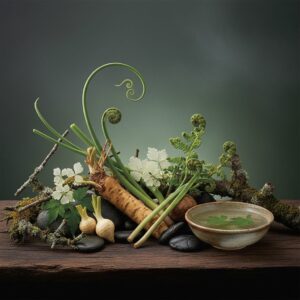
As spring advances, more favorites emerge. Kogomi (こごみ) are the tightly coiled fiddleheads of the ostrich fern, shaped in a perfect spiral symbolizing new growth. Their flavor is milder than fukinoto, with a pleasant, slightly glutinous texture and a taste reminiscent of asparagus and nutty greens. They serve as an accessible, delicious gateway sansai, often blanched and dressed simply with soy sauce or served in a sesame salad (goma-ae).
In contrast, taranome (タラの芽), the shoots of the Japanese angelica tree, are often called the “king of sansai.” These tender buds are collected from thorny branches, a task that demands care. Their flavor is rich and nutty with a moderate bitterness that unfolds when cooked. The best way to enjoy taranome is as tempura, where hot oil crisps the outer leaves while steaming the core, mellowing the bitterness into a refined, buttery taste. It’s a true delicacy.
Udo and Warabi: Earthy and Elusive
Udo (独活), sometimes referred to as mountain asparagus, is another prized wild vegetable. It’s a thick stalk, white or green depending on whether it was blanched or sun-exposed, boasting a crisp texture and a unique, resinous, almost pine-like aroma. It can be eaten raw in thin slices, simmered in dashi, or fried as tempura or kinpira (sautéed and seasoned). Its refreshing quality acts almost like a palate cleanser for the season.
Warabi (蕨), or bracken fern, is among the most widespread and popular sansai, but it comes with an important caveat. Raw warabi contains toxins and must be properly prepared through a process called aku-nuki, which will be discussed shortly. Once processed, its slightly slimy texture and mild, earthy taste make it a wonderful ingredient in simmered dishes, mixed with rice, or simply served as o-hitashi, blanched and steeped in a light dashi broth.
These examples are just a few stars from a vast constellation of wild edibles. Each carries the distinctive flavors of the soil, water, and air where it grew, providing a direct, edible link to the Japanese wilderness.
The Philosophy of Bitterness: Taming the Wild with Aku-nuki
The central paradox of sansai lies in their bitterness. In Japanese cuisine, this sharp quality is referred to as aku (アク). It’s a nuanced term that covers not only bitterness but also astringency, acridness, and any overpowering trait that renders an ingredient unpleasant in its raw state. Instead of discarding these ingredients, Japanese culinary tradition evolved a refined set of techniques to soften them, a process called aku-nuki (アク抜き), or “removing the aku.”
This goes beyond merely improving flavor; it is a ritual of transformation. It reflects a philosophy that values even challenging elements and embraces the virtue of careful, patient preparation. These methods are often ancient, passed down through generations.
For many sansai, this involves parboiling, occasionally with a pinch of salt or rice bran. For sturdier greens like warabi or zenmai (royal fern), a more thorough approach is needed, usually soaking them overnight in water mixed with wood ash (aku itself, a different character but a poetic homonym). The alkalinity of the ash water neutralizes harsh compounds and toxins, making the vegetable both safe and delicious. It’s a form of rustic alchemy, transforming something potentially harmful into a nourishing delicacy.
However, the aim of aku-nuki is not to eliminate the bitterness entirely. It is to moderate it, smoothing its harsh edges until it becomes a pleasant and intriguing complexity. A touch of that wild bitterness must remain. That lingering bite is what enthusiasts treasure. It distinguishes a wild vegetable from its bland, cultivated counterpart. This controlled bitterness holds a deeper, almost medicinal significance.
Traditional wisdom asserts that the bitter compounds in sansai serve as an essential tonic for a body emerging from winter. During the cold season, diets typically consisted of rice, pickles, and preserved foods. The arrival of sansai was seen as a natural way to “awaken” the digestive system, purify the blood, and dispel the sluggishness accumulated throughout winter. The bitterness stimulates the palate and metabolism, providing a gentle shock that signals the body to prepare for the more active, vibrant seasons ahead. This folk knowledge is now supported by science, which identifies many of these bitter compounds as polyphenols and other antioxidants with real health benefits. Eating sansai is, essentially, a seasonal cleanse prescribed by nature itself.
A Taste of Place: Terroir and the Poetics of Impermanence

To understand the Japanese concept of terroir, look no further than sansai. A fiddlehead fern harvested from a sun-dappled slope in Nagano will have a distinctly different taste than one gathered from the misty mountains of Yamagata. The unique mineral makeup of the soil, the purity of the snowmelt nourishing its roots, and the specific microclimate all shape its final flavor. Eating sansai offers the most direct way to savor a landscape. It’s a hyperlocal experience that cannot be duplicated or mass-produced.
This deep connection to place is heightened by an equally strong connection to time. The season for each wild vegetable is brief, a fleeting moment that can easily be missed. This transience is key to its charm. It resonates with a profound Japanese aesthetic sensibility, often referred to as mono no aware (物の哀れ), a tender sadness or appreciation for life’s impermanence. The allure of cherry blossoms lies in the fact that their petals fall within a week. The same holds true for sansai. Their value is directly tied to their fleeting existence.
You won’t find taranome tempura in August, nor fresh kogomi in November. This strict seasonality fosters a unique relationship with food. It invites you to be present, notice the subtle changes in nature, and relish what is available in the moment. In a world of year-round strawberries and global supply chains, the sansai calendar serves as an anchor. It reminds us that some things are worth waiting for, and their worth is deeply connected to that anticipation. This eagerness grows through winter, making the first bite of bitter greens a profoundly satisfying and grateful experience.
The Ritual on the Plate: Welcoming Spring into the Home
The preparation and consumption of sansai are rituals that bring the energy of the newly awakened mountains into the home. Although there are countless regional recipes, a few classic methods highlight the vegetables’ distinct qualities and emphasize the culinary philosophy of balance.
Tempura: A Crispy Celebration
Frying in a light, crisp batter is perhaps the most festive way to enjoy sansai. Tempura serves as an ideal medium for the more bitter varieties like taranome and fukinoto. The quick, high heat of the oil softens the bitterness, transforming it into a complex, savory flavor while perfectly preserving the vegetable’s aroma and texture. A plate of assorted sansai tempura is a feast for both the eyes and the palate—a beautiful, edible snapshot of the early spring mountainside.
Aemono: The Art of Dressing
Aemono, or dressed dishes, are another fundamental aspect of sansai preparation. Blanched vegetables are mixed with a variety of seasoning blends that complement and balance their wild flavors. A classic example is goma-ae, a dressing made from ground sesame seeds, soy sauce, and a touch of sugar. The rich, nutty sweetness of sesame provides the perfect counterpoint to the bitterness of greens like kogomi. Other dressings may include miso, vinegar, or tofu, each carefully chosen to harmonize with a specific vegetable’s character.
O-hitashi: Pure and Simple
For the purest expression of a vegetable’s flavor, there is o-hitashi. The sansai are simply blanched, squeezed of excess water, and steeped in a chilled broth of dashi and soy sauce (tsuyu). This minimalist method allows the subtle nuances of the vegetable—its unique aroma, texture, and gentle bitterness—to take center stage. It’s a clean, elegant preparation that reflects a deep confidence in the quality of the ingredient itself.
Gohan and Shiru: Infusing the Staples
Finally, sansai are often incorporated directly into the foundational elements of a Japanese meal: rice and soup. Sansai gohan is a simple yet deeply flavorful dish where freshly foraged greens are steamed with rice, infusing every grain with their earthy aroma. Similarly, adding freshly chopped sansai to a bowl of miso soup (miso-shiru) adds a seasonal fragrance and a welcome bitter note that elevates the humble soup into a celebration of spring.
Through these preparations, the wildness of the mountain is respectfully brought to the table. The meal becomes a communal act of welcoming the season’s arrival, a shared experience that connects family and friends to the natural cycles of the land around them.
A Bridge to the Past

In modern urban Japan, many have lost a direct connection to foraging and wild foods, making it feel abstract. Yet, sansai culture continues to serve as a vital link to a more self-sufficient past. The knowledge of which plants are edible, where to find them, and how to prepare them is cultural heritage passed down from grandparent to grandchild—a living archive of folk wisdom that predates industrial agriculture.
For city residents, receiving a box of sansai from a relative in the countryside (inaka) is more than just a food gift. It is a care package filled with nostalgia and authenticity. It offers a taste of a hometown (furusato), a reminder of the mountains and forests from which their family originates. In this sense, the bitterness is not merely a flavor; it is the taste of memory, of a landscape that remains wild and real.
Choosing to seek out and eat these challenging, fleeting, and slightly risky plants is an act of resistance against the homogenization of modern food culture. It represents a conscious decision to engage with food that carries a story, a strong sense of place, and a unique perspective. It acknowledges that not all nourishment is easy or sweet, and that some of the most profound flavors are those that challenge us.
The next time you encounter the bitterness in Japanese cuisine, especially during spring, remember that it is intentional. It is neither an accident nor a flaw. It is a deliberate and cherished flavor symbolizing resilience and renewal. It is the sharp, clean, and invigorating taste of snowmelt running over cold stones, of determined green shoots breaking through the earth. It is the uncompromising flavor of life returning—the true taste of spring.