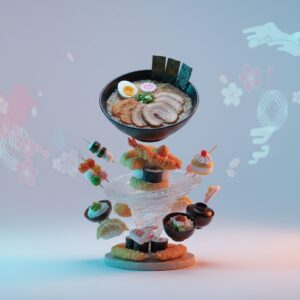
The night has been a good one. It began in a loud, smoky izakaya, a blur of shared plates, clinking glasses, and rising laughter. From there, it migrated to a quiet, wood-paneled bar for a meticulously crafted cocktail, the kind of place where the ice is carved by hand and the silence between conversations feels comfortable. It’s now past midnight in a bustling Japanese city, the trains have stopped running, and the neon signs bleed onto the wet pavement. A familiar, almost primal urge begins to surface within the group. It’s time for the shime. The final act. For decades, the script for this moment has been immutable. The destination was always a tiny, steamy shop, hunched over a counter, awaiting a steaming bowl of ramen. That rich, fatty, salt-heavy broth was the traditional final punctuation mark on a long night of drinking. It was the anchor, the gut-punch of satisfaction designed to soak up the alcohol and send you stumbling home, sated and sleepy.
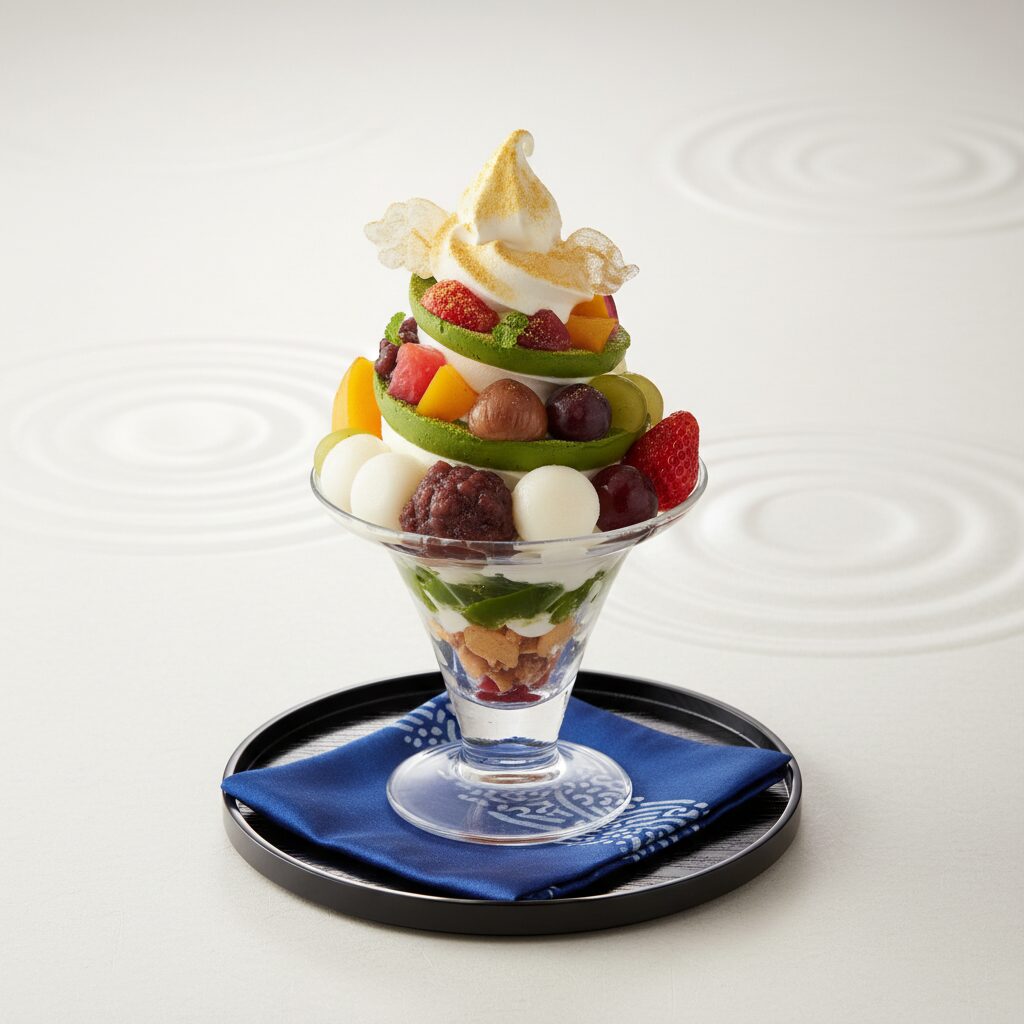
But tonight, someone suggests something different. Something radical. Instead of ramen, they say, let’s get parfait. The suggestion hangs in the air, a sweet heresy. A parfait? Not a simple ice cream cone, but a towering, architectural masterpiece of cream, fruit, cake, and sauce, served in a tall, elegant glass. This isn’t a childish whim; it’s a proposal to participate in one of Japan’s most fascinating and delicious modern culinary rituals: the shime parfait, or “closing parfait.” What started as a regional quirk in the northern city of Sapporo has quietly swept across the nation, offering a sophisticated, sweet, and decidedly stylish alternative to the savory slurp of noodles. It’s a trend that says more about the evolution of Japanese nightlife, social spaces, and even gender dynamics than a simple dessert ever should. Why are so many people trading the hearty, masculine embrace of tonkotsu ramen for the delicate, artful allure of a fruit-topped parfait to end their night? The answer is a delightful collision of culture, chemistry, and craft.
This modern twist on the classic shime invites a broader reconsideration of culinary art in Japan, much like the unexpected insights uncovered in Japan’s fake food culture, which reveal deeper layers beneath the surface of traditional dining rituals.
The Sacred Rite of the ‘Shime’

To grasp the significance of the parfait’s challenge, you first need to understand what it faces. The concept of shime (締め) is deeply woven into the fabric of Japanese social life. It means “to close” or “to tighten,” and in the context of a meal or an evening out, it refers to the final dish that brings everything to a satisfying close. After a multi-course meal, it might be a small bowl of rice and pickles. After an evening of drinking, it has almost always been ramen.
The shime ramen is more than just a dish; it’s a ritual. The experience engages the senses fully. You slide open the door to a tiny ramen-ya, and a wall of steam and savory aroma envelops you. The space is often tight, seating around ten people along a well-worn wooden counter. The master, a quiet, focused presence, moves with deliberate economy, dunking noodles, pouring broth, and arranging toppings with practiced skill. The soundtrack isn’t conversation, but the rhythmic slurping of noodles, the sizzle of the grill, and the gruff commands from the staff.
It’s essentially a solitary pleasure, even when you’re with friends. Each person leans over their own bowl, immersed in a private universe of flavor. The broth is the centerpiece—a rich, often fatty elixir simmered for hours, sometimes days. It delivers a bold, unmistakable taste designed to cut through the haze of alcohol. The salt replaces what the beer has depleted. The carbs offer a comforting heft. It’s practical, efficient, and deeply satisfying. The shime ramen doesn’t just conclude the night; it masters it, bringing it to a decisive end with a knockout punch of umami and fat. It’s the culinary equivalent of a firm, final handshake, a clear and resolute conclusion to the festivities. For a long time, its dominance was unquestioned.
A Challenger from the North
As is often the case, the revolution began far from the center. The shime parfait originated in Sapporo, the capital of Japan’s northernmost island, Hokkaido. At first glance, it seems an unlikely place for a cold dessert to become a nightlife staple. Yet, it makes perfect sense. Hokkaido is Japan’s dairy heartland, famed for its rich, high-quality milk, cream, and butter. It’s a place where ice cream is not merely a treat but a source of regional pride.
According to local legend, the trend started to emerge in the 1980s but only truly took off in the 2000s. Bar owners and restaurateurs in Susukino, Sapporo’s vast entertainment district, noticed a pattern: after eating and drinking, customers would wander off seeking something sweet. Why not offer it themselves, and make it special? They began crafting elaborate, adult-oriented parfaits designed to be the perfect grand finale to an evening. These were not the simple sundaes found in family restaurants but complex, layered creations often featuring seasonal fruits, sophisticated sauces, and even a splash of liqueur.
For years, it remained a cherished local secret, a unique element of Sapporo’s culture. But then, like many great regional ideas, word spread. Social media played a huge role. A photo of a beautifully constructed Sapporo shime parfait is far more shareable than a murky bowl of ramen. The vibrant, artistic images spread rapidly. Soon, specialty shops began opening in Tokyo, Osaka, and other major cities, explicitly branding themselves as destinations for late-night parfait indulgence. The regional quirk had officially gone national, staking its claim in territory once dominated by noodles.
The Anatomy of a Midnight Masterpiece
Calling a shime parfait merely “ice cream” is like referring to a Bugatti simply as “a car.” It fundamentally overlooks the artistry and intention behind it. These are edible sculptures, carefully crafted from the bottom of the glass to the final garnish. Each one offers a journey through varying textures and temperatures, a thoughtfully choreographed symphony of flavor.
Typically, the construction begins with a base layer—perhaps panna cotta, coffee jelly, or fruit compote. Next is a crunchy element, such as granola, crumbled cookies, or toasted nuts. This is followed by sponge cake or delicate tuiles that absorb the melting cream. Then come the main players: scoops of house-made ice cream or gelato. The flavors span from classics like Hokkaido milk, matcha, and rich chocolate to more daring choices such as pistachio, black sesame, or gorgonzola.
Then the artistry unfolds. Fresh, seasonal fruit is arranged with the precision of a floral arrangement. In spring, it’s perfect strawberries and sakura-flavored mochi. Summer brings sweet melon, juicy peaches, or cascades of mango. Autumn offers roasted chestnuts and figs. These fruits aren’t merely decorative; they embody the soul of the parfait, reflecting the Japanese culinary reverence for seasonality (shun). Finally, the entire creation is topped with fresh whipped cream, delicate spun sugar, or a drizzle of complex sauce. Occasionally, a shot of liqueur is served alongside, intended to be poured over the parfait, adding another layer of refined sophistication. The end result is a dessert as visually stunning as it is delicious—a perfect finale to an evening.
More Than Just a Sweet Tooth

The explosive popularity of the shime parfait can’t be attributed simply to a craving for sugar. It reflects deeper changes in how people choose to spend their time, money, and social energy. It offers a fundamentally different way to end the night, one that resonates more with modern sensibilities.
A Space for Conversation
Recall the ramen shop: it’s a place defined by speed and efficiency. You order, eat, and leave. The atmosphere is filled with the sounds of cooking and slurping, rather than conversation. The environment is utilitarian, often feeling like a male-dominated canteen. In contrast, a late-night parfait parlor is designed for lingering. The decor is stylish and cozy, with soft lighting and comfortable seating. The music plays quietly. It’s a space that feels welcoming and safe, especially for women, who are a key driving force behind the trend.
Here, the night doesn’t end abruptly but winds down gently. You can sit with friends for another hour, chatting over your beautiful desserts. The parfait becomes a focal point for conversation, a shared experience to be enjoyed and savored. In an era where the experience itself is the product, the parfait shop presents a far more appealing final chapter to the evening than a cramped noodle bar. It’s also undeniably photogenic. Capturing and sharing the visually stunning creation online is part of the ritual, extending the memory of the night out.
The Gospel of ‘Betobara’
There is a wonderful Japanese concept called betobara (別腹), meaning “separate stomach.” It’s the common, deeply held belief that no matter how full you are from a savory meal, there is always a dedicated space reserved for dessert. It’s the cultural license that justifies what might otherwise seem like an extravagant indulgence. A massive bowl of ramen after a full dinner? Hard to justify. A towering, beautiful parfait? That’s for the betobara. It doesn’t count.
This mindset is key to understanding the shime parfait phenomenon. It’s not regarded as just more food, but as a different kind of satisfaction altogether. It fulfills a separate desire. While ramen aims to satisfy the physical hunger, the parfait caters to an emotional and aesthetic craving. It’s a treat, a reward, a moment of pure, unfiltered pleasure that follows a different logic than the main meal. It’s the ultimate expression of the betobara philosophy, elevated to a late-night art form.
A Gentler Landing
Finally, there’s the simple question of how it makes you feel. A bowl of shime ramen can be quite heavy. The rich, fatty broth and dense noodles settle in your stomach like a warm stone. It’s comforting, but can also leave you feeling sluggish and overstuffed—a food coma that precedes a hangover. It’s a blunt way to end the night.
A parfait offers a completely different physical experience. It’s cold, which feels refreshing after hours in a warm, crowded bar. It’s sweet, providing a quick, pleasant burst of energy. While indulgent, it often feels lighter than a bowl of greasy ramen, especially when it features fresh fruit and delicate creams. It’s a gentle, effervescent conclusion to the evening, rather than a heavy finale. It’s a soft landing instead of a crash. This preference for a lighter, more refreshing finish reflects a broader wellness-conscious trend, even at the end of a night of indulgence.
The Future of the Final Course
Is the reign of shime ramen truly over? Far from it. The unassuming bowl of noodles is a cultural fixture, a culinary emblem that will never fade away. It continues to be the favorite for many, its charm enduring and strong. However, its exclusive hold on the late-night ritual has been challenged.
The emergence of the shime parfait represents not a replacement, but an expansion. It reveals a Japan with more refined tastes, featuring a nightlife culture that is increasingly inclusive and focused on experiences. It reflects a world where there isn’t a single correct way to end the night. Now, you have a choice. Do you prefer the comforting, savory finale of the past, or the graceful, sweet conclusion of today? That choice itself is a new form of luxury. The fact that a late-night dessert can reveal so much about a country’s evolving social landscape highlights the power of food as a cultural narrative. And in this story, the final scene is becoming sweeter with each passing day.