Walk into the basement of any major Japanese department store, and you’ll find yourself in a world that dismantles every notion you have about “mall food.” Forget greasy food courts with sticky tables and buzzing fluorescent lights. This is the depachika, a sprawling, brilliantly lit universe of culinary perfection. It’s a place where melons costing hundreds of dollars rest on velvet cushions, where pickles are arranged with the precision of a Zen garden, and where queues form for a single, exquisitely crafted cream puff. For the uninitiated visitor, the scene is a sensory overload—dazzling, confusing, and utterly intoxicating. It’s easy to dismiss it as just a fancy grocery store, but that would be like calling a cathedral just a big building. The depachika is something far more profound. It’s a living museum of Japanese culinary arts, a bustling stage for social rituals, and arguably the most accessible place to understand the core principles that govern Japanese society: quality, presentation, and social obligation. To understand the depachika is to understand a fundamental piece of Japan itself.
For those seeking further insights into Japan’s culinary innovation, exploring hidden food halls reveals another captivating layer of gourmet artistry.
A Sanctuary Below the Surface
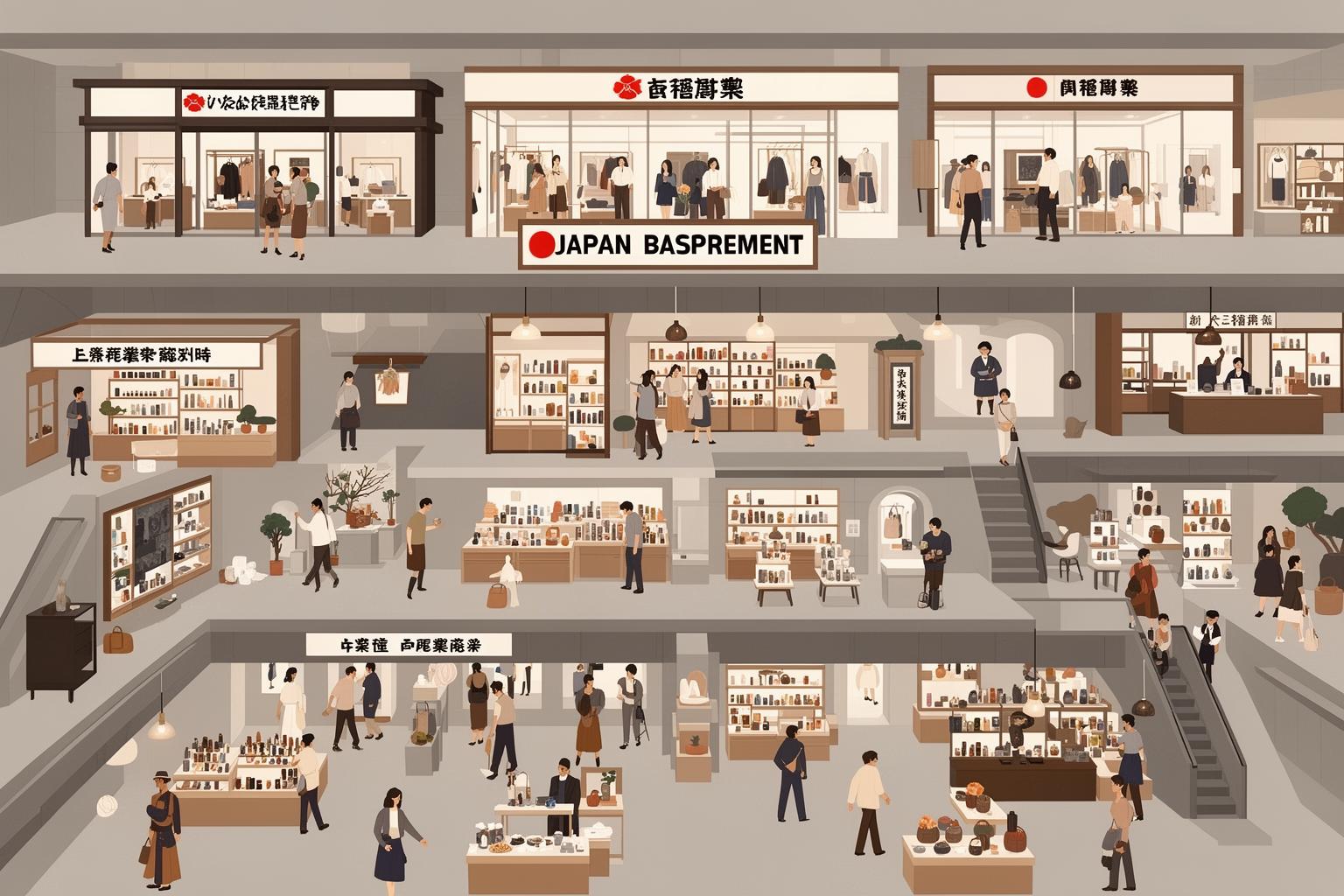
The name itself is a straightforward portmanteau: depāto (department store) and chika (basement). However, its location is deliberate. In Japan, major department stores are almost always integrated with key train and subway stations, making them essential hubs of daily life. Situating the food hall in the basement provides millions of commuters with direct, seamless access. It’s often the first thing they encounter after work and the last stop before heading home. This strategic placement elevates the depachika from a mere store section to a vital, integrated component of the urban landscape. It’s not a destination you go out of your way to visit; it’s a world you pass through and are tempted by every single day.
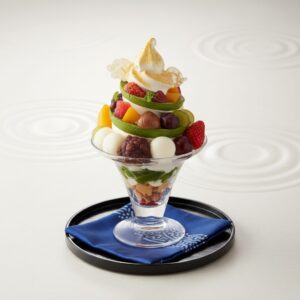
This is not a chaotic marketplace, though. It’s a carefully regulated ecosystem. Stroll through its aisles, and you’ll find clearly defined zones. There’s the wagashi section, featuring traditional Japanese sweets that vary with the seasons—fragile mochi in spring, translucent jellies in summer. Close by is the yōgashi section, celebrating Western-style patisseries, with rows of flawless shortcakes, mont blancs, and éclairs that often surpass their European counterparts in technical precision. Further in lies the savory core of the depachika: the sōzai counters. Here, a vibrant assortment of prepared foods—from glossy salads and savory croquettes to grilled fish and simmered vegetables—offers a way to assemble a multi-course, high-quality meal at home without ever turning on the stove. Entire sections are devoted to bento boxes, pickles (tsukemono), premium sake, and even an international selection of breads and cheeses. Each vendor, whether a centuries-old Kyoto confectioner or a trendy Tokyo patisserie, is a master of their craft. They are not merely sellers; they are custodians of their brand’s honor, working under the careful, curatorial oversight of the department store itself.
The Unspoken Rules of Giving
To truly understand why the depachika exists in its remarkable form, you need to appreciate Japan’s deeply rooted culture of gift-giving, or zōtō bunka. In many Western cultures, a gift is often a spontaneous expression of affection. In Japan, while it can be that, it also serves as an essential social lubricant, a sign of respect, and a reaffirmation of relationships. Specific gifts correspond to particular occasions, and the depachika is the primary venue for this social ritual.
Temiyage: The Visitor’s Offering
Arriving at someone’s home empty-handed is seen as bad manners. You are expected to bring a small gift, or temiyage, for your host. It doesn’t need to be extravagant, but it should be thoughtful. A box of cookies, a small cake, or some seasonal fruit are traditional choices. The important point is that the gift must be presentable and come from a place known for quality. You’re not just offering food; you’re giving a symbol of respect to the host. Choosing a beautifully boxed assortment of senbei rice crackers from a renowned producer at the Takashimaya depachika sends a very different message than grabbing a bag of chips from a convenience store. It shows you took the effort to pick something special. With its endless selection of elegantly packaged, high-quality items, the depachika reigns supreme as the source of temiyage.
Omiyage: The Traveler’s Proof
Related but distinct is omiyage. When you travel, whether for business or leisure, it is customary to bring back small gifts for family, friends, and colleagues. It’s a way of saying, “I was thinking of you during my trip.” Each region in Japan is known for its local specialties, or meibutsu, and the depachika in that region’s train station is often the most convenient place to find them all. These aren’t cheap souvenirs; they are typically beautifully packaged edible goods representing the best of the area. The pressure to bring back good omiyage for the office is significant, and the depachika serves as a one-stop-shop to fulfill this obligation with style and efficiency.
This culture of giving fuels the depachika’s meticulous attention to packaging. The wrapping is never an afterthought; it’s a vital part of the gift. Observe a depachika staff member. They wrap your purchase with focused, almost ceremonial precision. The box is selected, the item carefully placed inside, and it is wrapped in the store’s signature paper with impossibly sharp folds and perfectly aligned tape. This is then put into a branded paper bag, sometimes with an additional plastic cover to protect it from rain. This elaborate presentation honors both the product and the recipient, signaling that what lies within is special and that the giver has invested great care.
The Religion of Perfection
Beyond mere social obligation, the depachika embodies a deeply rooted Japanese aesthetic that cherishes perfection in form. Food is more than just nourishment; it is a form of art. This is evident wherever you look.
Food as Jewelry
In the fresh produce section, individual fruits are displayed like precious jewels. A single flawless mango might rest in a wooden box, cushioned by soft packing material. A bunch of grapes, each grape uniform in size and color, might be priced at what seems an extravagant amount to an outsider. These aren’t intended for ordinary lunchboxes; they are luxury gifts, symbols of great respect or gratitude, often presented to a boss, a doctor, or on a very special occasion. The depachika serves as a gallery for this edible artistry, showcasing the peak of Japanese agricultural craftsmanship. Perfect appearance guarantees perfect flavor.
This same concept applies to everything else. Bento boxes are not just assortments of food in a container; they are miniature, edible landscapes, with each element carefully selected for a harmonious balance of color, flavor, and texture, arranged with geometric precision. The rows of sōzai aren’t simply spooned into trays; they are artfully organized to be as visually enticing as possible. This visual feast is an essential part of the experience, stimulating the appetite and conveying a promise of quality even before the first bite.
The Department Store’s Honor
The quality of the depachika is inseparable from the reputation of the department store that houses it. Stores like Isetan, Mitsukoshi, and Takashimaya have been Japan’s arbiters of taste and luxury for over a century. Their brand represents a commitment to excellence, a promise that extends into their basement floors. They vigilantly protect their reputation, carefully vetting every vendor inside their premises. A small, family-run business securing a spot in a major depachika is considered a tremendous honor. For the consumer, this curated environment eliminates uncertainty. You can trust that everything you purchase there meets an exceptionally high standard, because the department store’s name is at stake.
The Daily Rituals
While the depachika is known as a center for special occasion gifts, it is also intricately woven into everyday life. It meets practical needs, yet always with a sense of ceremony and excitement.
The Evening Time Sale
If you visit any depachika around 7:00 PM, you’ll see a captivating transformation. The calm, elegant ambiance shifts to a polite, controlled bustle. This is the “time sale.” As closing time nears, vendors begin discounting their fresh, prepared foods to avoid waste. Staff stand on stools, rhythmically announcing new, lower prices. Shoppers who may have been browsing earlier now move with intention, eagerly grabbing high-end bento, sushi, and salads at a fraction of their original price. It’s a win-win: customers enjoy a delicious, gourmet dinner on the cheap, and vendors uphold their promise of offering only the freshest food each day. This nightly event embodies Japanese pragmatism and reverence for quality, all in one.
Shishoku: The Polite Sample
Many counters provide free samples, or shishoku. But this is not an all-you-can-eat buffet. It’s a quiet, courteous exchange. A vendor offers a small piece of their product on a toothpick or in a tiny cup. You accept it with a slight bow or a nod of thanks, taste it thoughtfully, and perhaps share a comment. Naturally, it’s a sales tactic, but also a gesture of confidence. Vendors are so proud of their product that they believe one taste will convince you of its quality. It’s a chance for customers to try something new without the risk of purchasing an entire package, nurturing a culture of discovery within the depachika.
Ultimately, the depachika is much more than the sum of its parts. It perfectly captures the Japanese gift for turning the ordinary into the extraordinary. It’s where the everyday need for a meal meets the social need for a thoughtful gift and the cultural appreciation for beauty. It’s a food hall, yes, but also a stage for social customs and a shrine to taste. It teaches you that in Japan, how you buy, present, and give food is as important as how it tastes. And in that lesson lies the secret to its magic—a delicious, dazzling, and deeply Japanese experience.