The air on a Shinkansen platform has a unique energy. It’s a clean, controlled hum of anticipation. You hear the whisper of arriving trains, the polite murmur of a waiting crowd, and the melodic chimes announcing departures. But beneath it all, there’s another, more personal ritual playing out. It’s the quiet rustle of plastic bags, the careful positioning of a rectangular box on a lap, the soft click of disposable chopsticks being separated. This is the prelude to one of Japan’s most cherished travel traditions: the ekiben.
To a first-time visitor, an ekiben—a portmanteau of eki (station) and bento (boxed lunch)—might look like just another meal. A convenient, pre-packaged option for a long journey. And it is convenient. But to dismiss it as mere sustenance is to miss the point entirely. In Japan, the ekiben is not just food; it’s the overture to the journey itself. It’s a tangible piece of regional identity, a marvel of culinary design, and a deeply ingrained cultural practice that transforms a simple train ride into a richer, more deliberate experience. So why did this seemingly humble station lunchbox become an essential, almost sacred, part of traveling the country? The answer is a story about Japan’s rapid modernization, its fierce regional pride, and its unparalleled genius for finding beauty and meaning in the details.
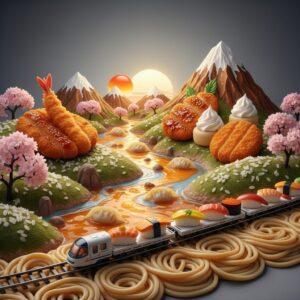
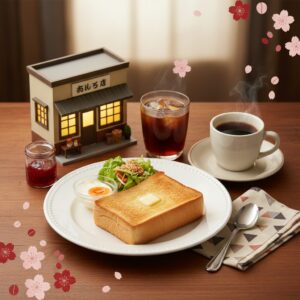
Both the time-honored ekiben ritual and the modern twist of Japanese convenience store cuisine exemplify the country’s remarkable ability to transform ordinary meals into profound cultural expressions.
A Moving Feast: The Birth of a Tradition
To understand the ekiben, you need to go back to the Meiji Era (1868-1912), a time of rapid, top-down modernization. Japan was opening its doors to the world and racing to build a modern nation. A central part of that infrastructure was the railway. As tracks stretched across the country for the first time, they linked cities and villages that had been isolated for centuries. However, these early train journeys were long and grueling. A trip that takes three hours on today’s bullet train could take an entire day or longer. Importantly, there were no dining cars.
Travelers grew hungry. A uniquely Japanese solution arose. In 1885, at Utsunomiya Station in Tochigi Prefecture, a local innkeeper came up with an idea. He started selling simple lunches to passengers through their open windows. The very first ekiben was refreshingly basic: two onigiri (rice balls) seasoned with sesame and salt, served with a few slices of bright yellow takuan (pickled daikon radish), all neatly wrapped in a bamboo sheath. It was affordable, clean, and perfectly suited for its purpose. No table or elaborate utensils were needed. It could be eaten with one hand if necessary, offering nourishment without creating a mess.
This simple innovation was revolutionary. It spread quickly. Stations throughout Japan began creating their own versions, spawning a new cottage industry and addressing a fundamental challenge of early train travel. The ekiben wasn’t created from a craving for gourmet food; it was born from practical necessity. But as the railway network grew and modernized, so too did the modest lunchbox it inspired. It was on the brink of transforming from a simple convenience into a powerful cultural symbol.
The Box as a Culinary Postcard
The true brilliance of the ekiben lies in how it became a symbol of regional identity. As the initial excitement of train travel faded, station vendors realized they were competing for the attention of a captive audience. The key to standing out was to stop offering generic lunchboxes and instead sell a taste of the local area. The ekiben evolved into a culinary ambassador, an edible postcard from the place you were passing through.
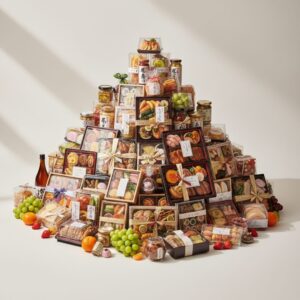
This is where the real excitement begins. Today, there are thousands of unique ekiben across Japan, each one a bold and delicious expression of local pride. The contents of each box are a carefully curated summary of a region’s most famous products and dishes.
Flavors of the North: Hokkaido’s Seafood Bounty
Traveling through Hokkaido, Japan’s northernmost island, the ekiben selection offers a dazzling tribute to the cold, rich waters that surround it. Forget simple rice balls; here you’ll find boxes brimming with jewels of the sea. At Sapporo or Hakodate Station, you might pick a kaisendon bento, showcasing glistening piles of salmon roe (ikura), sweet mounds of sea urchin (uni), and delicate slices of scallop and crabmeat artfully arranged over vinegared rice. It’s more than a meal; it’s a declaration of Hokkaido’s identity as Japan’s seafood paradise. Buying one is like tasting the region’s geography.
A Taste of Tradition: Sendai’s Beef Tongue
Heading south to Sendai, the largest city in the Tohoku region, the star ingredient shifts completely. Here, the undisputed highlight is gyutan, or grilled beef tongue. The city is renowned for it, and the local ekiben reflects this passion. A classic Sendai ekiben presents slices of expertly grilled, smoky beef tongue laid atop a bed of barley rice. It’s a rich, savory experience that speaks to the region’s culinary heritage. You are enjoying the city’s most iconic dish before you even leave the station.
Wrapped in History: Toyama’s Masuzushi
In some areas, the ekiben is not just a dish but a cultural artifact. A prime example is masuzushi from Toyama Prefecture, on the coast of the Sea of Japan. This isn’t a typical bento box. It’s a round, cake-like creation of pressed sushi featuring a layer of cured pink trout over tightly packed rice, wrapped in fragrant bamboo leaves and contained within a thin, circular wooden frame. The ritual of unwrapping and slicing it like a cake is part of the experience. It’s a recipe perfected over generations, and this ekiben form makes it portable—a piece of Toyama’s history you can carry with you.
Luxury on the Go: Mie’s Sukiyaki Bento
Ekiben can also highlight high-end, nationally renowned products. At stations in Mie Prefecture, for instance, you can find luxurious bentos featuring Matsusaka beef, one of Japan’s top three wagyu brands. Thin slices of exquisitely marbled beef are simmered in a sweet and savory sukiyaki sauce with tofu and vegetables, served over rice. This isn’t just lunch; it’s an accessible way to taste a world-class ingredient that would cost a fortune in a restaurant. The ekiben democratizes luxury, making it part of the everyday travel experience.
The Art of Containment: Design and the Unboxing Ritual
Just as important as the food inside is the experience of the box itself. The Japanese aesthetic of meticulous presentation finds its ideal expression in the ekiben. This is no flimsy plastic container; the packaging design is an essential part of the overall enjoyment.
Many ekiben come in beautiful, sturdy wooden or thick paper boxes, often decorated with elegant calligraphy and artwork depicting local landscapes. The act of untying the string and lifting the lid creates a moment of quiet anticipation. Inside, the meal is a work of art—a perfectly arranged landscape of colors, textures, and shapes. Everything is compartmentalized. A slice of grilled fish never touches the simmered vegetables. The pickles are tucked neatly into their own corner. This isn’t just for appearance; it ensures each component’s flavor stays distinct and pure until the moment you eat it. It’s a self-contained, harmonious world on your lap.
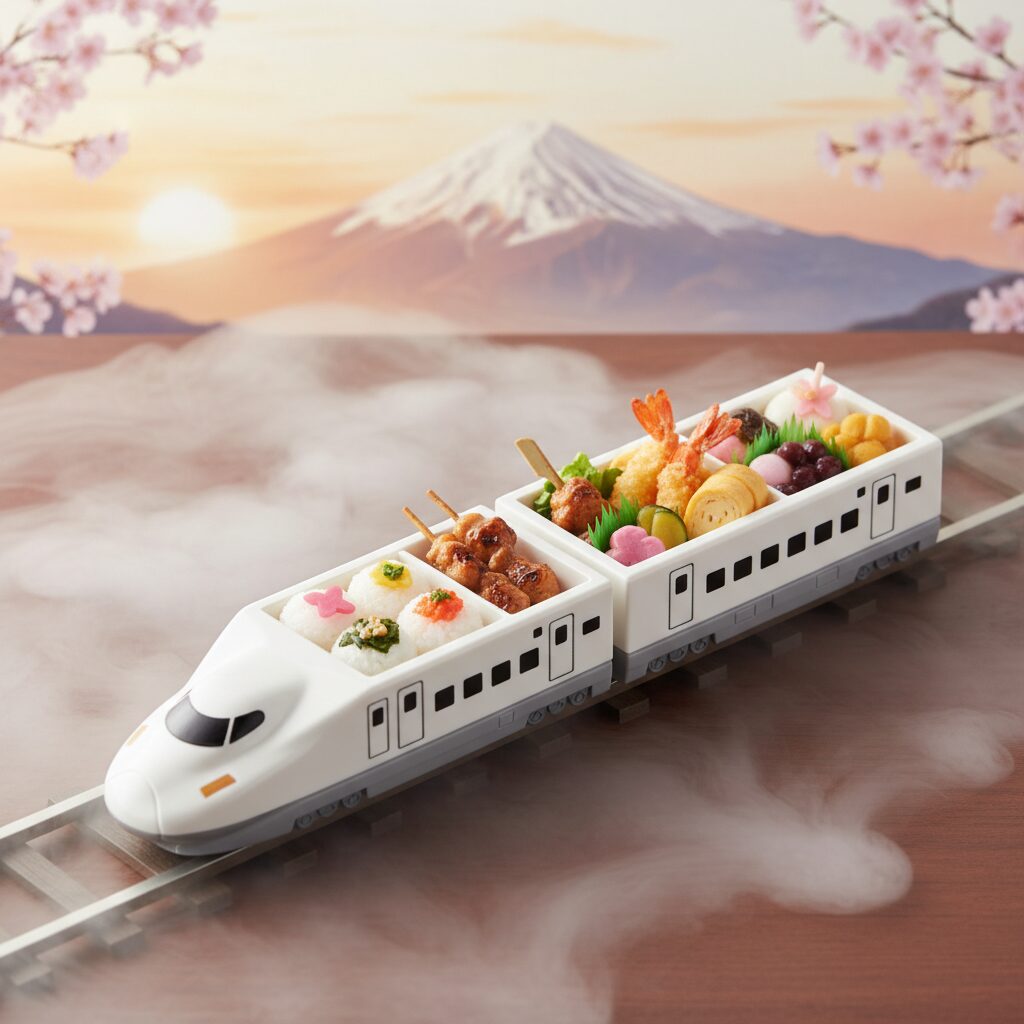
Some ekiben take this idea of containment even further, with novelty packaging that doubles as a souvenir. The Toge no Kamameshi from Yokokawa Station in Gunma is among the most famous. It’s a hot meal of rice cooked with chicken and seasonal vegetables, but its hallmark is being served in a rustic, reusable ceramic pot (kama). For over sixty years, travelers have purchased this ekiben, enjoyed the hearty meal, and then taken the little pot home. Likewise, ekiben for children are often sold in colorful plastic containers shaped like a Shinkansen train or a beloved anime character. The box is not disposable; it’s a keepsake.
This obsession with containment and presentation reflects a deeper cultural sensibility. The ekiben is a microcosm—a complete and perfect world in miniature. The care taken in its arrangement shows respect for the food, the producer, and the eater. It transforms the meal from a simple transaction into a thoughtful exchange.
More Than a Meal: Ekiben and the Psychology of Travel
Ultimately, the lasting appeal of the ekiben lies in its ritualistic nature. It fulfills a deep psychological role in the rhythm of travel. Purchasing an ekiben is the unmistakable gesture that marks the true beginning of the journey. The bustle of navigating the station, buying tickets, and finding your platform comes to an end. Once settled in your seat and the train pulls away, opening your ekiben becomes a moment of transition. It draws a clear boundary between the hectic departure and the peaceful journey ahead.
Within the anonymous, fleeting environment of a train car, the ekiben creates a small, personal space of comfort and enjoyment. It’s a chance to focus on yourself, savor flavors, and watch the scenery blur past your window. It acts as a form of quiet meditation. Unlike grabbing a stale sandwich and chips to eat as quickly as possible, the ekiben encourages you to slow down. The assortment of small dishes invites you to take your time, appreciating each element individually. It is a proper meal, with a distinct beginning, middle, and end.
For many Japanese people, the ekiben also carries a strong sense of nostalgia. It is tied to cherished memories: the thrill of a first family vacation, a school trip with friends, or the yearly visit to grandparents in the countryside. The taste of a specific ekiben can transport someone back in time, rekindling the same feelings of adventure and anticipation experienced as a child. It embodies comfort food in the fullest sense.
So, the next time you find yourself on a platform in Japan, surrounded by the dazzling display of ekiben vendors, take a moment to reflect on your choice. You are not just selecting lunch. You are choosing a story, a small piece of a region’s spirit, carefully packed and ready to accompany you. The ekiben stands as a testament to a culture that believes travel is not merely about moving from one place to another, but about savoring the journey itself. And there is no better way to do that than with a perfectly crafted world of flavor resting on your lap.