If you tell a friend from almost anywhere else in the world that you’re grabbing dinner from a convenience store, you’ll likely get a look of pity. The mind conjures images of sad, rotating hot dogs, dusty bags of chips, and coffee that tastes like burnt plastic. It’s a last resort, a place for fuel, not food. But in Japan, suggesting a meal from a konbini—the ubiquitous Japanese convenience store—elicits a completely different reaction: a nod of understanding, maybe a question about which new seasonal item you’re getting. Here, the convenience store is not a culinary wasteland. It is a sanctuary of surprisingly delicious, meticulously prepared, and incredibly fresh food. It’s a cornerstone of the national diet.
This isn’t an exaggeration for effect. The quality jump is so profound that it feels like a category error. We’re talking fluffy egg salad sandwiches that food critics genuinely praise, bento boxes with glistening grilled fish and perfectly cooked rice, and chilled soba noodles that are better than what you’d find in many casual restaurants abroad. So how did this happen? How did a retail model synonymous with junk food become a pillar of a food-obsessed nation? The answer has little to do with just selling snacks. It’s about a deeply ingrained cultural and logistical ecosystem built on a philosophy of relentless improvement, a respect for seasonality, and an almost telepathic understanding of the rhythms of modern life. To understand the Japanese konbini is to understand a crucial piece of Japan itself—a place where convenience and quality aren’t a trade-off, but a shared ambition.
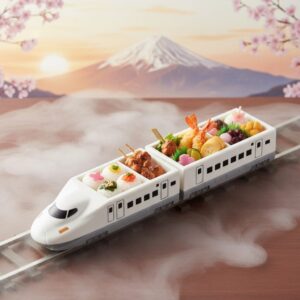
This same commitment to culinary excellence finds another expression in the world of ekiben, where carefully prepared bento boxes transform a routine train ride into a memorable dining experience.
The Holy Trinity: 7-Eleven, FamilyMart, and Lawson
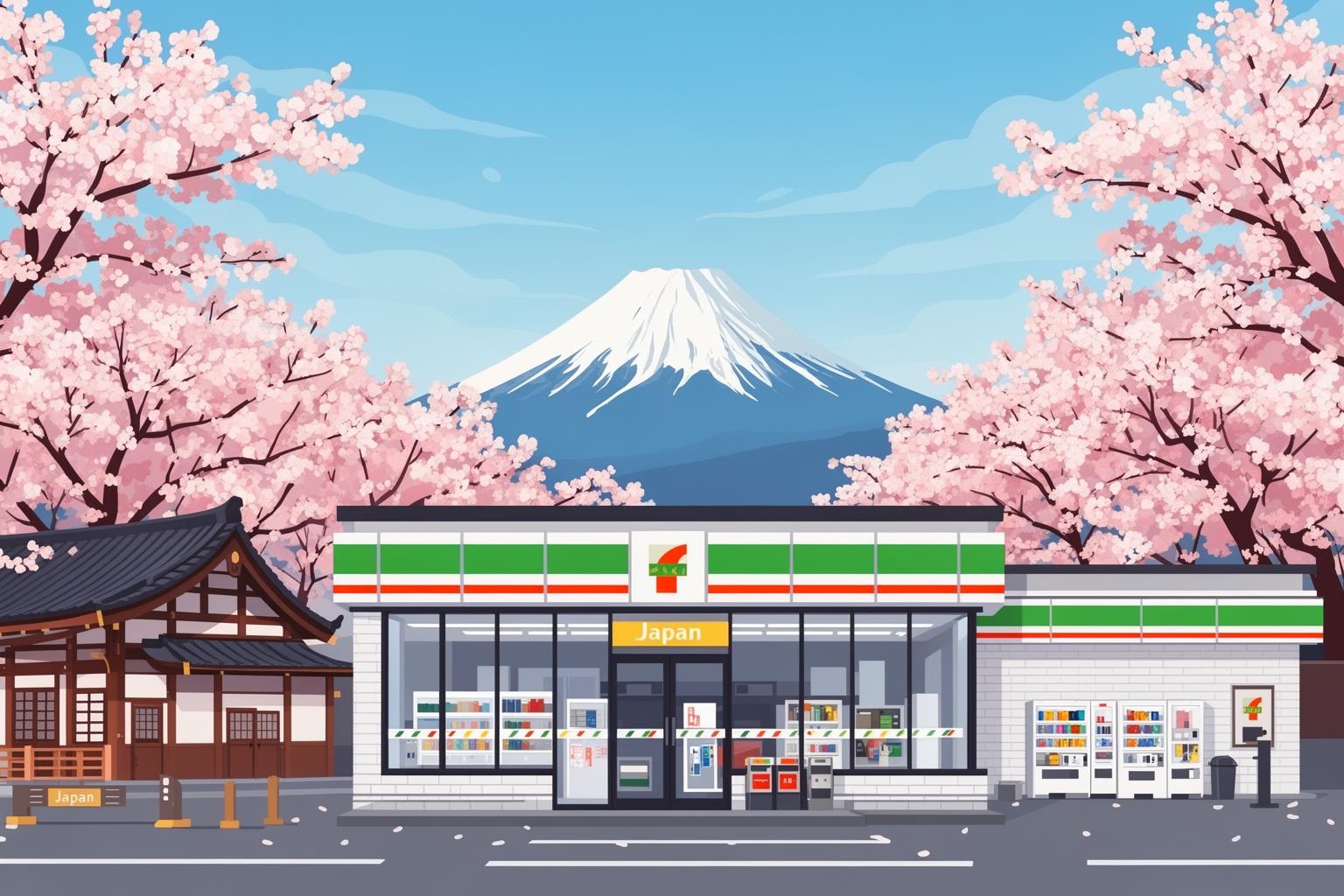
Stroll down any city street in Japan, and you’ll never be more than a few hundred meters away from the familiar glow of a konbini sign. While there are several chains, three giants dominate the scene: 7-Eleven, FamilyMart, and Lawson. To outsiders, they might seem interchangeable—bright lights, neat shelves, the welcoming chime upon entry. But to locals, each has a unique character and culinary specialty, inspiring a brand loyalty typically reserved for tech giants or fashion icons.
7-Eleven stands as the undisputed leader. It’s the oldest, largest, and often the most innovative. Their private label, “Seven Premium,” is synonymous with genuine quality, covering everything from pantry basics to surprisingly good frozen meals. They’re renowned for mastering the classics. Their tamago sando (egg salad sandwich) is legendary, a must-try for visiting chefs like David Chang. Their onigiri (rice balls) consistently impress, and their chilled noodles in summer are a welcome relief. 7-Eleven’s strength lies in its relentless consistency and ability to transform everyday food into something special.
FamilyMart, affectionately known as “FamiMa,” presents itself as the warm, community-friendly choice. Its culinary icon is the “FamiChiki,” a boneless, crispy, juicy fried chicken that has sparked a nationwide obsession. Waiting in the hot case near the register, it’s the perfect impulse buy and savory snack. Beyond the chicken, FamilyMart shines in osozai—prepared side dishes meant to complement home-cooked meals. Their offerings feel a bit more homestyle and comforting. They’ve also earned a devoted following for their rich, flavorful coffee and inventive range of sweets.
Lawson is the slightly more refined, health-conscious member of the trio. This is especially evident in its sub-brand, “Natural Lawson,” which features organic snacks, low-carb bread, and healthier bento options. Even standard Lawson stores have a reputation for being a bit more adventurous. They created “Kara-age Kun,” bite-sized fried chicken nuggets available in various rotating flavors, from classic soy to spicy red or cheese. Lawson also emphasizes premium sweets and collaborations with renowned dessert shops, making it a hotspot for those with a sweet tooth. Choosing among the three is a daily ritual for millions—a small decision that reflects personal taste, mood, and expectations for a quick, convenient meal.
Not Just Food, But a Philosophy of Freshness
The fundamental question remains: how is the food consistently so fresh and high-quality? The answer lies in a logistical and philosophical framework uniquely Japanese. It’s a system of systems—a behind-the-scenes ballet of production, delivery, and data that ensures the food on the shelf is at its absolute peak.
It begins with the delivery network. Unlike convenience stores elsewhere that might receive one or two deliveries weekly, Japanese konbini get multiple shipments every day. Key items like bento boxes, onigiri, and sandwiches are often delivered three times daily, through a system known as teion bento (low-temperature delivery). A fleet of temperature-controlled trucks ensures that food made just hours before is quickly transported to stores to align with main meal times: breakfast, lunch, and dinner. The onigiri you buy for lunch was likely prepared that very morning, not days earlier. This eliminates the need for heavy preservatives and allows the natural flavors of the ingredients to shine.
This system is a real-world implementation of the “Just-in-Time” (JIT) manufacturing principle famously pioneered by Toyota. Its goal is to minimize waste and maximize efficiency by producing and delivering only what is needed, exactly when it is needed. Store shelves aren’t vast warehouses; they are dynamic displays reflecting immediate demand. This efficiency is driven by a vast flow of data. Every purchase is scanned and analyzed at the Point of Sale (POS). This data informs headquarters not just about what sold, but when it sold, and to whom. It is used to predict demand with remarkable accuracy, even considering factors like weather (a hot day means higher cold noodle sales), local holidays, or nearby events.
At the core of all this is the cultural concept of kaizen, or continuous improvement. A recipe at a Japanese konbini is never truly finalized. Product development teams are continuously reformulating. The bread for sandwiches might be made slightly softer, the sauce for pasta tweaked with a new ingredient, or the ratio of filling to rice in an onigiri adjusted by a few grams. Customer feedback is consistently gathered and incorporated. That famous 7-Eleven egg sandwich? Its recipe reportedly updates several times a year to achieve an ever-more-perfect balance of creaminess, flavor, and texture. This is more than business; it’s a craft.
The Culinary Cornerstones of the Konbini
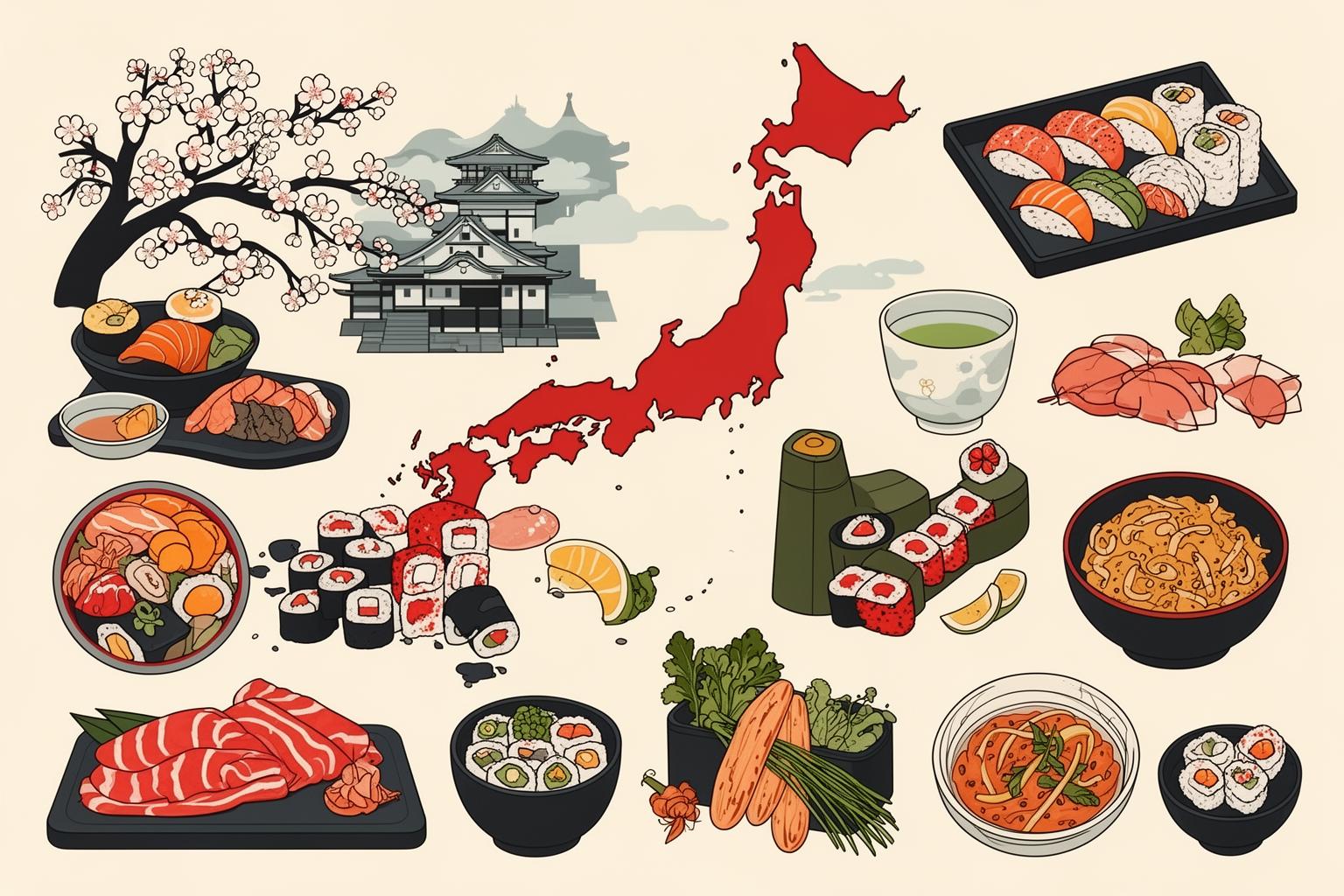
While the vast variety can be overwhelming, the konbini menu centers around a few iconic food categories. These are more than just products; they represent perfected archetypes of Japanese cuisine, adapted for contemporary life and crafted with remarkable care.
The Onigiri: A Handheld History
The onigiri is arguably the heart of the konbini. Often called a “rice ball,” this phrase does little justice to its elegance. It’s a portable, self-contained meal with a history spanning centuries, once eaten by samurai on the battlefield and farmers in the fields. The konbini’s brilliance wasn’t in creating the onigiri, but in perfecting how it’s delivered. They designed an ingenious three-step plastic wrapper that keeps the crisp sheet of nori (seaweed) separate from the moist, seasoned rice. The ritual of unwrapping it—pulling the central tab, then peeling back the sides to bring rice and nori together at the last moment—is a small moment of tactile pleasure, ensuring the seaweed stays crunchy instead of soggy. The fillings offer a tour of the Japanese pantry: savory grilled salmon, creamy tuna with Japanese mayonnaise, the sharp tang of pickled plum (umeboshi), or the rich savoriness of simmered kelp (kombu). It’s a complete, nuanced bite, all for about a dollar.
The Bento Box: A Balanced Universe
The bento is a foundational element of Japanese food culture: a complete, single-portion meal, thoughtfully arranged in a box. The konbini bento is the modern, accessible evolution of this tradition. It follows the core principle of a balanced meal: a base of rice, a main protein, and an assortment of colorful side dishes (okazu). These are far from the dull, monochromatic TV dinners familiar in the West. A typical konbini bento, like a tonkatsu (fried pork cutlet) bento, will include the main dish alongside a small serving of pasta salad, some pickled vegetables, and perhaps a tiny piece of tamagoyaki (rolled omelet), all neatly separated. There are countless variations, from hearty fried chicken (karaage) to delicate grilled mackerel, each offering a complete and satisfying meal. For millions of office workers, students, and anyone without the time or inclination to cook, the konbini bento is not a fallback; it’s a dependable, affordable, and surprisingly wholesome daily ritual.
Sandwiches and Baked Goods: The Western Canon, Perfected
Japan’s skill at adopting and arguably perfecting foreign food ideas shines brightly in the konbini’s sandwich and bakery sections. The Japanese sandwich, or sando, is a masterpiece. It begins with shokupan, a fluffy, slightly sweet white bread, with the crusts carefully removed. The fillings receive the same attentive treatment. The tamago sando is the star— a creamy, dreamy blend of mashed boiled eggs and high-quality Japanese mayonnaise (often the beloved Kewpie brand) that is deceptively simple yet irresistibly good. But the creativity extends beyond that. You’ll find savory katsu sando (breaded pork cutlet with tonkatsu sauce) and even dessert-like fruit sando with whipped cream and fresh strawberries. The baked goods, or pan, offer a nostalgic journey through Japanese childhood classics: the cookie-crusted Melon-pan, the sweet red bean-filled An-pan, and the savory Curry-pan.
Hot Snacks and Oden: The Counter of Comfort
Placed strategically by the cash register is the hot display case, a glowing beacon of warm, savory impulse treats. This is the territory of fried chicken, steamed buns, and during winter, the communal comfort of oden. Each chain boasts its signature fried chicken, from FamiChiki to Lawson’s L-Chiki, providing a quick, satisfying protein boost. Alongside them are nikuman (steamed pork buns) and their variations like pizza-man or curry-man. But the most ritualistic offering is oden. As temperatures drop, large, sectioned vats appear on counters, filled with a simmering, fragrant dashi broth. Inside are numerous items you select yourself: slow-simmered daikon radish, various fish cakes, fried tofu pouches (kinchaku), and boiled eggs. You point to your choices, and the clerk retrieves them from the broth, placing them in a takeaway bowl with a dollop of sharp karashi mustard. Standing on a chilly street corner, warming your hands on a cup of oden, is a quintessential Japanese winter experience.
More Than a Meal: The Konbini as a Social Pillar
To focus only on the food, however, is to overlook the bigger picture. The konbini’s significant role in Japan comes from how effortlessly it has integrated into daily life, serving as a vital piece of social infrastructure.
Above all, it is a 24/7 lifeline. In a society known for long working hours and crowded urban areas, the konbini is the one place that is always open, always clean, and always safe. It’s where the late-working “salaryman” can get a hot dinner at 11 PM, where the early-rising construction worker picks up breakfast at 5 AM, and where the student studying all night finds a refreshing snack. Beyond food, it acts as a “third space”—a dependable environment that is neither home nor work. You can pay your utility bills, send and receive packages, print photos, buy concert or bus tickets, and use a spotless restroom, no questions asked. It is a quiet, orderly, and essential hub for life’s small errands.
The konbini’s products also directly reflect Japan’s major demographic changes. The increase in single-person households has generated huge demand for single-portion meals, which the konbini supplies better than anyone else. For the aging population, it offers easy-to-eat, nutritious options. For the growing number of women in the workforce, it provides a guilt-free, high-quality way to nourish themselves and their families on days when cooking from scratch is not an option. It meets people where they are, addressing the realities of modern life without judgment.
Ultimately, the konbini delivers a ritual of reliability. In a world full of overwhelming choices and uncertainty, and in a culture that deeply values consistency, the konbini is a constant. You can expect polite and efficient service. You can trust the quality will be excellent. You can count on the price being fair. This predictability is not dull; it is profoundly reassuring. It serves as a small, stable anchor amid the whirlwind of a busy day.
A Personal Reflection: My Own Konbini Rituals

Living in Japan, the konbini quickly becomes woven into your daily rhythm. For me, it was the sound—the soft electronic chime of the automatic door, followed by the chorus of “Irasshaimase!” (Welcome!) from the staff. It’s a reassuring sound, signaling entry into a place where everything is exactly as it should be.
My rituals evolved with the seasons. In the sticky heat of August, an ideal lunch was a cold zaru soba (chilled buckwheat noodles) set from 7-Eleven, a bottle of unsweetened mugicha (barley tea), and perhaps a salty umeboshi onigiri. Pouring the dipping sauce over the noodles and mixing in the scallions and wasabi felt like a small, dignified ceremony. On a crisp November evening, the ritual shifted. I found myself drawn to the steam rising from the oden pot at Lawson, selecting a piece of absorbent daikon and a savory fish cake, the hot dashi warming my hands through the paper cup.
There was also the subtle joy of discovery. The konbini shelves are never stagnant. There is always a new seasonal sweet, a limited-edition drink, or a collaboration sandwich. This steady, low-stakes novelty turns an ordinary errand into a tiny treasure hunt. Will it be the sakura-flavored mochi in spring, the chestnut Mont Blanc dessert in autumn, or the new rich chocolate pastry for winter? This cycle of seasonal offerings reflects Japanese food culture at large: a profound appreciation for the fleeting beauty of each season, now made available to everyone, at any time of day.
These small, repeated actions—choosing a drink, unwrapping an onigiri, savoring a seasonal sweet—are the moments that ground you. They quietly affirm that even amid a hectic life, you can access something well-made, thoughtful, and delicious. It’s a ritual of self-care, Japanese style.
The next time you’re in Japan, step inside a 7-Eleven, a FamilyMart, or a Lawson. Look beyond the chips and candy bars and recognize it for what it truly is: a culinary marvel born from a unique fusion of logistical genius, a cultural dedication to quality, and a deep understanding of the rituals that shape a nation’s life. The bright, fluorescent glow spilling onto the darkened street is more than just a beacon for a late-night snack. It’s a symbol of a society that has perfected the art of the everyday, transforming the ordinary into something quietly extraordinary, one perfectly crafted bento box at a time.