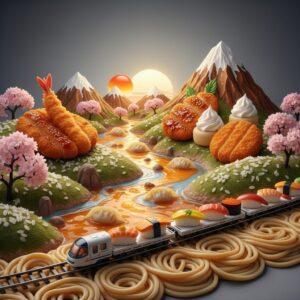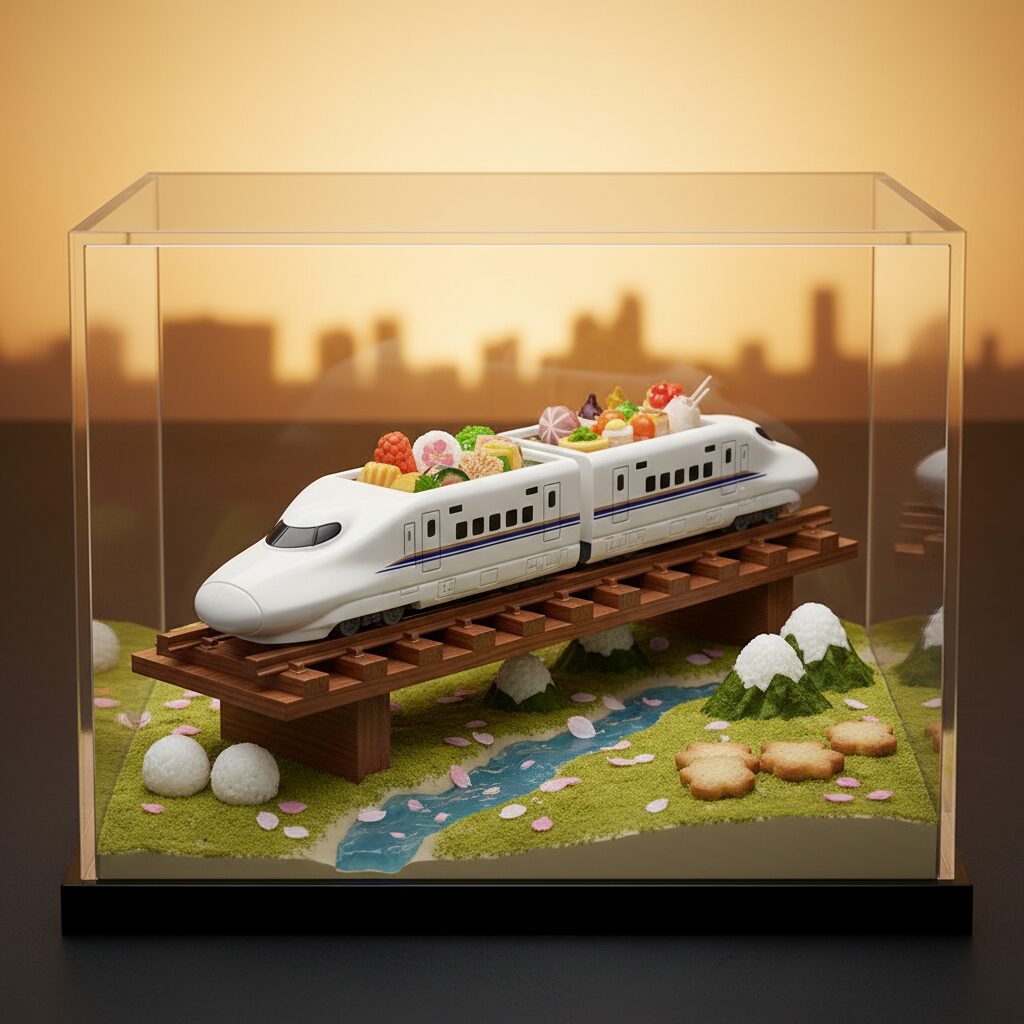
Picture a train station. For many, it conjures images of rushed commutes, the scent of stale coffee, and a grab-and-go meal that’s more about function than flavor—a sad, plastic-wrapped sandwich or a greasy pastry. It’s fuel, not food. Now, transport yourself to a major station in Japan, like Tokyo or Kyoto. Amid the controlled chaos of commuters and the sleek silence of departing Shinkansen, you’ll find a different kind of ritual unfolding. It happens at small, brightly lit kiosks and sprawling stores dedicated to a single purpose: the art of the travel meal. This is the world of the ekiben.
Ekiben, a portmanteau of eki (station) and bento (boxed lunch), is a universe unto itself. It is not merely a pre-packaged meal to be consumed on a train. It is a cultural institution, a culinary postcard, and an essential part of the Japanese travel experience. To bypass the ekiben shop on your way to the platform is to miss a fundamental chapter of the story. It’s like visiting Paris and skipping the bakeries. Why does this simple lunchbox command such reverence? Because in Japan, the journey has always been as important as the destination, and the ekiben is the most delicious proof of that philosophy. It transforms the act of transit from a monotonous necessity into a deliberate, savory experience that connects you to the very landscape you’re racing through.
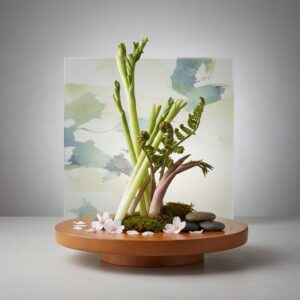
Moreover, exploring Japan’s culinary journey reveals that the seasonal allure of wild mountain vegetables offers another vibrant chapter in the nation’s rich flavors.
The Ritual of the Platform: Choice as the First Step of the Journey

Before you even taste a single grain of rice, the ekiben experience begins with the ritual of choosing. Step into a large ekiben store like Ekiben-ya Matsuri inside Tokyo Station, and you are greeted by a dazzling, almost overwhelming array of options. Hundreds of different bento boxes are neatly stacked, each promising a unique culinary adventure. The packaging itself is an art form and a vital part of the appeal.
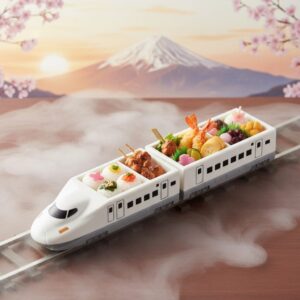
Some are wrapped in beautiful, vibrant paper depicting local landmarks, historical figures, or the specialty ingredients inside. A box from Hokkaido might showcase a dramatic illustration of a king crab, while one from Sendai proudly displays slices of grilled beef tongue. Others ditch paper for distinctive containers that become keepsakes in their own right. The famous Toge no Kamameshi from Gunma Prefecture comes in a miniature reusable ceramic kama pot, which keeps the rice and chicken warm. The Daruma Bento, from the same area, is housed in a red plastic container shaped like a Daruma doll, a symbol of good luck. You can even find ekiben packaged in boxes shaped like the Shinkansen itself.
This is no thoughtless grab of a generic meal deal. It’s a deliberate choice. Are you craving the flavors of the sea or the mountains? Will you opt for the famed local specialty you’ve heard about, or take a chance on a seasonal dish available only for a few weeks? This act of selection is the first step of your journey. It’s a moment of pleasant anticipation, a commitment to the experience ahead. You’re not just buying lunch; you’re curating your own travel experience, selecting the flavor profile that will accompany you for the next hundred kilometers. In a world full of endless, often meaningless choices, choosing an ekiben feels purposeful and deeply satisfying. It’s a small, intentional act that sets the tone for your entire trip.
A Taste of Place: Ekiben as Culinary Cartography
The true brilliance of the ekiben lies in its intense localism. Each box serves as a concentrated representation of its home region’s culinary identity. While some national staples may be found, the vast majority of ekiben are unique to their station of origin, showcasing local ingredients, cooking methods, and history. They are, in essence, edible maps of Japan.
Travel north to Hokkaido, and the ekiben burst with the richness of its cold, bountiful waters. A classic selection is the Kaisen Bento, a treasure chest of glistening salmon roe (ikura), sweet sea urchin (uni), and plump crab meat beautifully arranged over vinegared rice. At Mori Station, you’ll encounter Ikameshi, a simple yet deeply satisfying dish of whole squid simmered in a sweet soy sauce and stuffed with sticky rice. It’s a flavor experience found nowhere else.
Travel along the Shinkansen through the Tohoku region, and in Sendai, the undisputed star is the Gyutan Bento. This box contains thick, smoky slices of grilled beef tongue, a local specialty. What makes it exceptional is the clever packaging—pull a string on the side of the box, triggering a chemical reaction between limestone and water that heats the entire meal within minutes, ensuring you enjoy the beef tongue hot and tender, just as it should be.
In the central Chubu region, Toyama Prefecture offers the elegant Masuzushi. This is a type of pressed sushi, featuring delicate slices of cured trout layered over rice, wrapped tightly in bamboo leaves. The bamboo’s fragrance infuses the rice, and the whole package is pressed in a round, cedar-wood container. Unwrapping it feels like opening a gift. It’s a refined, subtle flavor that reflects the clean waters and artisanal traditions of the region.
This intense regional focus transforms a simple train journey into a culinary tour. You may be speeding through the country at 300 kilometers per hour, but when you open your ekiben, you are immediately connected to the specific place you just left. It’s a way to ground yourself and partake in the local culture, even in passing. The ekiben lets you taste the terroir of Japan, station by station.
The Packed Universe: A Microcosm of Japanese Food Philosophy

Beyond the regional specialties, the ekiben serves as a perfect, portable lesson in the fundamental principles of Japanese cuisine. Lift the lid of any well-crafted bento, and you’ll discover a carefully composed miniature world, governed by an unspoken aesthetic and culinary logic. It stands in contrast to a meal where everything is mixed together.
The first principle is balance. A typical ekiben is a mosaic of various flavors, textures, and food groups, each given its own space. You will almost always find a main element—a piece of grilled fish, a few slices of beef, or perhaps some chicken teriyaki. This is accompanied by perfectly cooked Japanese rice, which shines as a star in its own right, rather than merely as a filler. Surrounding these are a variety of supporting components. There will be something pickled (tsukemono), such as sharp daikon radish or salty plums, to cleanse the palate. There might be a simmered vegetable (nimono), like sweet carrots or earthy burdock root, providing a gentle, comforting taste. A small piece of tamagoyaki (a sweet, rolled omelet) may add a touch of golden color and soft texture. Each item is carefully placed in its own compartment, ensuring that flavors do not intermingle. This arrangement reflects the traditional meal structure, designed to be both nutritionally and visually complete.
Second is the profound appreciation for seasonality, or shun. While many classic ekiben are available year-round, many stations and producers offer special editions to honor the seasons. In spring, you might encounter bento featuring bamboo shoots (takenoko) or broad beans. Autumn brings chestnuts (kuri) and mushrooms, which are incorporated into the rice. These seasonal selections are eagerly awaited and connect the traveler to the natural rhythms of the country.
Finally, there is the utmost importance of presentation. An ekiben is meant to be a feast for the eyes before it ever reaches the mouth. The arrangement of food is never random. Colors are balanced—the bright orange of a carrot, the deep green of a snow pea, the yellow of an omelet—to create a visually appealing scene. Even the way a fish is cut or a vegetable is shaped is done with purpose. This commitment to visual beauty is not mere decoration; it expresses respect for the ingredients and for the person who will enjoy the meal. It conveys a sense of care and intention that elevates the entire experience.
The Moving Feast: How Ekiben Elevates the Journey
All these elements—the ritual of selection, the taste of place, and the culinary philosophy—come together in the final, beautiful act: eating the ekiben on a moving train. This is where the magic truly unfolds. There’s a distinct rhythm to it. As the train glides away from the urban sprawl and the landscape reveals rice paddies, mountains, or coastline, you find your moment. You place the box on the fold-down tray, untie the string or slide off the paper sleeve, and lift the lid.
That moment of opening the box is a small, private ceremony. The world of the train—the gentle hum, the murmurs of other passengers, the steady clatter of wheels on the track—fades into the background. For a brief time, your attention centers entirely on the small, perfect world inside the bento box. The view from your window becomes the dining room wallpaper. A flash of green from a passing forest complements the simmered greens in your bento. The blur of the blue sea mirrors the color of the dish holding your pickled ginger.
This act of eating becomes a form of mindfulness. It encourages you to slow down. You can’t rush an ekiben; it’s made up of many small, distinct parts that merit individual attention. You savor a bite of grilled salmon, then a piece of sweet potato, then the perfectly seasoned rice. It is a sensory experience that fully merges with the act of travel itself, creating a memory where the food, the motion, and the scenery are inseparably linked.
In an age when travel often feels like a disconnected series of digital tickets and anonymous transit halls, the ekiben re-enchants the journey. It offers a tangible connection to culture, craftsmanship, and place. It’s a flavorful reminder that efficiency and speed need not sacrifice beauty and pleasure. It insists that the hours spent moving from one point to another are not empty time to be killed but a valuable part of the experience to be savored. So next time you find yourself on a Japanese train platform with time before departure, pass by the convenience store. Locate the ekiben kiosk. Take your time, select your box, and prepare to turn your journey into a destination in itself.