Someone once asked me what the 90s in Japan looked like. It’s a simple question with a tangled answer. Most people picture the neon glow of a booming economy, bullet trains, and the first whispers of a digital future. But for a generation coming of age as that economic bubble violently burst, the decade felt different. It was a landscape of uncertainty, a “Lost Decade” where the promised paths of lifetime employment and societal stability suddenly looked like dead ends. And in the cracks of that broken promise, something extraordinary bloomed. Something loud, beautiful, and utterly defiant. It was called Visual Kei.
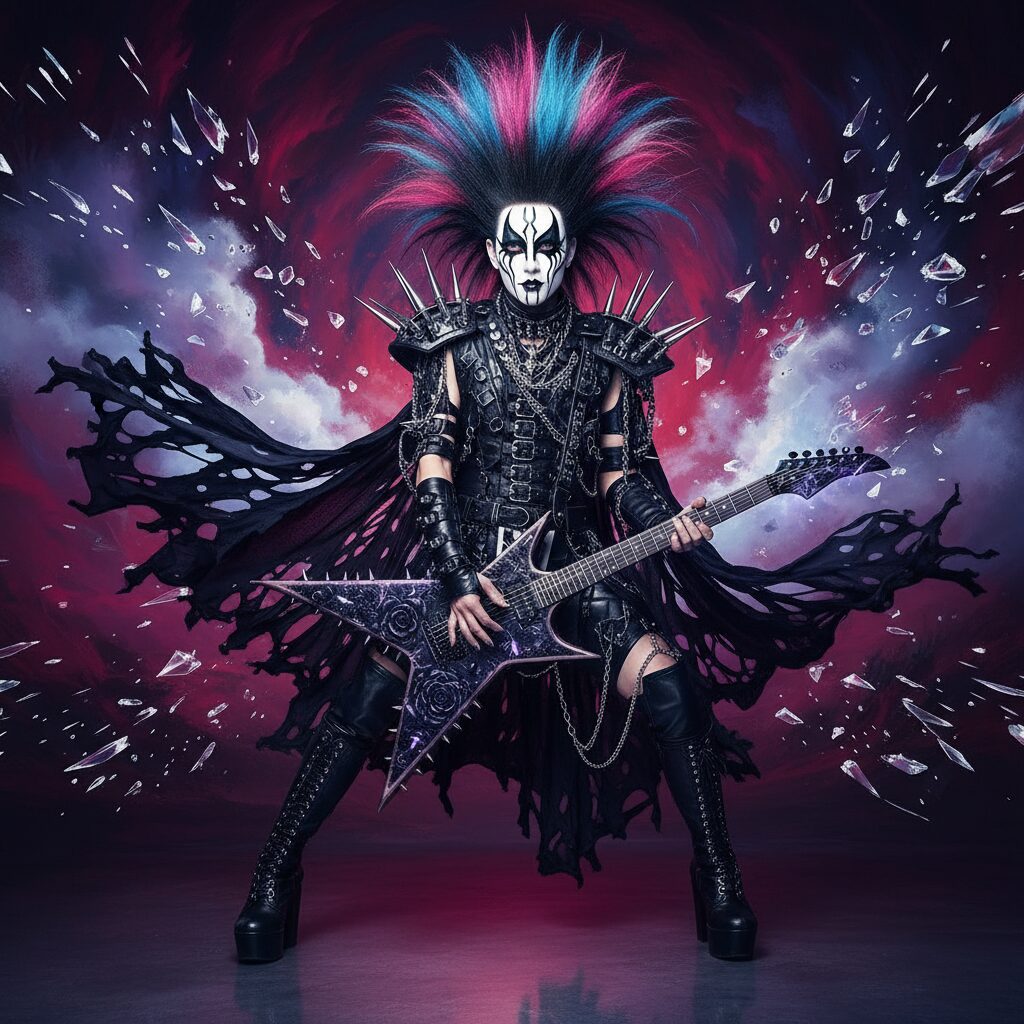
To understand this movement, you have to erase the image of a typical rock band. Instead, picture this: figures on stage under dramatic lights, looking less like musicians and more like characters ripped from a gothic romance or a baroque fantasy. You see impossibly tall, sculpted hair in shades of crimson, violet, and platinum. You see faces painted with a porcelain-white foundation, eyes lined in dramatic kohl, and lips a slash of dark color. The clothes are a riot of leather, lace, velvet, and vinyl, with silhouettes that cinch waists, flare at the hips, and drape dramatically. And as they move, you realize you can’t immediately tell if you’re looking at men or women. That ambiguity, that deliberate and beautiful androgyny, wasn’t just a gimmick. It was the entire point. Visual Kei, or “visual style,” was a music-based subculture where the aesthetic was just as crucial as the sound, creating a complete, immersive world for its followers—a haven for anyone who felt out of place in the rigid conformity of mainstream Japanese society.
This countercultural spirit not only defined Visual Kei but also resonated in other innovations like the transformative Tokyu Hands vibe that reimagined Japan’s creative landscape.
The Anatomy of an Aesthetic
Visual Kei was, above all, a statement expressed through the body. It rebelled against the muted colors and conservative uniforms—both literal and metaphorical—of Japanese public life. The artists were not merely dressing up; they were crafting entirely new identities, using fashion and makeup as their main instruments.
Hair, Makeup, and Silhouette
The most immediate and eye-catching feature was the hair. It wasn’t simply dyed; it was sculpted into gravity-defying styles that demanded immense amounts of hairspray and patience. Every strand represented dedication, a clear rejection of the tidy, black hair expected of students and salarymen. This was paired with makeup that was far from understated. Inspired by Western glam rock legends like David Bowie and the dark theatrics of gothic subculture, Visual Kei artists applied full-coverage, often pale foundation to create a flawless, doll-like base. Eyes were heavily accentuated with thick eyeliner and dark eyeshadow, producing a look both intense and melancholic. It was a mask that revealed more than it concealed—it signified a loyalty to a distinct kind of tribe.
The clothing was equally expressive. Early bands combined diverse influences to form a unique sartorial language. Leather pants and buckled boots shouted rock and roll defiance. Frilled shirts, velvet coats, and lace cuffs called to mind 18th-century European aristocracy, evoking images of tragic, romantic heroes. Corsets, platform shoes, and intricate silver jewelry added gothic and punk layers. The overall silhouette was often slender, elongated, and deliberately ambiguous, designed to obscure the traditional masculine form and create something more ethereal and otherworldly.
The Power of Androgyny
This leads us to the heart of the Visual Kei aesthetic: androgyny. The aim was not necessarily to mimic women, but to transcend the gender binary altogether. The artists sought an idealized beauty, a concept deeply embedded in Japanese culture. This can be seen in the onnagata, male actors who perform female roles in Kabuki theatre, mastering a stylized femininity. Its roots also appear in the archetype of the bishōnen, or “beautiful youth,” a recurring figure in Japanese literature and art characterized by delicate, almost feminine beauty regarded as captivating and pure.
Visual Kei took this cultural reverence for androgynous beauty and amplified it with the energy of 90s rock music. For the musicians, this aesthetic was empowering. It enabled them to be objects of desire without conforming to the tough, macho posturing common in Western rock. They could be vulnerable, flamboyant, and aggressive simultaneously. For fans, this was groundbreaking. In a society with rigid gender roles, witnessing men embrace this fluid, beautiful form of expression was liberating. It created a space where beauty was decoupled from gender, allowing boys to be pretty and girls to admire a form of masculinity rooted not in brute strength, but in artistry and emotional expression.
The Sound Behind the Spectacle
While the visuals were undeniably the main attraction, it would be wrong to assume Visual Kei was all style and no substance. The music was the driving force behind the movement, and it was much more varied than many outsiders realize. Visual Kei was never just a single genre; rather, it was a stylistic umbrella encompassing a wide range of sounds, all united by a shared dedication to a striking visual identity.
More Than One Note
The pioneering bands of the late ’80s and early ’90s established a broad sonic foundation. X Japan, often considered the godfathers of the movement, blended soaring power metal riffs and intense drumming with deeply emotional piano ballads. Their motto, “Psychedelic Violence Crime of Visual Shock,” is where the term “Visual Kei” originated. Following their lead, bands ventured in every possible direction. Groups like LUNA SEA and Kuroyume delved into darker, punk- and goth-influenced rock, brimming with raw energy and angst. On the other side of the spectrum, bands like L’Arc-en-Ciel and GLAY, who later became two of Japan’s best-selling acts, developed a more accessible pop-rock sound with catchy melodies that helped bring the subculture into the mainstream.
Later in the decade, the soundscapes grew even more intricate. Dir en grey introduced a heavier, more abrasive style, fusing industrial, nu-metal, and avant-garde rock elements, known for their shocking live shows and intense performances. Malice Mizer took a symphonic route, blending classical music, French pop, and gothic metal to create a sound as theatrical and baroque as their elaborate costumes. The diversity was intentional. The visual style was the invitation; the music was what kept fans engaged, allowing listeners to find bands that resonated with their particular tastes, whether they preferred blazing guitar solos or melancholic pop anthems.
Lyrical Themes: Escapism and Alienation
Throughout this musical spectrum, recurring lyrical themes reflected the anxieties and desires of their youthful audience. Love was a constant subject, often depicted as tragic, forbidden, or doomed. Death, sorrow, and a profound sense of alienation were also common motifs. The lyrics frequently crafted fantastical, escapist worlds filled with vampires, fallen angels, and broken dolls—symbols of feeling like an outcast in real life.
These themes perfectly matched the spirit of the Lost Decade. Young people felt alienated from the corporate paths their parents had taken. The lyrics of Visual Kei bands validated their feelings of confusion and angst, reassuring them it was okay to feel sad, different, or lost. The music, paired with the visuals, was more than entertainment; it was a form of therapy, a fantasy world that felt more real and accepting than the one beyond their headphones.
The Social Stage: Why Then? Why There?
A subculture like Visual Kei doesn’t emerge out of nowhere. It is the result of a distinct convergence of social, economic, and cultural factors at a particular point in Japanese history. Its rapid rise in the 1990s was a direct reaction to the surrounding world.
A Rebellion in the “Lost Decade”
The collapse of Japan’s economic bubble in the early 90s cannot be overstated as a driving force. The unwavering confidence of the 80s vanished, replaced by economic stagnation and societal unease. The once-assured promise of a secure future within a prestigious company, the ultimate aim for the prior generation, was no longer guaranteed. This economic break also caused a psychological one. If the old rules no longer applied, why continue to follow them?
Visual Kei became a powerful emblem of this generational disenchantment. It was a bold rejection of the “salaryman” culture’s core values—conformity, subtlety, and relentless sacrifice for the collective. By embracing an extravagant and highly individualistic look, the artists and their fans sent a strong message. They chose artistic freedom over corporate ambition, fantasy over harsh reality, and individuality over faceless uniformity. It was a means of reclaiming control and finding meaning in a world that suddenly seemed devoid of it.
The Harajuku Connection and Media Exposure
While the sentiment was widespread, the subculture required a physical and media ecosystem to flourish. It found its center in areas like Tokyo’s Harajuku, already well-known as a hub for youth fashion and street style. Small live music venues, called raibu hausu (live houses), became incubation spaces for new bands, nurturing a close-knit community. Fans gathered to exchange information and display their own elaborate, handmade outfits, turning the streets into a vibrant fashion show before and after concerts.
Print media was essential in the pre-internet era. Specialized magazines such as SHOXX, FOOL’S MATE, and Vicious served as the movement’s bibles. They offered glossy photo spreads, detailed interviews, and updates on new releases and tours. These magazines didn’t just report on the scene; they actively shaped it, defining the aesthetic and spotlighting emerging acts. They fostered a sense of a nationwide community, linking a fan in a rural town to the core of the scene in Tokyo.
Creating a Community for Outsiders
At its core, Visual Kei’s most crucial role was social. It gave a sense of belonging to those who felt like outsiders. In Japan’s group-oriented society, not fitting in can cause significant pressure and isolation. Visual Kei provided a ready-made identity and a welcoming community for anyone who felt different—the shy child, the creative soul, the one who simply couldn’t care about school entrance exams or job interviews.
Attending a concert wasn’t a passive event. Fans, often called bangya (a slang term for female fans of Visual Kei bands), would carefully replicate the looks of their favorite band members. This act of cosplay was a mark of dedication. It transformed them from mere observers into active participants. Surrounded by hundreds of others dressed just as extravagantly, they were no longer the outsiders—they belonged. The synchronized hand gestures during songs and the call-and-response with the band were rituals that strengthened the connection between artists and fans, creating an intense, shared experience far removed from the stresses of everyday life.
The Legacy and Fading Echoes
Like all vibrant subcultures, Visual Kei’s golden era was destined not to last forever. By the late 1990s, the movement reached its commercial zenith. Bands such as GLAY and L’Arc-en-Ciel were selling out massive stadiums and dominating music charts. This mainstream success proved to be a double-edged sword. It introduced the aesthetic to a national audience but simultaneously diluted its counter-cultural impact. When your rebellion is available in every record store, it stops being a rebellion.
The Mainstream Peak and Inevitable Decline
As the 2000s unfolded, the scene began to fragment. Some bands softened their image to attract a broader audience, while new waves of “neo-Visual Kei” groups appeared, often showcasing more polished, less edgy aesthetics. The internet also altered the dynamic, reducing subcultures’ reliance on physical scenes and print magazines. The original raw energy of the ’90s gradually faded, shifting into more of a niche genre than a defining youth movement.
Lasting Influence on Modern Culture
Yet Visual Kei didn’t simply disappear. Its essence was absorbed into the cultural fabric of Japan and beyond. Its influence is unmistakable in the character designs of numerous anime and manga series, where androgynous, stylish male characters have become a common trope. The theatricality and visual emphasis of Visual Kei set the stage for the visual approaches of many later J-Rock and K-Pop groups, who recognize that a strong visual concept is essential for cultivating a loyal fanbase.
More significantly, Visual Kei played a role in normalizing a more fluid and expressive form of masculinity in East Asian pop culture. It chipped away at rigid gender norms, creating space for beauty, artistry, and emotional vulnerability to be accepted—and even valued—in male performers. The specters of those ’90s bands—with their lacquered hair and romantic, melancholic stares—still linger in today’s cultural landscape.
Visual Kei was far more than a passing fad of big hair and loud guitars. It was a mirror reflecting a specific, uncertain era in Japan. It was a sanctuary, a fantasy, and a declaration of independence. For a generation of young people navigating the ruins of a shattered economic dream, it offered a different kind of promise: that even if you couldn’t find your place in the real world, you could always create a more beautiful one of your own.