Walk through any quiet, residential neighborhood in Japan as dusk settles, and you might notice a particular kind of light. It’s not the sharp, sterile glow of a convenience store, nor the warm, inviting lantern of an izakaya. It’s a softer, steamy luminescence spilling from the entrance of a building, often marked by a tall, slender chimney and a distinctive short curtain, or noren, hanging over the doorway. This is the local sento, the public bathhouse. For most outsiders, the idea of communal bathing conjures images of luxury spas or, perhaps, a slightly awkward locker room experience. But that comparison misses the point entirely. The sento isn’t a place you go for a luxury treatment. It’s where you go to participate in the quiet, unglamorous, and profoundly human rhythm of daily life.
To understand the sento is to understand a fundamental piece of Japanese social infrastructure. It’s a “third place” that predates the coffee shop by centuries—a space separate from the pressures of home and work, where status, wealth, and profession are washed away along with the grime of the day. Here, in a state of shared vulnerability, a different set of social rules applies. It’s a world of unspoken etiquette, subtle interactions, and a deep, comforting sense of belonging. Forget the tourist-centric onsen resorts in the mountains. The humble neighborhood sento is where you’ll find one of the most authentic and enduring forms of Japanese community. It’s more than just a bath; it’s a living, breathing social ritual, and learning its steps offers a rare glimpse into the heart of the culture.
This shared vulnerability and subtle etiquette in neighborhood sento echo the delicate balance between genuine expression and social pretense, as explored in honne and tatemae.
The Architecture of Belonging: Crossing the Threshold
The experience begins before you even lay eyes on the water. The entrance to a traditional sento serves as a deliberate transition from the outside world (soto) to the inner world (uchi). You first slide open a door and step into a small foyer called the genkan, where you’re immediately greeted by rows of small shoe lockers, or getabako. After finding an empty one, you slip off your shoes, slide them inside, and pull out a long, wooden key, often attached to a large block of wood to prevent it from getting lost easily. This simple act marks the first step in shedding your public persona. Regardless of whether your shoes are expensive leather loafers or worn-out sneakers, you leave them behind. Everyone begins on equal ground.
Next, you approach the reception area. In older bathhouses, this might be the classic bandai, a raised platform where an attendant, often an elderly woman, sits with a commanding view of both the men’s and women’s changing rooms. It can be a bit surprising at first, but it’s a position of trust and tradition rather than surveillance. In more modern sento, you’ll find a standard front desk. You pay a modest fee—usually around 500 yen—and perhaps purchase a small towel or a packet of soap if you didn’t bring your own. This is also where you’re guided to the correct changing room, typically marked by a noren curtain: blue or purple for men (男), red or pink for women (女).
Pushing aside that curtain is the final step. You enter the changing room, the datsuijo, and the atmosphere transforms completely. The sounds of the street give way to the gentle hum of a wall-mounted fan, the distant echo of splashing water, and the soft chatter of other patrons. The air is warm and humid, carrying the fresh scent of soap and wood. This space isn’t sterile or clinical; it feels lived-in, filled with the artifacts of daily ritual: wicker baskets for clothes, old-fashioned weight scales, and perhaps a leather-worn massage chair from the 1970s rumbling in a corner. This is where the outside world truly slips away.
The Unspoken Rules: Washing Before You Soak
Once inside the changing room, you’ll observe locals undressing with a casual ease that can be surprising for first-timers. The key is to recognize that this is a practical space, not a performance area. There is no judgment here. People come to clean and relax, and bodies are simply bodies. You find an empty locker or wicker basket, place your belongings and clothes inside, and take only one item with you into the bathing area: a small towel.
This small towel, often referred to as a “modesty towel,” serves a dual purpose. You can use it to loosely cover yourself as you walk from the changing room to the washing area, although many people choose not to. Its primary role, however, comes later. For now, you carry it with you as you go through the final sliding door into the main bathing chamber.
Here, you encounter the single most important rule of the sento, the one that supports the entire social contract of communal bathing: you must wash your body thoroughly before entering the tubs. The large baths are meant for soaking, not for cleaning. Since the water is shared by everyone, there is a collective responsibility to keep it pure. Disregarding this rule is the most serious mistake a visitor can make.
The Cleansing Ritual
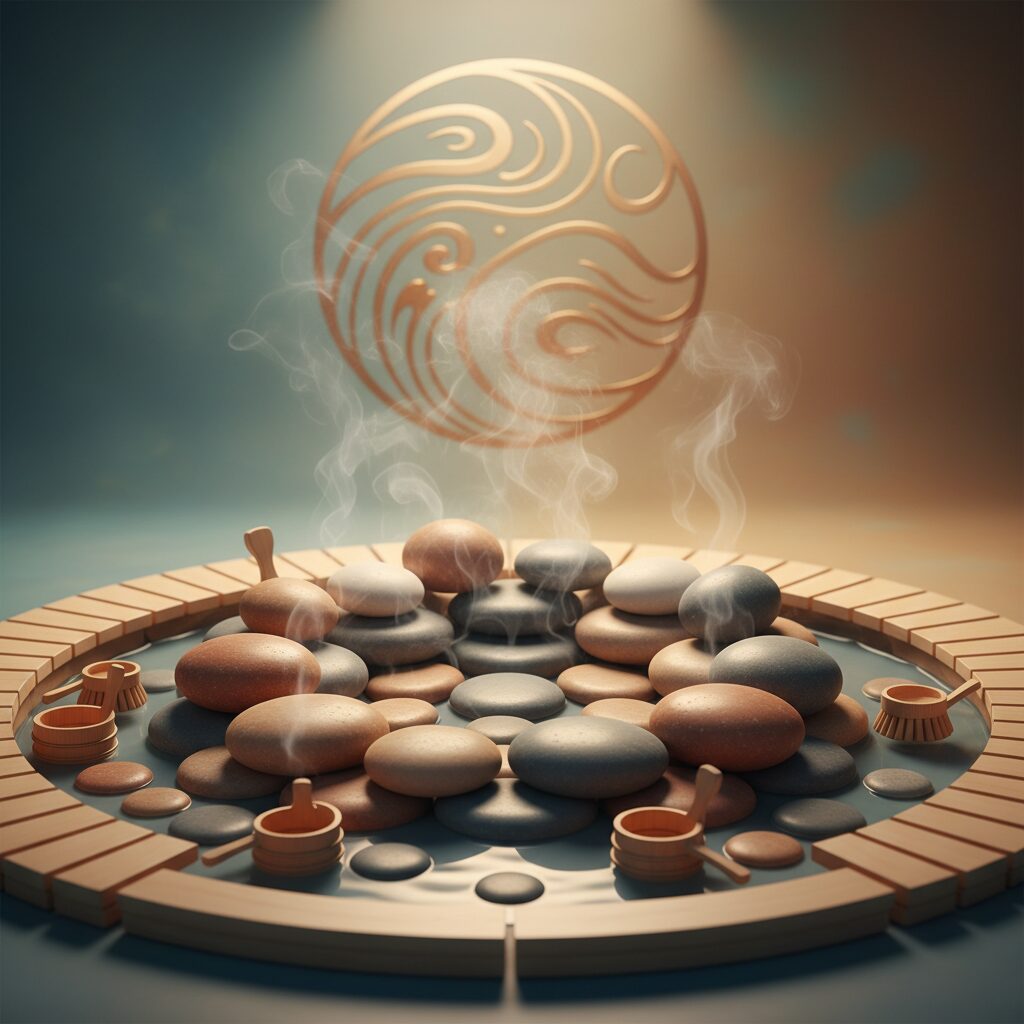
The washing area features rows of low faucets, each equipped with a handheld shower head, a small plastic stool, and a basin or bucket (oke). You find an empty station, sit on the stool—sitting helps prevent splashing your neighbors—and begin. This is not a quick rinse. You are expected to scrub your entire body with soap, from head to toe. Watch the regulars, and you’ll notice their practiced efficiency. They lather their small towels and use them as washcloths, scrubbing every inch of their bodies before rinsing thoroughly, ensuring no suds remain.
You should also perform kakeyu, which involves using your basin to scoop hot water from a designated tap or even the main bath and pouring it over your legs, arms, and torso. This helps your body adjust to the temperature of the baths and serves as a final, symbolic rinse before entering the shared water.
Soaking in the Atmosphere: Hadaka no Tsukiai
Finally clean, you are ready to soak. Most sento feature at least two or three different tubs. The main bath is usually the largest and is often maintained at a surprisingly high temperature, typically between 40 and 43 degrees Celsius (104-109°F). For those unaccustomed, it can feel like stepping into a pot of tea. The key is to enter gradually, allowing your body to adjust. Don’t plunge in. Ease yourself down until you’re submerged up to your shoulders, then try to remain still. After a minute or two, the initial shock fades into a deep sense of relaxation as the heat seeps into your muscles and bones.
One important point of etiquette involves your small towel. While it can be used for modesty when walking around, it must never touch the bathwater to keep the water clean. You’ll often see locals place their folded, wet towels on their heads—which also helps to keep them cool—or set them on the edge of the tub.
Beyond the main bath, you might find other options. A jacuzzi-style bath with bubbling jets is common. Some sento offer a denki buro, or “electric bath,” with a low-level current running between two plates in the water, creating a tingling, muscle-stimulating sensation that is as peculiar as it is beloved. Others may have a cold plunge pool (mizuburo), meant for alternating between hot and cold to boost circulation, or even a small outdoor bath (rotenburo), where you can soak beneath the sky.
The Sound of Community
This is where you experience the true social essence of the sento, a concept known as hadaka no tsukiai, which roughly translates to “naked socializing.” Stripped of external markers of identity—clothes, accessories, hairstyles—people can interact in a more open and unguarded way. A CEO and a construction worker, a student and a retiree, all become equals in the steam.
However, this doesn’t mean the sento is a loud, boisterous place. More often than not, the dominant sound is a comfortable, shared silence, punctuated by sighs of relaxation. The community here is built not on constant conversation but on mutual presence. A simple nod of acknowledgment to someone entering the bath suffices. But among regulars, the jouren-san, small pockets of conversation naturally arise. It’s rarely anything heavy or deeply personal. It’s neighborhood news, commentary on the sumo match playing on the changing room TV, or a gentle complaint about the weather.
As a visitor, you are not expected to start or join these conversations. It is perfectly acceptable to simply soak in silence and enjoy the experience. But don’t be surprised if an older woman offers you a friendly tip, perhaps pointing out a particularly pleasant bath or simply giving you a warm smile. This is the sento’s quiet way of welcoming you into its temporary community. It’s a space where connection is formed through shared experience rather than forced interaction.
The Final Act: The Ritual of Cooling Down
The sento experience continues even after you leave the water. The post-bath ritual holds equal significance in appreciating its cultural importance. Following a final, gentle rinse at your washing station, you return to the datsuijo. Here, the pace slows deliberately. People take their time drying off, engaging in more relaxed conversations, their bodies warm and at ease.
This is the moment for one of the sento’s most iconic customs: the post-bath drink. Almost every bathhouse has a vending machine or cooler filled with small glass bottles of milk—plain milk, coffee-flavored milk, and the ever-popular fruit milk (furutsu gyunyu), a sweet, nostalgic treat. The simple act of popping the paper cap and drinking a cold bottle of milk after a hot bath is a beloved ritual, a perfect, straightforward pleasure that completes the experience.
Many visitors linger well after dressing. The changing room often leads into a small lounge area, sometimes furnished with tatami mats, a few chairs, and a television. Here, neighbors catch up, read newspapers, or watch a baseball game together. It serves as an extension of their living rooms, a cozy public space to relax before heading home. This is the sento at its most communal—a place not only for hygiene but for unwinding, socializing, and strengthening the neighborhood’s social bonds, one quiet evening at a time.
Why We Still Need the Sento
In the decades following World War II, as more Japanese homes were constructed with private bathrooms, the number of sento nationwide sharply declined. They appeared to be remnants of a bygone era, a necessity made obsolete by technology. However, they never entirely vanished. Today, although their numbers remain far below their peak, sento are not merely surviving; in many areas, they are flourishing, embraced by new generations for reasons unrelated to the absence of home plumbing.
In an era marked by digital isolation, the sento provides a rare and potent remedy: a place for genuine, face-to-face, intergenerational connection. It is one of the few places where teenagers and octogenarians coexist on equal footing. For many elderly individuals living alone, their daily visit to the sento may represent their most meaningful social interaction of the day. For young urban dwellers, modern, renovated “designer sento” have become trendy spots, merging timeless tradition with modern design.
The sento persists because it meets a basic human need. It is a place to feel clean, of course, but also to feel warmth, relaxation, and most importantly, a sense of belonging to something greater than oneself. It affirms that even in the largest, most impersonal cities, community can still be found in a simple room filled with steam, quiet conversation, and shared water.