You asked why everyone in Japan seems to get so profoundly emotional about cherry blossoms. It’s a fair question. From the outside, it can look like a simple, if widespread, appreciation for a pretty flower. But once you’re here, once you’ve stood under a canopy of pale pink petals knowing they’ll be a memory in a week, you start to understand. It’s not just about the blossoms. It’s about a core tenet of the Japanese aesthetic, a concept called mono no aware.
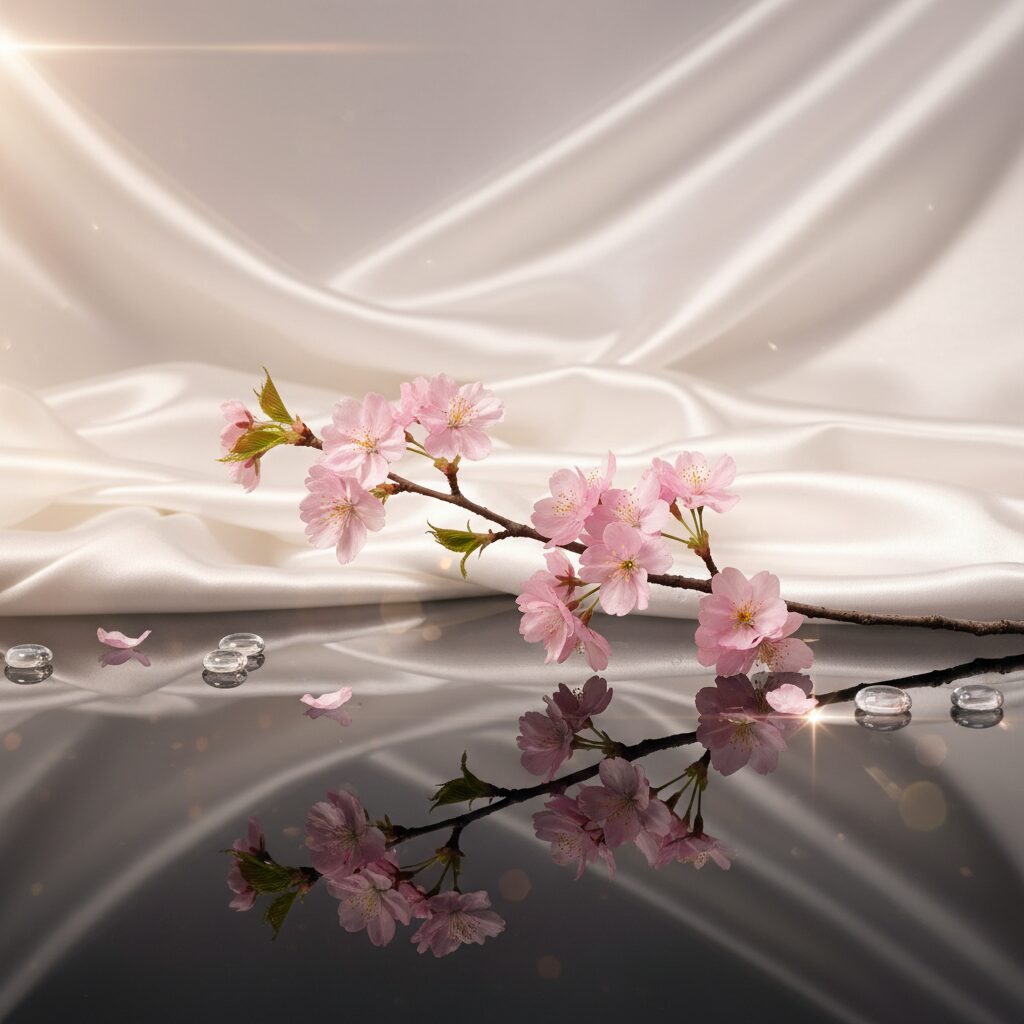
Translated loosely, it means “the pathos of things,” or a gentle, wistful sadness for the transience of life. It’s a feeling, not an intellectual doctrine. It’s the quiet ache you feel when you recognize that something beautiful is temporary. And nothing in Japan performs this heartbreakingly beautiful dance of life and death with more grace and intensity than the sakura, the cherry blossom. It’s the ultimate symbol of impermanence, a two-week spectacle of overwhelming beauty followed by an inevitable, silent departure. This annual ritual isn’t just a flower-viewing party; it’s a nationwide meditation on the nature of existence itself. Understanding mono no aware is understanding the quiet, emotional heartbeat beneath the surface of modern Japan, and the cherry blossoms are its most powerful, visible pulse.
As the transient beauty of cherry blossoms invites a meditative appreciation of impermanence, many in Japan also turn to the calming practice of forest bathing for a similar moment of soulful reflection.
The Roots of a Feeling: Where Aware Comes From
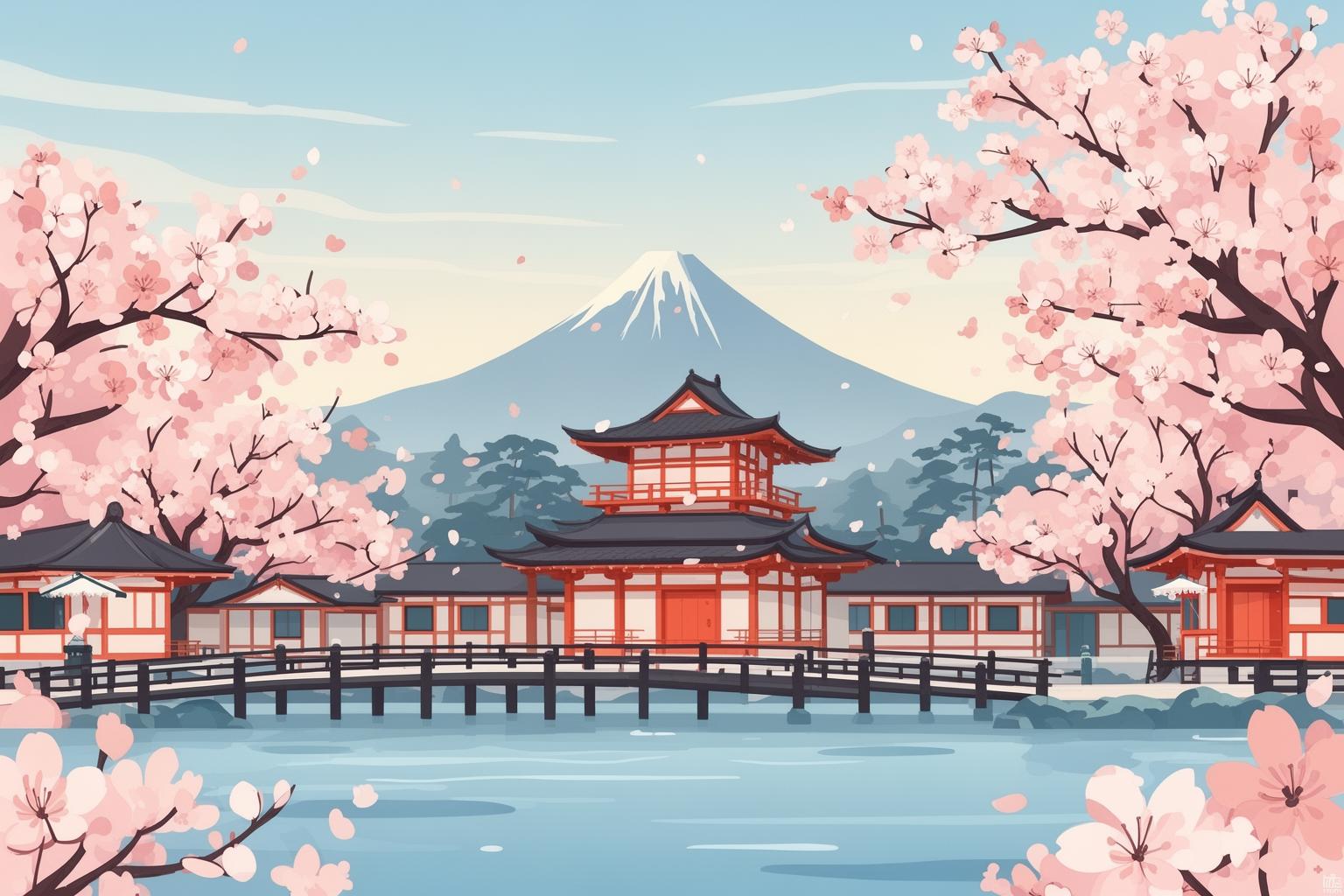
To truly grasp mono no aware, you need to look beyond the modern cityscape and delve into the philosophical roots that have nurtured Japanese culture for centuries. This feeling didn’t emerge spontaneously; it is a convergence of ancient beliefs, mainly Shinto and Buddhism, that shaped a distinct worldview.
Shinto and the Soul of Nature
Long before Buddhism arrived, Japan’s native belief system was Shinto, a faith grounded in the idea that gods, or kami, inhabit all natural things—rocks, rivers, trees, mountains, and even the wind. This isn’t a distant, abstract deity in the heavens; it’s a divine presence here in the world around you. This perspective cultivates a deep, inherent reverence for nature, not as a resource to be exploited, but as a living entity to be honored. The changing of the seasons, therefore, is not merely a meteorological event; it is a sacred drama. The burst of cherry blossoms in spring, the deafening chorus of cicadas in summer, the vivid crimson of maple leaves in autumn, and the stark stillness of winter snow—all are expressions of the kami. Mono no aware arises directly from this reverence. If nature is divine, then its cycles of birth, flourishing, and decay are sacred too. The passing of the cherry blossoms is not simply a loss; it is a sacred part of a greater, eternal cycle. There is sadness in their passing, but it is tempered by the understanding that this is the natural, divine order of things.
Buddhism and the Truth of Impermanence
When Buddhism reached Japan from the continent around the 6th century, it introduced a philosophical framework that harmonized perfectly with these established Shinto sensibilities. A central teaching of Buddhism is the concept of mujō, or impermanence. This doctrine holds that everything in the phenomenal world—our bodies, our thoughts, our possessions, the world itself—is in constant flux. Nothing is permanent. Attachment to these transient things is the root of suffering. While this might seem bleak, the Japanese interpretation integrated it with the existing reverence for nature’s cycles. Rather than a grim reality to be endured stoically, mujō became a lens that deepens appreciation for beauty. The fact that the cherry blossoms will fall does not diminish their beauty; it enhances it. Their fleeting nature compels you to be present, to fully appreciate the moment of peak bloom with heightened awareness. The Buddhist teaching of impermanence gave a name and philosophical depth to the feeling that Shinto’s nature worship had already nurtured. Mono no aware is the emotional resonance of mujō. It is the sigh not of despair, but of profound understanding in the face of this beautiful, unchanging truth.
More Than a Word: Capturing a Ghost in Art and Literature
Mono no aware is such a fundamental aspect of the Japanese spirit that it has served as the central theme in Japanese art for more than a thousand years. It’s the invisible thread woven between the lines of poems, the unspoken atmosphere in a film, the emotional depth of a single brushstroke. Attempting to create art in Japan without grasping it is like trying to paint a landscape without understanding light.
The First Sigh: Heian Period Literature
The idea was first clearly expressed during the Heian period (794-1185), a time of aristocratic elegance and artistic flourishing. The unquestioned masterpiece of this era, and perhaps of all Japanese literature, is The Tale of Genji by Murasaki Shikibu. The entire work is imbued with mono no aware. Its characters are deeply attuned to the changing seasons, the fading of beauty, the transience of life and love. A courtier might gaze at the moon and be moved to tears—not by personal sorrow, but by the profound, bittersweet passage of time that the moon symbolizes. The falling cherry blossoms recur as a motif, reflecting the fleeting nature of courtly romances and political fortunes. It was the 18th-century scholar Motoori Norinaga who, upon studying Genji, formally defined and championed mono no aware as the core essence of Japanese literature. He contended that the purpose of art was not moral teaching but to move the reader, evoking a deep, gentle pathos for the world.
The Image of Impermanence: From Woodblocks to Film
This aesthetic sensitivity extends directly into Japan’s visual arts. Consider the classic ukiyo-e woodblock prints of the Edo period. Artists such as Hiroshige and Hokusai were masters at capturing it. A print might depict people enjoying a picnic beneath cherry trees, but often there’s a breeze, and a few petals are shown drifting in the wind. That detail is everything. It visually reminds us that this perfect moment is already slipping away. The beauty is inseparable from its impending disappearance.
This tradition carries on into modern Japanese cinema. The films of Yasujirō Ozu are exemplary expressions of mono no aware. He frequently centers on the quiet dramas of everyday family life—marriages, aging parents, children leaving home. The emotional climax of a film like Tokyo Story isn’t a loud, dramatic confrontation but a quiet shot of an elderly man sitting alone in his home after his wife has passed. The camera lingers on the empty space, the objects left behind, filling the viewer with a profound sense of loss. It is a quiet devastation, a perfect cinematic embodiment of mono no aware. It appears in the long, still shots, the attention to seasonal details, and the gentle acceptance of life’s inevitable changes and farewells.
The Sweet Ache: Why It Isn’t Just Sadness
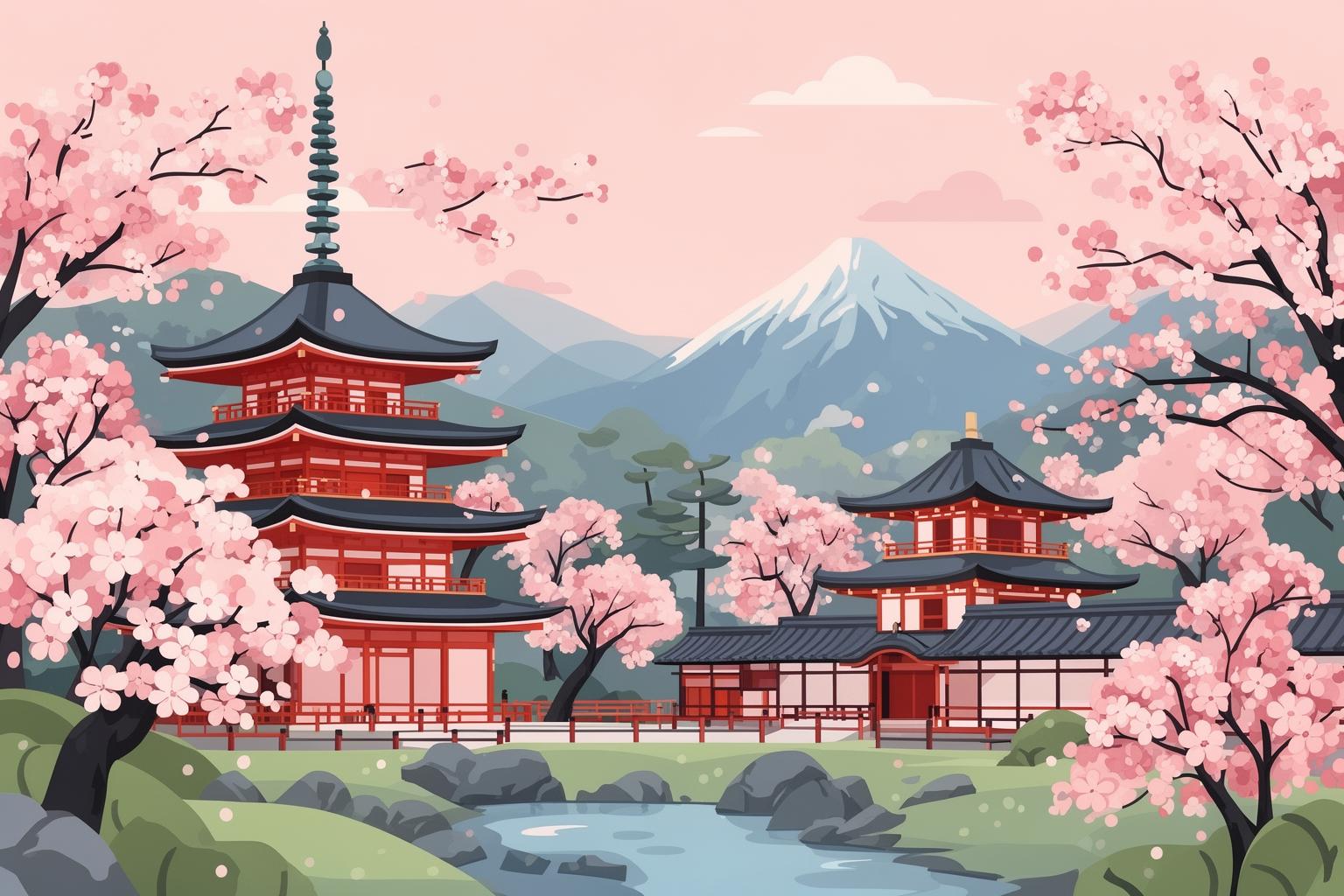
A common misconception among outsiders is to confuse mono no aware with mere sadness, melancholy, or pessimism. However, this completely misses the essence. It is a far more intricate and, frankly, more beautiful emotion. It’s a bittersweet appreciation rather than a descent into despair. In Western culture, we often perceive endings as failures. A flower wilts, a relationship ends, a life comes to a close—these are frequently seen as tragic. There is a cultural tendency to resist impermanence by seeking permanence through legacies, monuments, and the pursuit of eternal youth. Mono no aware offers an alternative perspective. It does not resist the flow; instead, it finds beauty within it.
Imagine listening to a beautiful piece of music, fully aware it will end. Does this knowledge make the experience unpleasant? Not at all. In fact, the structure of the music—its beginning, middle, and end—is what makes it so beautiful. The final, fading note is touching precisely because it marks the conclusion. That feeling of being moved by the song’s ending closely resembles mono no aware. It affirms the experience in its entirety, including its conclusion. The sadness is not a rejection but a tribute to the experience’s significance. The subtle ache you sense as the last cherry blossom petal falls proves how beautiful the bloom was. It is a gentle kind of grief, yes, but one intertwined with gratitude and profound beauty. It enables a deeper, more nuanced emotional response to the world. It embraces the idea that life’s beauty arises not despite its transience, but because of it.
A National Ritual: The Sakura Front and Collective Contemplation
Nowhere is this idea more vivid and tangible than during the cherry blossom season every spring. This isn’t merely a casual event; it’s a national passion that borders on a secular faith. The news media delivers daily updates on the sakura zensen, or cherry blossom front, following its northward progression across the Japanese archipelago like a weather phenomenon. When the blossoms reach their peak bloom, or mankai, it signals a call to action.
Hanami: Beyond Just a Picnic
People gather in parks, along riverbanks, and at temples for hanami, which literally means “flower viewing.” At first glance, these are joyful get-togethers. Friends, families, and coworkers lay out blue tarps beneath the trees, sharing food and drink often well into the night. There’s laughter, conversation, and a festive mood. Yet beneath this lively scene lies a deeper, collective engagement with mono no aware. Everyone is keenly, almost painfully, aware that this perfect moment is fleeting. A sudden spring rain or strong wind can abruptly end the season. This shared awareness gives the celebration its distinctive emotional depth. People aren’t just honoring the flowers; they’re cherishing the precious, fragile instant of being alive, together, beneath the falling petals. It’s a celebration with a bittersweet deadline.
The Petal and the Human
For centuries, Japanese poets have used the sakura as a symbol for human life itself. Life, like the cherry blossom, is brilliant, vibrant, and beautiful—but also shockingly short. This is not viewed as a grim comparison but as a beautiful, clarifying one. It serves as a reminder to live fully and appreciate the present moment’s beauty, because, like the blossoms, we too will eventually fall. This metaphor has become deeply embedded in the culture, shaping everything from samurai philosophy (the ideal of a brief, honorable life and a dignified death) to the aesthetics of everyday existence. The yearly ritual of hanami is, in a way, the nation’s collective way to confront and embrace this fundamental truth in the most beautiful manner possible. It’s a shared lesson in valuing what you have, while you have it.
Tuning In to the Passing World
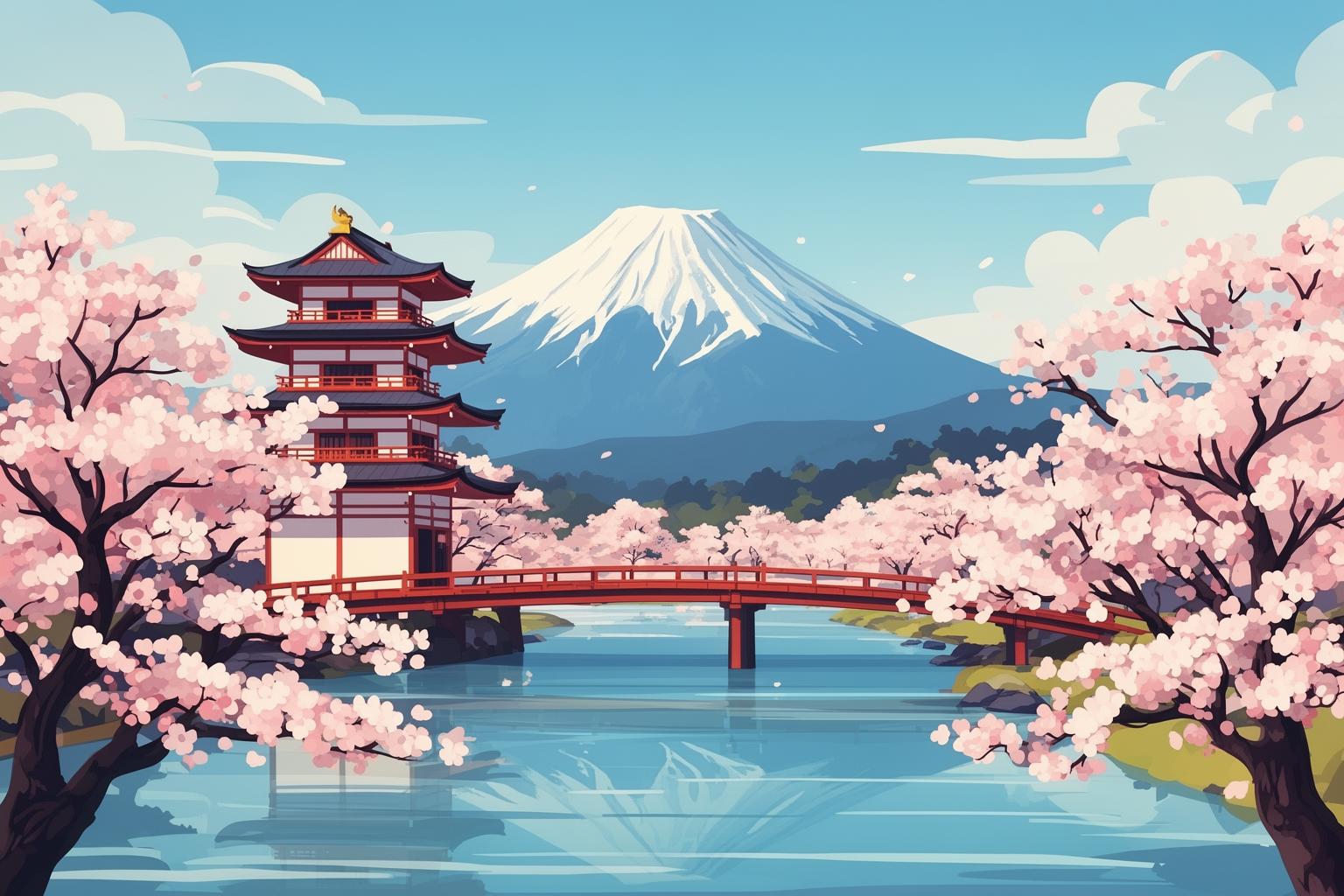
So, how does someone from outside begin to sense this? It’s not something you can simply choose to understand. It’s a sensitivity you develop. It begins with paying close attention. As a photographer, I found my way into it by learning to notice the subtle signs of change that mark the passage of time here. It’s not only about the grand spectacle of the sakura.
Mono no aware is in the sound of a lone wind chime on a humid summer afternoon. It’s in the vision of fireflies flickering over a dark stream during their brief mating season. It’s in the sudden, sharp scent of fragrant olive (kinmokusei) in early October that signals summer’s end. It’s the warmth from a can of coffee bought from a vending machine on a cold winter night. It’s in the steam rising from a bowl of noodles, a fleeting moment of comfort. It is an awareness of the beauty in the ordinary and the transient. It’s about seeing the world not as a fixed backdrop, but as a living, breathing, ever-changing presence. It’s about discovering a quiet, profound beauty in the fact that nothing lasts forever. And when you stand beneath those cherry trees, surrounded by falling petals like pink snow, you won’t just see a pretty flower. You’ll feel the gentle, heartbreaking, beautiful truth behind it all.