If you’ve spent any meaningful time online in the last decade, you’ve probably had this experience. You’re deep in a YouTube rabbit hole, letting the algorithm serve up its next esoteric offering, when a new video appears in your recommendations. The thumbnail is a simple, black-and-white photograph of a woman with a confident, knowing smile. The title is in Japanese: 竹内 まりや「Plastic Love」. You click, and your world shifts on its axis, just a little. A slinky bassline kicks in, followed by shimmering keyboards and a guitar riff so smooth it feels like polished chrome. Then, the voice—effortless, bittersweet, and impossibly cool. It’s a sound that is at once deeply nostalgic and startlingly futuristic.
That song, Mariya Takeuchi’s 1984 masterpiece, has become the unofficial anthem for the digital resurrection of City Pop, a genre of Japanese music that flourished and then faded in the 1980s. For millions of people outside Japan, most of whom weren’t even alive during its heyday, this music has become an obsession. It’s the foundation for vaporwave, the background music for countless “lo-fi beats to relax/study to” streams, and the subject of fervent online archeology by fans digging through obscure record bins. But why? Why did this specific sound, from this specific era, suddenly captivate a global audience forty years after its creation? The answer is that City Pop is so much more than a collection of catchy tunes. It’s a time capsule. It’s the sound of a very particular dream—a dream of boundless optimism, sophisticated urbanity, and a sleek, technologically advanced future that, from our modern vantage point, feels like a beautiful, lost paradise.
Connecting this nostalgic soundscape to another intriguing chapter in Japan’s cultural evolution, many fans also appreciate how the distinct energy of 90s JDM culture mirrors a broader interplay between vintage allure and futuristic ambition.
The Soundtrack of an Economic Miracle
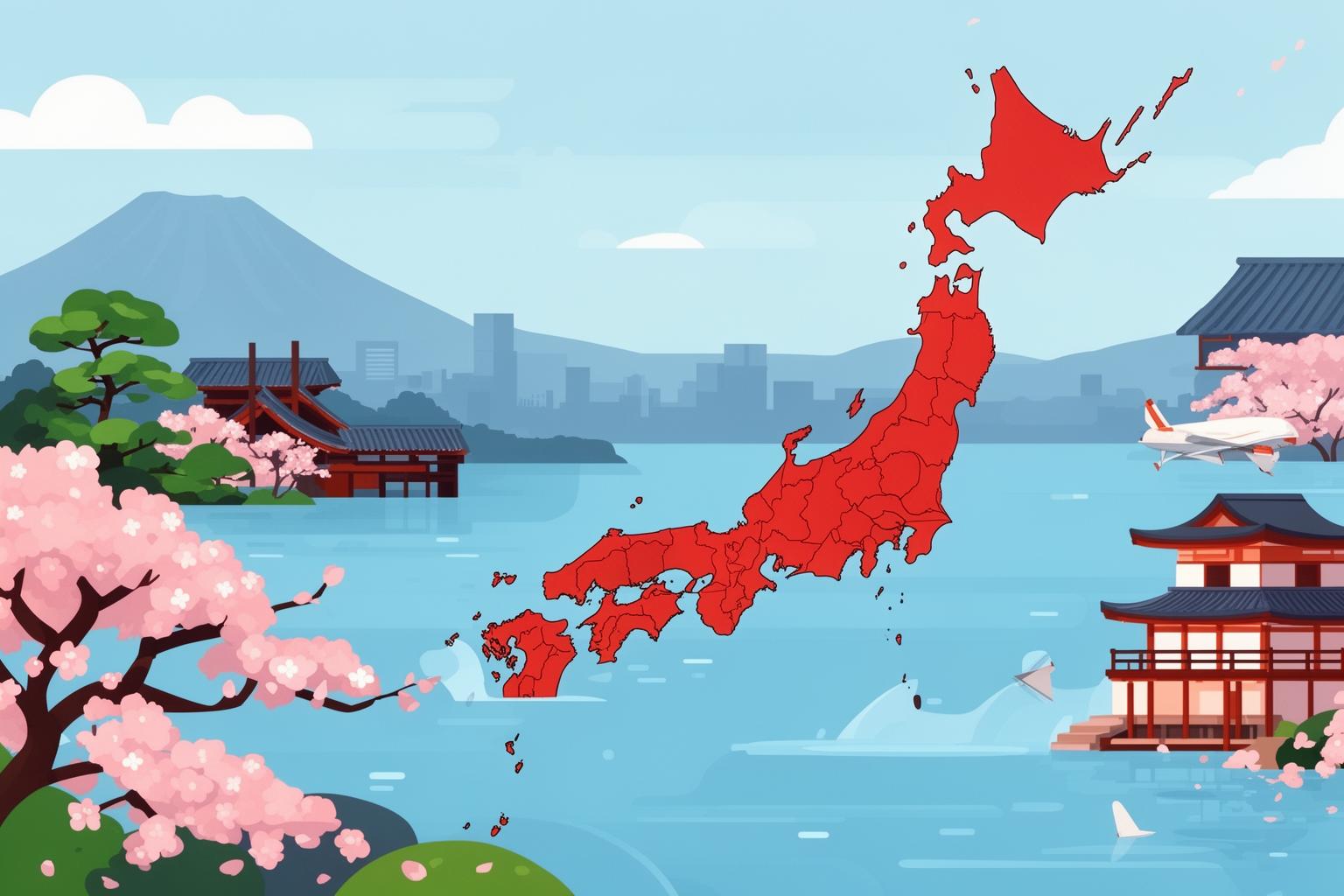
To understand City Pop, you first need to grasp the world that gave rise to it: 1980s Japan. This era marked the height of the nation’s post-war economic miracle, a time of unprecedented prosperity often referred to as the “Bubble Economy.” After decades of recovery, Japan had become an economic titan. The yen was strong, Tokyo real estate was famously valued higher than all of California, and Japanese companies such as Sony and Honda led the world in technology and manufacturing. For the first time, a generation of young Japanese grew up not with memories of wartime scarcity, but in the midst of affluence.
This newfound wealth deeply transformed the culture. A growing class of young urban professionals enjoyed disposable income and had an eager appetite for leisure, fashion, and technology. The national mood was one of supreme confidence. The future was not feared; it was a bright horizon full of possibilities, best experienced from behind the wheel of a new Toyota Soarer with the stereo blasting. This was the world City Pop was made for, and about. It served as the soundtrack to a life driven by aspiration.
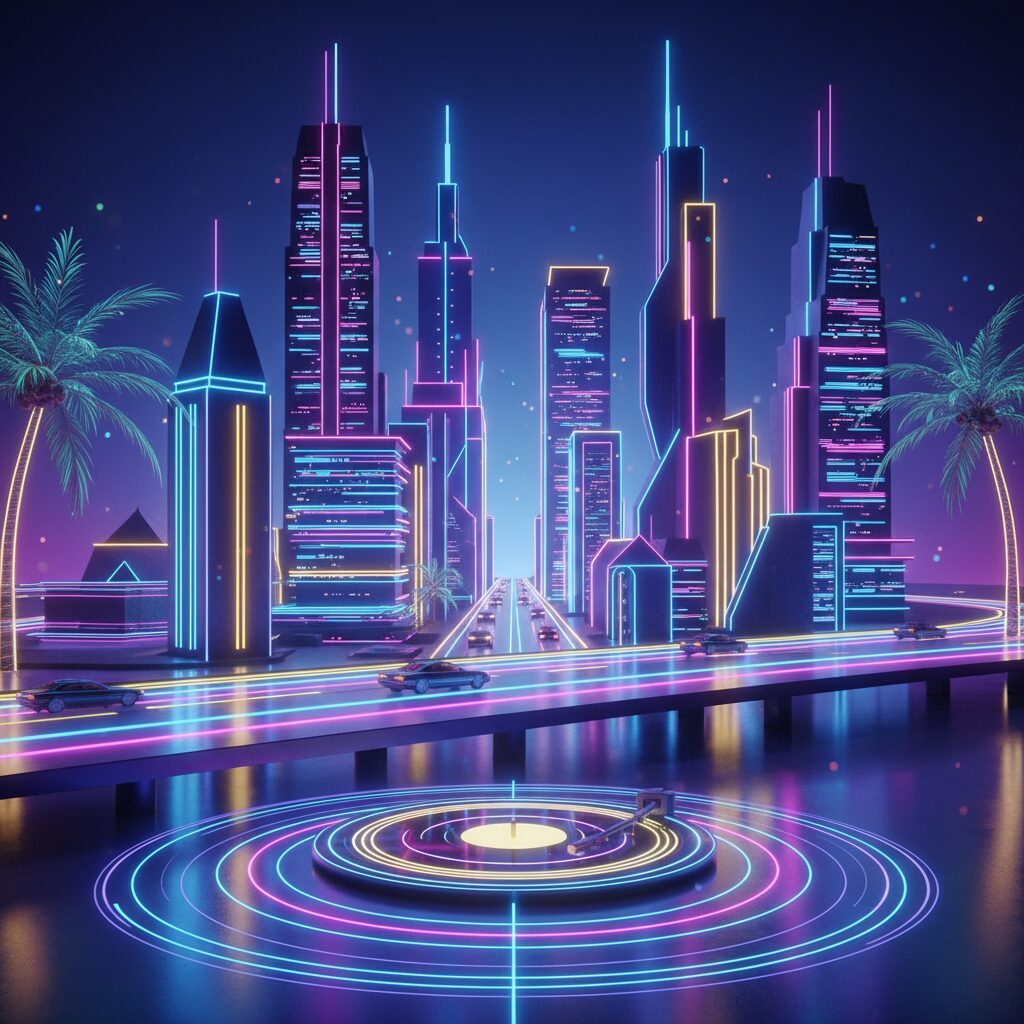
It was music to accompany cruising down the Shuto Expressway at dusk, with the neon lights of Shinjuku and Shibuya blending into ribbons of color. It was music for sipping cocktails at a hotel rooftop bar, gazing out over the sprawling cityscape. It was music for seaside resorts in Kanagawa, weekend drives to the coast, and late-night gatherings in a world that felt glamorous and endlessly in motion. The lyrics, instrumentation, and overall vibe were deeply connected to this new, sophisticated urban lifestyle. It wasn’t folk music from the countryside or protest songs from disaffected youth; it was the polished, luxurious sound of a nation that believed it had conquered the 20th century.
Crafting the Sound: Technology, Talent, and American Influence
City Pop did not arise from nowhere. Its essence is a refined blend of sounds, mainly inspired by American popular music but interpreted through a distinctly Japanese perspective of precision and technological expertise. The outcome was a sound both recognizable and entirely original.
The American Blueprint
In the late 70s and 80s, Japanese musicians and producers were avid learners of Western music. They paid close attention to American styles such as soft rock, AOR (Adult-Oriented Rock), funk, soul, and disco. The polished, jazz-inflected arrangements reminiscent of Steely Dan, the tight horn sections of Earth, Wind & Fire, the smooth grooves of Boz Scaggs, and the soulful tunes from Motown and Philadelphia International labels can all be heard throughout City Pop’s catalog. This was far from mere imitation. Japanese artists took these essential influences and used them as a foundation for their own creative journeys. They embraced the musical language of American cool and began crafting their own narratives, producing a sound finely tuned to the tastes of urban Japan.
The Japanese Polish
What truly distinguished City Pop was the exceptional quality of its production and musicianship. The booming economy provided record labels with substantial budgets, allowing them to spend weeks in cutting-edge recording studios and employ the finest session musicians in the nation. Artists like the members of Tin Pan Alley—Haruomi Hosono, Shigeru Suzuki, and Tatsuo Hayashi—and later groups like Yellow Magic Orchestra, were masters who effortlessly merged intricate jazz chords with catchy pop melodies. The technical proficiency on these recordings is remarkable, contributing significantly to the music’s lasting appeal.
This era also marked the beginning of a new technological chapter in music. Japanese companies such as Roland and Yamaha led the way in developing synthesizers and drum machines that shaped the 80s sound. Instruments like the Yamaha DX7 synthesizer and the Roland TR-808 drum machine became core components of the City Pop sound, giving it a sleek, futuristic polish. The production was painstaking: every bassline was sharp, every keyboard chord sparkled, every vocal perfectly positioned in the mix. It reflected a culture deeply committed to quality, precision, and technological innovation.
Lyrically, the songs vividly depicted this emerging urban lifestyle. They explored fleeting romances, solitude amidst dazzling city lights, the exhilaration of a coastal drive, and the bittersweet nostalgia of summer’s end. It was mood music for the contemporary metropolitan experience.
The Visual Language: An Aesthetic of Aspiration
The sound of City Pop is inseparable from its visual identity. The album covers from that era are as iconic as the music itself and played a crucial role in its eventual rediscovery online. Artists like Hiroshi Nagai and Eizin Suzuki crafted a distinctive and compelling aesthetic that flawlessly captured the genre’s spirit.
Their artwork portrays an idealized, hyper-real world bathed in constant sunshine and electric twilight. You see sleek, minimalist swimming pools alongside modern, stylish architecture. You see palm trees silhouetted against soft pastel sunsets. You see classic American cars cruising down empty coastal highways. It’s a fantasy landscape that merges the glamour of Los Angeles, the tropical leisure of Hawaii, and the futuristic cool of Tokyo into one captivating vision. People are rarely present in these images, which enhances the sense of a pristine, personal paradise. It’s a world designed for you, the listener, to imagine yourself within.
This aesthetic embodies pure aspiration. It doesn’t reflect the reality of everyday life for most people but rather a dream of what it could be. It sold the feeling of effortless luxury and endless summer vacations. This powerful visual language is a major reason why City Pop resonated so deeply with a later internet audience. In a cluttered world of social media feeds and chaotic realities, these clean, tranquil images provided a strong form of visual escapism, perfectly complementing the music’s breezy optimism.
The Digital Rebirth: How an Algorithm Resurrected a Genre

For decades following the collapse of the Japanese economic bubble in the early 1990s, City Pop largely slipped from public attention. It became the outdated sound of a past era, akin to the kind of music one might hear in a suburban dentist’s office. Its resurgence was not driven by a coordinated marketing effort or critical reevaluation, but by something far more contemporary: a quirk in the YouTube algorithm.
Around the mid-2010s, the algorithm inexplicably began recommending Mariya Takeuchi’s “Plastic Love” to millions of users worldwide. The reason remains unclear, but this single track became a digital patient zero. For listeners familiar with the compressed, bass-heavy tones of modern pop, its crisp production, sophisticated arrangement, and emotionally nuanced melody were a revelation. It became a gateway drug. Fans of “Plastic Love” began seeking out similar music, leading to the creation of a global community of digital crate-diggers uncovering and sharing gems from artists like Tatsuro Yamashita, Toshiki Kadomatsu, and Anri.
However, the algorithm was only the delivery method. The music went viral because it resonated with a profound cultural yearning.
An Antidote to Modern Anxiety
City Pop’s hallmark is its profound, almost unabashed optimism. It is music from an era when the future seemed bright and progress felt unstoppable. For a generation growing up amid economic uncertainty, political turmoil, and a climate crisis, this sentiment feels both foreign and deeply appealing. The music offers a temporary escape to a simpler, more hopeful world. It acts as a sonic balm for anxious times, recalling a period when life seemed less complicated and more promising.
The Allure of Anemoia
There is a word, anemoia, which means nostalgia for a time one has never experienced. This perfectly captures City Pop’s appeal to its international listeners. For someone in Ohio, Brazil, or France, the music conjures a fantasy of 1980s Japan—a place of futuristic technology, sleek design, and economic strength. It’s a romanticized vision, naturally, but a powerful one. It allows listeners to connect with a past that isn’t their own, a retro-futuristic world that feels both coolly distant and intimately familiar through its shared musical influences with the West.
The Sound of the Internet
The music was also ideally suited to contemporary media consumption habits. Its clean production, intricate yet unobtrusive arrangements, and steady mid-tempo grooves make it perfect background music for working, studying, or simply browsing the web. It’s sophisticated enough to engage the listener, yet smooth enough to avoid distraction. This quality enabled it to blend seamlessly into the “lo-fi hip hop” culture dominating YouTube’s ambient music scene. Additionally, City Pop became a key sample source for the internet-born microgenre of Vaporwave, which reimagined its smooth sounds into a surreal critique of consumer culture, further cementing the genre’s place in online consciousness.
Beyond the Bubble: The Melancholy Under the Surface
If City Pop were merely about mindless optimism, it probably wouldn’t have such lasting appeal. But listen more closely, and you’ll discover a deep undercurrent of melancholy just beneath its polished exterior. This subtle sadness is what gives the music its enduring emotional depth.
Take “Plastic Love,” the song that launched it all. Despite its lively tempo and danceable rhythm, the lyrics tell a tale of heartbreak and emotional detachment. The narrator sings of dancing with strangers and pretending to be in love, unable to move on from a past relationship. The “love” she experiences is artificial, manufactured, “plastic.” It serves as a poignant reflection on the loneliness that can persist even in a glamorous, fast-paced urban world, suggesting that a life centered on pure consumerism may ultimately feel empty.
This bittersweet quality defines the genre. It reflects the Japanese concept of mono no aware—a gentle sadness or pathos related to the impermanence of things. It’s the feeling you have at the end of a perfect summer day, knowing it must come to an end. This emotional subtlety lifts City Pop beyond simple feel-good music to something much deeper. It perfectly captures the spirit of the bubble era: the dazzling heights of joy and prosperity, tempered by the quiet, unspoken awareness that such a flawless moment cannot last forever. It’s the sound of a party on the edge of a cliff.
The Legacy of a Lost Future
Ultimately, City Pop represents the sound of a future that never fully materialized. The boundless economic growth of the 1980s gave way to the “Lost Decades” of stagnation. The sleek, optimistic vision of a technologically perfectible world has been complicated by the complex realities of the 21st century. The dream of the 80s has ended.
Yet, the music endures, preserved in digital amber by the internet. Its transformation from a domestic Japanese genre to a global niche phenomenon highlights its remarkable craftsmanship and timeless emotional resonance. For its original listeners, it serves as a nostalgic reminder of their youth and a period of national confidence. For its new global audience, it offers something different entirely: a gateway. It provides a chance to explore a beautifully crafted fantasy, a world that feels cooler, cleaner, and more hopeful than our own. It’s the soundtrack to a dream we all wish we could have lived, a bittersweet echo of a future that once seemed, for a fleeting moment, truly limitless.