You’ve probably heard it. Maybe you were working late, letting YouTube’s algorithm guide you through a musical rabbit hole, when suddenly a song with a grainy, black-and-white photo of a smiling woman appeared. The opening is unmistakable: a gentle synth pad, a crisp drum machine beat, and then a voice, smooth as silk, slides in. The song is Mariya Takeuchi’s “Plastic Love.” It was released in 1984, faded into relative obscurity, and then, through some strange magic of the digital age, became an international phenomenon nearly forty years later. The question is, why? Why has this sound—this whole genre we call City Pop—suddenly captivated a global audience that has no memory of 1980s Japan? The answer is that City Pop isn’t just music. It’s a time capsule. It’s the sonic ghost of Japan’s economic bubble, a period of such absurd, unrestrained optimism and wealth that it feels like a collective fantasy today. Listening to City Pop is an act of what cultural theorists call anemoia—a nostalgia for a time you’ve never known. It’s the soundtrack to a future that felt clean, bright, and endlessly prosperous, a stark contrast to the complicated world we inhabit now. This subculture isn’t for people who remember the 80s; it’s for people who wish they could escape into its dream.
The magnetic blend of nostalgic acoustics and futuristic optimism invites us to explore how 80s Japanese City Pop continues to inspire cultural narratives well beyond its original era.
The Anatomy of a Sonic Dream
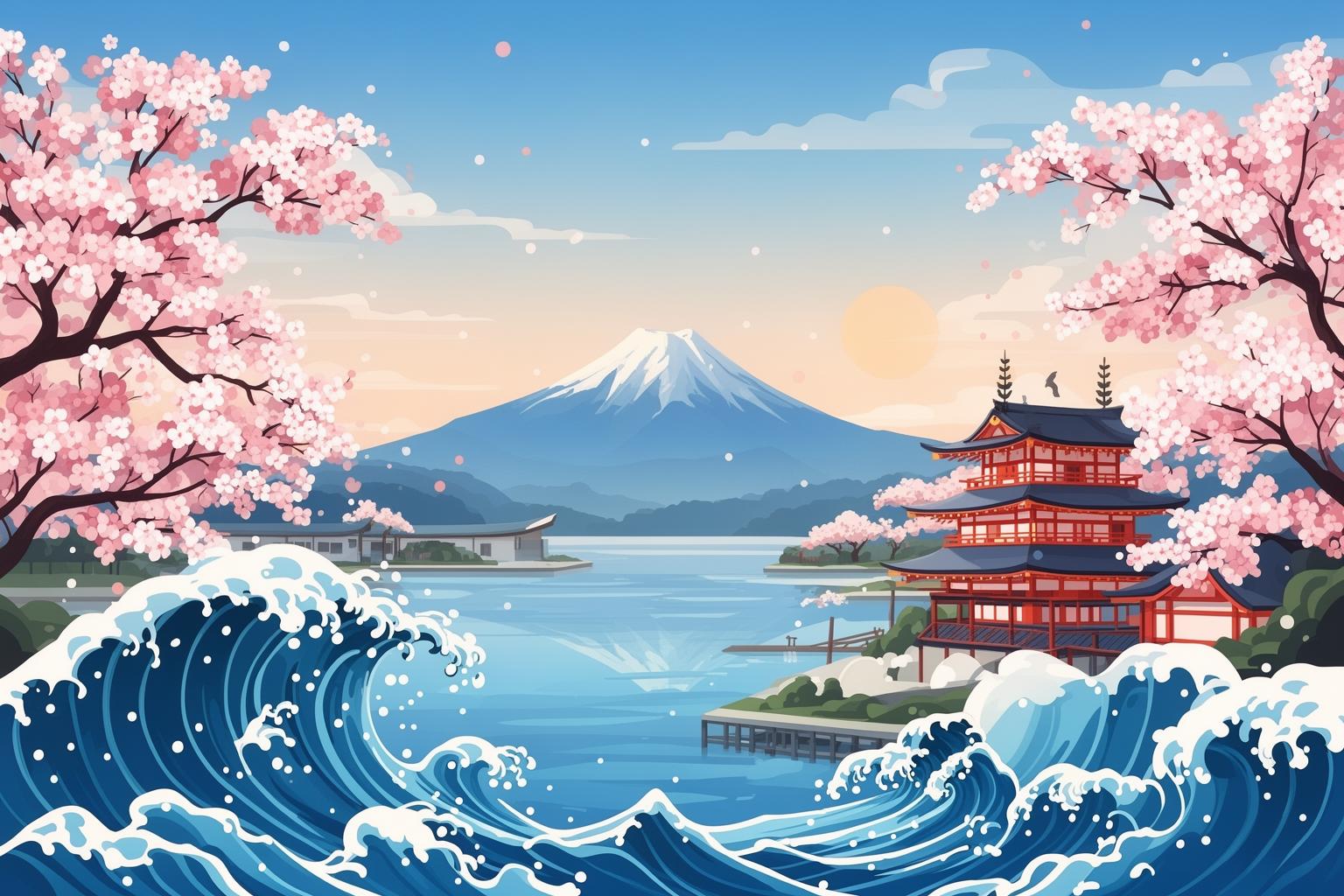
To truly grasp City Pop, you must first understand the environment from which it emerged. Japan in the late 1970s and 1980s was a country riding high on its own achievements. The post-war “economic miracle” had reached its peak. Tokyo had transformed into a dazzling metropolis of cutting-edge technology and seemingly endless opportunities. Japanese companies were acquiring global real estate, their electronics dominated international markets, and a newly established urban middle class enjoyed something previously rare: disposable income and leisure time. This new reality called for a fresh soundtrack. The angst-ridden folk and protest songs of the 60s and 70s felt entirely out of place in this neon-lit utopia. People sought music that mirrored their ambitions. They wanted something sophisticated, cosmopolitan, and smooth.
Crafting the Sound of Affluence
Japanese musicians, many deeply influenced by Western music, began to forge a new formula. They combined the polished studio techniques of American AOR (Adult-Oriented Rock) bands like Steely Dan and Toto, the irresistible grooves of funk and soul, the breezy melodies of West Coast soft rock, and the complex harmonies of jazz fusion. They fused these elements with a distinctly Japanese melodic sensibility, creating a sound both recognizable and wholly original. Artists like Tatsuro Yamashita, often dubbed the “king” of City Pop, became meticulous studio craftsmen, layering dozens of tracks to produce lush, intricate soundscapes. His wife, Mariya Takeuchi, contributed lyrical grace and pop appeal. Toshiki Kadomatsu delivered dynamic, funk-driven anthems perfect for a summer night drive. The era’s technology was essential. Japan led the way in audio innovation. Tokyo’s world-class recording studios featured the latest mixing consoles and synthesizers, such as the iconic Yamaha DX7. This enabled producers to craft a sound that was impeccably clean, crisp, and futuristic. It was music engineered to sound luxurious, designed for playback on high-fidelity Sony Walkmans and Pioneer car stereos that Japan exported worldwide. The medium and the message merged: a celebration of technological and economic dominance.
The City as the Muse
The “City” in City Pop is indispensable, and it almost always signifies Tokyo. But it was not the cramped, everyday Tokyo of reality. Rather, it was an idealized, cinematic version of the city. The lyrics seldom addressed daily struggles or social critique. Instead, they depicted snapshots of a glamorous urban lifestyle. The themes were universal but specific to this aspirational way of living: cruising the Shuto Expressway at night with city lights blurring into neon streaks; enjoying cocktails in a high-rise hotel bar overlooking the skyline; a brief summer romance at a Kanagawa seaside resort; the bittersweet solitude among the sophisticated anonymity of the metropolis. This was urban life as a movie, with you as the protagonist. Songs bore titles like “Midnight Pretenders,” “Ride on Time,” and “Magic Ways,” conjuring feelings of effortless cool and romantic possibility. It was pure escapism, a sonic mood board for the life everyone dreamed of living.
More Than Music: The Aesthetics of an Era
The influence of City Pop reaches far beyond its sound; its visual identity plays an equally vital role in defining the subculture, crafting a fully immersive fantasy. The album art from that time stands as a genre in itself, establishing the visual lexicon of the bubble economy’s dreamlike world. It wasn’t merely packaging; it was a gateway.
A Visual Passport to Paradise
Two artists, in particular, Hiroshi Nagai and Eizin Suzuki, emerged as the quintessential visual architects of the City Pop style. Their work is instantly recognizable and has become inseparable from the music. Drawing heavily from American pop art and surrealism, they created hyper-real depictions of endless summers. Nagai’s paintings, featured on albums by Eiichi Ohtaki and many others, are renowned for their impossibly blue skies, crystal-clear swimming pools, and sleek, modernist buildings. Classic American cars and gently swaying palm trees often appear, yet people are rarely present. This absence is crucial, allowing viewers to imagine themselves within the scene, envisioning the serene paradise as their own private sanctuary. Eizin Suzuki’s art takes a slightly more vibrant and energetic approach to the same fantasy. His illustrations are rich in detail: seaside towns with classic cars, advertisements for American products, and an overall vibe of sun-drenched, breezy Americana filtered through a Japanese perspective. This visual language was selling a lifestyle—a blending of the California dream and Japanese technological sheen, promising endless leisure and refined relaxation. A City Pop album cover felt like a travel poster for a place that didn’t quite exist, yet seemed tantalizingly real.
The Inevitable Hangover
No party lasts indefinitely. The dizzying heights of the Japanese bubble economy were fueled by speculation and inflated asset prices. In the early 1990s, the bubble burst dramatically. The stock market collapsed, real estate values plunged, and Japan entered a prolonged period of economic stagnation known as the “Lost Decades.” The cultural atmosphere shifted significantly. The boundless optimism of the 1980s vanished, replaced by anxiety, introspection, and a sense of disillusionment.
From Mainstream to Bargain Bin
In this changed environment, City Pop suddenly felt hopelessly out of touch. Its carefree lyrics about luxury cars and seaside romances seemed naive, even offensive, to a generation now grappling with job insecurity and a shrinking economy. The slick, high-budget production that once sounded contemporary now simply sounded outdated. The genre fell out of favor almost overnight. It became the embarrassing music of an era of excess, the type of thing you’d find in the 100-yen bargain bin at a used record store. For nearly two decades, City Pop was largely forgotten in Japan, a cultural relic of a time most preferred to avoid recalling too much. But while Japan was trying to move on, a new generation of listeners across the globe was about to uncover its charm.
The Digital Rebirth and Global Nostalgia
The revival of City Pop was not driven by record labels or marketing teams. Instead, it emerged as a grassroots movement, fueled by the unique ways we discover culture in the internet era. It began with a small group of passionate Western DJs and music collectors who scoured Japanese bargain bins for rare beats and hidden treasures. They appreciated the exceptional musicianship and production quality, sampling the tracks and sharing them with niche audiences.
The Algorithm Recommends a Dream
Then came the spark. Early in the 2010s, microgenres like Vaporwave surfaced, sampling 80s and 90s corporate and commercial music—including City Pop—by slowing it down, chopping it up, and enveloping it in a haunting, melancholic reverb. This transformed the optimistic sounds of the past into the eerie soundtrack of a forgotten future, preparing the ears of a new online generation. The real surge, however, was fueled by the YouTube algorithm. Around 2017, for reasons only its coded logic knows, the platform started recommending an unofficial upload of Mariya Takeuchi’s “Plastic Love” to millions worldwide. Listeners of indie rock, hip-hop, or electronic music suddenly encountered this 1984 Japanese pop track in their feeds. They clicked, they listened, and became captivated. The algorithm then introduced them to more: Tatsuro Yamashita, Anri, Miki Matsubara. A forgotten subculture was revived—not in Tokyo’s bars, but within the browsers of a global audience.
Nostalgia for a Future We Never Had
This brings us to the core question: why now? For the millennial and Gen Z audiences outside Japan who embrace City Pop, it isn’t nostalgia for a past they lived through. Rather, it’s a yearning for the feeling that past conveys. City Pop’s 1980s era, seen through its lens, evokes a simpler, more hopeful time: pre-9/11, pre-social media, pre-climate crisis. It was when the future seemed to hold promises of flying cars and sleek technology, not dystopian gridlock. The music’s underlying melancholy—the bittersweet chords and lyrics about fleeting love—adds emotional complexity, preventing it from becoming mere kitsch. It captures a simultaneous happiness and sadness, a beautiful ache resonating deeply with the modern experience. City Pop has evolved into the ultimate soundtrack for late-night drives, quiet moments of reflection, and daydreams of a less complicated life. It is a subculture rooted in a shared fantasy: that of a stylish, prosperous, and fundamentally hopeful world. It serves as a reminder of a dream of the future—that like the bubble economy itself—was beautiful, intoxicating, and ultimately unsustainable.