Walk through any major Japanese city once the sun dips below the skyline, and you’ll see the familiar glow. Lanterns flicker to life outside izakayas, spilling warm light onto the pavement and inviting you into cozy, seated worlds of shared plates and long conversations. But look closer, especially around the train stations and down the narrow side-streets, and you’ll find a different kind of establishment. These are the tachinomi, or standing bars. They’re often little more than a counter in a shoebox-sized space, crowded with people shoulder-to-shoulder, all on their feet. There are no chairs, no comfortable booths to retreat into. To the uninitiated, it can look a bit baffling, maybe even uncomfortable. Why would anyone choose to stand when they could be sitting? It seems like a compromise, a bug in the system. But that’s missing the point entirely. The standing-only format isn’t a limitation; it’s a feature. It’s a piece of brilliant, deliberate social design that engineers a specific kind of human interaction—one that is fast, fluid, and uniquely suited to the rhythms of modern urban life in Japan.
The pulsating energy of these crowded venues mirrors the dynamic urban aesthetics found in the insta-bae hunt, where every fleeting moment is a snapshot of modern life.
The Architecture of Immediacy
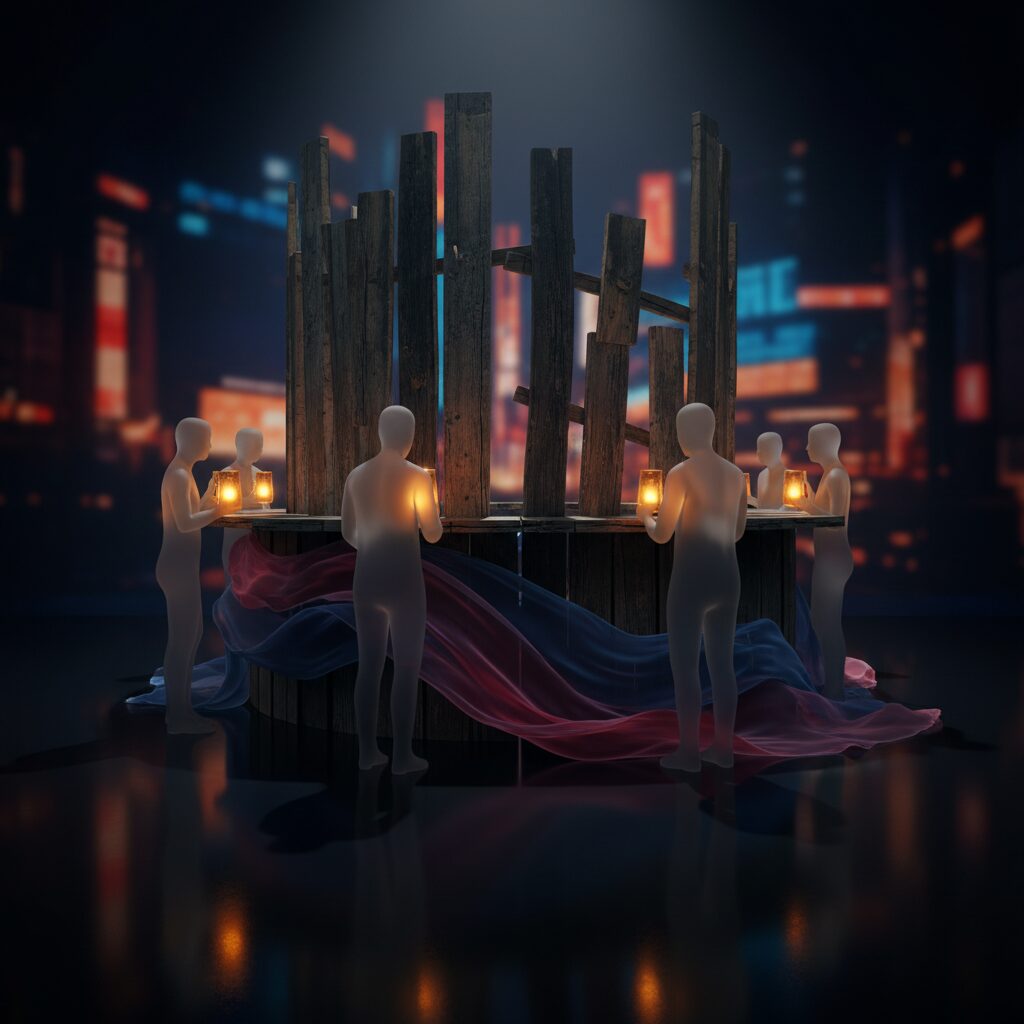
The first thing to grasp about a tachinomi is that the space itself serves as the rulebook. The absence of chairs is the most noticeable, yet also the most significant, design element. It fundamentally changes the social dynamics within the room. When seating is removed, you eliminate the primary way people claim territory and establish personal space. In a seated bar, your table and chairs create a semi-private island where you stay with your group, and others remain in their own bubbles. Interrupting another group’s conversation feels like a serious social breach. Both literal and figurative barriers are everywhere.
A tachinomi breaks down those barriers. By requiring everyone to stand, it places everyone on a single, shared level. There are no private islands, only a communal sea. Your personal space shrinks to the immediate area around your body, constantly pressing against someone else’s. This close proximity naturally lowers the barrier for interaction. You’re not disturbing a settled meal; you’re simply turning to the person next to you at the shared counter. The environment is inherently transient. Everyone tacitly understands that no one is staying for long. This creates what I’d call “low-stakes sociability,” where the commitment is minimal in terms of both time and social energy.
The Counter as a Stage
Most tachinomi bars are centered around a communal counter, often L-shaped or U-shaped. This setup is not just for serving efficiency. It transforms the interior into a kind of theater-in-the-round. The bartender, or taisho (master), stands at the center, the focus of attention. More importantly, customers face each other, rather than retreating into separate zones. You can see everyone, and everyone can see you. Snippets of conversations float across the bar, you notice what others are ordering, and you observe the camaraderie between regulars and the master.
This arrangement fosters a passive engagement with the room’s collective energy. It draws you out of your own thoughts and makes you aware of those around you. Remaining anonymous and detached is difficult when you’re part of a circle. The acoustics of these small, often hard-surfaced spaces add to this effect. Sound reflects and mingles, blending conversations into a lively hum. This ambient buzz makes it natural to add your own voice to the mix. The space is deliberately designed to make you feel like a participant, not just a customer.
The Unspoken Social Contract
Because the physical design is highly intentional, it leads to a set of unwritten rules that everyone appears to understand instinctively. The primary rule is transience. A tachinomi is not meant to be an all-evening destination; it serves as a waystation. It’s a place for a quick drink and a snack before catching the last train home, a brief pause to unwind between work and family, or a warm-up stop before a more formal dinner. The standing posture itself serves as a constant, subtle reminder: you’re here for a good time, not a long time. This shared understanding is the key to unlocking the bar’s social potential.
Knowing that everyone is on a similar, limited schedule removes much of the social pressure. A conversation with a stranger might last the length of a single beer and then end naturally, without awkwardness, when one person pays their tab and leaves. There’s no expectation to exchange contact details or become lifelong friends. The aim is simply a pleasant, fleeting connection. This fosters a much broader range of interactions than you might find in a traditional bar. You can chat with anyone about anything—the weather, baseball, the sake’s quality, the day’s strange news story—because the interaction has a built-in expiration. It creates a temporary autonomous zone for effortless socializing.
The Economics of Standing
There’s also a practical aspect to this format. The tachinomi model is extremely space-efficient. By removing chairs and large tables, an owner can accommodate far more patrons in a small space. This high-density approach directly benefits customers with lower prices. Drinks and food at a tachinomi are nearly always cheaper than at seated venues. A draft beer, a glass of sake, and a couple of small plates can often be had for around ten or fifteen dollars.
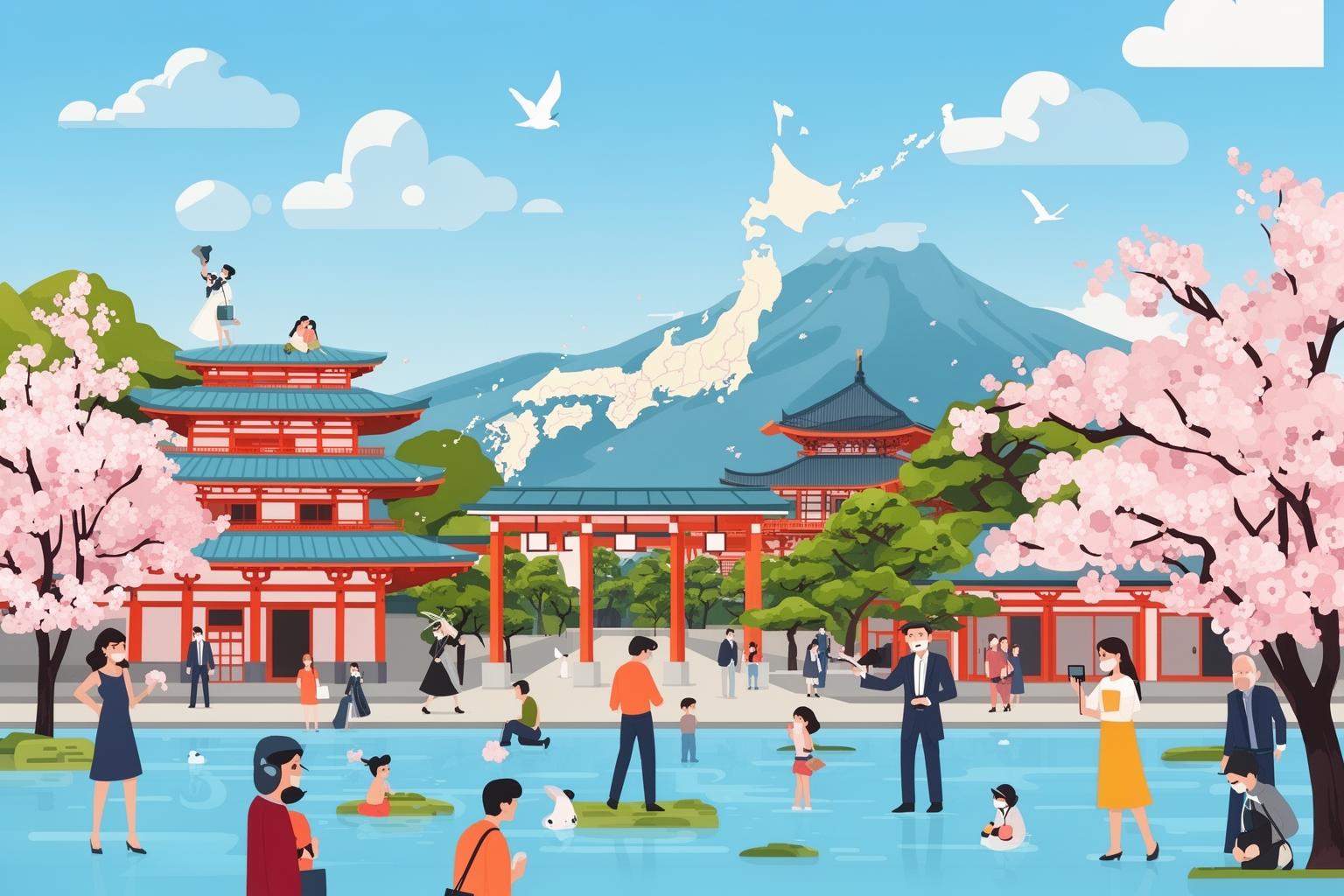
This affordability makes the tachinomi a truly democratic space. On any given night, you’ll find a diverse mix of people standing shoulder-to-shoulder: a blue-collar construction worker alongside a white-collar salaryman, a young university student next to a retired pensioner. The low cost of entry means everyone is welcome, and the shared experience of standing at the counter levels the field. Status and hierarchy, which are so significant in other parts of Japanese life, seem to soften and fade within the warm, lively atmosphere of the standing bar. Judgments are based not on business cards, but on one’s ability to engage in friendly conversation.
The Master as Social Conductor
If the space is the stage, the taisho is the director. The role of the master in a great tachinomi goes well beyond just pouring drinks and preparing food. A skilled master serves as a social lubricant, a community hub, and the guardian of the establishment’s distinctive atmosphere. They excel at short, friendly exchanges, easily engaging multiple customers simultaneously without missing a beat. They remember regulars’ favorite drinks, inquire about their work, and possess an encyclopedic knowledge of their own menu.
Importantly, they often act as a bridge between patrons. A good master senses the room’s energy and knows when to subtly connect people. They might say, “Ah, Tanaka-san, you’re also a fan of the Hanshin Tigers? This gentleman here was just at the game yesterday.” And just like that, a conversation begins. They foster an environment that feels like a private club, even if you’ve never been there before. This personal touch is what transforms a tachinomi from a simple drinking spot into a true “third place”—a home away from home where you can briefly set aside the burdens of the day and connect with other people.
A Stage for Fleeting Moments
Ultimately, the charm of the tachinomi lies in its celebration of the fleeting. It is a space meant not for forging lasting friendships, but for gathering transient moments of human connection. It’s the shared laugh with a stranger when you both choose the same obscure dish. It’s the brief, passionate debate about politics with someone you’ll never encounter again. It’s the quiet nod of solidarity with another person who clearly had a tough day at the office. As a photographer, I’m always seeking these unscripted, genuine moments, and a tachinomi is a treasure trove for them.
In a culture that often prizes reserve and subtlety, the tachinomi offers a valuable release valve. It is a place where the usual rules of social interaction are momentarily lifted in favor of something more immediate and spontaneous. The intentional discomfort of standing is, ironically, what makes it so socially inviting. It removes pretense and pulls you into the present moment, into a shared space with those around you. It’s a powerful reminder that sometimes the most meaningful connections are the ones not meant to last beyond the time it takes to enjoy one more drink.