You’ve survived the photo booth itself. The countdowns, the slightly awkward poses dictated by a cheerful cartoon voice, the flash that seems to temporarily rearrange your atoms. You and your friends stumble out of the curtained box, blinking, into the neon din of the arcade. But the main event hasn’t even started yet. You’re ushered to a separate station, a glowing screen that displays the six or eight photos you just took. A frantic timer appears in the corner, counting down from five minutes. This, my friend, is where the real magic—and the real chaos—begins. This is the world of rakugaki.
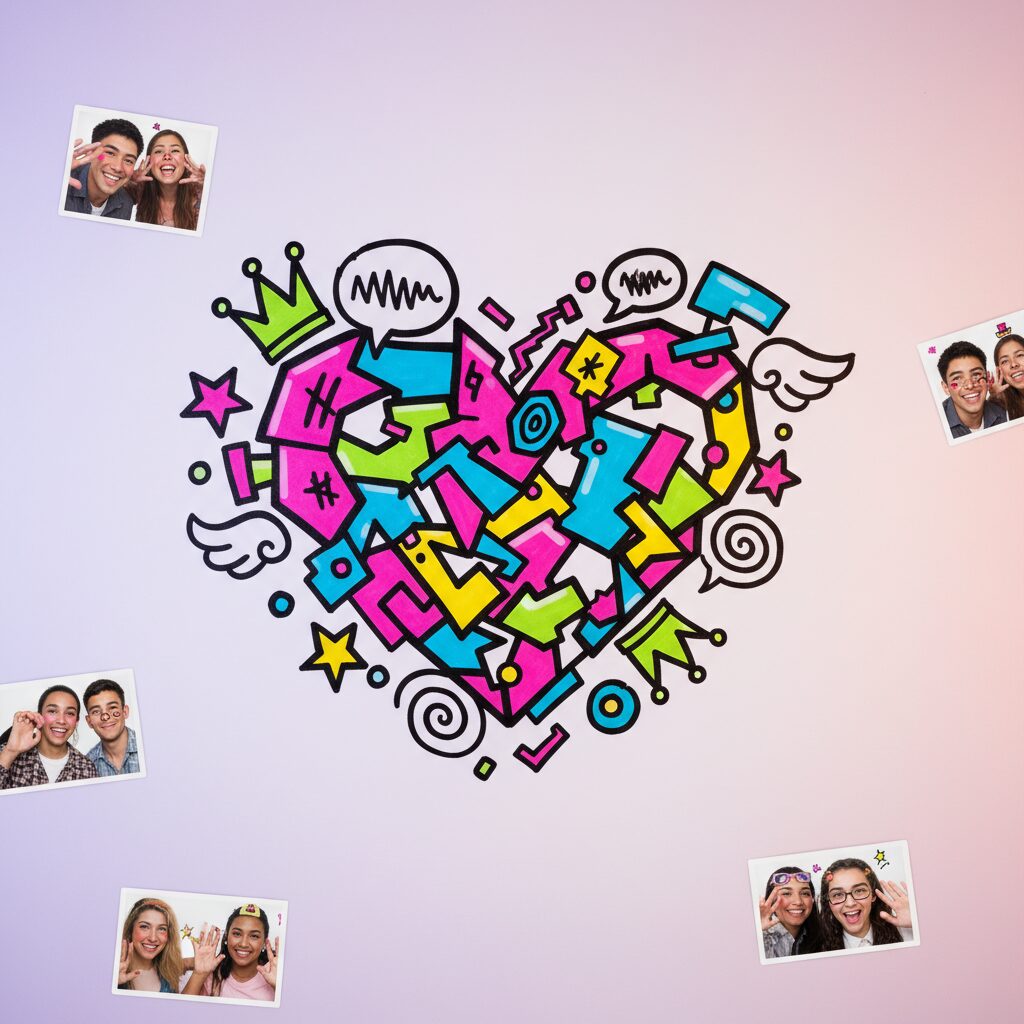
Rakugaki (落書き) literally translates to “scribbling” or “doodling.” In the universe of Purikura, however, it’s an art form. It’s the ritualized, high-pressure, collaborative process of digitally decorating your photos until they are a shimmering, sparkling, hyper-kawaii testament to your friendship and your mastery of current trends. Forget a simple filter. Rakugaki is a full-blown digital surgery and graphic design sprint rolled into one. It’s the soul of the Purikura experience, transforming a simple snapshot into a cultural artifact. To skip the rakugaki session is to fundamentally misunderstand the point of getting into that booth in the first place. It’s like ordering a pizza and not eating the toppings. This is where you cook the memory, adding the flavor, the texture, and the secret ingredients that make it uniquely yours.
The explosive energy of rakugaki finds a kindred spirit in Tokyo’s dynamic K-pop scene, where urban creativity transforms everyday moments into cultural statements.
The Blank Canvas: An Already Perfected Lie
Before you even pick up the stylus, it’s crucial to understand what you’re dealing with. The photos on the rakugaki screen are far from an accurate reflection of reality. The Purikura machine has already applied extensive automated digital enhancements—a process honed over decades to create a distinct, idealized Japanese aesthetic.
First, there’s the skin. Every blemish, pore, or imperfection is smoothed away into a flawless, soft-focus glow. This effect is called bihada (美肌), or “beautiful skin,” and it’s non-negotiable. Next are the eyes, which are subtly or sometimes noticeably enlarged—a feature known as dekame (デカ目), or “big eyes.” The software detects your eyes and digitally enlarges them, often adding a sparkling highlight to make them look wider and more doll-like. Your facial structure may be slimmed down, your jawline sharpened into a delicate V-shape, and if your legs are visible, they’re often lengthened to model-like proportions. The lighting is designed to be as flattering as possible, erasing shadows and creating an ethereal glow.
Thus, the face you’re about to decorate is already a constructed fiction. It’s an idealized avatar that loosely resembles you. This is an essential insight. The purpose of rakugaki isn’t to “correct” flaws or create a better version of your real self. Instead, it’s to take this already perfected digital mask and enhance it, to stylize it, claim it, and imbue it with personal meaning and cultural symbols. You’re not drawing on a photo of yourself; you’re decorating a character you’re embodying for the day.
The Rakugaki Toolkit: An Arsenal of Digital Expression
The rakugaki screen offers a dazzling array of choices, a digital palette that can feel overwhelming to beginners. Mastering these tools under the pressure of a ticking clock is a rite of passage for Japanese teenagers. While machines differ, the essential components of the toolkit remain consistent.
Pens and Brushes: The Personal Touch
The most essential tool is the digital pen, used for the most personal and direct form of decoration. The options are vast. There are simple, solid-color pens for writing names, the date, or the location of your outing—the basic details of the memory. Then there are more expressive options: neon pens that glow against the background, glitter pens that leave shimmering sparkles, rainbow pens that cycle through colors as you draw, and patterned pens that might create lines of tiny stars or hearts.
This is where you and your friends write inside jokes, commemorative phrases, and declarations of friendship. The handwriting itself becomes part of the overall look. A messy, quick scrawl can convey fun and spontaneity, while a carefully drawn message shows effort and affection. Drawing simple hearts, stars, or animal whiskers onto your faces is a classic move, physically linking the people in the photo with the cute chaos around them.
Stamps: The Shared Language of Kawaii
While pens are for personal messages, the stamps—or sutanpu (スタンプ)—serve as the cultural vocabulary. Every Purikura machine is loaded with a vast, constantly updated library of digital stamps. Pressing the stamp button reveals a treasure trove of tiny images that can be placed, resized, and rotated anywhere on the photo. These aren’t random clip art; they are a carefully curated selection of motifs reflecting current youth trends.
The stamp libraries are neatly categorized. You’ll find cute animals like cats, bears, and rabbits, often in a whimsical, hand-drawn style. Seasonal stamps appear for cherry blossoms in spring, fireworks in summer, and snowflakes in winter. There are trendy food and drink stamps, like bubble tea or elaborate parfaits. Most importantly, text-based stamps feature fashionable phrases, ranging from simple English words like “LOVE” or “BFF” to specific Japanese slang. A classic example is 「ズッ友」(zuttomo), a shortened form of 「ずっと友達」(zutto tomodachi), meaning “friends forever.” Using the right stamps signals that you’re part of the in-group. They act like memes or emojis, shortcuts for expressing feelings or identities instantly understood within the subculture.
Makeup and Retouching: The Final Polish
Just when you think your face can’t be changed any more, you discover the digital makeup palette. This goes far beyond the machine’s automatic enhancements and offers manual, detailed control. You can add a sweep of pink blush to your cheeks, change lipstick colors or add a glossy finish, and even apply eyeshadow or eyeliner. One of the most popular features lets you enhance the namida-bukuro (涙袋), the small puff of skin beneath the eyes, considered a mark of youthful beauty in Japan. The highlighting tool makes this area stand out, making your eyes appear larger and friendlier.
You can also make more drastic changes. Tools allow you to slim your nose manually, enlarge your pupils further, or add extra sparkle to your irises. It’s a process of layering artifice upon artifice. Again, this isn’t motivated by insecurity. It’s a form of play, like a digital dress-up game. It’s about creating a look, an aesthetic, a character. It’s about achieving a distinct vision of “cute” that’s understood and celebrated in Purikura culture.
The Unspoken Rules and Rituals
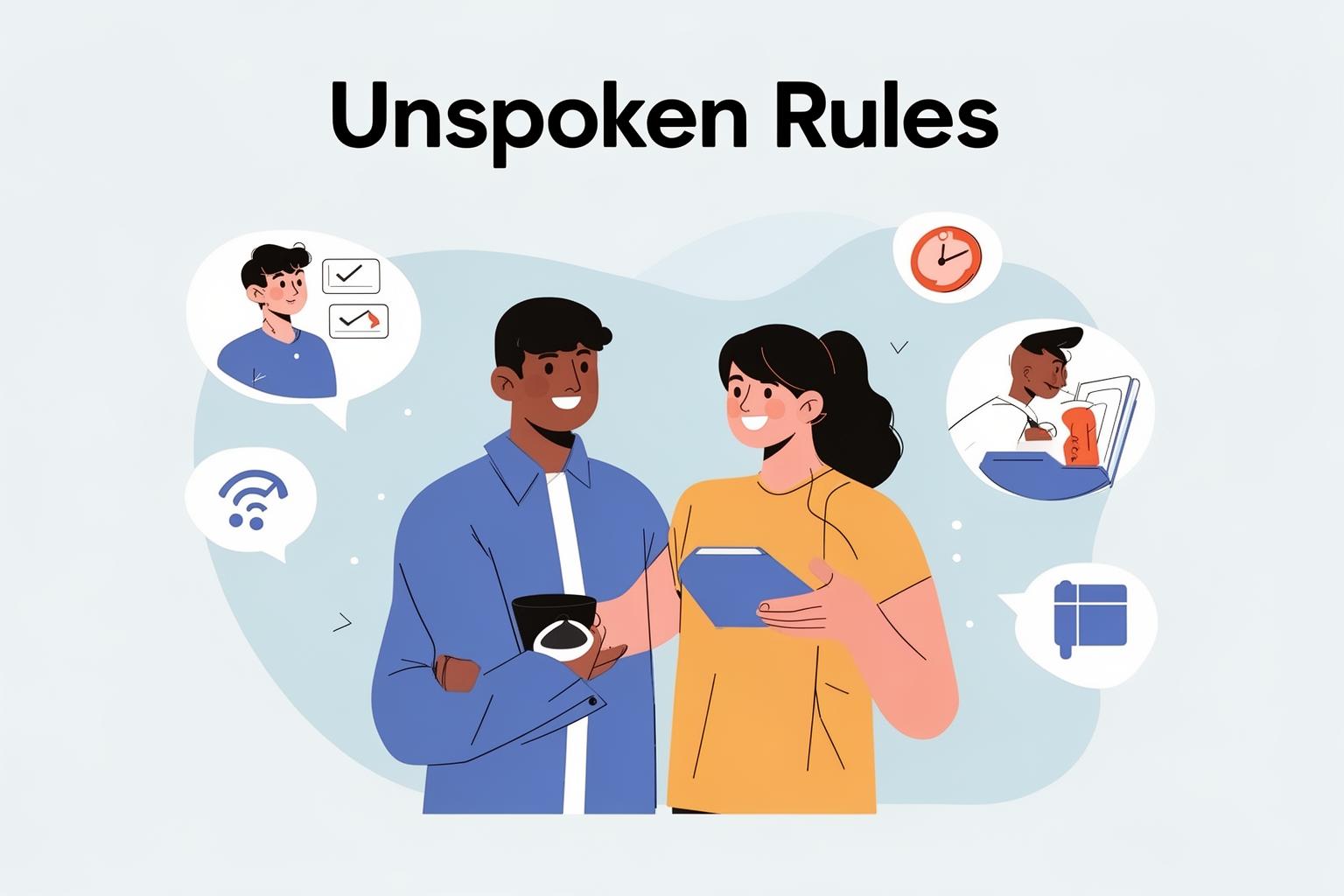
Understanding the tools is one thing; understanding the culture surrounding their use is quite another. The rakugaki experience is shaped by a set of unwritten rules and social rituals that hold equal importance to the final product itself.
The Pressure of the Countdown
The defining characteristic of a rakugaki session is the timer. Typically, you have between three to seven minutes to decorate multiple photos. This time frame is never sufficient. The result is a burst of energetic, rapid collaboration with no room for quiet reflection. The booth buzzes with a flurry of activity and communication: “I’ll handle the makeup on this one, you start writing the date on the next!” or “Quick, find the cat stamp! The one with the bow!”
This time pressure is intentional, not a flaw. It compels you to make swift, instinctive choices, turning the decoration process into a thrilling, shared challenge. The frantic energy and laughter from racing against the clock form a core part of the bonding experience. The slightly imperfect, hurried quality of the final creation stands as proof of the fun had during its making.
A Symphony of Collaboration
Rakugaki is rarely a solo activity. When you’re in the booth with friends, decorating becomes a collective effort. Often, the station provides two styluses, enabling two people to work at once. This demands a surprising level of coordination and non-verbal communication. One person might lead the overall design while the other handles specific details, or you may divide the photos and each take on a few for decoration.
The choices made reflect the group’s dynamic. The inside jokes you jot down, the stamps representing shared interests, the way you frame the group with hearts or stars—all reinforce your collective identity. The final sheet of stickers is more than just a compilation of portraits; it’s a collaboratively created artwork that narrates your relationship. It serves as both a physical and digital keepsake of your friendship on that day.
The Maximalist Aesthetic
Western design often values minimalism, negative space, and a “less is more” approach. Rakugaki’s traditional aesthetic is the complete opposite. Its core principle is maximalism. Every blank space invites more decoration. A photo isn’t deemed “finished” until it overflows with color, text, and stamps. It should feel vibrant, energetic, and nearly overwhelming in its busyness.
This aesthetic aims to evoke joy, abundance, and youthful energy. A sparsely decorated photo can seem lonely or dull. In contrast, a photo layered with glitter, cute characters, and handwritten notes feels warm, lively, and full of affection. It visually represents a happy, fulfilling moment. Though recent trends have leaned slightly toward cleaner designs, the spirit of joyful excess continues to lie at the heart of Purikura culture.
The Evolution of Rakugaki Styles
The appearance of Purikura has never been fixed. The rakugaki aesthetic serves as a sensitive indicator of Japanese youth fashion and cultural trends, evolving significantly since the first booths emerged in the mid-1990s.
The 90s and Early 2000s: The Gyaru Era
In its early days, Purikura was heavily influenced by gyaru (gal) culture. Rakugaki from this era featured thin, occasionally pixelated pen lines in bright, neon colors. Handwritten text was essential, with girls scribbling their names, school affiliations, and slang all over the images. Brand logos, especially from surf-inspired gyaru brands like Alba Rosa with its hibiscus flower motif, were popular stamps. The aesthetic was somewhat rougher and more DIY, perfectly complementing the tanned skin, bleached hair, and vibrant fashion trends of the time.
The Mid-2000s to 2010s: Peak Kawaii Maximalism
This period marked the golden age of the hyper-stylized Purikura look. Advances in technology allowed for more sophisticated filters and a greater variety of rakugaki tools. The dekame (big eye) effect intensified, creating the iconic alien-like, doll-eyed appearance. Rakugaki became densely packed and highly elaborate, with photos nearly covered by layers of glittery stamps, patterned backgrounds, and large decorative text. The aim was to be as cute and extravagant as possible, bursting with pink, sparkles, and sweet motifs.
The Modern Era: The Influence of Social Media
Today, the rakugaki aesthetic has grown more diverse. While the classic maximalist style remains an option, many newer machines provide a subtler, more “natural” look. This shift is influenced by the clean, minimalist aesthetic popularized by Instagram and the increasing popularity of Korean culture. Filters tend to focus on producing a dewy, translucent skin effect, or nuke-kan (抜け感), rather than heavily altering features. Rakugaki options often incorporate muted pastel colors, delicate handwritten fonts, and simple, chic stamps. This style is crafted to be shared online without appearing overly processed—even though it remains carefully curated. This newer style exists alongside a nostalgic resurgence of the Y2K-era gyaru aesthetic, giving users the choice of which idealized reality to create.
Beyond the Booth: The Photo as Social Artifact

The Purikura experience doesn’t end when the timer reaches zero. The machine prints out a sheet of glossy stickers, often the most treasured keepsake from a day spent with friends. A small ritual follows: finding a pair of scissors and carefully cutting and distributing the stickers among the group. These tiny, decorated portraits become a kind of social currency.
In the pre-smartphone era, these stickers meant everything. They were collected in dedicated albums called purikura-chō (プリクラ帳), which acted as a physical record of your social life. They were stuck on the backs of flip phones, in school notebooks, and on personal belongings, serving as public declarations of friendship.
Today, the digital files are equally, if not more, significant. After the rakugaki session, you can have the decorated images sent directly to your phone. From there, they are promptly shared on Instagram Stories, Line profiles, and other social media platforms. The Purikura photo stands as undeniable proof of an event. It announces to your social circle: “We had fun together. Our friendship is real and active.” It is a carefully crafted, brightly colored, glitter-dusted expression of youth, identity, and connection, created under pressure and meant to be shared. It is far more than just a scribble; it is a language all its own.