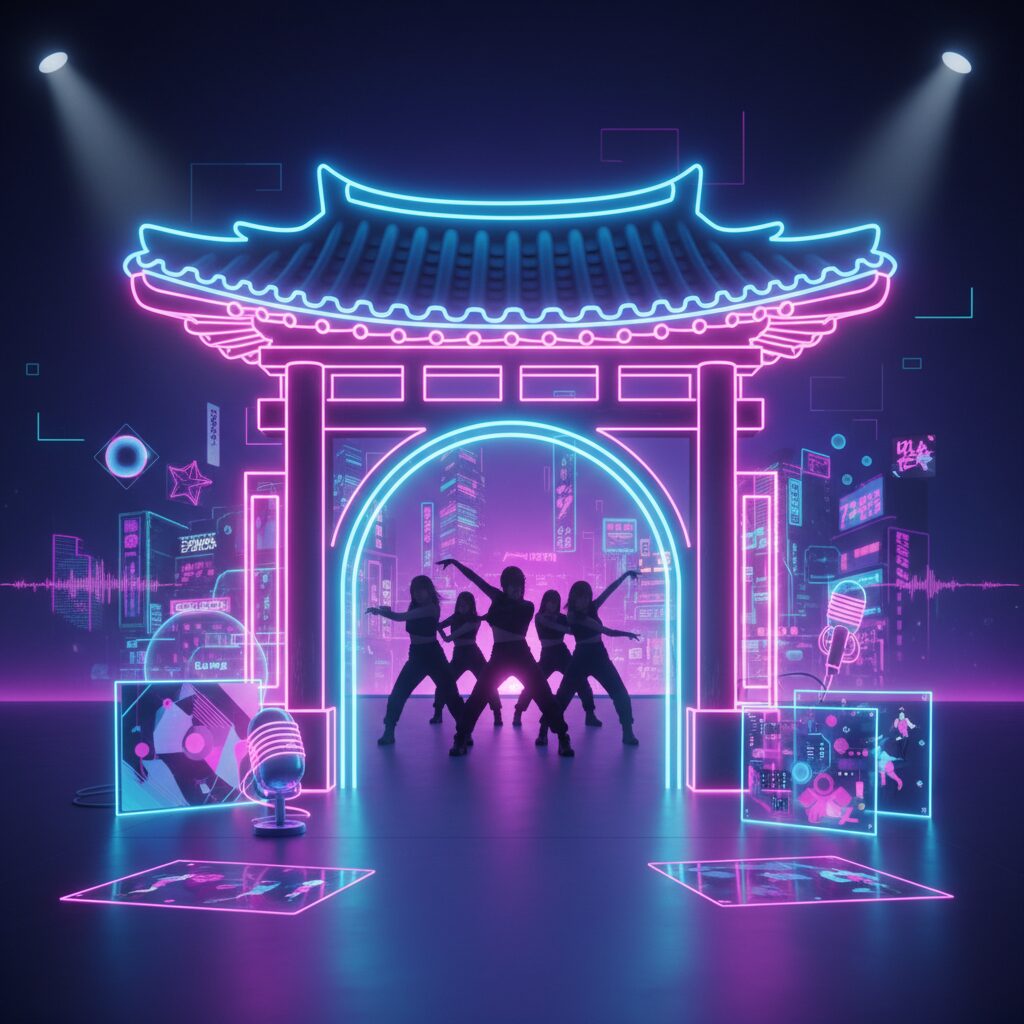
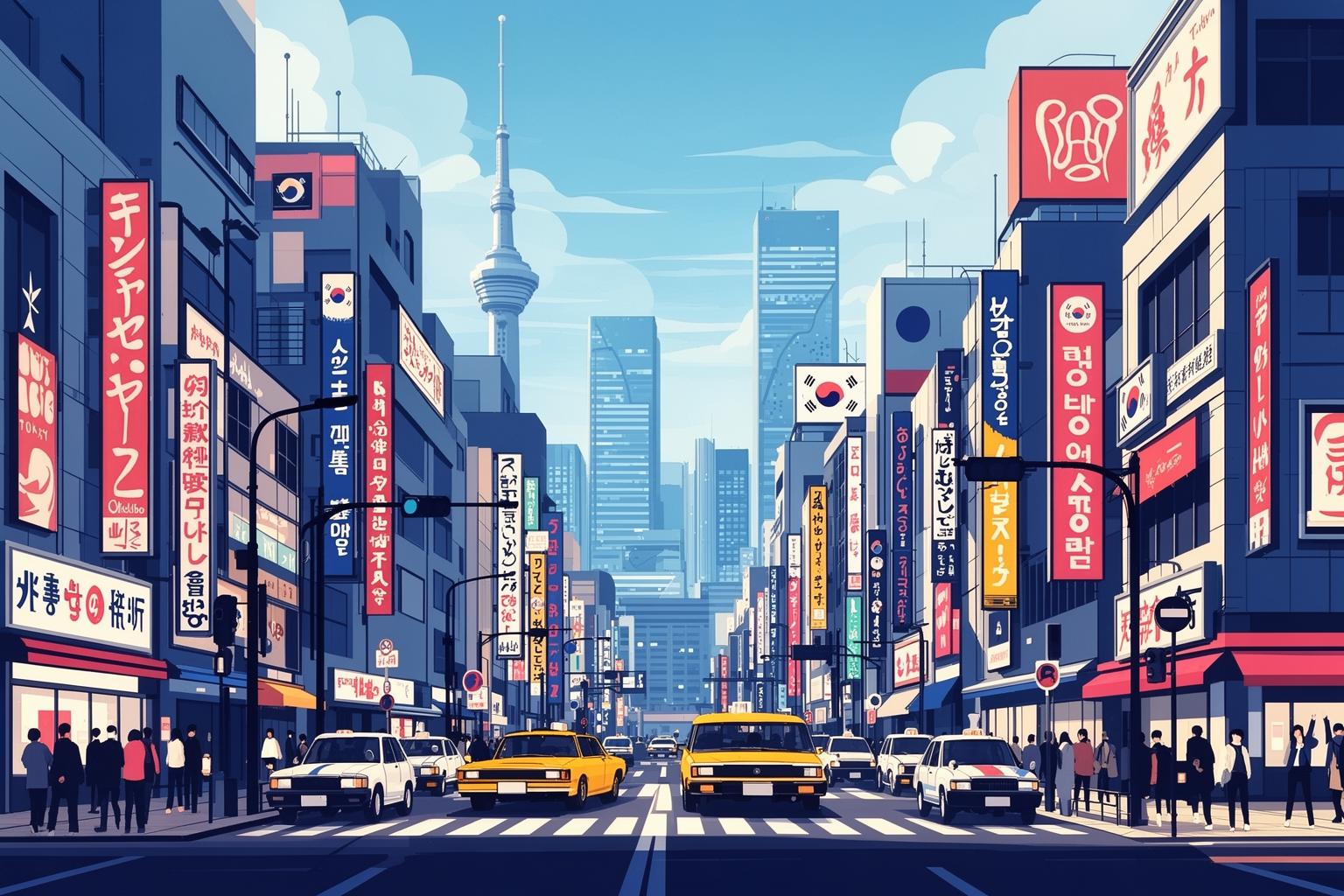
Step out of the train at Shin-Okubo Station, and the shift is immediate. You’re just one stop away from Shinjuku, the world’s busiest transport hub and a monument to orderly urban chaos. But here, the air itself feels different. The polished silence of a Tokyo department store is replaced by the thumping basslines of the latest K-Pop hits blasting from a dozen different storefronts. The subtle scent of dashi and soy sauce gives way to the sharp, inviting aroma of gochujang and sizzling pork belly. Crowds of teenagers, dressed in styles that feel more Seoul than Tokyo, clutch colorful drinks and browse shops overflowing with the faces of perfectly coiffed idols. This isn’t just another Tokyo neighborhood. It’s an enclave, a cultural embassy, a pilgrimage site. Shin-Okubo is Tokyo’s unofficial Koreatown, the vibrant epicenter of Japan’s obsession with Hallyu, the Korean Wave. But it wasn’t always this way. This loud, colorful, and relentlessly energetic neighborhood is the product of decades of migration, media, and savvy marketing. Understanding how it became the capital of K-Pop in Japan is to understand a fascinating story about cultural exchange, fandom, and the creation of a modern subculture.
The bursting energy of Shin-Okubo not only gives life to its K-Pop scene but also reflects the broader enthusiasm for modern trends, as seen in Japan’s itasha car culture, where vibrant anime aesthetics meet urban innovation.
A History Written in Layers
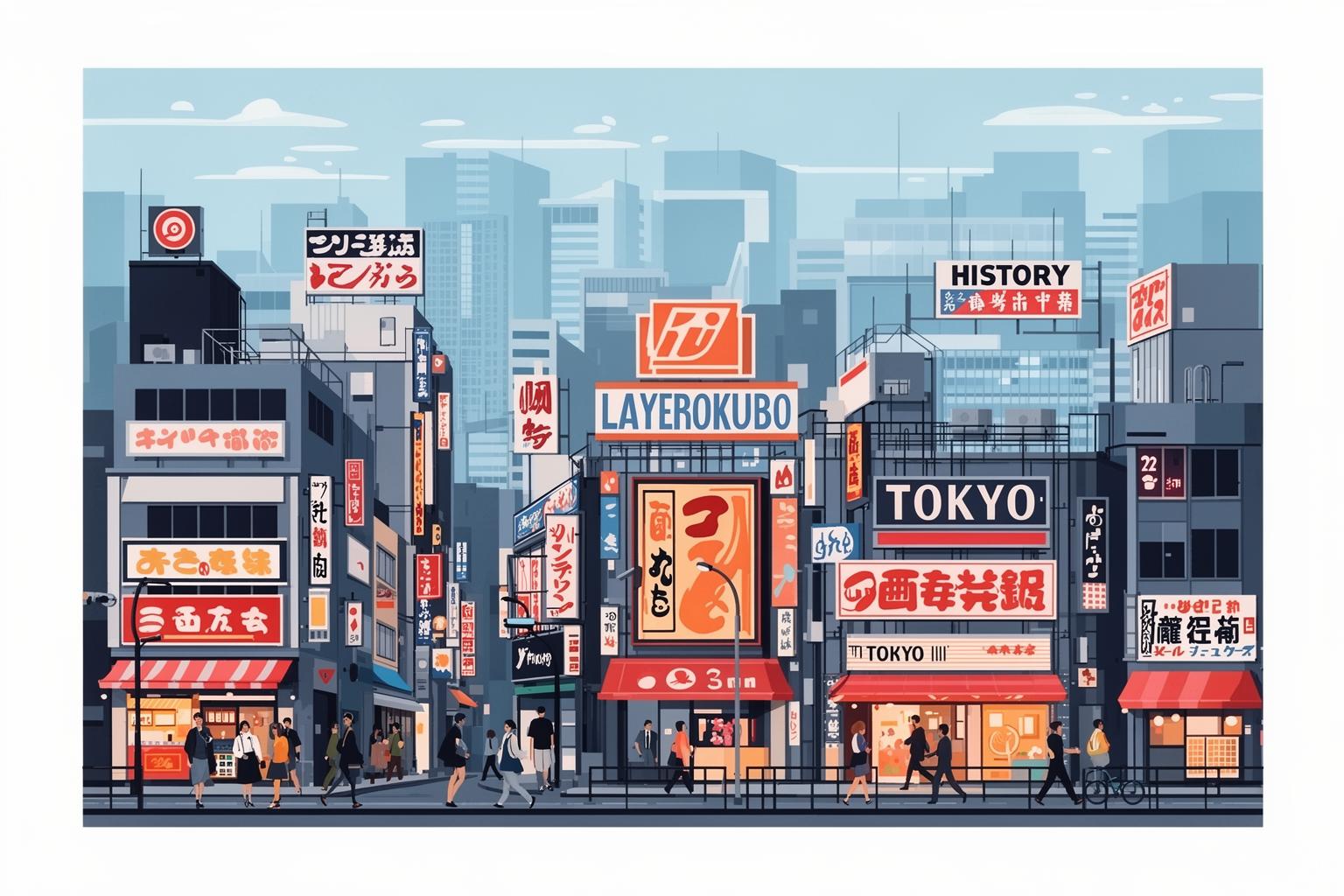
Before the glossy posters and high-tech cosmetics stores, Shin-Okubo was a much grittier, more practical neighborhood. Its identity is rooted in foundations laid long before the first K-Pop album was sold here. To fully appreciate the neon-lit present, one must understand its more muted past—a past deeply intertwined with the complex history between Japan and Korea.
The Post-War Roots
After World War II and the end of Japan’s colonial rule over Korea, many ethnic Koreans, known as Zainichi Koreans, found themselves in a vulnerable position in Japan. They established communities in affordable areas often overlooked by the mainstream. Shin-Okubo, conveniently located on the Yamanote Line but lacking the prestige of its neighboring districts, became one such community. It developed as a residential zone for working-class families, including a large Zainichi population. For decades, it remained a quiet neighborhood where people lived and worked, dotted with small Korean restaurants and grocery stores serving the local residents. It was a slice of home for its inhabitants but was hardly a cultural hotspot. It was functional, not fashionable—a community built out of necessity, not a shared passion for pop culture.
The First Korean Wave: Winter Sonata
The transformation didn’t begin with a big explosion but with a quiet, emotional TV drama. In 2003, the Japanese broadcaster NHK aired a South Korean drama titled “Winter Sonata” (“Fuyu no Sonata” in Japanese), which became a massive, unexpected sensation. The tragic love story, starring Bae Yong-joon (affectionately known as “Yon-sama” by Japanese fans), captivated a wide audience, especially middle-aged Japanese women. This marked the first major wave of Hallyu to wash over Japan. Suddenly, there was widespread interest in Korean culture. Fans wanted to try the food shown on screen, listen to the soundtrack, and learn more about the country behind the touching story. Shin-Okubo—with its existing Korean businesses—was ideally positioned to meet this new demand. Small shops began stocking DVDs, posters of Yon-sama, and other memorabilia. Restaurants that had primarily served locals suddenly found themselves with lines of curious Japanese visitors. This initial wave was gentle, romantic, and appealed mostly to an older demographic, gently opening the door to Korean culture for a Japanese audience that had previously known little of its closest neighbor beyond news reports.
The K-Pop Revolution
If “Winter Sonata” opened the door, K-Pop burst it wide open and threw a lively dance party in the living room. The second, far more explosive Korean Wave that swept in during the late 2000s and early 2010s was an entirely different phenomenon. It was youthful, vibrant, and musically driven. This is what truly solidified Shin-Okubo’s reputation as a subculture hub and transformed it into the neighborhood we recognize today.
From Dramas to Idols
The change in demographic and interests was significant. The new icons of Hallyu weren’t sensitive drama protagonists; they were meticulously trained, impossibly synchronized idol groups. Acts like TVXQ (known as Tohoshinki in Japan), KARA, and Girls’ Generation (Shoujo Jidai) didn’t merely carve out a niche; they ruled the Japanese music charts. Their appeal was based on a mix of catchy, high-production-value music, remarkable dance skills, and a visual style that was both aspirational and approachable. Unlike the passive experience of watching a TV drama, K-Pop fandom was participatory. It demanded engagement. Fans learned choreographies, collected merchandise, and built strong online communities. The main audience shifted from middle-aged women to teenage girls and young adults attracted by the energy, fashion, and sense of community that K-Pop provided.
A Physical Space for Fandom
Shin-Okubo quickly adapted to serve this new wave of fans. Shops that once sold Yon-sama keychains now stocked the latest albums from Big Bang and SHINee. These weren’t merely CDs; they were elaborate packages featuring photo books, collectible photo cards, and posters, transforming a simple music purchase into a treasure hunt. Stores devoted entirely to K-Pop merchandise sprang up as shrines for devoted fans. Here, you could find everything: official concert light sticks, fan-made goods, magazines, and an endless variety of photos of your favorite idols. The neighborhood became a physical embodiment of online fandom, a place where fans could gather with friends, surrounded by others who shared their passion, and fully immerse themselves in their favorite groups’ worlds. It offered a tangible connection to an interest that largely existed on screens, making the subculture feel vivid and immediate.
The K-Beauty and K-Food Synergy
The K-Pop boom triggered a powerful ripple effect. Fans sought not only the music but the entire lifestyle. Korean idols were fashion and beauty trendsetters, which caught Japanese fans’ attention. When an idol was seen using a particular lip tint or face mask, demand soared. This fueled the K-Beauty boom. Major Korean cosmetic brands like Etude House, Nature Republic, and Skinfood established flagship stores along Shin-Okubo’s main street, Okubo-dori. These stores were bright, playful, and offered affordable yet high-quality products, making the flawless skin of Korean celebrities feel attainable. Likewise, Korean food trends, often spotlighted by idols on variety shows, became hugely popular. The neighborhood’s eateries evolved beyond traditional dishes to embrace viral food crazes. Suddenly, the must-have items weren’t just bibimbap; they were cheese dak-galbi (spicy stir-fried chicken with melted cheese) and cheese hotteok (cheese-filled sweet pancakes), both perfectly designed for sharing on Instagram. This synergy created a complete cultural ecosystem. You could listen to the music, buy the cosmetics, and enjoy the food, all within a few blocks. Shin-Okubo wasn’t merely selling K-Pop; it was offering a stylish, trendy, and highly consumable version of contemporary Korean youth culture.
Who Comes to Shin-Okubo and Why?
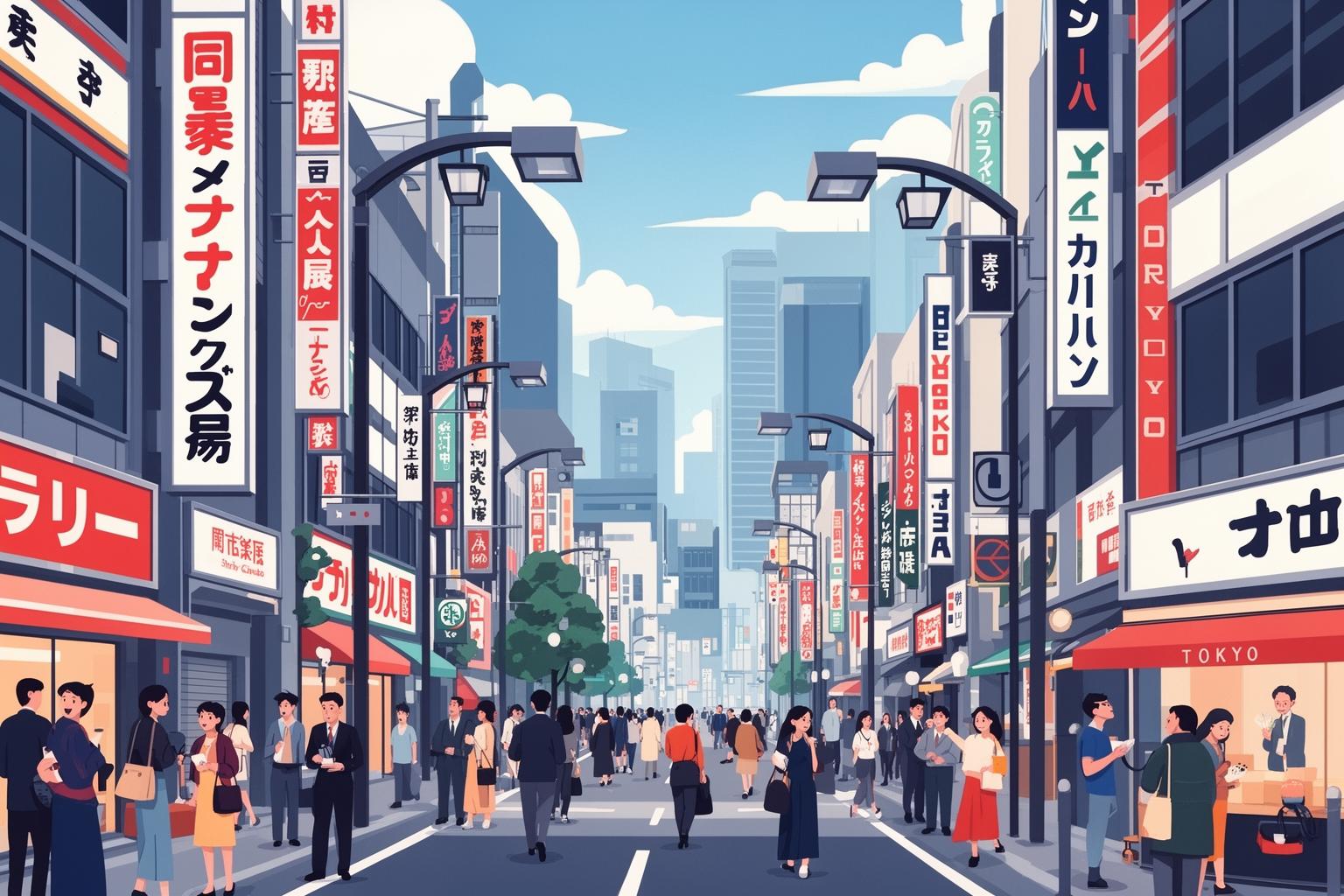
Today, the streets of Shin-Okubo stand as a testament to its success as a subculture hub. The crowd is diverse, yet it is driven by a distinct energy stemming from a demographic that views the neighborhood as far more than just a place to shop or eat.
The Teenage Pilgrimage
Shin-Okubo’s main demographic is predominantly teenage girls and young women in their early twenties. For them, visiting the neighborhood is a social ritual, almost a pilgrimage. They often come in groups from across the Kanto region and beyond to spend an entire day immersed in their interests. The journey itself forms part of the experience. They come to purchase the latest album from their favorite group, search for a rare photo card of their bias (their favorite member), and stock up on Korean snacks and cosmetics. But it’s also about performing. It’s about snapping photos with trendy street food for social media, filming TikTok dance covers with K-Pop songs playing in the background, and simply being in a space where their passion is the norm rather than a niche interest. It’s a safe haven for fandom, a place where their enthusiasm is reflected everywhere they look.
Beyond the Fanbase
Though teenage fans are the most visible visitors, they are not the only ones. You’ll still find the original wave of Hallyu enthusiasts, the “Winter Sonata” devotees, enjoying a quiet meal at a traditional restaurant. Japanese food lovers are also drawn purely by the quality and diversity of Korean cuisine, from authentic barbecue to royal court dishes. The Zainichi Korean community, while less prominent amid the commercial boom, continues to live and work in the area, forming the foundation upon which all of this was built. And naturally, tourists from around the world are attracted by the neighborhood’s reputation as one of Tokyo’s most unique and lively districts. This blend of people—dedicated fans, curious foodies, longtime residents, and international visitors—creates a vibrant and complex social fabric.
A Haven from Politics
It’s impossible to overlook the often tense political relationship between Japan and South Korea. Diplomatic disputes over historical issues frequently make headlines. Yet, walking through Shin-Okubo, one feels surprisingly insulated from such tensions. The neighborhood thrives on grassroots, person-to-person cultural exchange. Here, the focus is on a shared love of music, food, and aesthetics. The Japanese teenagers lining up for a BTS-themed drink aren’t thinking about geopolitics; they’re focused on the band’s latest music video. This cultural connection, grounded in soft power and mutual interest, has proven remarkably resilient. It suggests that while governments may clash, the bonds formed through shared popular culture can build powerful and lasting bridges between ordinary people.
The Shin-Okubo Vibe Today
To visit Shin-Okubo is to immerse yourself in a sensory whirlwind. This neighborhood is in a constant state of change, always chasing the latest trends from Seoul while preserving an atmosphere uniquely its own. It’s crowded, loud, and unapologetically commercial, yet it is undeniably vibrant.
The Relentless Pursuit of Now
Shin-Okubo’s greatest strength lies in its ability to reflect the rapid trend cycle of Korean pop culture. The neighborhood isn’t a museum showcasing Hallyu’s biggest hits; it’s a live stream of what’s currently popular. The group whose music fills the air this month might be entirely different from the one featured just three months ago. Last summer’s trendy street food may already have been replaced by the newest viral sensation. This constant change keeps the area feeling fresh and relevant to its young audience. No visit is ever the same twice. This energy is part of its charm; it feels like you’re directly connected to the heartbeat of Seoul’s youth culture.
The Question of Authenticity
Is Shin-Okubo an “authentic” representation of Korea? The answer is complex. It does not mostly reflect everyday life in Seoul. Instead, it is a carefully curated, commercialized version of Korean youth culture, specifically tailored for Japanese consumers. It’s a highlight reel, a theme park of Korean cool. The food is often adapted to Japanese tastes, the music focuses on chart-toppers, and the culture on display is the most marketable version. But perhaps this doesn’t matter. For the fans who come here, it offers an authentic experience of their fandom. It is a real, tangible space that celebrates and validates their interests. It may not be a perfect slice of Seoul, but it is an entirely authentic slice of 21st-century Japanese youth subculture.
A Sensory Overload in the Best Way
Strolling down Okubo-dori is an assault on the senses. Shopkeepers stand outside with microphones, enthusiastically promoting the day’s deals on face masks. Multiple K-Pop songs blend into one chaotic but energetic soundscape. The sidewalks are so crowded that you’re forced into a slow shuffle through a sea of people. The air is thick with competing scents of spicy tteokbokki, sweet bubble tea, and sizzling meat. It can feel overwhelming, but it’s also exhilarating. In a city like Tokyo, which often values order and restraint, Shin-Okubo’s joyful chaos is a refreshing anomaly. It’s a place that feels alive, messy, and profoundly human.
The Future of Tokyo’s Koreatown
Shin-Okubo stands as a compelling example of the power of soft power. It is a neighborhood formed not through government treaties or corporate planning, but through the genuine enthusiasm of the public for a neighboring country’s cultural exports. It evolved from a quiet residential district into a bustling commercial center driven by television dramas and pop music. Its resilience is impressive. It has endured political downturns and survived a global pandemic that forced many businesses to close, largely because the demand for the culture it promotes has never really diminished.
Looking ahead, the neighborhood will almost certainly continue to change. As Hallyu moves into its third and fourth decades, with fresh artists and new media forms, Shin-Okubo will evolve as it always has. The shops, restaurants, and faces on the posters will shift, but its fundamental purpose will likely remain unchanged. It is a place for connection—a connection to a culture, to a passion, and to others who share that interest. More than just a Koreatown, Shin-Okubo serves as a dynamic, living example of how fandom can physically reshape a city, creating a vibrant, chaotic, and uniquely special part of Tokyo.