Niseko, the Hokkaido ski resort synonymous with legendary powder snow and a vibrant international scene, is charting a new course. Facing the dual realities of a booming luxury tourism market and the mounting pressures of over-concentration in winter, local authorities are pivoting towards a more sustainable, year-round future. A new strategic plan aims to transform the world-famous winter wonderland into a resilient, four-season destination that balances economic prosperity with environmental preservation and cultural integrity.
The Powder Boom and Its Price
For decades, Niseko’s growth has been nothing short of explosive. Its consistent, high-quality snowfall attracted a global following, particularly from Australia, leading to a surge in foreign investment and development. This boom turned the quiet agricultural area into a bustling hub of luxury hotels, high-end condominiums, and Michelin-starred restaurants.
The economic benefits are undeniable. According to Japan’s Ministry of Land, Infrastructure, Transport and Tourism, the town of Kutchan, the heart of the Niseko area, recorded the highest increase in residential land prices in all of Japan for 2024, soaring by an incredible 31.3%. This reflects the intense demand and perceived value of the region.
However, this rapid development has come at a cost. The overwhelming focus on the winter season has led to significant challenges:
- Environmental Strain: Increased pressure on water resources, waste management, and the delicate natural ecosystem.
- Infrastructure Overload: Traffic congestion and a strain on public services during the peak winter months.
- Labor Shortages: A seasonal economy makes it difficult to secure a stable, year-round workforce.
- Community Impact: Soaring property prices and a changing townscape have put pressure on the local community and its traditional way of life.
Forging a New Path: The Core of Niseko’s Sustainable Strategy
The new initiative is a direct response to these challenges, aiming to shift the narrative from seasonal boom to long-term balance. The plan is built on several key pillars.
Beyond Winter: Cultivating a Four-Season Appeal
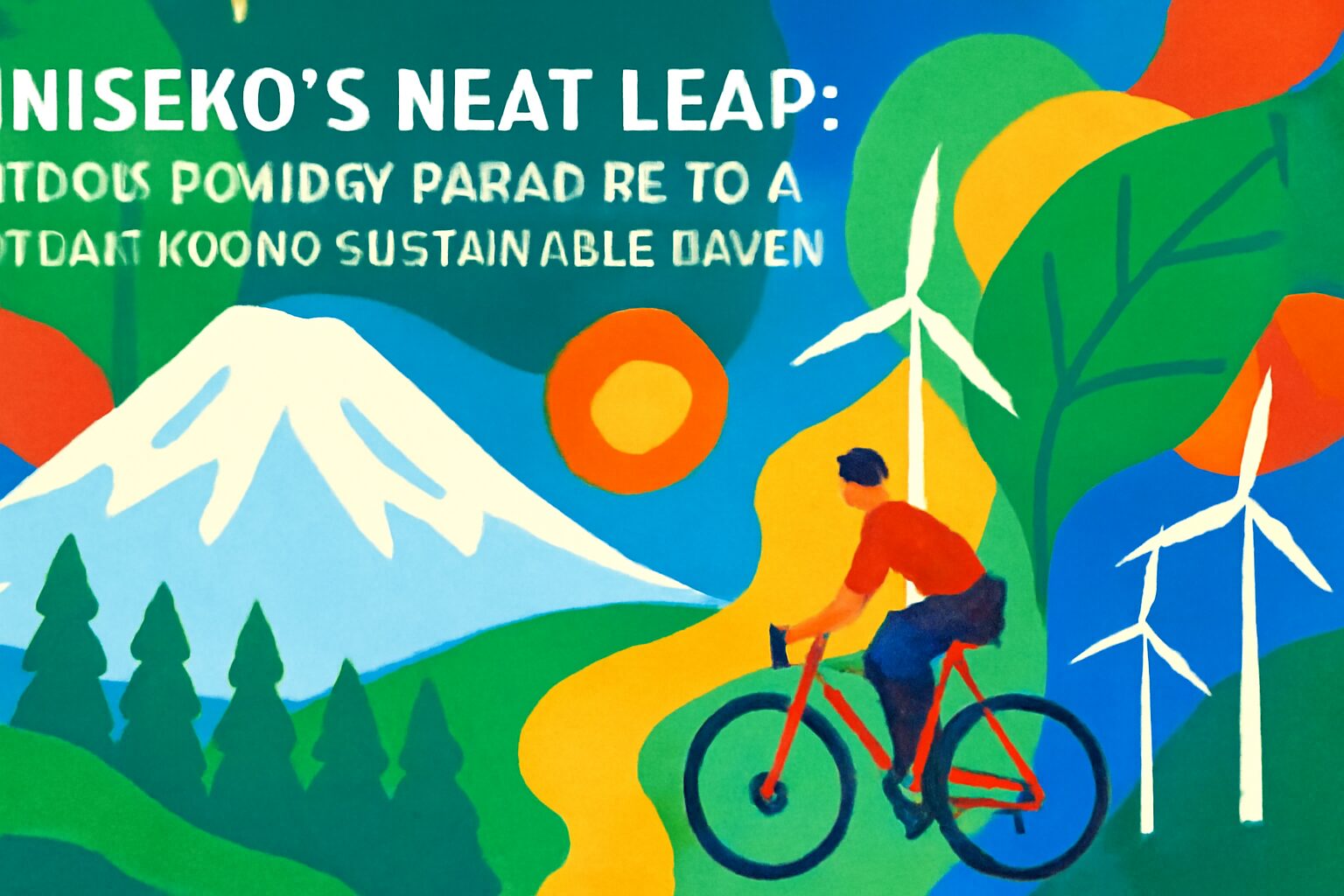
The primary goal is to alleviate the intense pressure on the winter months by showcasing Niseko’s “green season” appeal. This involves actively promoting a diverse range of activities available from spring through autumn, such as:
- World-class hiking and trail running on Mount Yotei and the Annupuri range.
- Cycling, mountain biking, and road biking on scenic routes.
- Water activities like rafting and kayaking on the Shiribetsu River.
- A burgeoning culinary scene focused on farm-to-table dining, utilizing Hokkaido’s rich agricultural bounty.
By developing and marketing these attractions, Niseko aims to attract a different demographic of travelers and create a steady stream of visitors throughout the year.
Investing in a Greener Footprint
A core component of the strategy is significant investment in green infrastructure. This is not just about preserving the landscape but actively creating a more sustainable operational model. Plans include improving public transportation to reduce reliance on rental cars, introducing renewable energy sources to power facilities, and implementing advanced waste reduction and recycling programs. The objective is to ensure that as tourism grows, its environmental footprint shrinks.
Championing Local Culture and Community
Moving beyond the international resort “bubble,” the new plan emphasizes a deeper connection with local Japanese and indigenous Ainu culture. The goal is to offer visitors more authentic experiences, such as:
- Workshops on traditional Ainu crafts and storytelling.
- Tours of local farms and sake breweries.
- Promoting local art galleries and community events.
This focus aims to not only enrich the visitor experience but also ensure that the economic benefits of tourism are more widely distributed throughout the local community, fostering a stronger sense of place and identity.
Future Outlook: A Resilient Niseko on the Horizon?
If successful, Niseko’s strategic pivot could have a profound impact. A year-round economy would offer more stable employment, reducing the precariousness of seasonal work and making the area more attractive for permanent residents. A diversified tourism portfolio would make the region less vulnerable to external shocks, such as a low-snow winter or shifts in global travel trends.
However, the road ahead is not without challenges. Creating a green season appeal as compelling as its world-famous winter will require concerted marketing efforts and significant investment. Ensuring that new infrastructure projects are truly sustainable and benefit the entire community will demand careful planning and transparent governance.
Ultimately, Niseko stands at a critical juncture. Its journey from a powder-chaser’s paradise to a holistic, sustainable destination is a bold and necessary one. The success of this initiative will not only determine the future of this beautiful corner of Hokkaido but could also serve as a vital blueprint for other world-class destinations grappling with the complex challenge of balancing popularity with preservation.