Walk into one of Japan’s most satisfyingly unpretentious restaurants—a tiny ramen-ya tucked under a railway arch, a standing-only soba shop in a bustling train station, a curry joint that’s been serving the same perfect plate for fifty years—and you won’t be greeted by a host. There will be no menus to peruse, no smiling server asking if you have a reservation. Instead, you’ll come face to face with a machine. It stands there, impassive and utilitarian, a grid of buttons under plastic, often labeled with nothing more than stark black kanji. This is the shokkenki, the meal ticket vending machine, and it is the first, and perhaps most important, step in a unique Japanese food ritual. For the uninitiated traveler, it can be a moment of genuine confusion. It feels cold, impersonal, like trying to buy a train ticket to a destination you can’t name. You stand there, fumbling for yen, wondering if you’re about to accidentally order a bowl of pickled squid when all you want is a rich, porky tonkotsu ramen. But this machine is not a barrier to entry. It’s a gateway. It’s the silent gatekeeper to a world of focused, efficient, and deeply delicious dining. It may seem like a simple tool of automation, a way to save on labor costs. And it is. But it’s also so much more. The ticket machine is the key that unlocks a specific cultural logic, one that prioritizes the craft of the chef, the focus of the diner, and the sanctity of the meal itself. To understand the logic of the shokkenki is to understand something fundamental about how Japan approaches the art of the everyday meal.
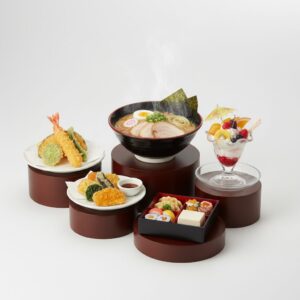
This insight into Japan’s distinctive ticket-to-table ritual is just one window into a culinary world where even the innovative fake food business redefines traditional dining experiences.
The Machine at the Threshold: More Than an ATM for Food
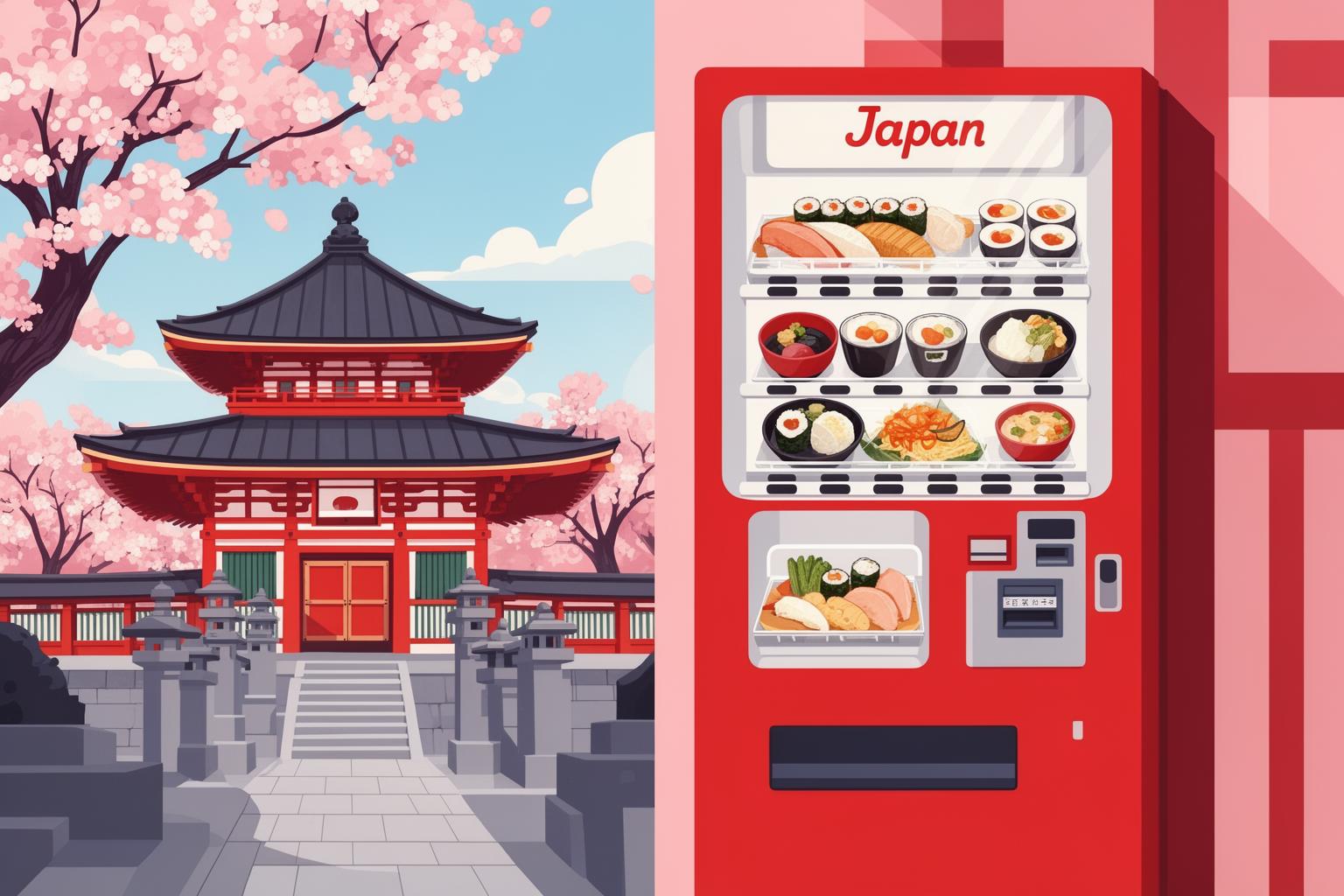
At its essence, a shokkenki is exactly what it sounds like: a machine from which you purchase a ticket for your food. The process is simple, nearly universal. You insert your cash—almost always cash, as we’ll see—and the buttons for the items you can afford illuminate. You press your choice, perhaps another for a side of gyoza or a larger portion, and the machine issues small, plastic-like tickets along with your change. You then take your ticket, find a seat at the counter, and hand it to the person behind it. That’s all. The entire financial transaction is completed before you’ve even removed your coat.
This straightforward action immediately distinguishes the experience from its Western equivalent. Consider a casual diner or cafe. The ritual involves a series of social exchanges: the greeting, the seating, the menu presentation, the ordering, the server’s check-in, and finally, the bill. Payment comes last, closing the loop. The Japanese ticket machine reverses this order completely. It front-loads the transaction, taking care of the money right away. This isn’t just a procedural difference; it fundamentally reshapes the psychology of the meal. By managing payment first, the system creates a clear divide between commerce and consumption. Once you have that small ticket in your hand, you are no longer just a customer in a purely transactional way. You become a guest, waiting to be served a meal you have already purchased. The machine serves as a threshold, and once you cross it, ticket in hand, your sole responsibility is to eat.
The Genesis of the Button: A Story of Efficiency and Precision
The meal ticket machine did not originate from a vision of futuristic, automated dining. Instead, its foundation lies deeply rooted in the pragmatism of post-war Japan. The first commercially successful model appeared in the late 1950s, but its popularity soared during Japan’s rapid economic growth in the 1960s and 70s. This was the era of the rising “salaryman,” millions of workers commuting into cities who needed a quick, affordable, and dependable lunch.
Post-War Pragmatism
For small, independent restaurant owners, the challenges of this period were significant. Space was limited, and the lunch rush was a daily deluge. How could a tiny establishment, often run by a single master chef (taishō) and one assistant, possibly manage such a volume? The shokkenki provided the solution. Its advantages were immediate and transformative. First, it removed the need for a dedicated cashier, making a small business sustainable and allowing the owner to concentrate on what mattered most: the food. Second, it greatly sped up customer turnover. In a ten-seat ramen bar, every minute is crucial. By eliminating the time taken to take orders and process payments, a shop could serve far more people during peak lunch and dinner hours. Third, it reduced errors. A paper ticket is clear and unambiguous. There were no misheard orders or confusion about special requests; the kitchen received a precise, physical instruction. Lastly, and importantly in a culture emphasizing cleanliness, it enhanced hygiene. The person preparing the food never handles money. This division of labor—separating food preparation from financial transactions—is viewed as not just efficient but proper.
A System Born from the Counter
To truly understand the machine’s purpose, one must consider the space it serves. These are not sprawling restaurants but intimate, compact establishments, usually centered around a counter that offers a direct view into the kitchen. The kitchen is not hidden; it is the stage. The chef is the performer, and every movement is part of the experience. Their focus is essential. The sizzle of gyoza on the flat top, the rhythmic strain of noodles lifted from boiling water, the careful placement of toppings with chopsticks—this is a culinary ballet. The shokkenki is essentially a tool designed to protect this performance. It manages the mundane front-of-house logistics, allowing the master chef to reach a state of flow, dedicating all their energy and skill to creating the perfect bowl. The machine is not meant to replace human interaction; it serves to elevate it, ensuring that the interaction that truly matters—between the chef and the ingredients—remains sacred.
The Ritual of the Ticket: How a Piece of Paper Shapes Your Meal
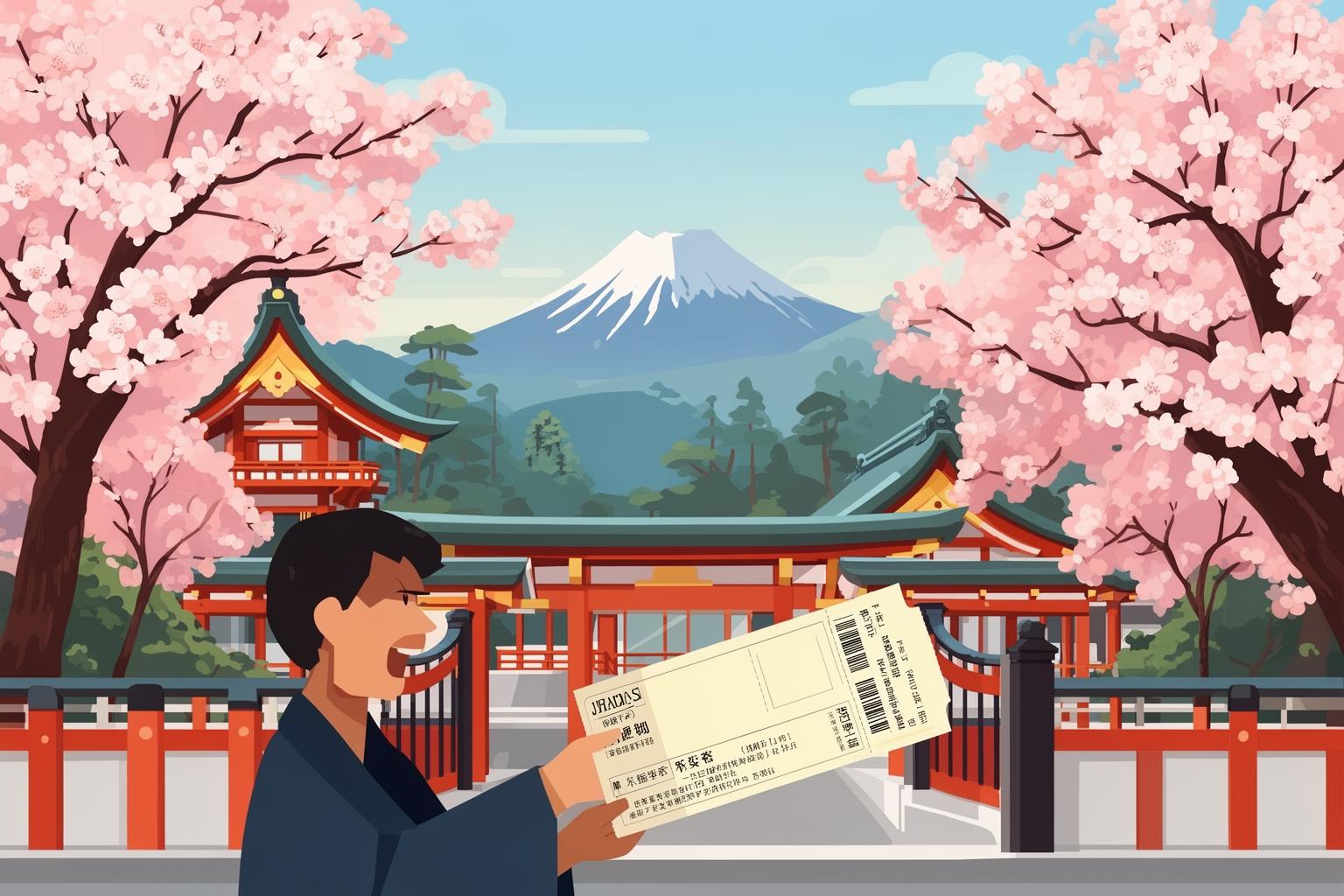
Once you’ve navigated the machine and received your ticket, a new, more subtle ritual begins. You take your seat and place the ticket on the counter before you. This quiet, simple gesture carries a wealth of meaning.
The Silent Contract
The ticket on the counter acts as a silent contract. The chef, often without interrupting their rhythm, will glance down, pick it up, and perhaps call out the order to confirm. “Ramen, ippai!” (One ramen!). That’s all. No further conversation is necessary. You have expressed your desire, and they have accepted the order. This system creates a unique atmosphere. It’s not unfriendly, but it is focused. Everyone in the room, from the chef to the other diners, shares the same purpose: to enjoy a delicious meal with minimal fuss. The shared understanding, enabled by the ticket, allows social pleasantries to be set aside, resulting in a comfortable, purposeful silence. You are not expected to engage in small talk. You are free to simply sit, watch the chef work, and anticipate your meal.
The Psychology of Pre-Payment
As noted, paying upfront significantly influences the dining experience. Once the money has exchanged hands, the mental burden of the transaction is lifted. You aren’t mentally calculating a tip or wondering how to split the bill with a friend. When the meal arrives, it feels less like a purchase and more like a gift you are about to receive. This feeling beautifully aligns with the Japanese custom of saying ittadakimasu before eating. Often translated as “Let’s eat,” the phrase more literally means “I humbly receive.” It expresses gratitude for the food itself and for everyone and everything involved in bringing it to your bowl—the farmer, the fisherman, the chef. When the financial aspect has already faded from mind, this expression of gratitude feels purer and more sincere. The way is cleared for you to simply be present with your food. The ritual concludes as neatly as it began. You finish your meal, perhaps offer a quiet “gochisōsama deshita” (“Thank you for the feast”) to the chef, and leave. There is no waiting for a check, no lingering. The departure is as efficient and respectful as the arrival.
Reading the Machine: A Guide for the Uninitiated
Of course, for a first-time user, the machine can still feel like an intimidating puzzle. But, as with many things in Japan, there is an underlying logic that, once grasped, makes perfect sense.
The Layout is the Menu
The button arrangement on a shokkenki is far from random. It serves as a carefully curated menu, designed to guide your selection. The restaurant’s signature dish, its pride and joy, is almost always positioned at the top-left. This button is often larger, a different color, or more prominently displayed than the others. It represents the ichiban osusume—the number one recommendation. If you ever feel overwhelmed by the choices and can’t read the labels, pressing the top-left button is rarely a mistake. From there, the layout usually follows a logical flow. Variations on the main dish—spicy versions or those with extra toppings—are grouped nearby. Side dishes like gyoza or rice, along with drinks such as beer and tea, typically occupy the lower rows. The machine’s layout acts as a silent guide, steering you toward the experience the chef most wants to offer.
Deciphering the Kanji (or Just Using the Pictures)
The language barrier can be a real challenge, but it’s becoming less of an issue. Many machines in tourist-heavy areas now include photos or even English translations. Yet, part of the enjoyment comes from learning to recognize a few key characters. Spotting the familiar katakana for ramen (ラーメン) or beer (ビール) can feel like cracking a code. Knowing a handful of essential terms can make you a confident ticket-buyer: 味玉 (ajitama, the delicious marinated soft-boiled egg), チャーシュー (chāshū, slices of braised pork), and 大盛り (ōmori, a large portion). Learning these is not only practical but also a way to engage with the culture on its own terms—shifting from a passive tourist to an active participant in the city’s daily life.
The Cash-Only Reality
One crucial thing to remember is that the vast majority of these machines accept cash only. While Japan is gradually adopting credit cards, cash remains dominant in small, independent establishments. The shokkenki reflects this cash-based economy. It simplifies accounting for the owner and eliminates credit card processing fees. For travelers, this means being prepared. Always carry ¥1000 notes and a variety of coins. Attempting to insert a ¥10,000 bill into a machine for a ¥950 bowl of ramen is a classic rookie mistake that often leads to your money being rejected and holding up the line. Be prepared, and the process will run smoothly.
Beyond Ramen: Where the Ticket Machine Thrives
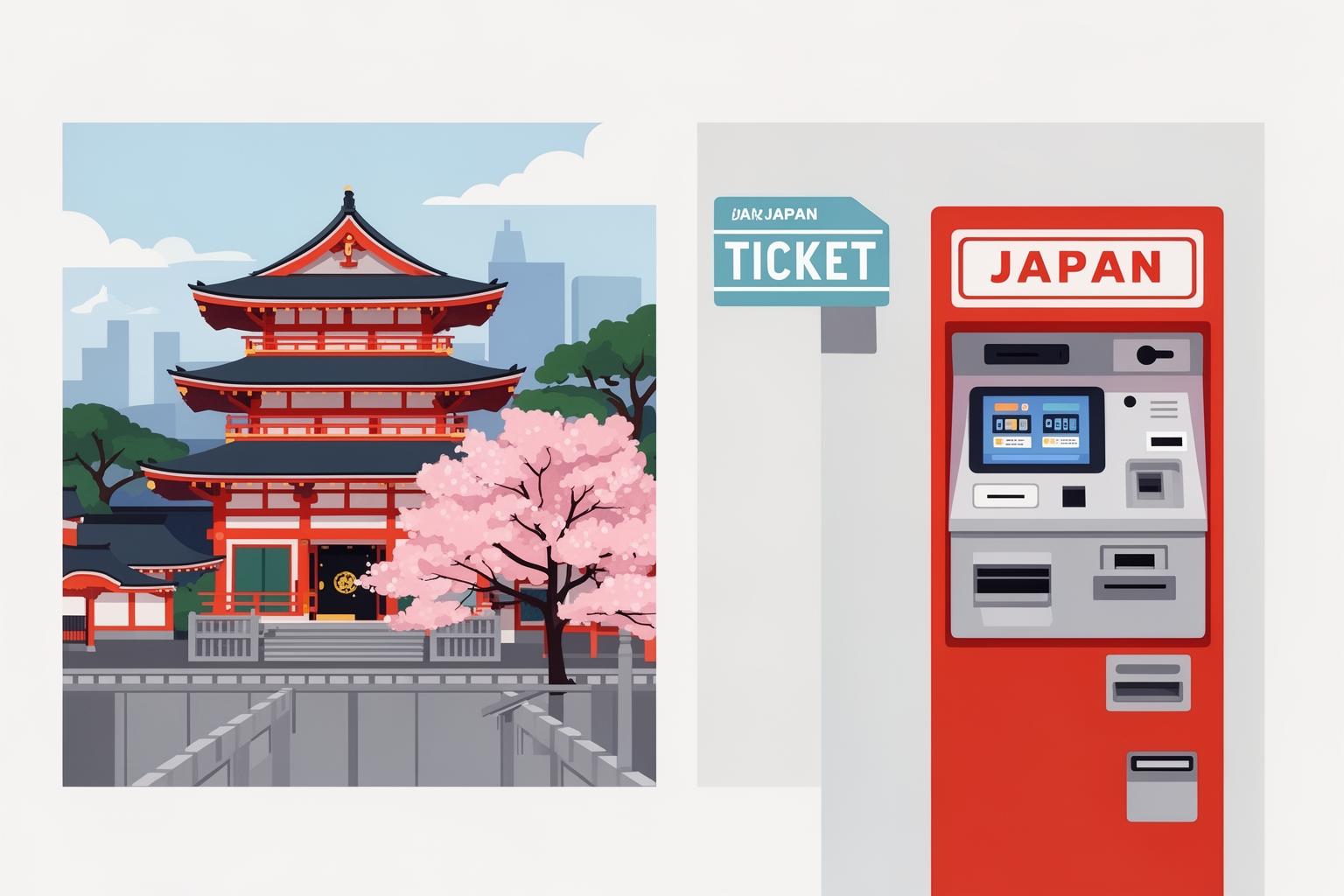
While ramen is the iconic ticket-machine meal, this system is employed throughout a broad range of Japan’s casual dining scene. You’ll find shokkenki stationed at the entrances of soba and udon noodle shops, especially the stand-up counters inside train stations catering to commuters in a rush. They are prevalent in donburi shops that specialize in bowls of rice topped with beef (gyūdon) or pork cutlets (katsudon). They are also a staple in many curry houses, where the menu is a simple combination of curry sauce, a main topping, and a spice level. You’ll even encounter them in some university and company cafeterias, streamlining service for a captive audience. The common theme is a focus on a specific type of food, prepared consistently and served quickly. These are not places for leisurely, celebratory meals. They are the workhorses of Japanese daily life, providing delicious, satisfying fuel for people on the move.
The Impersonal System as the Ultimate Personalizer
Here we encounter the core paradox of the ticket machine. A system that seems, at first glance, cold, automated, and impersonal is actually one that facilitates a deeply personal and concentrated experience.
Freedom from Social Obligation
The shokkenki is a blessing for the solo diner, the ohitorisama. In a culture that often highly values group harmony, the ticket machine creates an environment where being alone is not only accepted but is the norm. There is no need for interaction with staff beyond the simple exchange of a ticket. There’s no anxiety about mispronouncing a dish, no social awkwardness, no self-consciousness about occupying a table by yourself. The system fosters a comfortable, private bubble within a public setting. Inside that bubble, it’s just you, the chef behind the counter, and the bowl of food about to arrive. All other social pressures and responsibilities fade away.
A Sanctuary of Focus
This liberation from social distractions benefits both sides. For the chef, as we’ve seen, it allows an almost meditative concentration on their craft. For the diner, it encourages the same. With no menu to hold, no conversation to sustain, and no bill to fret over, your attention naturally centers on the meal itself. You notice the gleam of oil on the broth, the perfect texture of the noodles, the precise arrangement of the scallions. The experience’s very design invites you to be fully present. The ticket machine, in its mechanical efficiency, acts as a facilitator of mindfulness. It strips away the distraction, letting the simple, essential act of eating become a ritual of quiet appreciation. It demonstrates that an experience doesn’t need to be elaborate to be meaningful.
So the next time you find yourself in Japan, standing before that stoic, button-covered machine, don’t view it as a barrier. Instead, recognize it for what it is: an invitation. It is the first step in a ceremony honed over decades, a ritual crafted to deliver maximum flavor with minimal fuss. It’s a system rooted in practicality that has blossomed into a unique cultural experience. Insert your coins, make your choice, and take your ticket. You are not merely buying dinner; you are partaking in the quiet, focused, and utterly delicious rhythm of Japanese daily life. You are crossing a threshold into a space where the bowl is all that matters.