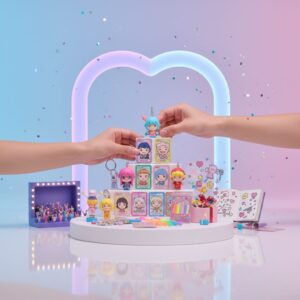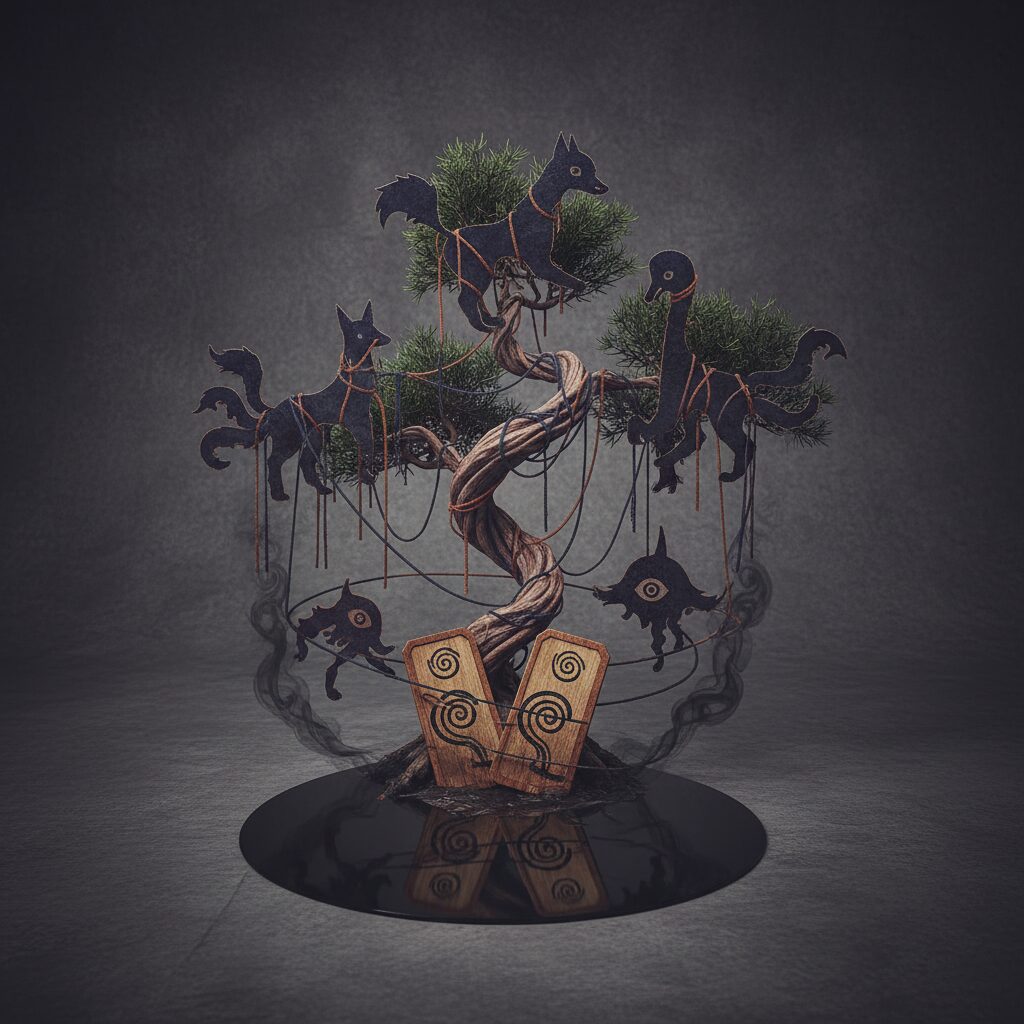
You’ve seen them. Clustered in front of electronics stores in Akihabara, tucked away in a quiet corner of a suburban supermarket, or standing in massive, brightly-lit rows in specialty shops, their symphony of clicking and cranking forming the background music of modern Japan. They are the gachapon machines, those ubiquitous dispensers of capsule toys. To the casual observer, they look like simple entertainment for children, a way to quiet a nagging kid for a few hundred yen. But that assumption misses the real story, the quiet obsession that has turned these simple machines into a cornerstone of a massive and surprisingly serious adult hobby.
So, you’re wondering why your Japanese colleague, a sharp professional in their thirties, has a tiny, perfectly sculpted cat wearing a miniature samurai helmet sitting on their desk. Or why adults will queue patiently, pockets full of 100-yen coins, to crank the handle on a machine that dispenses hyper-realistic models of vintage sewing machines. This isn’t about childish whimsy. It’s a complex cultural phenomenon driven by a deep appreciation for craftsmanship, the thrill of a low-stakes gamble, a powerful collector’s impulse, and a very Japanese way of expressing identity. To dismiss gachapon as just toys is to fundamentally misunderstand a fascinating cross-section of Japanese psychology, consumer culture, and artistry. It’s time we look inside the capsule and see what’s really going on.
This intricate duality of playfulness and serious art mirrors the meticulous attention to detail found in model kit artistry, further highlighting Japan’s passion for precision in design.
The Evolution from Child’s Play to Collector’s Prize
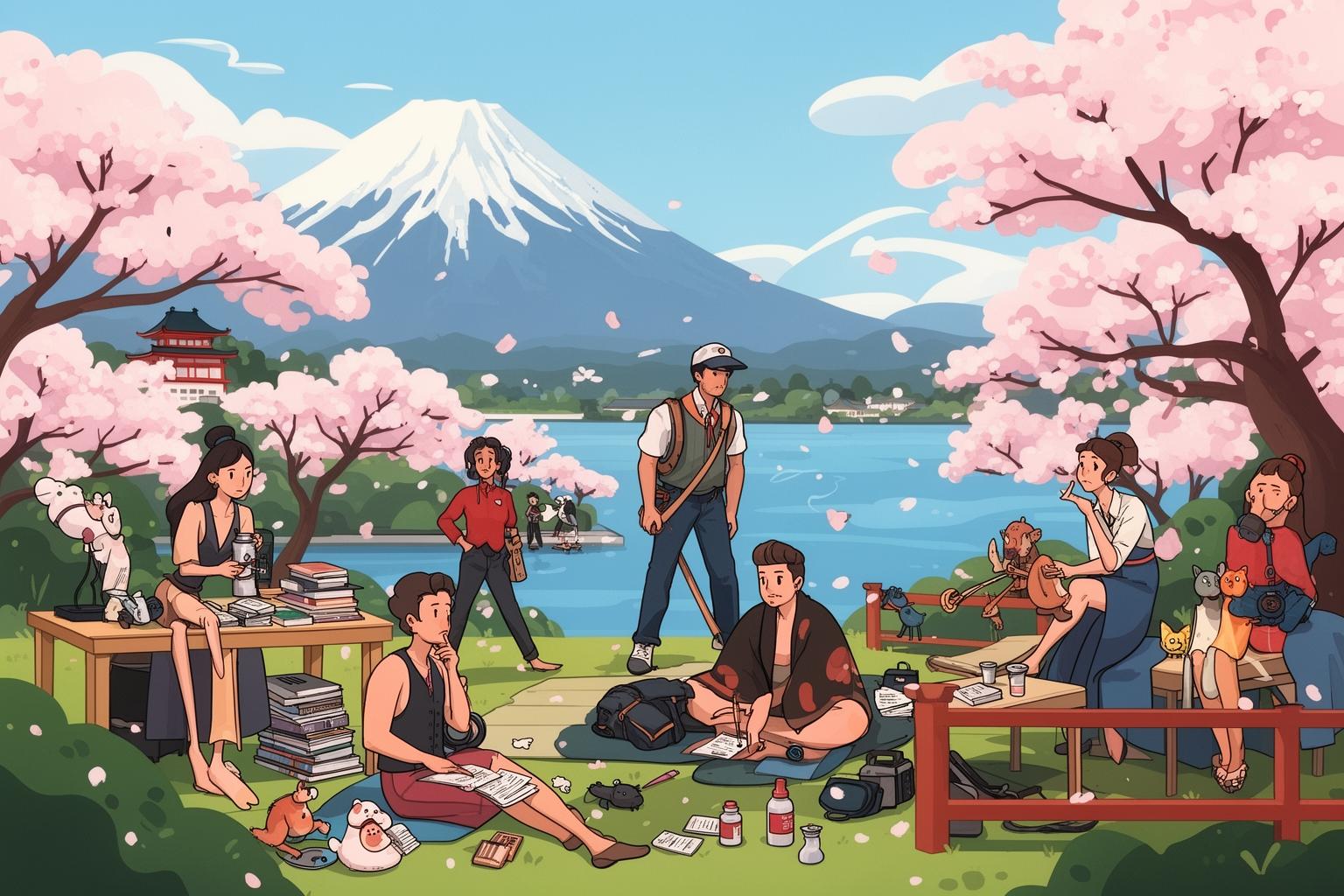
To truly understand today’s gachapon, you need to recognize how much they’ve evolved. The concept itself isn’t originally Japanese; it was adapted from American vending machines in the 1960s. For decades, they operated just as you’d expect: dispensing cheap, often poorly made plastic trinkets and rubber figures that would be forgotten minutes after being freed from their plastic shells. They belonged firmly in the realm of children’s pocket money.
The dramatic shift occurred in the late 1990s and early 2000s. During this period, a company called Kaiyodo, renowned for its high-quality model kits, began producing miniature figures with an astonishing level of detail and accuracy. These were not just rough approximations; they were miniature sculptures. This change coincided with the “Choco Egg” craze, where a chocolate egg contained a tiny, exquisitely detailed animal figure from the company Furuta. Suddenly, adults were purchasing items intended for children—not for the candy, but for the collectible figure inside. They were collecting, trading, and hunting for rare figures. The market had been tested, and the results were clear: there was a strong demand among adults for high-quality, affordable miniatures.
This marked the moment when gachapon matured. Manufacturers realized that the adult consumer, equipped with disposable income and a nostalgic appreciation for anime, games, and cultural icons, was the real target. Quality soared. Modern gachapon figures are production marvels. Intricate paint applications, clever use of various plastic textures, and complex multi-part assemblies have become standard. You’re no longer receiving a single-color lump of plastic; instead, you’re getting a multi-layered, precisely engineered model that often requires some assembly. The target demographic shifted from children who wanted a toy to adults who desired a display piece. This rise in quality forms the foundation of the entire modern gachapon subculture.
The Psychology of the Crank: A Micro-Dose of Luck
Approach a wall of gachapon machines, and you’ll see the process remains consistent. You insert your coins—typically between 300 and 500 yen—and turn the crank. There’s a satisfying, heavy clunk-clunk-clunk, followed by the dull thud of a capsule dropping into the collection tray. This sequence is more than just a mechanical routine; it’s a ritual and a fundamental part of the charm.
At its core, playing gachapon is a form of socially acceptable, low-stakes gambling. The excitement lies not only in the potential prize but in the uncertainty. You know the set of possible outcomes—displayed on the front of the machine—but you don’t know which exact one you’ll receive. This element of chance taps into a deeply rooted aspect of Japanese culture, reflected in other traditions as well.
Consider the practice of drawing an omikuji at a shrine or temple. For a small offering, you receive a slip of paper revealing your fortune—great luck, small luck, or a curse. The act of shaking the box and receiving a random result is a cherished tradition. Gachapon works on a similar principle. It delivers a micro-dose of suspense and surprise, a brief moment where fate hangs in the balance. Will you get the one you want? Or will you end up with an unwanted duplicate? The dopamine rush comes from resolving that tension.
Unlike more serious gambling, it’s an extremely accessible and affordable thrill. For the price of a coffee, you experience a burst of excitement and receive a physical object, no matter the outcome. It’s a controlled risk. The worst-case scenario is getting a duplicate, which you can trade with a friend or sell online. The physical act of turning that stiff, mechanical crank plays a part too. It’s a tactile, analog experience in a digital age—a small moment of physical effort producing a surprising result. That simple pleasure, repeated millions of times daily across Japan, is a powerful psychological motivator.
The Unspoken Mandate to “Complete the Set”

If the excitement of the unknown is what makes you turn the handle the first time, it’s the collector’s drive that brings you back repeatedly. The Japanese language has a loanword for this: konpurīto (コンプリート), borrowed from the English word “complete.” The urge to konpurīto a set is a cultural force that cannot be underestimated. It powers the entire gachapon industry.
Nearly every gachapon series comes as a set, usually consisting of four to six different items. Getting just one is enjoyable, but the true objective—the unspoken rule for any serious collector—is to obtain them all. This shifts the activity from a casual spin to a determined mission. Suddenly, you’re not simply buying a toy; you’re filling gaps in a collection. Your first pull is always a win. The second is exciting, as long as it’s new. By the third and fourth attempts, the tension intensifies. The chance of drawing a duplicate rises, along with the thrill of getting a new item. The satisfaction of finally completing a series is immense.
Manufacturers cleverly exploit this psychological urge. Many sets include a “secret” or “rare” figure not shown on the machine’s display card. Its presence is only hinted at or revealed by the online community. This adds an extra layer of challenge and appeal. Completing the standard set is one thing; completing it with the secret item is the hallmark of a truly dedicated collector. This fabricated scarcity turns a simple pastime into a treasure hunt.
This compulsion fuels a lively secondary market. A duplicate isn’t a loss; it’s currency. Collectors trade duplicates with friends and acquaintances. They visit specialty stores in places like Akihabara or Nakano Broadway, where whole sections are devoted to opened gachapon, enabling people to buy the exact figure they need to complete their set—often at a substantial markup. Online marketplaces like Mercari are flooded with gachapon listings. The existence of this ecosystem proves that these are more than just toys; they are collectible assets with fluctuating market values, all driven by the powerful, shared urge to “complete the set.”
An Appreciation for the Miniature: Modern-Day Netsuke
Why does a tiny, perfectly crafted model of a bowl of ramen or a miniature electric drill captivate so much? The answer lies in a deeply rooted Japanese aesthetic appreciation for small, intricate objects. There is a cultural reverence for craftsmanship, particularly when it is expressed on a miniature scale. This is not a new phenomenon, but rather a modern manifestation of a traditional sensibility.
Consider the netsuke, the small, carved toggles from the 17th century used to hang items from a kimono sash. These were more than just functional pieces; they were miniature sculptures demonstrating remarkable artistry and detail in wood, ivory, or metal. They were personal, collectible items and a sign of refined taste. In many respects, high-quality gachapon are the contemporary, mass-market heirs to netsuke. They are small, detailed, and serve as a means of personal expression.
This is closely linked to the concept of kodawari, a term that loosely translates to a relentless, almost obsessive dedication to perfection and meticulous attention to detail. A gachapon featuring a tiny toolbox with individually removable tools perfectly exemplifies kodawari. The manufacturer didn’t have to design it this way, but they chose to. They honored the object by recreating it with authenticity. Consumers, in turn, recognize and admire that commitment. They value the skill required to sculpt, mold, and paint such a small, detailed item. It transforms the gachapon from a mere trinket into a piece of micro-art, showcasing Japanese manufacturing excellence.
Holding one of these tiny wonders in your hand, you can’t help but appreciate the effort involved. A miniature lantern that actually lights up. A tiny cash register with a functioning drawer. A perfectly replicated cicada shell, complete with translucent texture. The joy stems from this appreciation of detail. It’s a quiet, focused delight, a moment to marvel at how something so small can be so exquisitely made. This deeply ingrained cultural value placed on miniature craftsmanship is a major reason why adults can genuinely admire a 500-yen capsule toy.
Curating Your World, One Capsule at a Time

In a society that often prioritizes group harmony and conformity, personal expression frequently takes subtle forms. The items you collect and showcase in your personal space—whether at your work desk or a home shelf—become quiet yet clear reflections of your identity. Gachapon have emerged as a popular medium for this kind of personal curation.
The sheer variety of gachapon available is astonishing, and this diversity enables highly specific self-expression. It goes far beyond the usual anime and manga characters. The range of subjects mirrors the many niche interests thriving in Japan.
Nostalgia in Your Palm
A significant portion of the market is devoted to nostalgia. Adults who grew up in the ’80s and ’90s can find gachapon series featuring their favorite childhood video game consoles (like a perfectly miniaturized Sega Genesis), classic anime characters, or even iconic snack packaging from their youth. These aren’t merely objects; they are tangible connections to a formative past. For just a few hundred yen, you can own a fragment of your personal history—a small totem evoking a deep sense of warmth and nostalgia. Displaying it on your desk keeps a bit of your younger self alive in your adult life.
The Beauty of the Banal
Perhaps the most distinctly Japanese category of gachapon celebrates the mundane. You can find series devoted to miniature public bath lockers, tiny folding chairs, models of municipal trash cans, or hyper-realistic sets of office equipment. At first glance, this might seem strange. Who would want a toy gas meter? But this reflects a shared appreciation for craftsmanship and a desire to honor the overlooked details of daily life by perfectly replicating them in miniature form. It’s a kind of observational art that uncovers beauty and intrigue in everyday objects central to life in Japan.
The Charm of the Absurd
Then there is the surreal and humorous side of gachapon, where the designers’ creativity truly shines. You’ll find animals bowing in solemn apology (ojigi), cats with bizarrely muscular arms, alpacas with knotted necks, or Greek statues posed as if taking selfies. These quirky, often hilarious figures serve as excellent icebreakers and make strong personality statements. Owning a “shakurel” animal—a series where all creatures have exaggerated, jutting chins—on your desk signals that you don’t take things too seriously and enjoy the wonderfully weird.
By carefully choosing from these categories, people curate their personal spaces. Their collections tell stories about their passions, histories, and senses of humor, all communicated through a handful of tiny plastic figures.
The Gachapon Ecosystem: From Akihabara to the Web
The seriousness of this hobby becomes most apparent when you visit its sacred locations. Step into a store like “Gachapon no Mori” (Forest of Gachapon) or the Gashapon Department Store in Ikebukuro, and you’ll be greeted by an overwhelming sight: hundreds, sometimes thousands, of machines covering the walls from floor to ceiling. The air buzzes with the sound of cranking and the clatter of capsules.
These are not chaotic arcades filled with noisy children. Instead, they tend to be quiet, almost library-like spaces where adults examine the offerings with focused intensity. They arrive with lists, searching for specific series. They bring coin purses full of 100-yen coins. They are on a mission. The atmosphere exudes quiet, dedicated hobbyism. You’ll see couples on dates, groups of friends on a gacha hunt, and solo collectors methodically working their way through the aisles.
This physical experience is complemented by a strong online community. Social media is buzzing with people showcasing their latest “gets,” announcing new series discoveries, or organizing trades. The secondary market plays a vital role in the ecosystem. If the randomness of the machine frustrates you, you can simply go online or visit specialty shops in places like Nakano Broadway to purchase the exact figure you need. The fact that a 500-yen gachapon can sell for 2,000 yen or more on the aftermarket because it’s the rare one from the set speaks volumes about the legitimacy of this collector’s pursuit.
Ultimately, the humble gachapon machine serves as a gateway. It’s a portal to a surprisingly deep world of art, community, and commerce. To turn the crank is to participate in a cultural ritual that captures much of modern Japan. It’s the embrace of chance, the reverence for detailed craftsmanship, the powerful drive to collect and complete, and the quiet joy of personalizing your world with objects that bring a small, perfect spark of happiness. It’s far more than a toy inside a plastic ball; it’s a piece of culture, dispensed one crank at a time.