Every weekend, a subtle but significant migration happens. The relentless forward momentum of Tokyo, its packed trains and crowded crosswalks, seems to reverse course for a fraction of its population. They flow south, drawn by a different kind of energy, one that smells of salt and sunblock. They’re headed for Shonan, that iconic stretch of coastline in Kanagawa Prefecture, where the high-rises give way to sea-weathered storefronts and the dominant rhythm isn’t the subway schedule but the slow, patient pulse of the Pacific tide. For anyone who has spent time there, seeing wetsuit-clad figures cycling with surfboards tucked under their arms, it’s easy to make the comparison. This is Japan’s California. But that label, while convenient, feels a little too simple. It raises a crucial question: How did this specific piece of coast, just an hour from one of the most regimented cities on earth, become the epicenter of a laid-back, sun-drenched counterculture? It wasn’t an accident. The story of Shonan’s surf scene is a fascinating confluence of post-war history, explosive media influence, and a quiet but powerful desire for a different way of life. It’s the story of how an imported fantasy was meticulously re-shaped into a uniquely Japanese reality.
The vibrant reimagining of urban leisure in Japan is not limited to the coast, as the evolution of Japanese game center culture also highlights a parallel shift in traditional spaces.
The Post-War Blank Canvas: American Seeds on Japanese Sand
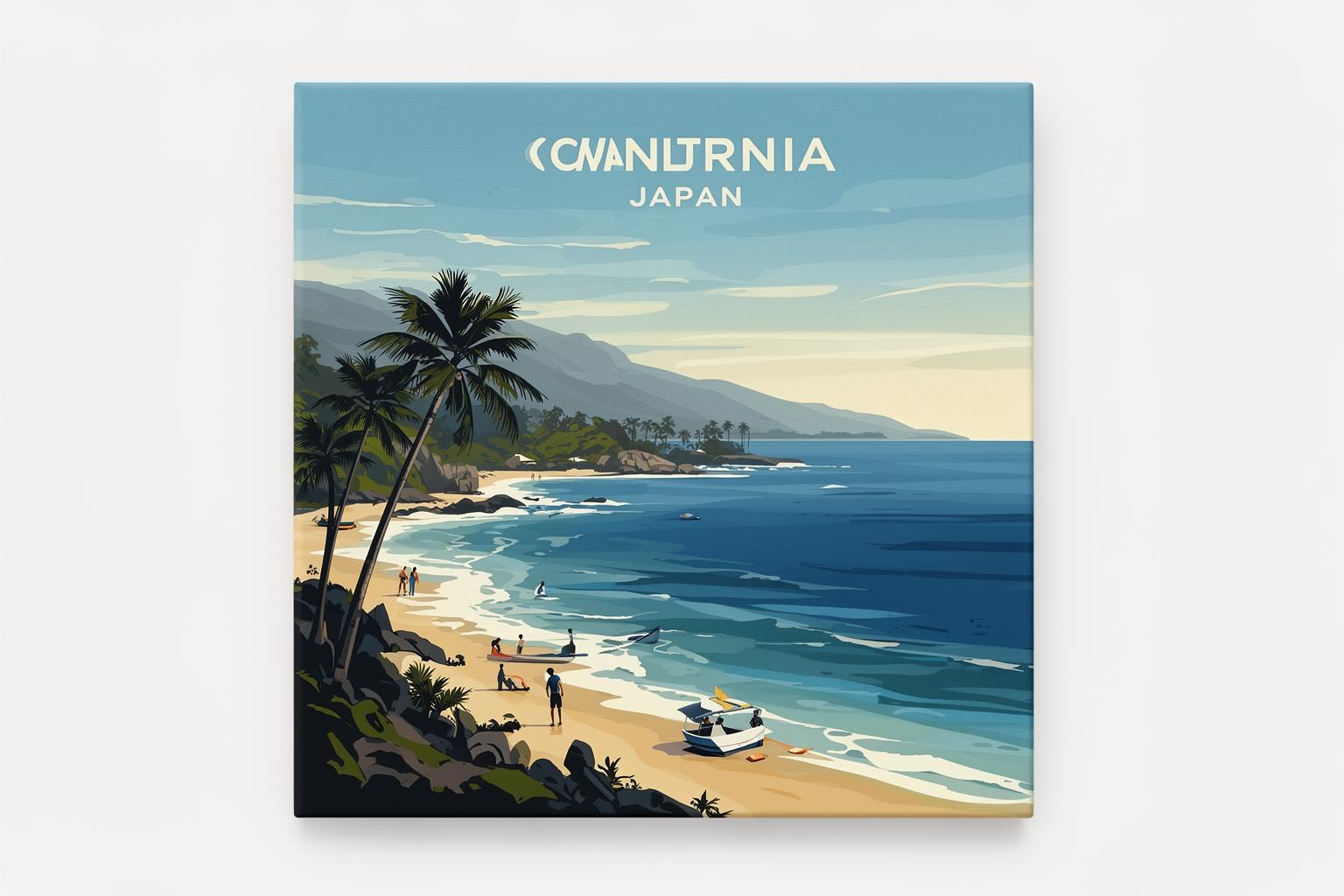
The story begins, like many contemporary Japanese tales, in the aftermath of the Second World War. Before the 1950s, the beaches of Shonan—such as Chigasaki, Kugenuma, and Kamakura—were well-known seaside resorts, but they offered a gentle form of leisure. Families from Tokyo would visit to escape the summer heat, wade in the shallow waters, and enjoy the sea breeze. The notion of actively and aggressively riding the waves was completely unfamiliar.
The transformation started with the American Occupation. The large naval base at nearby Yokosuka and other military facilities brought thousands of American GIs to the region. For many of these soldiers, often from California or Hawaii, the rolling waves of Sagami Bay were a familiar playground. They carried the equipment of their pastime: long, heavy surfboards that fascinated the local Japanese. The initial encounters were purely observational. Japanese youths would watch these tall foreigners paddling out and skillfully standing on the water. It was a spectacle, offering a glimpse into an entirely different world with its own rules. This wasn’t the strict, hierarchical Japan they knew; it was pure, unrestrained play.
The first Japanese surfers were a small group of adventurous individuals who obtained these American boards by purchasing, trading, or receiving them as gifts from departing soldiers. Learning came through trial and error. There were no instructors or YouTube tutorials, only the ocean and the example set by the Americans. These pioneering surfers were outsiders by nature, attracted to this novel activity with no precedent in their culture. They created a small, close-knit community, sharing knowledge and repairing dings on their treasured, hard-earned boards. At this point, it wasn’t a subculture; it was a hobby for a few eccentrics. But the seed had been planted in the sands of Shonan, waiting for the right moment to blossom into a nationwide phenomenon.
The 1970s Wave: Media, Music, and a New Identity
If the 1950s and 60s planted the initial seed, the 1970s brought the ideal combination of sun, money, and media to help it flourish. Japan was experiencing its post-war economic miracle. A new generation of young people was growing up with something their parents never had: disposable income and free time. They sought ways to define themselves and form identities distinct from the corporate-warrior path that was becoming the national norm. Their inspiration came not from home, but from across the Pacific.
Shonan already held a certain rebellious allure in the Japanese imagination. In the mid-1950s, the region gained notoriety as the backdrop for the Taiyo-zoku, or “Sun Tribe,” a brief but scandalous youth movement. Based on a sensational novel by Shintaro Ishihara, a series of films portrayed wealthy, aimless youths in Shonan indulging in casual sex, drinking, and defiance of authority. The establishment was outraged, and the films were heavily censored, but the image of Shonan as a place of youthful freedom and rebellion endured. The surf culture that emerged in the 70s was a spiritual heir to the Taiyo-zoku, though with a healthier, more aspirational emphasis. The rebellion wasn’t rooted in nihilism; it was about choosing sunshine and personal fulfillment over the constraints of corporate life.
The Magazine Effect: `Popeye` and the Gospel of West Coast Cool
You can’t overstate the impact of one magazine in this story: `Popeye`. First published in 1976 with the tagline “Magazine for City Boys,” `Popeye` didn’t merely report on American culture—it curated, packaged, and sold it as a comprehensive lifestyle guide to a generation of eager Japanese youth. Its early issues were nearly bibles of West Coast cool. The editors and photographers journeyed to California and brought back detailed, almost ethnographic accounts of how American kids dressed, what they ate, what they drove, and how they spent their free time.
`Popeye` taught its readers about surfing, but went far beyond that. It showcased the entire culture surrounding the sport. It fetishized the details: the particular brands of board shorts, how to wear worn-in Vans, the casual cool of a faded college sweatshirt, and the importance of having the right surfboard strapped to the roof of your wood-paneled station wagon. It crafted a compelling fantasy, and Shonan was the only place in Japan where that fantasy could come to life. Tokyo was for work and study; Shonan was for living the `Popeye` lifestyle. Young people flocked there, meticulously dressed in the West Coast uniform, eager to embody the personas they had studied in the magazine’s glossy pages.
A Soundtrack for the Shore: City Pop and the Shonan Sound
Every major cultural movement needs its soundtrack, and Shonan’s rise coincided perfectly with the emergence of City Pop. This music genre, blending funk, soul, and AOR rock, stood in stark contrast to the sentimental enka ballads favored by the older generation. It was sophisticated, upbeat, and distinctly urban, yet constantly evoked a yearning for the seaside. Artists like Tatsuro Yamashita, Toshiki Kadomatsu, and Yumi Matsutoya created lush, breezy soundscapes that became inseparably linked with the Shonan experience.
Their lyrics were loaded with images of coastal highways, summer breezes, and seaside romance. Listening to this music while cruising down Route 134, the main highway tracing the Shonan coastline, became an iconic experience. The music heightened the sense of place, while the scenery gave the music a tangible context. It was a perfect cycle of cultural creation. The car stereo supplied the soundtrack to the fantasy `Popeye` promoted, and the sparkling Pacific visible from the driver’s seat was the ultimate sign of arrival. The “Shonan Sound” was more than just music; it was the auditory essence of an entire lifestyle.
Building a Local Scene: From Imported Fantasy to Japanese Reality
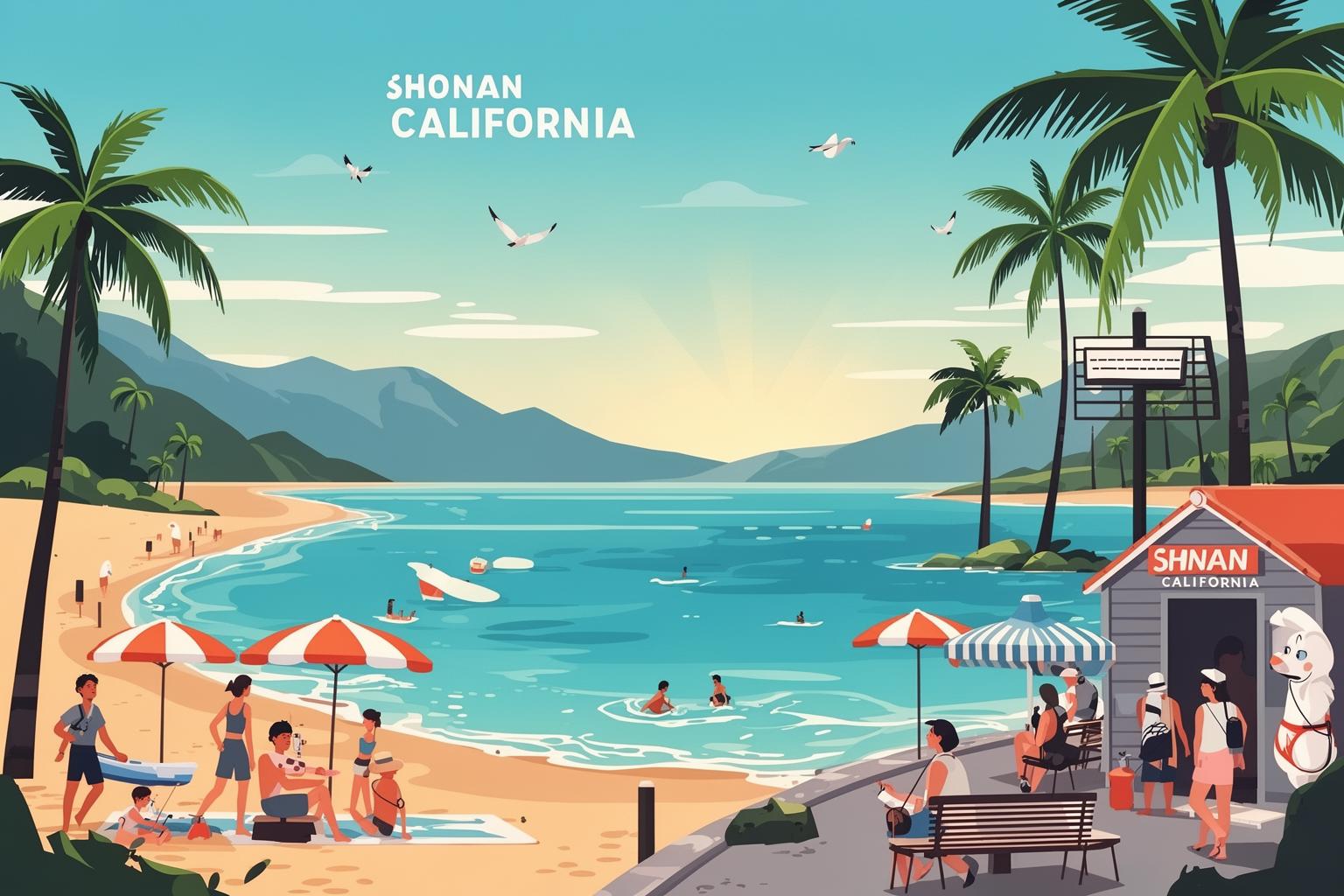
A subculture cannot thrive on fantasy alone. For Shonan’s surf scene to grow beyond a temporary trend, it needed to establish its own infrastructure and local identity. The 1970s and 80s marked the vital shift from merely adopting an imported culture to actively creating and shaping it.
The Shapers and the Shops: Establishing Commercial Foundations
The first dedicated surf shops started to appear along the coast, especially in the Kugenuma and Chigasaki areas, which boasted the most consistent waves. These were more than just retail outlets; they served as community hubs. They were places where surfers could get their boards repaired, check wave conditions, and, most importantly, connect with one another. A genuine local community began to form around these shops, moving beyond the magazine-influenced imitation of early days.
A key turning point was the rise of Japanese surfboard shapers. At first, all boards were pricey American imports. The emergence of local craftsmen who mastered the art of shaping foam blanks into functional surfboards was a declaration of independence. This meant the culture no longer depended on foreign products. These shapers could produce boards tailored specifically to Japanese waves, which tend to be less powerful than those in California or Hawaii. This localization was a crucial step in making surf culture authentically Japanese. It was one thing to mimic Americans; it was quite another to create the culture’s essential tools with your own hands.
The “Naminori” Lifestyle: Beyond Just a Sport
As the community developed, it unified around the idea of a naminori (wave-riding) lifestyle. This concept explained why the subculture held such strong appeal. It offered a meaningful alternative to the mainstream narrative of Japanese life. The common path was clear: study hard, enter a good university, join a large corporation, and devote your life to the company. It was a route defined by stability, conformity, and intense pressure.
Surfing embraced a different set of values. It put freedom ahead of security, personal experience over collective responsibility, and harmony with nature above climbing the corporate ladder. To be a surfer was to consciously step off the fast track. It meant waking up before dawn not to catch a crowded train, but to catch the morning tide. It meant organizing your life according to weather patterns and swell reports, not corporate schedules. For many young people, this was deeply attractive. It wasn’t about laziness or completely dropping out of society; it was about seeking balance and asserting a different kind of ambition—the desire to live a life shaped by one’s own choices. This culture appealed to students, creatives, part-timers, and anyone who felt the salaryman lifestyle was a cage, not a reward.
Shonan Today: The Enduring Legacy and Modern Tensions
Decades after its golden age in the 1970s, Shonan’s surf culture is no longer a rebellious subculture but has become the defining identity of the entire region. The surf shops remain, the salty air still carries a laid-back energy, and the silhouettes of surfers continue to dot the horizon from dawn until dusk. However, the nature of the scene has changed, confronting new pressures and realities.
A Multi-Generational Mecca
One of the most striking aspects of Shonan today is the broad age range of surfers in the water. The pioneers of the 70s, the original “City Boys,” are now in their 60s and 70s. You can see them riding the waves, their movements perhaps a bit slower but no less graceful, gliding on longboards alongside their children and grandchildren. The culture has been successfully passed down through generations.
For many families, surfing is no longer an act of youthful rebellion but a treasured family tradition. It has become an enduring part of the local identity, much like summer fireworks festivals or the ringing of temple bells. This longevity reflects the deep roots the culture has established. It has proven to be more than a fleeting imitation of American life; it has become an authentic, sustainable Japanese lifestyle for thousands.
Gentrification and the “Tokyo Weekend” Problem
With lasting popularity comes new challenges. Shonan’s reputation as a stylish, desirable place to live has made it a hotspot for real estate development and gentrification. The once-affordable, slightly rustic beach towns now feature sleek modernist mansions and upscale cafes. Property values have skyrocketed, pushing out some of the artists and working-class locals who originally shaped the area’s character.
There is a noticeable tension between the jimotō (locals) and the weekend visitors from Tokyo. Highways become congested, the waves fill with inexperienced surfers, and quiet residential streets overflow with cars seeking parking. For full-time residents who have built their lives around the rhythm of the sea, this seasonal influx can feel disruptive. The relaxed vibe they value is endangered by the very popularity of that atmosphere. Shonan now faces a classic dilemma: how to preserve the genuine, soulful culture that defines it when that authenticity has become a highly marketable asset.
What began as a spark of curiosity ignited by American GIs has evolved into a defining regional identity. The journey from the 1950s to the present is a story of cultural adaptation at its best. Shonan took the raw elements of an American subculture—the boards, fashion, and music—and transformed them through a Japanese perspective, adding a local sensibility. It became Japan’s California not by mimicking perfectly but by inventing something new: a place where the pursuit of personal freedom blends with a strong appreciation for community and nature. It remains a vital outlet for the pressures of modern Japan, a reminder that just an hour from the world’s busiest metropolis, there exists another way of life, one that moves at the pace of the tide.