Walk into a popular restaurant in many parts of the world, and the first thing that hits you is the sound. A rising tide of chatter, clinking cutlery, music pumping from speakers—a general, celebratory chaos we often equate with a good time. It’s the soundtrack to social connection, a sign that the food is good and the company even better. Now, imagine stepping into a small, revered ramen shop in a Tokyo back alley. The air is thick with the scent of rich pork broth and dashi, but the room is nearly silent. The only sounds are the rhythmic slurping of noodles, the soft clink of a spoon against a ceramic bowl, and the focused, almost reverential breathing of the diners. This isn’t an awkward lull in conversation. This is mokushoku.
`Mokushoku` (黙食), a compound of the characters for “silence” (黙) and “to eat” (食), translates simply as “silent eating.” While the term surged into the mainstream Japanese vocabulary during the pandemic as a public health guideline, its spirit is anything but new. It’s a practice deeply woven into the fabric of Japanese culinary and spiritual culture, an unspoken agreement to temporarily set aside conversation in favor of a deeper, more focused form of appreciation. This isn’t about being antisocial or unfriendly. On the contrary, it’s a profound act of respect—for the food, for the person who prepared it, and for the shared experience of the other diners. It’s a chance to quiet the external world and allow your senses to fully engage with the meal in front of you. Understanding `mokushoku` is like being let in on one of Japan’s most subtle and rewarding secrets, transforming a simple meal into a meditative ritual.
For those drawn to the subtle interplay of flavor and silence, exploring the bitter nuances of fresh sansai can offer a complementary perspective on Japan’s cherished culinary traditions.
The Sound of Silence: What Mokushoku Really Means
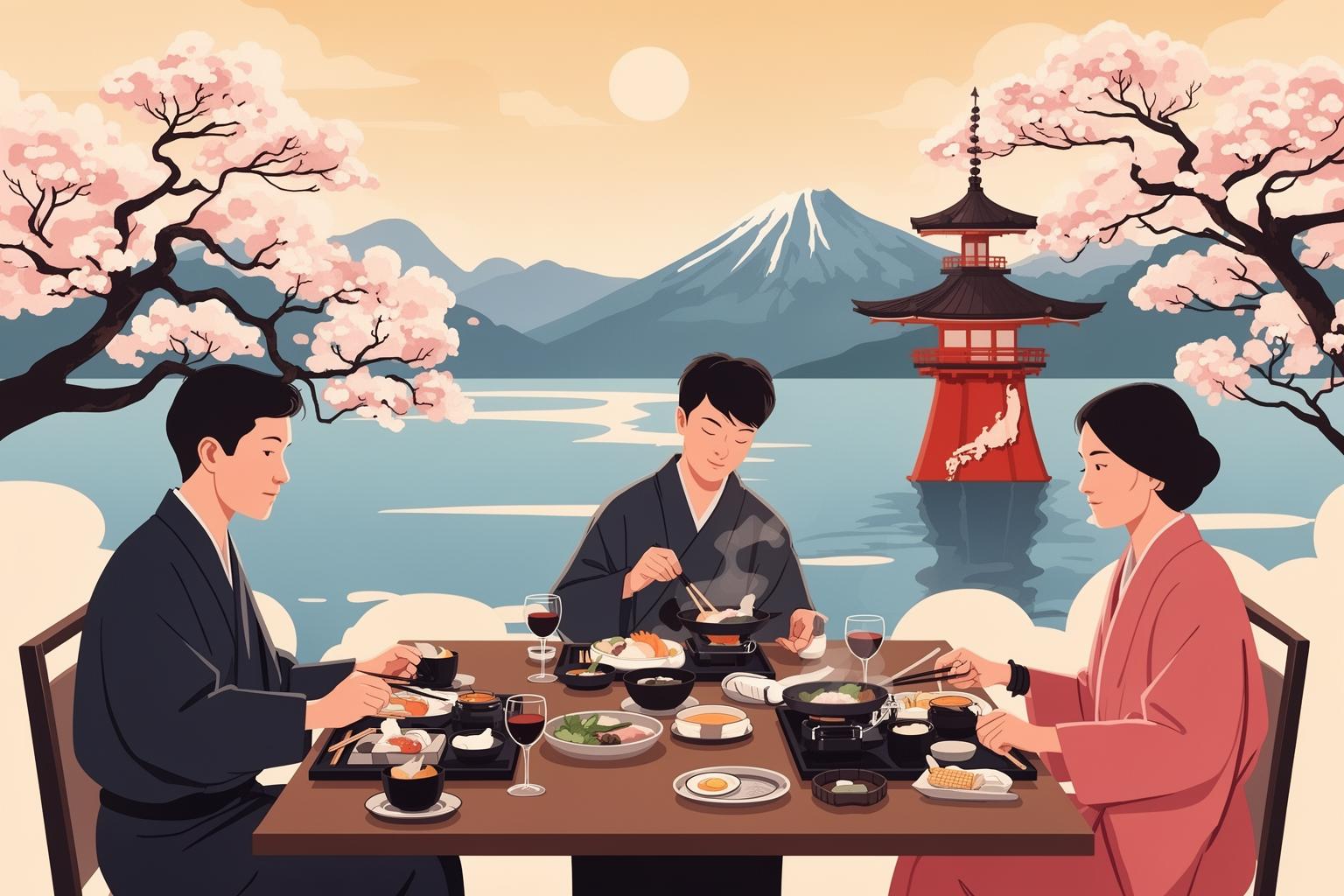
At its essence, `mokushoku` is the intentional practice of eating in silence, but limiting the definition to that alone misses its true significance. It is not the cold, awkward quiet typical of a strained family meal. Rather, it is a warm, purposeful silence—a mutual understanding that the food is the main focus. In a culture that highly values the unspoken and places great emphasis on consideration for others, `mokushoku` naturally extends social etiquette.
Think of it as a kind of sensory mindfulness. Without the distraction of conversation, your other senses become more acute. You become aware of the subtle smokiness of the katsuobushi in the broth, the ideal springy texture of noodles against your teeth, and the way the delicate yuzu zest balances the richness of the chashu pork. It invites you to be entirely present. In this silence, eating is not merely about nourishment; it is a dialogue with the dish itself. Each bite conveys a story of ingredients, technique, and care. Your quiet attention is how you listen.
This practice rests on a foundation of respect. In Japan, many chefs—especially masters of crafts like sushi and ramen—are regarded as artisans (`shokunin`). They dedicate their lives to perfecting a single culinary art. The long hours spent simmering broth and the years devoted to mastering the precise pressure for forming nigiri exemplify their devotion. `Mokushoku` is the diner’s way of recognizing that dedication. By concentrating on the food, you honor the chef’s skill and effort. Your silence conveys a message stronger than words: “What you have created deserves my full and undivided attention.” It also shows respect for fellow diners, granting them the same courtesy of an uninterrupted, focused experience.
Ancient Roots in a Modern World
While the pandemic gave `mokushoku` a contemporary name and setting, its principles extend back centuries, rooted in profound wells of Japanese philosophy and tradition. It is not merely a trend; it is the modern embodiment of timeless values.
Zen and the Art of Eating
The most notable historical precedent for silent dining originates from Zen Buddhism. In Zen monasteries, meals are treated as a form of meditation called `ōryōki`. Monks eat entirely in silence from a nested set of bowls, following a strict ritual. The aim is to nurture mindfulness and gratitude. Every movement, from unfolding the cloth encasing the bowls to bringing the food to the mouth, is performed with intentional care. The silence removes distractions, enabling the monk to concentrate on receiving nourishment and reflect on the effort behind the food’s production. This ritual fosters a profound appreciation for the interconnectedness of life. While you won’t be practicing `ōryōki` in a ramen shop, the fundamental spirit—gratitude, mindfulness, and the elimination of the non-essential—is a clear predecessor of `mokushoku`.
The Quietude of the Tea Ceremony
Another cornerstone of Japanese culture that embraces quiet reflection is the tea ceremony, or `sadō` (the “Way of Tea”). A traditional tea gathering is a precisely choreographed ritual, where every movement holds significance. Although conversation is not completely absent, it is usually minimal, stylized, and secondary to the appreciation of the tea, the utensils, and the peaceful ambiance of the tea room. The host aims to create a moment of serene harmony, offering a brief respite from the concerns of the outside world. The guest’s role is to be a quiet, receptive participant. This focus on non-verbal communication and shared presence over dialogue highlights the idea that profound experiences do not always require narration. The focused silence of a tea ceremony and the respectful quiet of `mokushoku` both arise from this shared cultural value: discovering richness through restraint.
The Modern Temple: The Ramen Counter
Perhaps the most familiar and accessible setting to observe modern `mokushoku` is at a dedicated ramen shop. This practice is not just about politeness; it reflects practicality and respect for the craft. A great bowl of ramen demands perfect timing. The noodles reach an ideal texture and begin to lose their firmness the moment they meet the hot broth. The chef serves the bowl with the unspoken expectation that it will be eaten immediately, at its peak. Engaging in extended conversation while your noodles become soggy is considered a grave offense in the ramen world. It disrespects the chef’s skill. Additionally, popular ramen shops often have long queues. Eating efficiently and quietly shows consideration for those waiting. The audible slurp, however, is not a violation of this code—it signals enjoyment and helps cool the hot noodles, enhancing their flavor. The focus remains on the bowl, a philosophy that elevates the ramen counter to a genuine temple of `mokushoku`.
Reading the Room: The Unwritten Rules

For a visitor, the key question is: how can you tell when `mokushoku` is expected? Japan is a high-context society, and the essential skill is always to `kūki o yomu`—to “read the air.” Of course, not every meal is silent. Lively `izakaya` (Japanese pubs) buzz with laughter and loud talk, and family dinners serve as a time for connection. Context is everything.
High-End Sushi and Omakase
At a high-end sushi counter, especially during an `omakase` (chef’s choice) meal, silence is highly valued. The experience is often viewed as a performance. You sit directly in front of the `itamae` (sushi chef), watching a master craft each piece. Every nigiri is carefully prepared and placed before you, meant to be eaten within seconds. This is not the moment for office gossip. The focus is on the intimate exchange between chef and diner. Quiet appreciation, a nod, or a soft “Oishii” (delicious) after a particularly outstanding piece is the proper way to communicate. Loud conversation would not only distract from the subtle flavors but would also be considered deeply disrespectful to the chef’s intense focus.
The Solo Dining Sanctuary
Japan’s thriving solo dining culture, or `ohitorisama`, also naturally encourages `mokushoku`. Many restaurants, from ramen shops to tonkatsu places, are designed specifically for individual diners, with long counters or even private booths. The famous Ichiran Ramen chain, with its “flavor concentration booths,” is the ultimate example. These spaces are meant not for socializing but as sanctuaries where individuals can focus entirely on their meal. When you see a restaurant filled with solo diners, it is a clear signal that a quiet, introspective dining experience is the norm.
Spotting the Cues
When unsure, observe carefully. Is there a line outside? This often suggests a place where efficiency is prioritized. Is seating mostly at counters facing the kitchen? This setup directs attention to the food preparation. Are the other patrons—especially local regulars—speaking softly or remaining silent? These are all important signals. Follow their lead. The aim is not to be inflexible but to attune yourself to the atmosphere. Accurately reading the room is one of the most valuable skills you can develop as a traveler in Japan, and it will be greatly appreciated.
How to Experience Mokushoku (Without Being Awkward)
Embracing `mokushoku` can be one of the most fulfilling culinary experiences you encounter in Japan. It offers an opportunity to connect with your food on a level that our noisy, multitasking lifestyles seldom allow. Here’s how to approach it.
Begin by selecting a setting where `mokushoku` is customary. Look for a highly-rated ramen shop with counter seating, a traditional tempura or sushi bar, or even consider staying at a temple lodging (`shukubō`) that serves Buddhist vegetarian cuisine (`shōjin ryōri`). These places naturally encourage a more focused dining experience.
When you sit down, take a moment to become aware of your surroundings. Put your phone away. Don’t just glance at the bowl before you; truly observe it. Notice the arrangement of the toppings, the shine on the broth, the steam rising from the noodles. Before your first bite, inhale the aroma and let it fill your senses. This simple pause changes your mindset from passive eating to active appreciation.
While eating, focus on the textures and flavors. Try to distinguish individual ingredients. Is there a hint of kombu? A touch of ginger? This isn’t for academic scrutiny; it’s a way to engage with the chef’s creation. If you’re seated at a counter, feel free to watch the chef. Observe their precise, efficient movements. This is part of the experience. A quiet nod or a smile of gratitude when you finish makes for a perfect, non-verbal expression of thanks. You’ll discover that a connection forged through shared appreciation can be just as meaningful as one through conversation.
More Than Just Not Talking
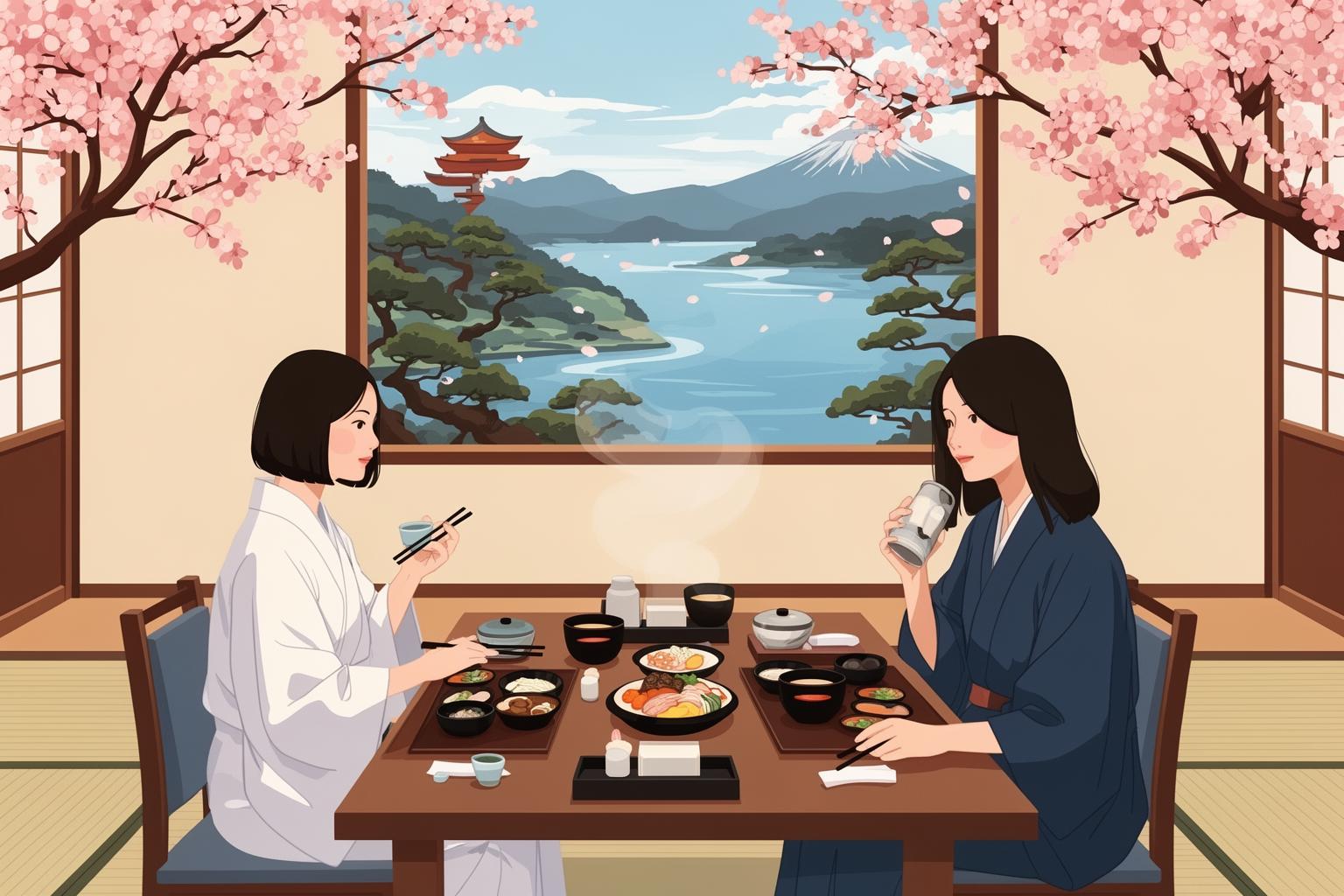
Ultimately, `mokushoku` is not a restrictive rule but a enriching opportunity. It invites you to step away from the nonstop external noise and enter a moment of internal calm. In our hyper-connected world, where meals often serve as mere backgrounds for scrolling through phones or hurrying through business lunches, eating silently and with focus becomes almost a radical act. It’s a form of mindful meditation.
By adopting this practice, you move beyond being a passive observer and become a more engaged participant in the culture. You demonstrate respect for the deep-rooted values of craftsmanship, mindfulness, and consideration that define much of Japanese life. You realize that silence, when embraced in the right context, is not empty but filled with flavor, aroma, texture, and a profound sense of gratitude. The next time you find yourself in a quiet Japanese eatery, resist the urge to break the silence. Instead, savor it. It might be the most delicious thing you experience all day.