You see the explosion of cherry blossoms on Instagram and think you understand Japanese spring. And you’re not wrong, exactly. The pale pink clouds of sakura are the country’s most famous seasonal calling card, a national obsession that is as beautiful as everyone says. But it’s the headline act, the big, obvious spectacle. If you really want to understand the season’s deeper meaning—to taste it, literally—you have to look past the petals and into the mountains, to the dark, damp soil just shaking off the last of the snow. This is where you’ll find the true, unfiltered flavor of spring’s arrival: sansai.
Sansai, or wild mountain vegetables, are the first green shoots to force their way through the cold earth. They are not farmed, not cultivated, not tamed. They are foraged. And they are, almost without exception, bitter. For a Western palate conditioned to crave sweet, salty, and savory, this can be a shock. We spend so much effort breeding the bitterness out of our vegetables—making arugula milder, our kale less aggressive. Yet in Japan, this fleeting, challenging flavor isn’t just tolerated; it’s revered. It’s sought out. Chefs at Michelin-starred restaurants and grandmothers in remote villages alike wait all year for that first astringent bite.
Why? Why celebrate a flavor that most of the world tries to avoid? The answer is a beautiful and complex knot of physiology, philosophy, and ritual. It’s a story about waking up, about connecting with the wild, and about finding profound beauty in imperfection. It’s a taste that tells you something fundamental about the Japanese relationship with nature and the passing of time. Forget the sakura for a moment. Let’s talk about the essential bitterness of spring.
Beyond the foraged flavors of sansai, many diners are discovering that Japan’s unheralded B‑kyu gourmet scene offers an equally bold tribute to nature’s imperfect artistry.
More Than Just Vegetables: The Identity of Sansai
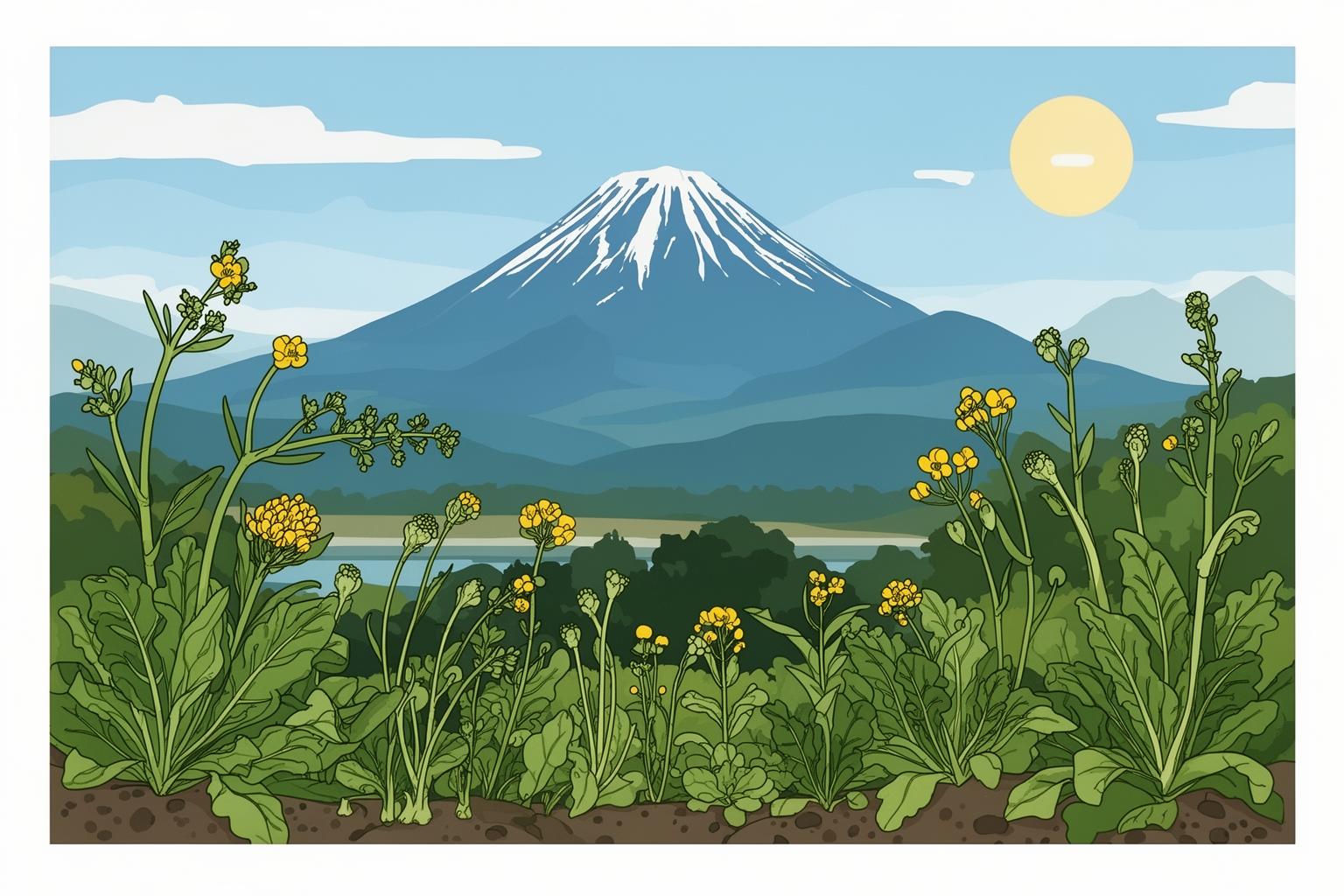
First, let’s clarify what we’re talking about. The word sansai (山菜) literally means “mountain vegetables,” but that doesn’t quite convey their true nature. This isn’t merely a trip to the grocery store. These are wild plants, untamed and rugged, collected straight from their natural environment. They embody seasonality, appearing for only a brief moment when conditions are just right.
Though there are hundreds of edible types, a few favorites consistently show up on menus and in homes every spring:
Fukinoto (蕗の薹): The tightly curled bud of the butterbur plant. Often one of the earliest to emerge, sometimes even pushing through the snow. It offers a strong, aromatic bitterness, almost floral. When deep-fried as tempura, it’s a revelation—the crispy, oily batter giving way to an intense, fragrant center.
Tara no Me (タラの芽): The bud of the Japanese angelica tree, frequently called the “king of sansai.” It features a rich, slightly resinous taste with a pleasant bitterness and a texture that’s both tender and hearty. It’s another tempura favorite, and for good reason.
Kogomi (こごみ): The tightly coiled fiddlehead of the ostrich fern. It’s one of the milder, more approachable sansai varieties, with a crisp texture and a subtle, asparagus-like flavor with just a touch of earthy bitterness. Simply blanching and tossing it in sesame dressing makes it delicious.
Warabi (わらび): Bracken fern fiddleheads. These have a stronger flavor and require careful preparation to eliminate natural toxins and bitterness—a process we will discuss. They possess a unique, slightly slippery texture (in a good way) and a deep, woody flavor.
Foraging for these plants, a practice called sansai-tori, is a beloved tradition in itself. It demands deep knowledge of the terrain, passed down through generations. You must know which slopes catch the morning sun, which plants are safe and which are toxic lookalikes, and above all, how to harvest sustainably—taking only a few shoots from each cluster so the plant thrives and others can enjoy it. This is not simply gathering food; it’s a dialogue with the forest.
The Philosophy of Bitterness
The real question remains: why do we crave this challenging flavor? The answer lies at the intersection of body and spirit. In traditional Japanese thought, the body is not separate from the seasons; it moves in harmony with them.
Waking the Body from Winter
Consider a traditional winter diet in a place like Japan, especially before modern refrigeration and global shipping. It consisted of rice, preserved foods such as pickles and salted fish, and hardy root vegetables. It was a diet of storage and dormancy. Come spring, the body is thought to be sluggish, burdened with accumulated toxins from this heavier fare.
This is where the bitterness of sansai plays a role. In both traditional medicine and folk wisdom, these bitter compounds, known as polyphenols and alkaloids, are regarded as natural stimulants. They are believed to awaken the digestive system, cleanse the liver, and gently purge the body of winter’s metabolic hibernation. That sharp, astringent flavor serves as a physiological jolt, a natural alarm clock telling your organs, “Winter is over. It’s time to wake up and get to work.” Eating sansai acts as a spring cleaning for the body.
Tasting the Calendar
Japanese cuisine is shaped by the concept of shun (旬), the peak of an ingredient’s seasonality. It’s the moment when a particular fish, fruit, or vegetable is at its most flavorful and nutritious. But shun is more than a culinary term; it’s a way of experiencing time. Eating what is in season allows you to fully inhabit the present moment.
Sansai represent the hashiri, the very first appearance of the season’s shun. Their bitterness is not just a taste; it’s the flavor of the earth itself reawakening. It’s the taste of melted snow soaking into the soil, of minerals being drawn up into the first brave shoots. By eating sansai, you consume the very essence of that transition between winter’s end and spring’s beginning. The flavor is inseparable from the time of year. A sweet strawberry in December feels out of place; a bitter bite of fukinoto in April feels profoundly right. It’s a taste that grounds you in the calendar.
An Edible Form of Wabi-Sabi
There’s also a deeper aesthetic appreciation involved. The Japanese worldview is famously shaped by aesthetics like wabi-sabi, which finds beauty in things that are imperfect, impermanent, and incomplete. A perfectly symmetrical, mass-produced ceramic bowl is less interesting than a handmade one with a slight wobble and uneven glaze. The latter has character; it tells a story.
Sansai are the culinary embodiment of this idea. They are not perfectly uniform like carrots or potatoes. They are wild, asymmetrical, and sometimes a little tough. Their flavor is not simple or easy; it’s complex and challenging. The bitterness is an imperfection that gives them their character. To appreciate sansai is to appreciate nature in its raw, unpolished state. It is an act of accepting that not everything in life is sweet and easy, and that there is profound beauty in the complex and transient. The flavor, like the season itself, will soon fade, making its presence all the more precious.
From Mountain to Plate: The Art of Preparation
Celebrating bitterness doesn’t mean consuming it without restraint. The Japanese approach to sansai embodies a respectful balance. The aim is not to entirely eliminate the bitterness but to soften it, smoothing its sharp edges so that its more subtle, aromatic qualities can come forward. This technique is called aku-nuki (灰汁抜き), which literally translates to “removing the harshness.”
Here, culinary skill becomes a form of reverence for the ingredient. The methods are often traditional and time-intensive. Some vegetables, such as warabi, are soaked overnight in water mixed with wood ash, whose alkaline properties neutralize toxins and mellow the flavor. Others are parboiled in water with a bit of rice bran. The cook’s role is to attune to the ingredient and understand how much of its wild spirit to preserve.
Once prepared, sansai are served in ways that highlight their distinctive character.
Tempura
This is arguably the most popular preparation. Enclosing the bitter shoots in a light, crispy batter and flash-frying them in hot oil creates a kind of magic. The heat subtly sweetens the vegetable, and the richness of the oil balances the bitterness perfectly. A dip in salt or a light tempura sauce completes the experience. It’s a play of contrasts: crisp and tender, oily and fresh, bitter and savory.
Ohitashi and Aemono
Simpler preparations let the vegetable’s pure flavor take center stage. For ohitashi, the sansai are blanched and then steeped in a delicate broth of dashi, soy sauce, and mirin. It’s a gentle infusion that seasons the vegetable without overwhelming it. For aemono, the blanched greens are tossed in a dressing often made with ground sesame seeds, miso, or mashed tofu. These rich, umami-packed pastes coat the sansai, softening their bite while adding an additional layer of earthy complexity.
In every instance, the preparation is minimal. Sansai are never buried in a heavy casserole or a thick, spicy sauce. The culinary philosophy is one of subtraction—doing just enough to let the ingredient’s natural character shine. It reflects the confidence of a food culture that doesn’t need to mask or disguise a challenging flavor, but rather to present it in its best possible light.
A Taste of Resilience in the Modern World

In a world of year-round strawberries and instant gratification, the tradition of sansai feels like a subtle act of defiance. It serves as a reminder that some things cannot be hurried, and that the finest flavors often belong to a particular place and a fleeting moment in time. Naturally, this tradition faces challenges. As Japan’s population ages and urbanizes, fewer people possess the traditional knowledge to forage safely. Younger generations, raised on a global diet of sweeter and saltier foods, may not develop the same appreciation for bitterness.
Still, the tradition persists and even experiences a revival. High-end kaiseki restaurants in Tokyo and Kyoto pride themselves on sourcing the freshest, most intriguing sansai from remote mountain areas, introducing these flavors to a new generation of diners. There is a growing movement among chefs and food enthusiasts focused on locavorism and rediscovering the unique terroir of Japan’s countryside. Vacuum-packed sansai is now available in supermarkets, offering convenience that, while lacking the romance of foraging, keeps the flavors within reach.
Ultimately, eating sansai in the spring is about far more than just enjoying a meal. It is a ritual of reconnection. It links you to the wild, untamed landscape just beyond the city’s edge. It binds you to the deep, cyclical rhythms of the seasons. And it reconnects you with a part of your palate you might not have known existed—the part that takes pleasure not only in simple sweetness, but also in the challenging, complex, and deeply invigorating taste of bitterness. It is the signature of life’s return, a taste of the earth stretching and yawning after a long rest. It is the taste of the thaw.