So you’ve heard about the basements of Japanese department stores. Someone probably called it a “food court,” and you pictured a sticky-floored purgatory of fast-food chains under fluorescent lights. Let’s correct the record, permanently. To call a depachika a food court is like calling a meticulously handcrafted watch a simple time-teller. It’s not just wrong; it misses the entire point.
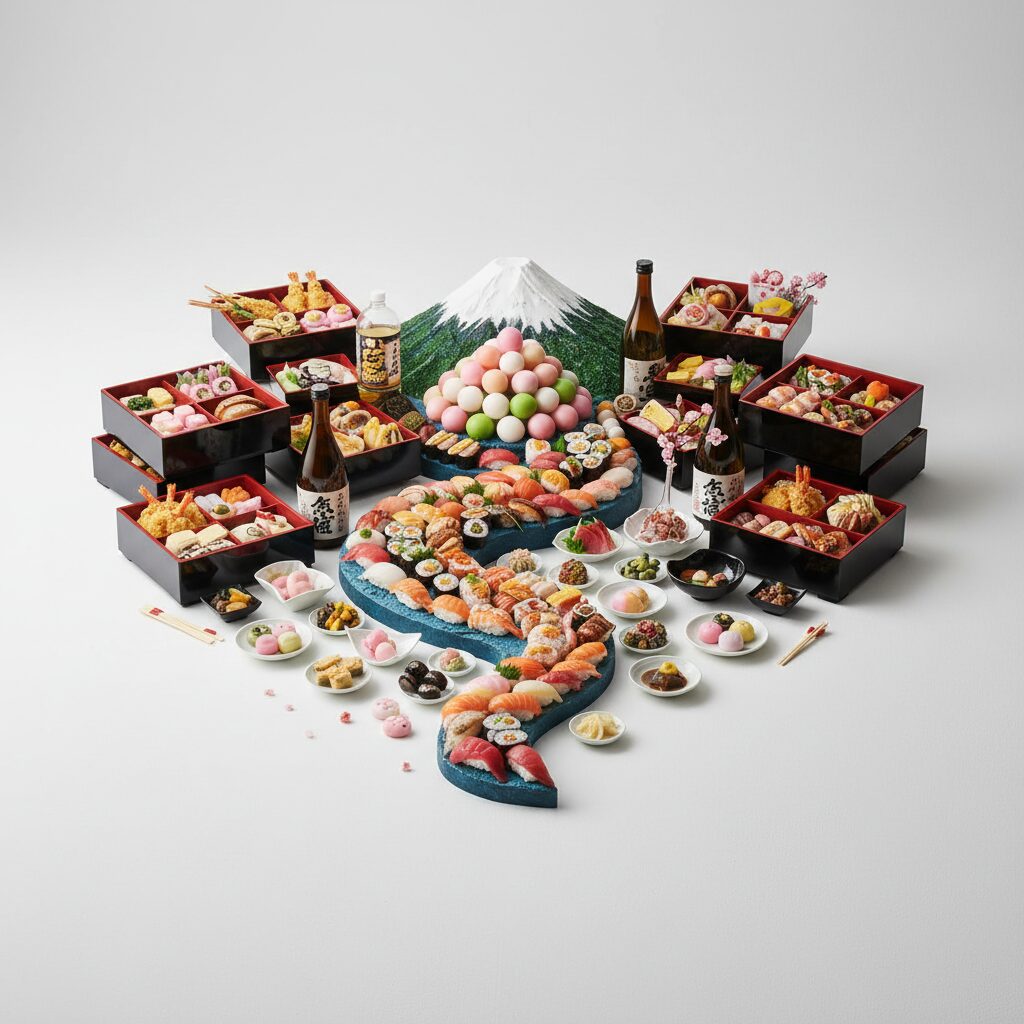
The word itself, a neat portmanteau of depāto (department store) and chika (basement), gives you a clue. This isn’t an afterthought. It’s an integral, celebrated part of the Japanese retail experience. Far from being a mere convenience, the depachika is a dazzling, sprawling, and deeply cultural theater dedicated to the art of food. It’s a gallery, a market, and a social institution rolled into one. This subterranean world is where you’ll find impeccably crafted bento boxes that look like jewelry cases, seasonal sweets that are edible works of art, and gift-wrapped fruits that can cost more than a smartphone. It’s a place of ritual, reverence, and sensory overload in the best possible way. Forget what you think you know about basements. In Japan, this is where you go to witness the country’s culinary soul on full display.
Japan’s culinary ingenuity extends beyond the depachika’s grandeur, inviting curious food lovers to experience how everyday treats are transformed into works of art through inventive konbini desserts.
The Stage and the Scenery: A Masterclass in Presentation
Entering a depachika is an instant immersion. The air is filled with a symphony of subtle, enticing scents—the sweetness of freshly baked bread, the savory aroma of grilled eel, the clean fragrance of premium tea. This stands in sharp contrast to the often-quiet floors of clothing and cosmetics above. Yet, it’s the visual elements that truly set the scene. This space isn’t designed for hurried, practical shopping; it’s crafted to inspire wonder and appreciation.
More Gallery Than Grocery Store
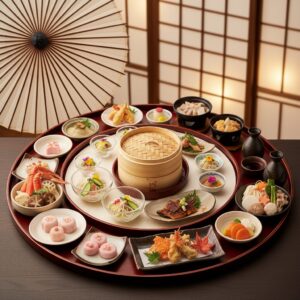
Each item is displayed with an almost obsessive attention to detail. This principle is what distinguishes the depachika from any Western counterpart. Rows of yakitori skewers line up perfectly, each piece gleaming under warm spotlights. Jewel-toned pickles are artfully arranged in elegant ceramic bowls. In the pastry section, cakes aren’t merely placed in refrigerated cases—they’re presented as individual masterpieces, each flawlessly shaped, garnished, and positioned with meticulous care. The lighting is soft and purposeful, highlighting the flaky texture of a croissant or the rich color of a tuna slice. There’s no torn packaging, no cluttered displays, no sense of chaotic excess. Instead, a profound respect for the food is conveyed. The presentation sends a clear message: this food was crafted with skill and care, and it deserves admiration before it’s enjoyed.
The Logic of the Labyrinth
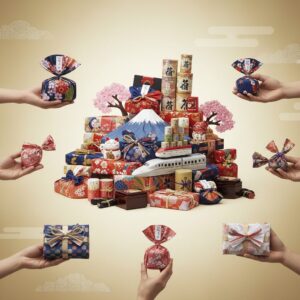
At first, the layout of a depachika might feel overwhelming, but there is a distinct, unspoken logic behind it. It’s a carefully designed journey through Japanese gastronomy. Near the main entrances, you’ll usually find the wagashi (traditional Japanese sweets) and yōgashi (Western-style pastries) counters. This is by design. These items are the most popular choices for temiyage—a gift brought when visiting someone’s home. Positioning them near the entrance makes it easy for visitors to pick up a beautifully boxed present on their way to a social gathering.
As you go deeper, you enter the realm of sōzai, or prepared side dishes. This area is a lifesaver for busy urbanites, offering everything from intricate simmered vegetables and crispy tempura to salads and grilled fish. Beyond that, specialists await: the butcher featuring marbled wagyu beef, the fishmonger displaying seafood caught that very morning, the artisanal cheese shop, the bakery, and the extensive sake and shochu section. It’s a blueprint for a well-rounded, high-quality meal, laid out for you to assemble. Each section seamlessly flows into the next, creating a culinary narrative full of possibilities.
A Living Calendar of Flavors
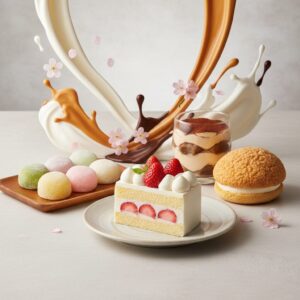
Perhaps the most enchanting feature of the depachika is its dedication to seasonality, or shun. The entire space evolves every few months to showcase the freshest and finest offerings of the moment. In spring, counters burst with shades of pink and green. You’ll find sakura-flavored mochi, cakes topped with fresh strawberries, and bento boxes featuring bamboo shoots and tender spring vegetables. Come autumn, the color scheme shifts to warm oranges and deep browns. Chestnut Mont Blanc pastries abound, alongside dishes highlighting sweet potatoes, mushrooms, and glistening Pacific saury. This ongoing transformation makes every visit a fresh experience. The depachika isn’t just selling food; it’s narrating a story about the season, encouraging customers to savor the fleeting beauty of each time of year through its flavors. It offers a delicious, tangible connection to the rhythms of nature.
The Performance: Rituals of Service and Selection
Beyond the stunning visuals, the human element of the depachika elevates it from a beautiful market to a true theatrical experience. The interactions here follow unspoken rules of etiquette and a profound sense of professionalism. The staff are not simply employees; they act as performers, guides, and custodians of their craft.
The Art of the Sample
Many counters offer samples, but this is vastly different from the free-for-all typically seen at a warehouse club. Sampling in a depachika is a polite and structured ritual. A staff member, often wearing pristine gloves, will present you with a tiny, perfect portion on a small dish or with delicate tweezers. This invitation encourages you to pause, taste thoughtfully, and perhaps share a brief, appreciative comment. It’s a quiet, one-on-one interaction meant to highlight the product’s quality, not just to give away free food. It’s a gesture of the vendor’s confidence in the excellence of their item.
The Counter as a Consultation
The individuals behind the counters are specialists. The person selling sencha tea can explain the region it hails from, its flavor profile, and the ideal water temperature for brewing. The attendant at the ham counter will ask if you prefer a leaner or fattier cut before slicing it to your desired thickness with practiced, graceful motions. You are encouraged to ask questions, transforming a simple purchase into a consultation. The staff’s expertise builds trust and adds value to the transaction, reinforcing the idea that you are acquiring something of superior quality. Their pride in their products is tangible and forms a key part of the depachika experience.
The Ceremony of Packaging
In Japan, the container often holds as much importance as the contents, and this is especially evident in a depachika. Packaging your purchase becomes a performance itself. Items aren’t simply tossed into plastic bags. A box of cookies is wrapped in branded paper with impeccably folded corners, secured with a sticker, and then placed in a crisp paper bag with handles neatly turned out for you. For cold items, a small ice pack is commonly included and the item placed in an insulated pouch. Even a single pastry is carefully placed in a small box to protect it on its journey home. This meticulous wrapping goes beyond aesthetics; it shows respect for both the product and the customer. It ensures the food arrives in perfect condition and, when a gift, becomes part of the presentation, reflecting the care and thoughtfulness of the giver.
The Audience and the Aftermath: Social Significance
The depachika is more than simply a place to purchase food; it reflects Japanese society, its values, and its daily rhythms. It fulfills various social roles, from being a source of status-symbol gifts to providing high-quality everyday meals.
The Currency of a Good Gift
Depachika are closely associated with prestige. The brands and shops permitted to operate within them are carefully selected for their quality and reputation. Thus, a gift bought from a well-known department store like Isetan, Mitsukoshi, or Takashimaya carries considerable social significance. When you present someone with a box of sweets from a famous depachika patisserie, you are offering more than just a treat; you are expressing your respect and high regard for them. The store’s name on the bag serves as a guarantee of quality and signals the giver’s refined taste. This holds special importance in Japan’s gift-giving culture, where the act of giving is rich with meaning.
Sōzai Culture: The Elevated Daily Meal
The expansive sōzai sections respond to a modern reality: many people in Japan’s busy cities work long hours and may lack the time or energy to cook a full meal from scratch every evening. Yet convenience does not come at the expense of quality. The prepared dishes in a depachika are far removed from greasy takeout. They are crafted with top-quality ingredients and restaurant-level skill. You can create a complete, nutritious, and delicious meal—a piece of grilled salmon, a side of hijiki seaweed salad, simmered pumpkin, and some pickles. This enables people to enjoy a home-style meal without the effort, bringing a touch of depachika excellence to their dinner table.
The Time Sale Spectacle
For most of the day, the depachika is a place of calm, orderly shopping. But if you visit an hour before closing, you’ll see a dramatic shift. This is the moment of the taimu sēru (time sale). To avoid wasting leftover food, vendors start heavily discounting their remaining bento boxes and sōzai. The mood changes from peaceful to electric. Staff stand on stools, announcing discounts through megaphones. The polite afternoon lines transform into savvy shoppers weaving through crowds to grab the best bargains. It’s a fast-paced, thrilling event that reveals a more pragmatic, less formal side of the depachika. It’s a spectacle of organized chaos and a cherished ritual for locals hunting gourmet deals.
More Than a Meal
Ultimately, the depachika serves as a microcosm of the finest aspects of Japanese food culture. It is a space where the values of seasonality, craftsmanship, and flawless presentation are not merely ideals but standard practice. It stands as proof that food should be both visually stunning and flavorful, that service should combine both art and science, and that even a simple everyday meal deserves attention and respect.
Therefore, no, it is not a food court. It is a stage where every performer, from the pickle vendor to the pastry chef, is a master of their art. It is a gallery where each dish is a masterpiece. For anyone seeking to understand Japan’s profound and enduring passion for food, there is no better place to begin than in the vibrant, delicious world beneath the department store.