Ask anyone to picture a classic Japanese night out, and they’ll likely describe an izakaya. You can probably conjure the image yourself: the warm glow of a red lantern outside, the rush of savory air as you slide open the door, the energetic chorus of “Irasshaimase!” from the staff. It’s a place of controlled chaos—the clatter of plates, the sizzle from the grill, the constant murmur of conversation punctuated by laughter and the sharp clinking of glasses. For decades, this was the default third space for Japanese adults, the essential release valve after a long day at the office. It was where deals were sealed, friendships were forged, and frustrations were aired over countless plates of yakitori and overflowing glasses of beer.
But in recent years, a quieter, more personal, and arguably more sophisticated revolution has been taking place. It’s happening not in the bustling alleys of Shinjuku’s Omoide Yokocho or the lively corridors of a Ginza depachika, but behind the closed doors of millions of ordinary apartments. This is the world of ie-nomi, or “home drinking.” And you need to understand, this isn’t just the Japanese equivalent of grabbing a six-pack to drink on the couch while watching TV. That’s far too simple.
What started as a practical alternative to expensive nights out has evolved into a full-blown national hobby, a form of self-care, and a deeply personal ritual. Ie-nomi is the art of curating a perfect drinking experience within your own four walls. It’s about the deliberate selection of a regional craft beer you’ve been wanting to try, the thoughtful pairing of a gourmet snack from the local conbini, the choice of a specific, delicate glass to enhance the aroma of your sake. It is, in essence, the act of becoming your own bartender, your own chef, and your own discerning patron, all at once. The pandemic certainly threw gasoline on this slow-burning fire, transforming a preference into a national pastime, but its roots run much deeper, tapping into fundamental shifts in Japanese economic life, social structures, and the very definition of a good time. This is the story of how Japan perfected the art of drinking in, transforming the humble home into the most exclusive izakaya in town.
The rise of ie-nomi not only reimagines traditional nightlife but also mirrors the growing trend of guilt-free convenience indulgence that is reshaping Japan’s culinary scene.
More Than Just Drinking at Home: Defining Ie-nomi
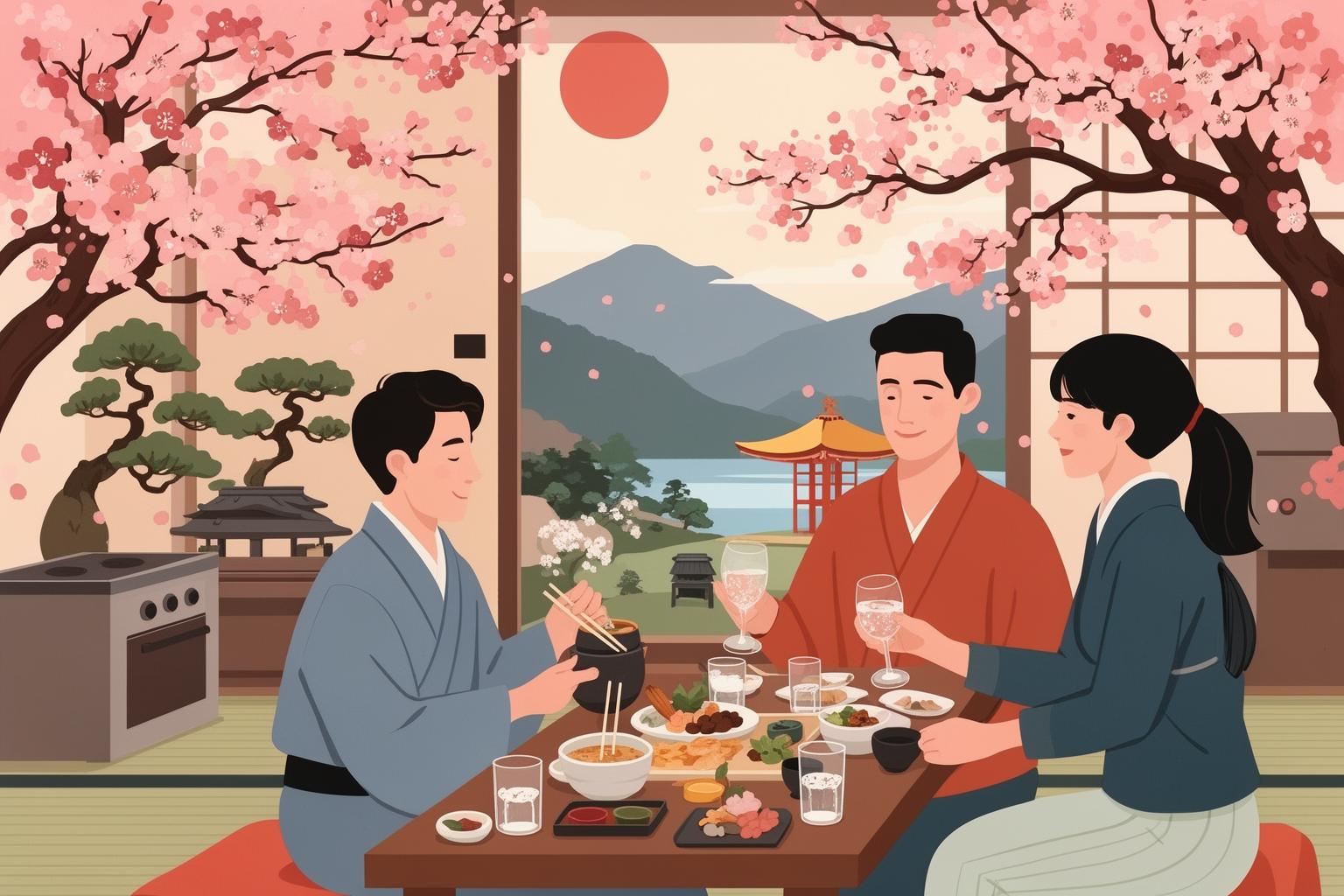
To truly understand what ie-nomi is all about, you need to distinguish it from the Western idea of “pre-gaming” or simply having a casual drink at home. There is a level of intentionality involved that elevates the entire experience. It’s a planned occasion, even if you’re the only one on the guest list. The term itself, 家飲み (ie-nomi), is straightforward—家 (ie) means home, and 飲み (nomi) means drinking. However, its cultural significance has grown tremendously over the past couple of decades.
A Quick History of a Private Ritual
Drinking at home has always been part of Japanese life, of course. The classic image of the Showa-era father—the quintessential salaryman—coming home to a cold beer poured by his wife along with a few simple snacks was known as banshaku (晩酌), or “evening drink.” This was a practical ritual, a way to mark the end of the workday and the beginning of personal time. It was routine and comforting, but rarely celebratory or adventurous.
The landscape began to change during Japan’s “Lost Decades,” starting in the 1990s. The economic bubble had burst, and the lavish corporate spending that fueled an active nightlife began to decline. Lifetime employment was no longer guaranteed, and salaries stagnated. Suddenly, frequent trips to the izakaya with colleagues weren’t just social necessities; they became a significant financial burden. People started seeking more affordable ways to relax, and home was the obvious choice.
Meanwhile, societal structures were evolving. The number of single-person households skyrocketed. More women entered and sustained participation in the workforce, creating new consumer demographics. The old model of mandatory, hierarchical group drinking with the boss (nomikai) started to lose its appeal among younger generations who valued their personal time more. They weren’t anti-social, but they wanted control over their social lives. Ie-nomi provided that freedom. It was a space free from social pressure where you could drink what you liked, eat what you wanted, and leave whenever you pleased—simply because you were already at home.
The Pandemic Pour: How COVID-19 Accelerated the Trend
If the economic and social shifts of the last thirty years laid the foundation for ie-nomi, the COVID-19 pandemic built a skyscraper atop it. Almost overnight, izakayas and bars were closed or severely restricted. The government urged people to stay home. The only option was to drink at home.
This period of necessity sparked creativity. With nowhere else to go and extra time on their hands, people began investing seriously in their home drinking experience. It was no longer just about saving money; it became about reclaiming normalcy and enjoyment in an uncertain and restrictive world. It turned into a project. People who once grabbed a can of Asahi Super Dry started exploring craft beers from microbreweries in Nagano. They watched YouTube tutorials on perfecting the crystal-clear highball. They experimented with izakaya-style dishes in their own kitchens.
Restaurants, struggling to survive, shifted to offering high-quality takeout and delivery, allowing people to enjoy professional-level meals alongside their home-poured drinks. Convenience stores and supermarkets, responding to the massive consumer shift, expanded their premium alcohol selections and launched increasingly sophisticated and delicious otsumami (drinking snacks). The pandemic didn’t create ie-nomi, but it propelled it from a growing trend to a core part of mainstream Japanese culture. It democratized the gourmet experience and proved that a world-class bar could be wherever you chose to set down your glass.
The Anatomy of a Perfect Ie-nomi Session
Understanding the rise of ie-nomi is one thing, but truly appreciating its artistry requires a closer examination of its individual elements. A great session is a harmonious blend of carefully selected components, each playing an essential role. It’s a ritual, and like any well-practiced ritual, it consists of distinct parts that participants hold in high regard.
The Main Event: Curating the Drinks
The choice of beverage forms the foundation of the entire experience. Gone are the days of a simple, one-size-fits-all beer. The modern ie-nomi enthusiast acts as a curator, with convenience stores and supermarkets serving as their galleries.
Beyond the Basic Beer
Though the big four—Asahi, Kirin, Sapporo, and Suntory—still dominate, the true excitement lies in the craft beer section. A decade ago, finding a Japanese IPA or stout was a challenge. Now, even the average 7-Eleven offers a rotating selection from breweries like Yo-Ho Brewing (their Yona Yona Ale is an introductory craft beer for many) and Echigo Beer. This accessibility has turned many casual drinkers into budding connoisseurs, debating hop varieties and enjoying seasonal releases that reflect the passage of time—a sakura-infused ale in spring, a robust stout in winter.
The Rise of the Chu-hai and Strong Zero Culture
One cannot discuss modern ie-nomi without mentioning canned cocktails. The chūhai (a blend of shochu and highball) is a world unto itself. The variety is astonishing, with each season bringing a flood of limited-edition flavors: Amaou strawberries from Fukuoka in spring, Okinawan shikuwasa citrus in summer, Nagano grapes in autumn. Iconic brands include Suntory’s -196°C Strong Zero and Kirin’s Hyoketsu. The “Strong” series, usually at 9% ABV, is especially famous and beloved. These drinks are potent, affordable, and dangerously easy to consume, providing a quick and effective way to relax. For many, the release of a new Strong Zero flavor is a cultural event—something to seek out, taste, and discuss.
Rediscovering Sake and Shochu
Traditionally, sake and shochu were associated with older generations or formal occasions. Ie-nomi has shifted this perception. Breweries now create smaller, stylish bottles ideal for solo drinkers or couples. Online retailers offer tasting sets from various regions, enabling people to explore a vast range of flavors—from crisp, dry Niigata sake to rich, sweet Kagoshima potato shochu—all from the comfort of home. People are learning to pair these drinks with food, serve them at different temperatures, and appreciate their complexity in a relaxed setting, free from the formality of restaurants.
The Japanese Whisky Obsession at Home
The global surge in Japanese whisky has made premium bottles both expensive and hard to obtain. The everyday alternative? The highball. This simple mix of whisky and super-carbonated soda water has become a national passion. At home, however, it becomes a science. An entire cottage industry exists around perfecting the home highball: special ice trays for crystal-clear, slow-melting ice; high-pressure soda siphons like the SodaStream; and endless online debates over the ideal whisky-to-soda ratio. Though simple, the ritual of crafting this drink is a vital part of the enjoyment.
The Supporting Cast: The Art of Otsumami
In ie-nomi, food is never just food. It’s otsumami or sake no sakana—companions to the drink designed specifically to enhance its flavors. The availability and quality of otsumami arguably play the biggest role in making Japanese home drinking so special.
Conbini Gold
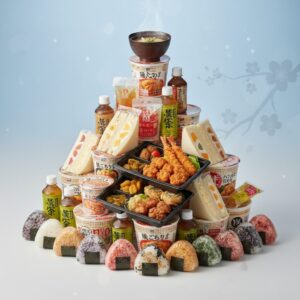
The Japanese convenience store, or conbini, reigns supreme in the world of ie-nomi. It is a treasure trove of affordable, high-quality snacks that go far beyond a simple bag of chips. You can assemble a multi-course izakaya-style meal without any cooking. Think soy-marinated soft-boiled eggs (ajitama), small packs of smoked cheese, spicy cod roe (mentaiko), pre-peeled edamame, premium beef jerky, and a vast selection of seasoned dried squid and fish. The hot food counters also play a major role, offering freshly fried chicken like FamilyMart’s Famichiki or Lawson’s L-Chiki—classic beer pairings.
The Home Chef’s Challenge
For those interested in going further, making otsumami at home has become a popular creative pursuit. Websites like Cookpad are filled with thousands of recipes for quick, easy izakaya-style dishes. These are not elaborate meals but small plates meant for nibbling. Popular choices include agedashi tofu (lightly fried tofu in savory broth), cucumber with miso-mayo dip, simple sashimi arranged with shiso leaf and wasabi, or pan-fried chicken meatballs (tsukune) glazed with sweet soy sauce. Preparing these dishes is part of the relaxation ritual.
Department Store Delights (Depachika)
For special ie-nomi occasions, many turn to the depachika, the sprawling and ornate food halls found in the basements of major department stores. Here, the quality rivals that of restaurants. You can purchase exquisite sashimi, artisanal cheeses, gourmet salads, perfectly grilled yakitori, and a vast selection of prepared foods known as sozai. This allows for a luxurious, celebratory experience at home—often at a fraction of the price of dining out.
Setting the Stage: Glassware, Gadgets, and Atmosphere
The final dimension of ie-nomi is the setting itself. Here, the dedication to aesthetics and ritual truly becomes evident. It’s not enough to have superb drinks and food; presentation matters greatly.
The Right Vessel
Drinking a premium craft beer straight from the can is considered a waste. Enthusiasts own a variety of glassware for different drinks. This includes the famous usu-hari glasses—extremely thin and delicate glassware originally designed for lightbulbs—renowned for enhancing the texture and flavor of beer. Sake is served in small ceramic cups (ochoko) or delicate glass carafes (tokkuri). A proper highball comes in a tall, thick-bottomed mug to keep it cold. This practice reflects the Japanese cultural appreciation for using the right tools and finding beauty in functional objects.
The Gadget Boom
Japan’s love of clever gadgets extends deeply into home drinking culture. Many popular devices enhance the experience. Ultrasonic beer foamers clip onto cans to create a perfect, creamy head. Compact electric sake warmers (atsukan) heat sake to just the right temperature. Tabletop grills for one or two people allow for mini yakiniku (grilled meat) or takoyaki (octopus ball) parties. These gadgets transform a simple home drink into an interactive and enjoyable event.
Crafting the Mood
Finally, atmosphere is crucial. This might mean playing a specific playlist, from city pop to mellow jazz. It could involve dimming the lights and watching a favorite movie. For many, it’s about pairing the drink with an activity, like watching a baseball game, whose rhythm of tension and release perfectly complements sipping and snacking. The goal is to create a personal sanctuary—a space optimized for relaxation and enjoyment.
The Cultural Significance: Why Ie-nomi Resonates So Deeply
The meticulous attention to detail in a good ie-nomi session suggests something deeper than merely a hobby. Its popularity reflects contemporary Japanese values and serves as a response to the pressures of modern life. It is a practice that addresses social, economic, and psychological needs in ways that traditional izakayas sometimes cannot.
Control, Comfort, and the Introvert’s Haven
Japanese work culture is famously group-oriented, and this extends into socializing. The traditional nomikai can often be fraught with unspoken rules and social obligations. You must be mindful of hierarchy, pouring drinks for your superiors before yourself (oshaku). You need to keep conversations flowing, engage in small talk, and maintain a certain level of energy. This can be exhausting, feeling like an extension of the workday.
Ie-nomi is the complete opposite. It represents total and absolute control. At home, you are the master of your domain. You decide what to drink, how quickly to drink it, and when to stop. You can eat exactly what you crave. You can be silent if you wish. You can wear comfortable clothes. There is no performance. This freedom is incredibly appealing in a society that values harmony and often requires individuals to suppress personal desires for the group’s sake. Ie-nomi offers a safe, private space to decompress and be your authentic self without judgment or expectation.
A Form of Everyday Luxury and Self-Care
For many in Japan, especially those who came of age after the economic bubble burst, dramatic upward mobility feels like a distant dream. Wages have remained largely flat for decades. In this context, people seek out small, attainable moments of luxury and pleasure. This is sometimes called “puchi zeitaku” (プチ贅沢), or “small luxury.”
Ie-nomi perfectly embodies this concept. You might not afford a new car or an extravagant vacation, but you can certainly spend 800 yen on a fantastic can of craft beer and a gourmet package of smoked duck from the local supermarket. This small act of spending a little extra on a high-quality consumable is a powerful form of self-care. The ritual of preparing the drink, arranging the snacks nicely, and taking time to savor them signals to yourself that you deserve care and enjoyment. It’s a mindful practice that carves out a moment of peace and indulgence amid an often stressful and demanding life.
The Digital Izakaya: Solo but not Alone
Although ie-nomi is often a solo activity, it is not isolating. Technology has fostered a vibrant digital community around it. During the pandemic, on-nomi (オンライン飲み, or “online drinking parties”) grew enormously in popularity, with friends and colleagues connecting over video calls to share a drink from their respective homes. This enabled social connection without the logistical challenges or costs of meeting in person.
Even more broadly, social media provides a platform for sharing the experience. Instagram is filled with beautifully composed photos under hashtags like #家飲み (ie-nomi), #宅飲み (taku-nomi, another term for home drinking), and #おうち居酒屋 (ouchi-izakaya, home izakaya). People carefully style their food and drinks, showcasing their latest discoveries, favorite glassware, and cooking skills. This isn’t just about showing off; it’s about sharing a passion and connecting with a community of like-minded individuals. YouTubers specializing in ie-nomi content have gained large followings by simply filming themselves preparing their evening drink and snacks, discussing their choices, and enjoying their meal. Watching them feels like sharing a quiet, comfortable drink with a friend, fostering a sense of companionship even when you’re physically alone.
The Future of Drinking in Japan
The profound shift toward home-based rituals is not a passing trend that will fade as the world returns to normal. It has fundamentally transformed the drinking culture of the nation and will have lasting impacts on businesses, social norms, and the very concept of a night out.
Is the Izakaya Dead?
Not at all. The izakaya remains a resilient and vital part of Japanese culture. However, its role has been redefined. For many, ie-nomi has become the go-to choice for an ordinary weekday evening. It’s the comfortable, affordable, and convenient option. Going out to an izakaya, by contrast, has become more of a special event. People are more discerning about where they go, opting for venues with a unique atmosphere, specialized menus, or for specific celebrations. They are willing to spend more on these occasions because they happen less often.
Savvy izakaya owners have recognized this shift and adapted accordingly. Many have heavily invested in takeout and delivery, marketing their food as a premium complement to home drinking. They offer yakitori sets, sashimi platters, and other signature dishes tailored for the ie-nomi crowd, bridging the gap between professional and home experiences.
The Lasting Impact on the Market
The consumer market has undergone a permanent transformation. The competition among convenience stores to create the next viral otsumami will only intensify. Supermarket liquor sections will continue to grow, providing more variety in craft beer, sake, and premium canned cocktails. We can expect further innovation in home-drinking gadgets and accessories, catering to an increasingly informed and discerning consumer base.
Breweries and distilleries are paying close attention, designing packaging and products specifically for the solo, at-home drinker. Limited-edition releases and seasonal flavors have become key marketing strategies, fostering excitement and discovery that encourage consumers to explore new options from their living rooms.
A Permanent Shift in Ritual
Ultimately, the rise of ie-nomi marks a lasting evolution in how Japan relaxes, socializes, and indulges itself. It perfectly embodies a culture that deeply values craftsmanship, aesthetics, and ritual, applied within the most personal of spaces: the home. It has elevated the simple, universal act of having a drink at the end of the day into a sophisticated, multi-dimensional art form.
It reflects a desire for control in an uncertain world, a pursuit of affordable luxury, and a new way to balance private time with social connection. The red lantern of the izakaya will always glow warmly, but for a new generation of drinkers, the greatest comfort might just be the soft click of their own front door locking, the satisfying hiss of a can opening, and the quiet, perfect pleasure of a bar where they are always the most valued guest.