You’ve probably seen the pictures, even if you didn’t know what you were looking at. Impossibly large, sparkling eyes. Skin so smooth it looks like polished porcelain. Chins sharpened to a delicate point and legs stretched to supermodel proportions. These aren’t the result of some new, viral smartphone app. They’re artifacts from a uniquely Japanese ritual, a cultural institution that has stubbornly refused to die in the age of the selfie. They are the product of Purikura.
To the uninitiated, a Purikura machine looks like a simple photo booth, maybe a bit more flashy and technologically advanced. But calling Purikura a ‘photo booth’ is like calling a traditional tea ceremony ‘getting a cup of hot leaf juice.’ It misses the entire point. It fails to capture the intricate social dance, the high-stakes performance against a ticking clock, and the collaborative art project that unfolds within and around these glowing boxes. Purikura—a portmanteau of purinto kurabu, or ‘print club’—is less a machine for taking pictures and more a stage for performing friendship. It’s a ritual with its own sacred spaces, unspoken rules, and tangible relics. It’s a place where groups solidify their identity, creating a shared, idealized memory that you can stick on the back of your phone. To understand why millions of people in Japan still eagerly feed coins into these machines when their pockets hold cameras of astounding power, you have to look beyond the lens and see the complex human connection it’s designed to capture and create.
Purikura captures the art of friendship on a tiny stage, while exploring the social dynamics of standing bars reveals another layer of Japan’s unique approach to communal interaction.
The Anatomy of the Ritual: From Arcade to Altar
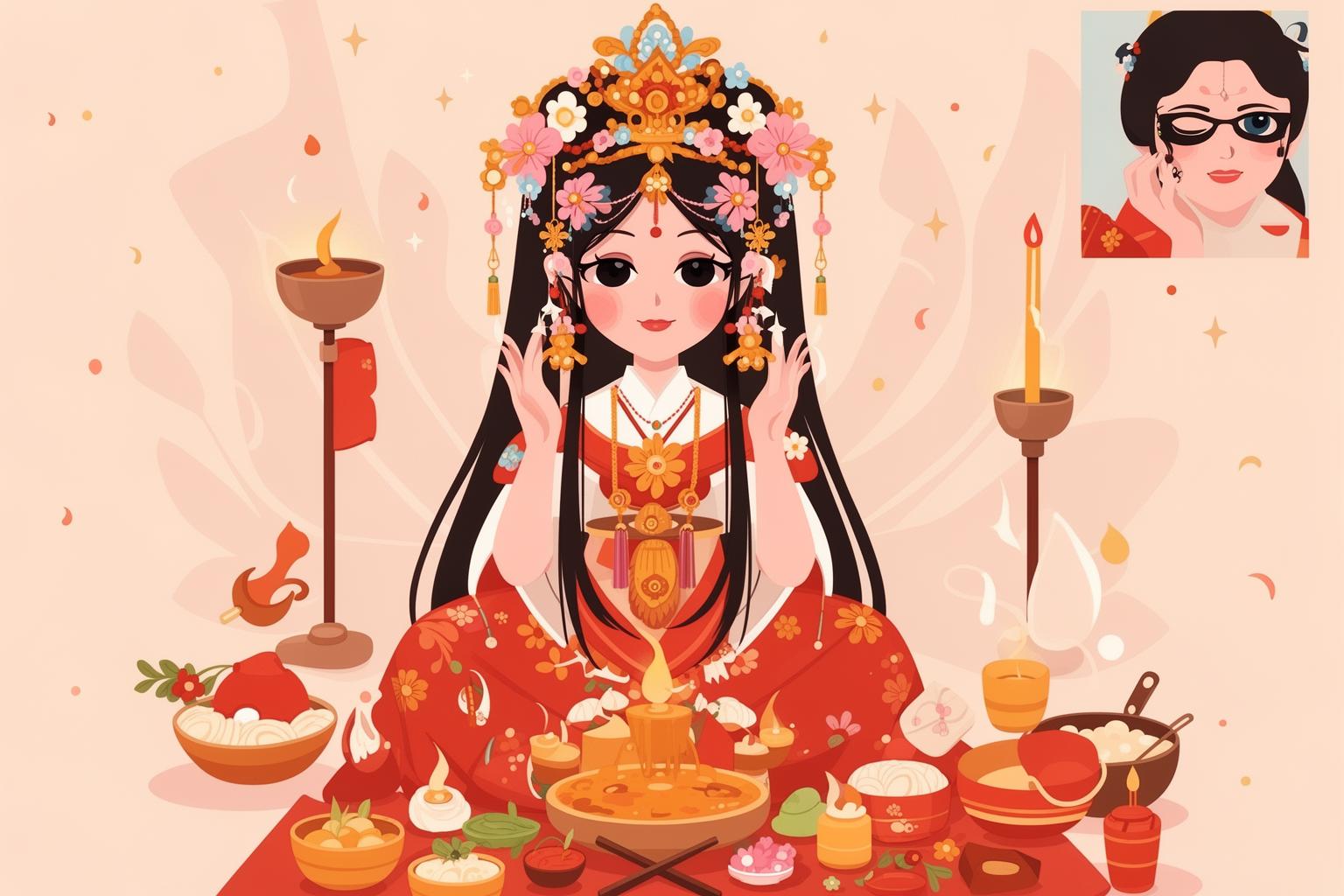
The Purikura experience doesn’t start the moment you step into the booth—it begins much earlier, on a dedicated floor of a game center or within a standalone Purikura shop. The atmosphere is filled with the lively sounds of upbeat J-pop, the excited chatter of friends, and the digital chimes of numerous machines vying for attention. This is far from a quiet, solitary pastime; it’s a loud, communal, and somewhat overwhelming spectacle. The first thing that strikes you is the sheer number of machines, lined up along the walls in bright, pulsating rows—each branded and named differently—Melulu, 97%, Around20, The Candy Magic—and each promising its own unique aesthetic makeover.
Choosing the Machine: The First Test of Group Harmony
This stage marks the first, and arguably one of the most important, parts of the ritual: the selection. To an outsider, the machines might look fairly similar, all vibrant colors and photos of impossibly cute models. But to those participating, the choice carries significant meaning. It is a negotiation, a rapid-fire exercise in consensus-building that reveals the group’s desired identity for that particular day.
One machine might be known for its fuwa fuwa (fluffy and soft) look, offering a dreamy, gentle aesthetic with pastel filters. Another might be favored for a kirei-kei (beautiful and elegant) style, providing subtle enhancements and a mature, model-like finish. A third might focus on the extreme dekame (big eyes) effect, a hallmark that has defined Purikura for decades. There are machines that slim the face, lengthen the legs, showcase special seasonal backgrounds, or feature collaborations with popular anime characters or Sanrio icons.
The discussion, though typically quick, is a microcosm of group dynamics. “Let’s do Melulu; the lighting is the best.” “No, I want to try the new one; it’s supposed to make you look more like a Korean idol.” “What about this one? It has the best makeup filters.” The decision reflects the mood of the group. Are they feeling cute? Chic? Silly? The choice of machine is the first stroke on the canvas of the memory they are about to create. It’s a silent agreement on the version of themselves they wish to project and preserve. Once decided, the group commits—coins are pooled, and one person, often chosen by unspoken consensus, inserts them into the slot. The curtain is drawn, and the outside world fades away.
Inside the Booth: The Timed Performance
Stepping into a Purikura booth is like entering a tiny film set. The space is small and intimate, usually just enough room for two or three people to stand comfortably, though groups of five or six will squeeze in determinedly. One wall is dominated by a large screen with a camera lens perched above it. The lighting is intensely bright and expertly calibrated to be as flattering as possible, erasing shadows and blemishes before the software even gets to work. This is not the harsh, flat flash of a traditional passport photo booth; it’s a miniature studio.
Then the countdown begins. A cheerful female voice guides you, her digital encouragement adding to the sense of urgency. San, ni, ichi… Kasha! Three, two, one… Snap! The pace is unforgiving. You usually get to take six to eight shots, with just seconds to prepare for each one. The screen often flashes suggested poses: “Put your hands on your cheeks!” “Make a peace sign!” “Look surprised!” For experienced Purikura fans, these are mere suggestions. They have a whole repertoire of practiced poses—the ‘toothache’ pose (hand on jaw), finger hearts, coordinated gestures, and inside jokes conveyed through body language.
This isn’t a deliberate act of portraiture. It’s a frantic, joyful, and slightly stressful performance. The ticking clock forces spontaneity. There’s no time for self-consciousness. You and your friends are a team, working together to nail each shot before time runs out. Laughter breaks out when someone messes up a pose or pulls a funny face. The cramped space forces physical closeness, creating a bubble of shared intimacy. For those ninety seconds, the only things that matter are the camera, the countdown, and the friends squeezed in beside you. It’s a shared challenge and a burst of manufactured energy that bonds the group through a slightly absurd, common goal.
The Sacred Second Act: The Decoration Station
Just when you believe the whirlwind is over, the most crucial part of the ritual begins. After the last photo is captured, a curtain on the opposite side of the booth often slides open, or you’re directed to exit and move to a separate area connected to the machine. This is the rakugaki (doodling or graffiti) station. Here, two touch screens and styluses await, displaying the photos you just took. Once again, a timer starts, typically giving you around three to five minutes to finish your work.
This is where the true magic of Purikura unfolds. The photos themselves serve merely as raw material. The decoration phase allows the group to personalize, beautify, and add meaning to the images, transforming them from simple pictures into a rich record of their friendship.
The Digital Canvas: More Important Than the Photo Itself
The variety of tools available is staggering. It’s an amplified version of Instagram stories or Snapchat filters but much more tactile and collaborative. With the stylus, you can draw freely on the photos. You can select from hundreds of pre-designed stamps—sparkles, hearts, stars, animal ears, cat whiskers, and phrases like “BFF” (zuttomo) or “I love you” (daisuki). There are digital pens with different colors and textures, ranging from glittery ink to neon glows.
Then come the enhancement tools. You can add digital makeup: apply lipstick, extend eyelashes, add blush, and even change your eye color. You can further refine facial features, making your eyes larger or your face slightly smaller, a final touch-up over the machine’s already pronounced alterations. It’s a process of collective beautification, though rarely taken too seriously. It’s play. It’s about creating a hyper-real, idealized vision of the group that captures not what you look like but how your friendship feels—bright, sparkling, and fun.
The Unspoken Rules of Rakugaki
Like any ritual, the rakugaki process is governed by a set of unwritten social rules. It’s a delicate dance of digital etiquette performed at high speed. Usually, two people take control of the styluses while the others stand behind, directing, suggesting, and laughing. It’s a team effort.
There’s an established order to things. First, the date is almost always written. This anchors the memory to a particular moment in time. Next come the names or nicknames of everyone in the group. This is non-negotiable; it turns the photo from an anonymous image into a record of a specific gathering. Omitting someone’s name would be a serious social misstep. Often, the group writes a title for their creation, commemorating the event: “Summer Festival 2023,” “Karaoke After School,” or “Harajuku Trip!”
Inside jokes are layered on with specific stamps. If a friend recently got a cat, cat-ear stamps might be added to their image. If the group shares a love for a particular food, a stamp of that food might appear. The choices aren’t random; they are coded messages reinforcing the group’s shared history and identity. The time pressure is crucial. It creates a sense of collaborative urgency. “Quick, add the sparkles here!” “You do the writing, I’ll do the stamps!” The frantic energy ensures there’s no time for overthinking or perfectionism. The result is often a chaotic, colorful, densely packed composition, a visual representation of the group’s dynamic energy.
When the timer finally runs out, the creative process is locked in. You select the layout for the print—some machines offer different sizes and combinations—and head to the slot where the physical copy will emerge. The final tangible item is a sheet of glossy photo stickers, a testament to your shared creative effort.
Why It Endures: The Social Glue of the Print Club
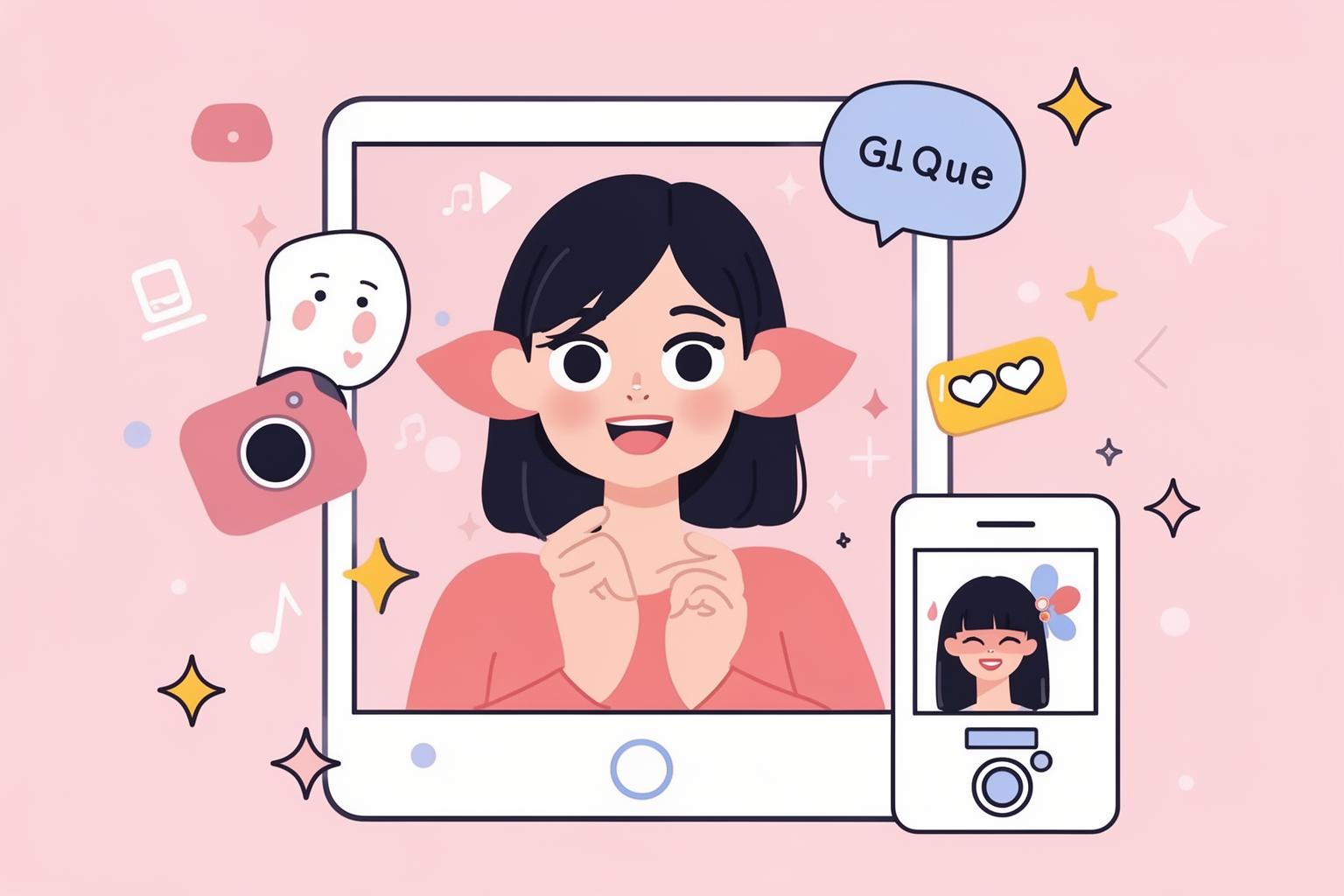
This brings us to the central question: in an age of endless digital filters and free selfie apps, why would anyone pay 400 or 500 yen (about $3-4) to do this? The answer is that Purikura was never truly about the photo itself. It was, and still is, about the experience. A smartphone can provide a filtered image, but it can’t offer the ritual.
A Technology of Togetherness
Purikura is essentially a social technology. Every step of the process is designed to be shared. You select the machine as a group. You squeeze into the booth together. You pose for the camera as a group. You decorate the photos collectively. The final part of the ritual is perhaps the most significant: dividing the spoils. As the sticker sheet slides out of the machine, the group gathers around it. A pair of plastic scissors is usually provided. The photos are carefully cut apart and handed out. This moment involves another negotiation. “You take this one, you look so cute in it.” “Can I have the one of us making the peace signs?”
The physical object is crucial. Unlike a digital photo that gets lost among thousands in a camera roll, a Purikura sticker is tangible. It’s a keepsake of a shared experience. These small photos are meant to be displayed. They are slipped into clear smartphone cases, pasted into notebooks and planners, or collected in special Purikura albums (puri-cho). Seeing a friend’s phone decorated with a Purikura sticker of your group is a public declaration of belonging. It says, “We are friends. We did this together.” In a world of fleeting digital interactions, Purikura provides a physical anchor for friendship.
The Idealized Self vs. The Authentic Group
One of the most common criticisms of Purikura from outsiders focuses on its extreme aesthetic alterations. The enlarged eyes, the slimmed jaws, the airbrushed skin—it can all seem like a peculiar form of digital self-deception. But this view misses the point. No one using Purikura genuinely believes they look like that. The aim isn’t to produce a realistic portrait; it’s to create a playful, stylized icon of the group.
The shared artifice is the entire intention. Everyone is elevated to the same level of kawaii (cuteness) or kirei (beauty). It’s a kind of escapism and play, like donning a shared costume. By entering the booth, the group consents to step into a fantasy world for a few minutes—a world where everyone is a slightly more sparkling, wide-eyed version of themselves. This shared aesthetic fosters a strong sense of unity. The final image isn’t a photo of three or four separate individuals; it’s a portrait of a single, cohesive entity: the friend group. It captures the emotional core of the outing—the fun, the energy, the togetherness—rather than the ordinary physical reality. It’s a fantasy created collectively, for each other.
The Evolution of an Obsession: From 90s Fad to Enduring Subculture
Purikura is not a recent phenomenon. It burst into Japanese culture in the mid-1990s and has continued to evolve ever since, adapting to new technologies and shifting social trends with impressive resilience.
The Birth of the Booth
The first Purikura machines were created by game companies like Atlus and Sega and appeared in arcades around 1995. They quickly became a sensation, especially among high school girls, famously known as kogyaru at the time. These initial machines were much simpler than modern ones, but the core idea—a photo booth that printed out sticker photos—was groundbreaking. It perfectly captured the youth culture of the period, which valued group identity, cuteness, and the collection and exchange of small, personalized items. Having a Purikura album filled with pictures of your friends became a symbol of status, a tangible record of your social life.
The 1990s and early 2000s marked the golden era of Purikura. Technology developed rapidly, with companies competing to add more features, improved cameras, and more advanced editing tools. It became an essential part of the social fabric for young Japanese women, as common as meeting for coffee or karaoke.
Surviving the Smartphone Apocalypse
With the arrival of smartphones and selfie apps like Snow and Instagram, many predicted Purikura would disappear. Why pay for a booth when similar effects were available for free on a phone? But Purikura did not vanish. It adapted. The industry survived by recognizing that its core value wasn’t just the photo, but the ritual and experience.
You can’t replicate the trip to the game center, the group decision-making, the chaotic fun of cramming into a tiny booth, and the collaborative photo editing on a smartphone. These apps are mostly solitary or asynchronous experiences. Purikura is synchronous and spatial, requiring everyone to be in the same place at the same time, engaged in a shared activity. It creates a special, dedicated moment for friendship.
To stay competitive, the machines evolved. Manufacturers invested in studio-quality lighting and high-resolution cameras that still surpass phone capabilities. They developed more advanced software to achieve the perfect idealized look. In a smart move, they embraced smartphones instead of resisting them. Most modern machines now offer a service where, for a small additional fee or by scanning a QR code, users can download digital versions of their decorated photos to their phones. This lets the images have a second life on social media, while the physical sticker remains the primary, original keepsake.
Who Still Does Purikura? The Modern Demographics

While Purikura is no longer the widespread cultural phenomenon it once was at its peak, it continues to thrive as a vibrant and relevant subculture with a surprisingly varied audience.
The Core Audience: Teenagers and Young Adults
Unsurprisingly, the main demographic remains teenage girls and young women in their early twenties. For middle and high school students, visiting a Purikura parlor is a classic after-school or weekend pastime. It’s an affordable way to hang out, create a keepsake, and reinforce social bonds during a stage of life when friendships are especially important. For university students and young professionals, it serves as a fun, lighthearted part of a day out with friends, often taking place before or after activities like shopping or going to the movies.
The Nostalgia Factor: Millennials and Beyond
Japanese millennials who grew up during Purikura’s golden age often find the machines deeply nostalgic. It’s common to see groups of women in their late twenties or thirties, sometimes accompanied by old high school friends, slipping into a booth for old times’ sake. For them, it’s a way to reconnect with their youth, laughing at the familiar poses and exaggerated decorations. It’s a playful retreat to a simpler era, a means to revisit the camaraderie they once shared as teenagers.
Couples and Tourists
Purikura has also become a favored activity for couples on dates. The intimate space of the booth and the collaborative nature of the decoration create a charming and bonding experience. The resulting sticker serves as a sweet keepsake of their relationship. Additionally, tourists have embraced Purikura as a quirky and memorable “only in Japan” experience. Although they might not grasp all the cultural nuances and unspoken rules, the sheer enjoyment of the process is universal. They leave with a unique, highly personalized, and often amusing souvenir far more interesting than a typical postcard.
Ultimately, Purikura has lasted and flourished because it fulfills a basic human need—the desire to commemorate and strengthen our connections with others. It’s a fascinating paradox: a technology of artifice that produces something deeply genuine. The photos may be filtered, enhanced, and decorated beyond recognition, but the bond they symbolize is real. They serve as a testament to a shared moment, a collaborative expression of friendship, captured on a small, glossy sticker. And when you watch a group of friends emerge from a booth, laughing as they gather around the freshly printed sheet, you realize you haven’t just witnessed a photo being taken—you’ve witnessed a ritual being completed.