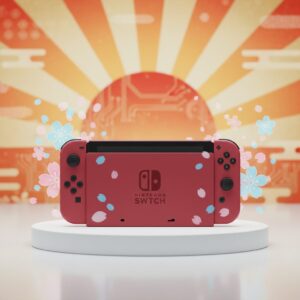
You’ve probably heard of them, or at least seen them in movies. Those little bars tucked away in the back alleys of Shinjuku or down a dimly lit staircase in a provincial city. They’re called sunakku, or snack bars, and they are relics of the Showa Era (1926-1989), Japan’s postwar economic boom years. Inside, you expect to find a haze of cigarette smoke, worn velvet stools, a karaoke machine crooning a sentimental ballad, and a formidable “Mama-san” polishing glasses behind a dark wooden counter. It’s a space seemingly frozen in time. But in certain corners of Tokyo and other big cities, a subtle change has occurred. The mournful enka music has been replaced by the cheerful, chirping 8-bit soundtrack of Super Mario Bros. The dusty bottles of Suntory whisky now share shelf space with rows of plastic game cartridges. This is where Japan’s first generation of video gamers, the kids who grew up glued to their Famicom consoles, now come to unwind. These aren’t the slick, modern “barcades” you might find in the West. They are something else entirely: a fusion of two distinct forms of Japanese nostalgia, creating a unique sanctuary for the adults who were once Nintendo kids.
This blending of Showa nostalgia with modern gaming culture not only defines these intimate bars but also mirrors the cultural transformation found in Shonan’s sunlit reinvention, where tradition and modernity converge.
The Anatomy of a Japanese Snack Bar
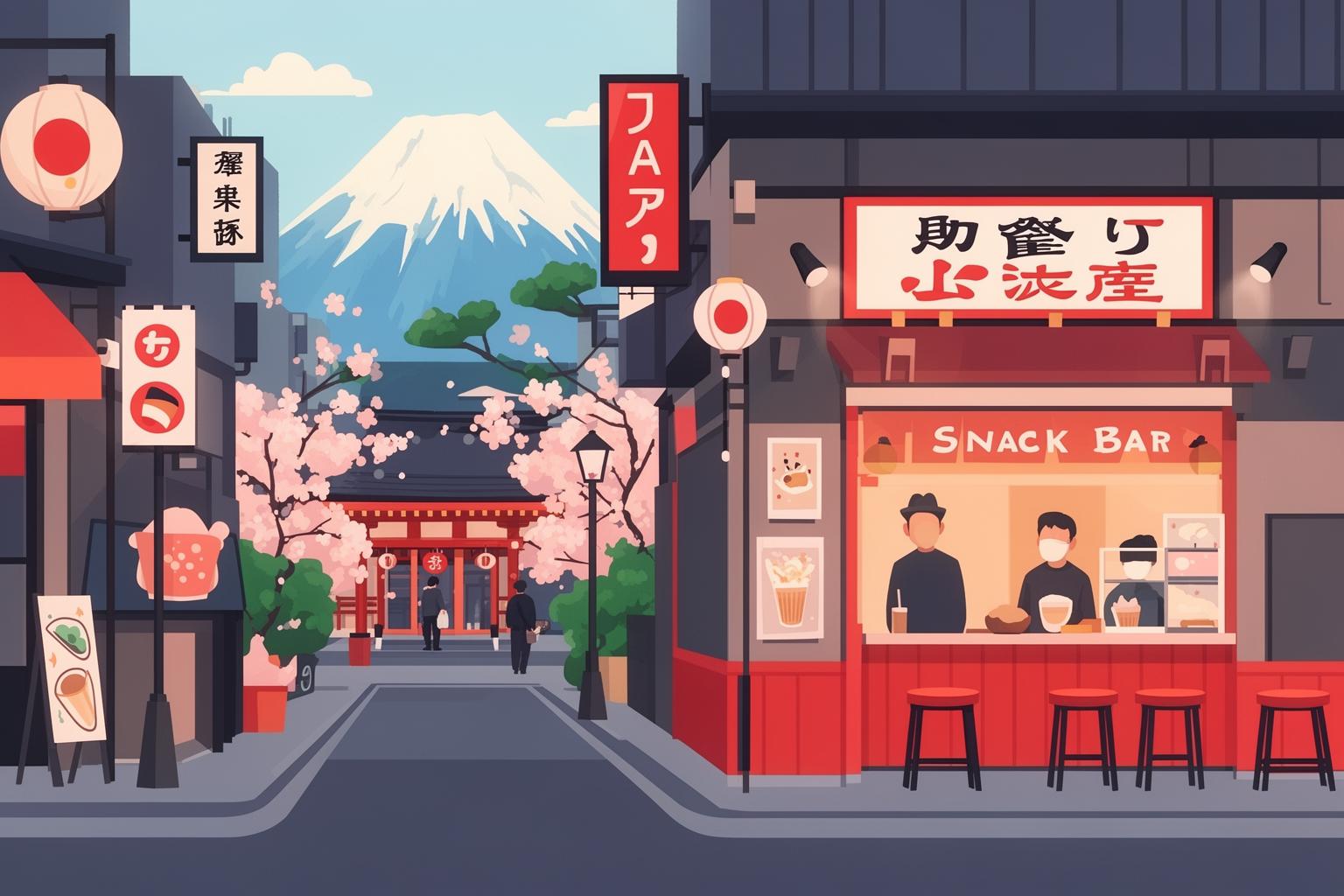
First, let’s dispel a common misconception. A Japanese snack bar, or sunakku, has little to do with snacks. You might receive a small bowl of rice crackers or peanuts with your drink, but food isn’t the main attraction. The sunakku serves as a neighborhood institution—a social space acting as a “third place” between the structured office environment and the privacy of home. These bars are almost always small, intimate venues designed to cultivate a sense of community among a core group of regular patrons.
The central figure in this setting is the “Mama-san” or, less frequently, the male “Master.” This person is much more than a bartender; they are the host, confidant, and social facilitator of the evening. They remember your favorite drink, inquire about your work, and skillfully guide conversations to include newcomers. The pricing system often reflects this social relationship. Many sunakku use a “bottle keep” system, where you purchase an entire bottle of spirits (whisky, shochu), and the bar stores it with your name on it for future visits. You’re not simply paying for a drink—you’re paying for a place at the table and a sense of belonging.
The aesthetic is pure Showa era: dark wood paneling, soft lighting from ornate lamps, vinyl or velvet-upholstered seats, and inevitably, a karaoke setup. Traditionally, these bars were the domain of middle-aged and older salarymen, a place to unwind with colleagues and clients over highballs while singing poignant ballads about love, loss, and distant hometowns. It’s a world that feels deeply analog, grounded in face-to-face interaction and shared rituals. This very analog quality makes its fusion with the digital world of early video games all the more captivating.
When 8-Bit Met Highballs
The Famicom, Nintendo’s Family Computer, arrived in Japanese homes in 1983. This was during the late Showa period, a time marked by great prosperity and cultural confidence. The generation of children who received a Famicom as a birthday gift were the first to grow up with a television that was more than just a passive screen—it became an interactive portal. Their childhoods were shaped by the theme music of The Legend of Zelda, the challenge of mastering Gradius, and the playground debates about secret warp zones in Super Mario Bros. These games were not simply a niche pastime; they formed the cultural foundation of an entire generation.
Today, those children are in their 40s and 50s. They make up the new generation of salarymen, designers, and creatives. Though some social habits from their parents’ era persist, their cultural references have evolved. The sentimental enka songs of the past don’t resonate as strongly as the digital symphonies crafted by Koji Kondo. For them, nostalgia isn’t merely tied to the physical aesthetic of the Showa era; it’s intertwined with the emotional landscape of their 8-bit childhoods.
The retro game bar represents the natural convergence of these two streams of nostalgia. The owners of these venues, often from the Famicom generation themselves, recognized that the cozy, communal atmosphere of the sunakku was ideal for this new form of reminiscing. They preserved the intimate counter, the comfortable seating, and the attentive Master, but replaced the karaoke machine with a collection of vintage consoles connected to classic CRT televisions. The result is a space that feels simultaneously old and new—a place where the physical comfort of a Showa-era bar meets the digital comfort food of an 1980s childhood.
Inside the Cartridge-Lined Walls
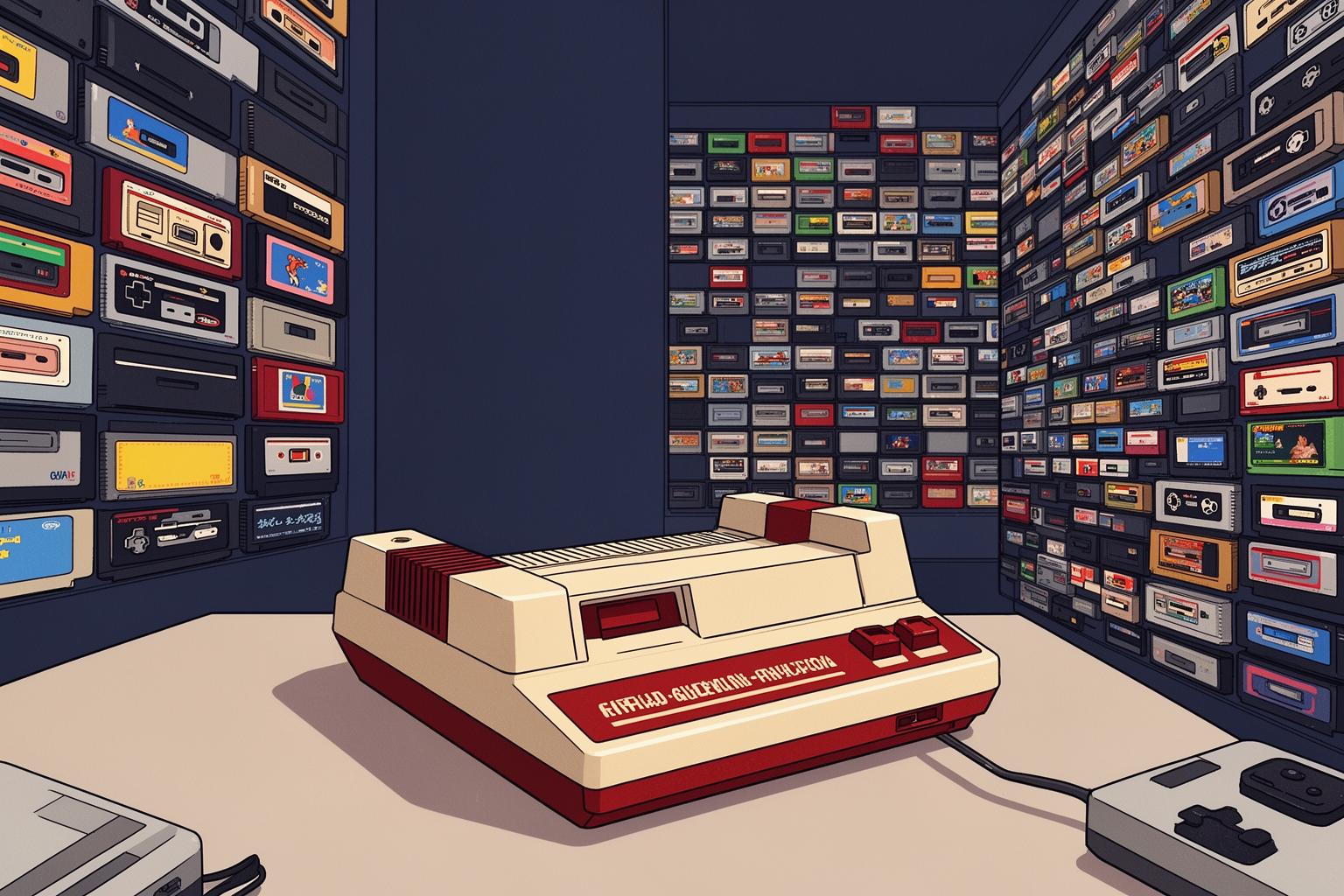
Entering one of these bars feels like stepping into a clubhouse for those who share a secret language. The walls are often lined not with encyclopedias or dusty novels, but with shelves filled with hundreds of Famicom, Super Famicom, and Mega Drive cartridges, their colorful labels creating a mosaic of memories. Behind the bar, a small, boxy CRT television might be showing the title screen of Dr. Mario. The low hum of the old TV is as transportive as the game music itself.
The clientele differs from what you’d find at a modern gaming cafe. Few young people obsessed with the latest e-sports trends are present. Instead, you might see a man in his late 40s, tie loosened after a long day at work, carefully navigating a level in Castlevania. Nearby, a group of women in their 40s laugh as they rediscover a co-op game from their youth, their thumb muscle memory surprisingly intact. These patrons are not focused on setting high scores or proving skill. They come to reconnect with a part of themselves.
The Master of the bar curates this experience. They not only craft the perfect gin and tonic but can also recommend a two-player game that’s easy to pick up after a few drinks. Their menu might include custom cocktails with names like the “Hadoken,” a fiery tequila-based concoction, or the “Princess Peach Bellini.” They serve as the gatekeepers of the vibe, ensuring the atmosphere stays relaxed and welcoming, rather than competitive or exclusive. This is a bar first, and a game center second. Drinking and conversation remain the main activities; the games simply provide a better catalyst for connection than a karaoke machine ever did for this generation.
A Different Kind of Player Two
The social dynamic in these bars is what truly distinguishes them. Modern online gaming can feel isolating and anonymous. Even Western-style barcades often carry an undercurrent of competition, with individuals focused on their own performance. Here, however, the opposite holds true. The games serve as a shared language, a social lubricant.
Someone might start up Downtown Nekketsu Story, a classic beat-’em-up, and a stranger sitting beside them will immediately begin sharing memories of playing it after school. The simple act of blowing into a dusty cartridge to make it work is a communal, almost ritualistic gesture that everyone recognizes. Passing a controller to the person next to you is a sign of camaraderie. The experience is fundamentally communal. The aim is not to win, but to participate, to remember, and to share that sense of discovery and joy with others who understand it.
These spaces offer a rare chance for a distinctive kind of adult interaction. In a society that often keeps a formal distance between strangers, the shared language of the Famicom acts as an immediate icebreaker. You already have a vast library of common experiences to draw upon. You don’t need to discuss the weather or work; you can talk about the frustration of the water level in Teenage Mutant Ninja Turtles or the brilliance of the music in Mega Man 2. It is a powerful social tool, forging instant connections between people who might otherwise never engage.
Why Here? Why Now?

The rise of these retro gaming sunakku reflects a deeper cultural trend in Japan. It represents a quiet rejection of the hyper-modern, sleek, and efficient. In a world dominated by photorealistic graphics and expansive open-world games, there is a profound comfort in the simplicity and constraints of 8-bit and 16-bit visuals. The chunky pixels and straightforward gameplay invite the imagination, just as they did decades ago. It’s a celebration of a craft born from technical limitations.
Moreover, these bars serve as a refuge for the tangible. The satisfying clunk of inserting a cartridge, the feel of a plastic D-pad beneath your thumb, the distinctive click of the buttons—these tactile sensations have been lost in an era of digital downloads and touchscreens. It’s an analog experience that anchors you in the present moment, even while revisiting the past.
The Showa-era sunakku offers the perfect physical setting for this nostalgia. Its inherent coziness, emphasis on regulars, and slightly worn, unpretentious ambiance create a feeling of safety and authenticity. It feels genuine in a way that brightly lit, corporate-designed modern entertainment complexes do not. It’s a space that invites comfort, nostalgia, and simply being.
These bars are not mere gimmicks. They are evolving cultural spaces, born from a uniquely Japanese blend of social history and pop culture. They stand as living proof that the cultural artifacts of your youth need not remain locked in the past. They can be revived in the present, forming the foundation for new communities and rituals. For the generation that first discovered adventure through a pixelated hero on a screen, these bars offer a place to continue the quest—this time with a highball in hand.