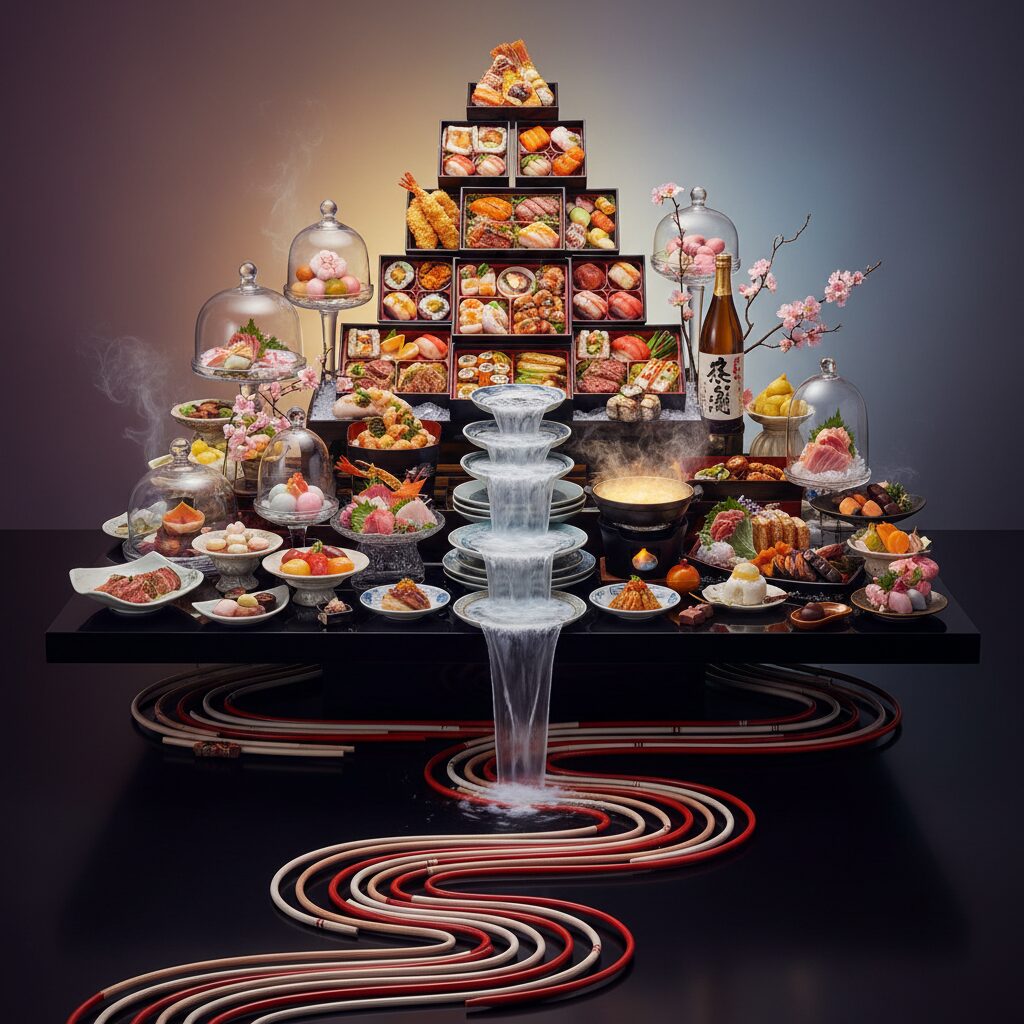
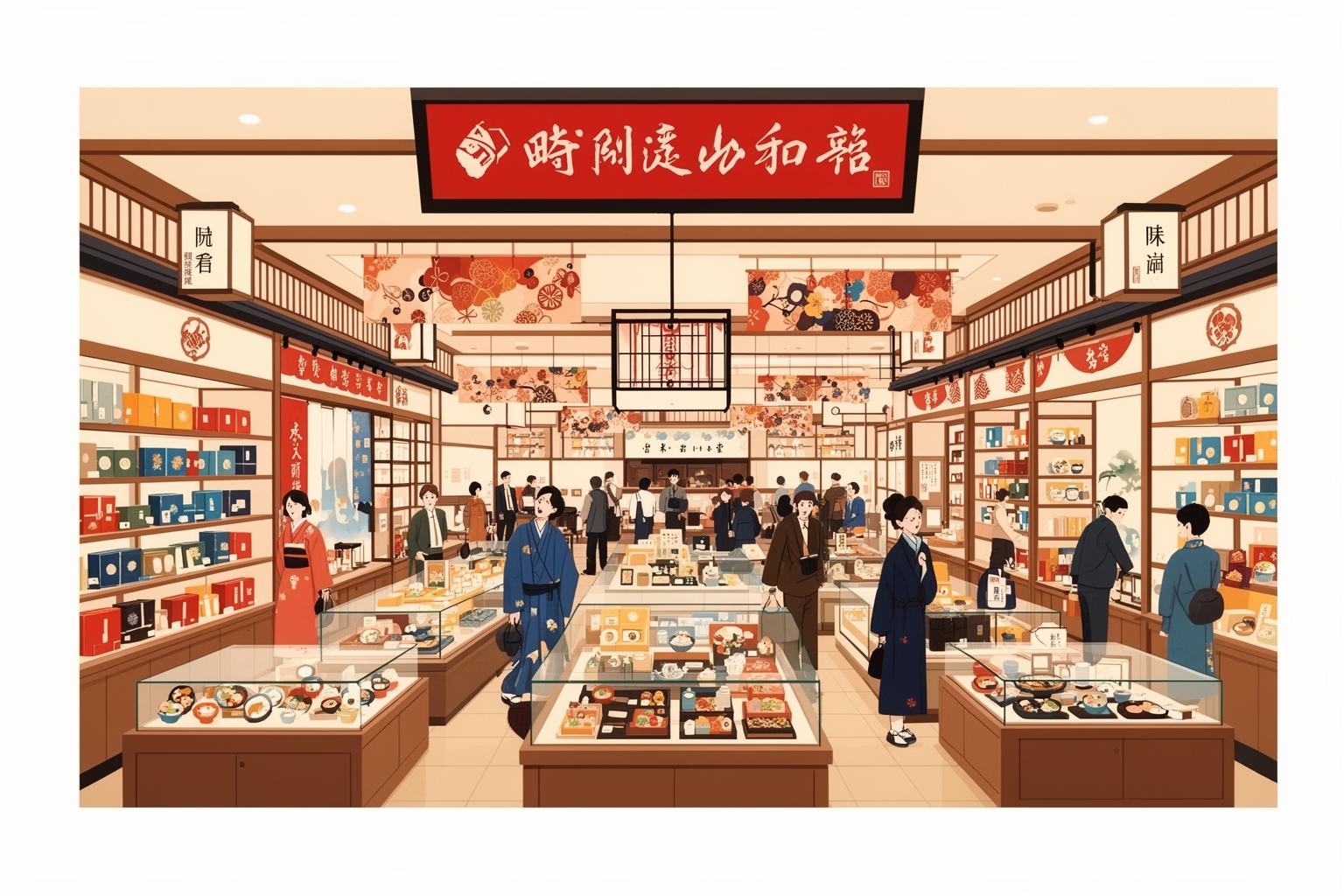
Forget everything you think you know about basements. In most parts of the world, they’re for storage, laundry, or maybe a forgotten treadmill. In Japan, they are dazzling, multi-sensory theaters of food. Welcome to the depachika, a portmanteau of depāto (department store) and chika (basement). This is no sad, fluorescent-lit food court with sticky tables and fast-food chains. A depachika is a sprawling, meticulously curated subterranean wonderland dedicated to the art of eating. It’s where grandmothers in kimonos buy perfectly ripe melons that cost more than a good pair of shoes, where office workers grab architecturally sound bento boxes for lunch, and where you can find some of the most exquisite pastries this side of Paris.
The moment the escalator delivers you to this level, your senses are engaged. You’ll hear the polite, melodic calls of vendors announcing their fresh wares, smell the subtle sweetness of red bean paste mingling with the savory aroma of grilling eel, and see a kaleidoscope of perfectly arranged foods that look more like jewelry than groceries. It’s a microcosm of Japan’s entire food culture, compressed into one vibrant, chaotic, and utterly delicious floor. For a first-timer, it can be overwhelming. But with a little knowledge, it becomes a culinary playground. This isn’t just a place to buy food; it’s a place to understand how Japan thinks about food—with reverence, precision, and an unwavering devotion to quality. Let’s go downstairs.
As you continue to unravel the culinary magic of depachika, consider exploring our guide to underground gourmet paradise for a deeper dive into Japan’s hidden gastronomic gems.
The Logic of the Labyrinth: Decoding the Depachika Layout
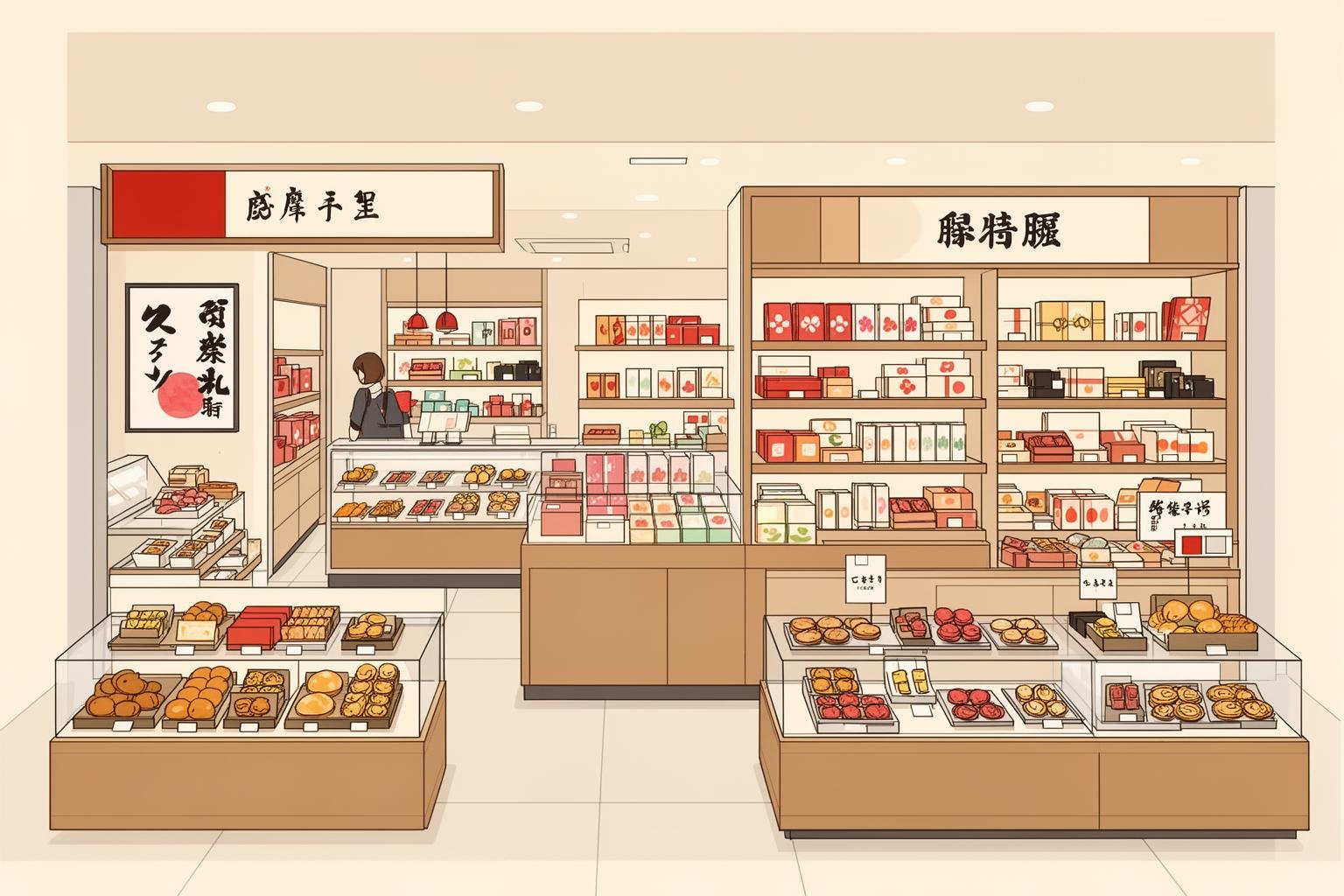
At first glance, a depachika can seem like complete chaos, a maze of competing sights and scents. However, there is a clear, unspoken logic behind its arrangement, designed to guide the flow of shoppers and their intentions. Grasping this layout is the key to navigating it like a local.
Usually, the areas closest to the main escalator entrances are prime spots, reserved for the highlights: the gift-focused confectioners. Here you’ll encounter Yogashi (Western-style sweets) and Wagashi (traditional Japanese sweets). Renowned French patisseries might share space with a centuries-old Kyoto mochi maker. The displays are breathtaking—cakes resembling art installations, cookies in beautifully crafted tins, and seasonal sweets so delicate they appear to defy gravity. This placement is intentional; these are high-traffic, high-demand items, ideal for someone rushing in to purchase a thank-you gift or a special treat.
Moving further inside, you’ll reach the core of the depachika: the sozai, or delicatessen area. This is the place to build a world-class meal from dozens of different vendors. You’ll find everything from Japanese staples like perfectly fried tonkatsu, glistening skewers of yakitori, and vibrant salads with seaweed and tofu, to premium Chinese dumplings, authentic Korean kimchi, and Italian-style antipasti. Food here is typically sold by weight, often per 100 grams, or by the piece. This section forms the heart of daily life, serving busy families and professionals who want a high-quality meal without the hassle of cooking from scratch.
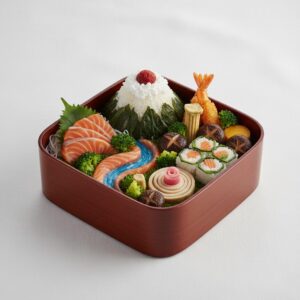
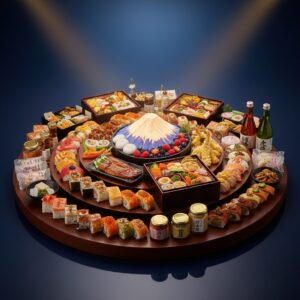
Next to the sozai, a vast bento section is almost always present. These aren’t ordinary packed lunches; depachika bento are culinary masterpieces in a box, frequently crafted by famous local restaurants or specialty chefs. They highlight seasonal ingredients and regional cuisines, all arranged with a geometric precision unique to Japan. Deeper inside, you’ll generally find essential ingredients: specialty produce, premium meats and seafood, and an extensive selection of sake, shochu, and wine, often accompanied by a tasting bar. In corners and along the edges are specialty vendors selling only tsukemono (pickles), rare teas, single-origin seaweed, or artisanal tofu. Somewhere within, there’s usually an event space, a rotating stage hosting regional food fairs that bring tastes from Hokkaido, Fukuoka, or Okinawa to the city for a limited time.
The Rituals of Engagement: How to Behave
Navigating the depachika involves more than just knowing where to go; it’s also about understanding how to behave. There are unspoken rules and rituals that help keep the experience enjoyable for everyone in the busy space.
The Art of the Sample
Many vendors provide shishoku, or free samples, especially for items like pickles, sweets, or sausages. This is a great opportunity to try before you buy, but it comes with its own etiquette. Don’t simply grab a piece and walk away. Wait for the vendor to offer it, or make eye contact and give a slight nod to show your interest. Use the provided toothpick or small paper to pick it up. It’s polite to remain at the counter while sampling rather than wandering off with it. After tasting, a simple nod and a soft “oishii” (delicious) are appreciated, whether or not you plan to make a purchase. It’s a small moment of connection—a brief exchange of goodwill.
The Ceremony of the Purchase
Buying something is a simple yet graceful process. Once you’ve decided, just point and state the quantity. Saying “Kore wo hitotsu, onegai shimasu” (“One of this, please”) is sufficient. If it’s sold by weight, you can specify the amount, such as “hyaku-guramu” (100 grams). The staff will then carefully package your item. Even a single croquette will be placed in a small paper bag, which is then put into a branded plastic bag and sealed with tape. The wrapping is part of the experience and reflects the pride taken in the product. Payment is handled with similar care; your money or card is placed on a small tray, and your change and receipt are returned on the same tray, often accompanied by a polite bow.
The Gift-Giving Mindset
The depachika is the ultimate destination for gift shopping in Japan. The culture of gift-giving, or omiyage, is deeply rooted, and presentation matters greatly. Here, the packaging is just as important as the contents. A simple box of cookies is transformed into an exquisite gift through intricate wrapping paper, elegant ribbons, and a branded bag. This is why the confectionery sections are so prominent. When giving a gift from a prestigious department store like Mitsukoshi or Isetan, you’re not merely giving food—you’re offering a symbol of quality, care, and respect. Watch the shoppers around you, and you’ll notice the considerable thought that goes into choosing the perfect seasonal gift for a colleague, host, or family member.
A Strategic Approach to the Feast
Now that you understand the layout and etiquette, you can approach the depachika with a plan. Diving in blindly can result in sensory overload and impulsive, scattered purchases.
The Reconnaissance Lap
Begin with a full lap without purchasing anything. I cannot emphasize this enough. Walk through every aisle. Observe what’s available. Let the sights and aromas wash over you. Notice which counters have lines—a long, orderly queue usually indicates something exceptional. Look for items labeled as seasonal or limited editions. This initial walkthrough helps you get your bearings, develop a strategy, and avoid the disappointment of discovering your dream dessert after you’ve already filled your bag with the first tempting item.
Assembling Your Meal
After surveying the scene, start your selection. If you’re putting together a meal to go, begin with the sozai section. Here, you can create a varied and balanced plate. Maybe you’ll choose a piece of grilled mackerel with salt, a small serving of lotus root and hijiki seaweed salad, and a few beautifully made gyoza. The advantage of the by-weight system is that you can sample a bit of everything. Then, think about your carbohydrate. Will it be a simple onigiri rice ball from a specialty stand or a complete bento box? A depachika bento is an excellent option for a solo diner—it offers a full, nutritionally balanced, and visually appealing meal in one convenient package. It’s the perfect indulgence for a picnic in a nearby park or a long Shinkansen journey.
The Sweet Conclusion
Save the sweets for last. Whether your preference is traditional wagashi—like a delicate nerikiri shaped like an autumn maple leaf—or a rich slice of chocolate cake from a renowned pâtissier, this is the grand finale. These counters are often the busiest and most visually stunning. Don’t hesitate to ask for a recommendation (osusume wa nan desu ka?). The staff are experts and will gladly direct you to their most popular or seasonal items.
The Magic Hour: The Evening Discount Rush
There is a secret, unwritten chapter in the daily life of the depachika that begins about an hour before the department store closes. This is when the magic of the nebiki, or price reductions, takes place. To prevent wasting the fresh food prepared that day, vendors start discounting their remaining stock of bento, sushi, and sozai. The discounts begin modestly, perhaps 10% or 20% off, but as closing time nears, they can reach as much as 50% off.
This isn’t a chaotic fire sale, but rather an orderly, though fast-paced, ritual. You’ll see staff members come out with discount stickers, and a crowd of savvy shoppers—office workers, students, and homemakers—will start to gather. They hover politely, waiting for the attendant to place the yellow or red sticker on the item they’ve been eyeing. The atmosphere is filled with a quiet excitement. The calls of the vendors get a bit louder, announcing the “taimu sābisu” (time service). This is your opportunity to snag an ¥1800 bento from a high-end restaurant for ¥900. It’s a thrilling, very local experience that offers a delicious and incredibly economical dinner. If you want to see Japanese society in miniature—polite, efficient, and passionate about good food and a good deal—be in a depachika at 7:30 p.m.
A Reflection of Culture
A depachika is far more than just a basement filled with food. It serves as a living museum of Japanese culinary values, showcasing the deep significance of seasonality, with offerings that change in tune with nature’s finest throughout the year. In spring, you’ll encounter bamboo shoots and strawberry-themed sweets; in autumn, chestnuts, persimmons, and mushrooms take center stage.
It is a stage for omotenashi, the distinctive Japanese spirit of hospitality that anticipates every guest’s needs. The service is flawless, the packaging carefully considered, and the whole experience crafted to be smooth and enjoyable. Above all, it stands as a tribute to an aesthetic sensibility that finds beauty in the arrangement and presentation of food. Each bento resembles a landscape, every cake a work of sculpture. In the depachika, food transcends mere sustenance; it is art, culture, and a source of profound daily delight.