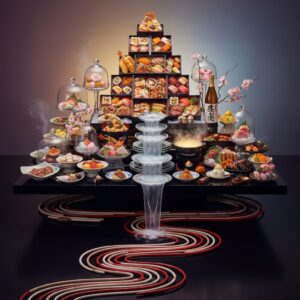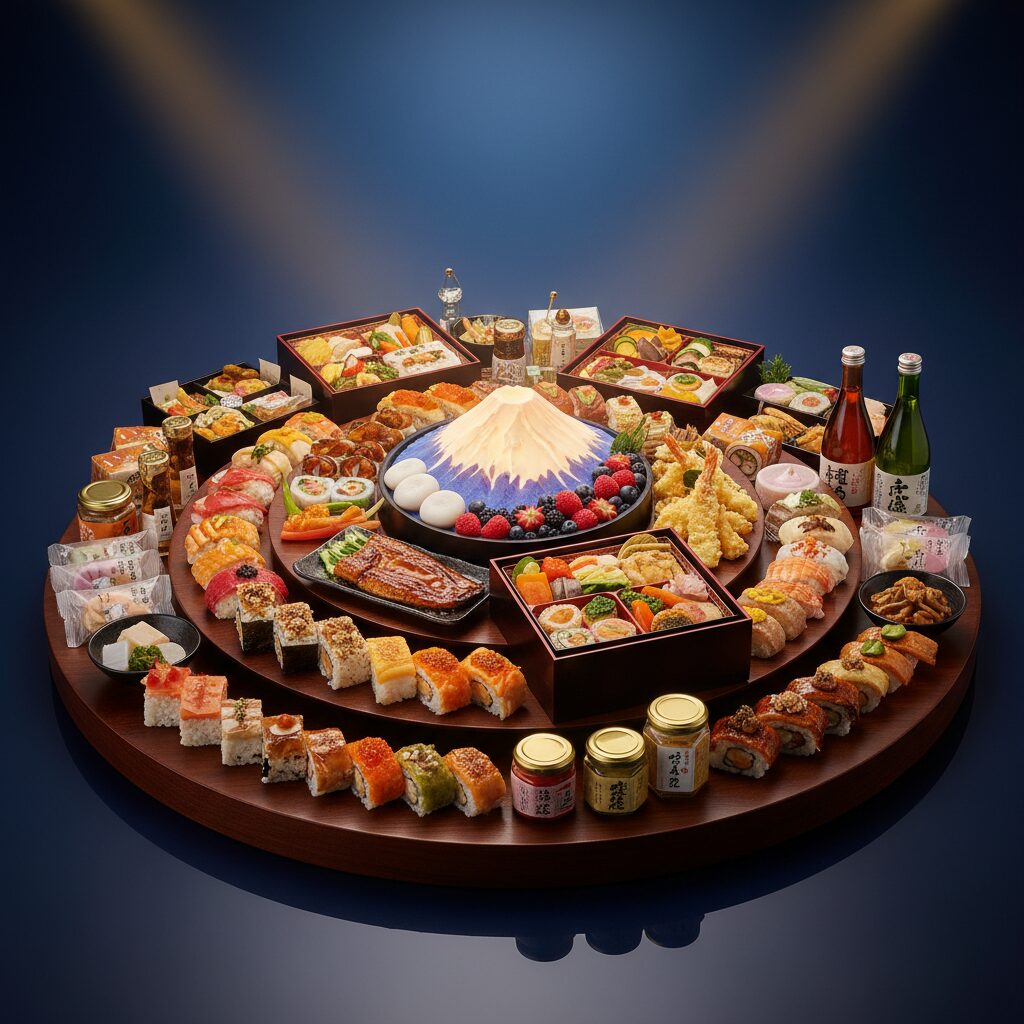
Walk into any major Japanese department store—one of those monolithic buildings that anchor a city’s main train station, like a polished, commercial Everest. Ride the silent, glove-attended escalator up through floors of rustling silks, hushed cosmetics counters, and impeccably arranged homewares. The atmosphere is one of serene, almost temple-like calm. Then, take that same escalator down. All the way down. As you descend into the basement, the air changes. The quiet reverence dissolves, replaced by a hum of energy. The lighting gets brighter, the sounds become more complex—a chorus of cheerful, high-pitched greetings, the sizzle of something frying, the crinkle of paper. The scent hits you next: a layered, intoxicating blend of sweet soy, freshly baked bread, savory dashi, and the delicate perfume of expensive fruit. You’ve arrived in the depachika, and you have just stepped into one of the most dazzling, overwhelming, and culturally rich spaces in all of Japan.
The word itself is a classic Japanese portmanteau, merging depāto (department store) with chika (basement). But calling it a “food hall” is like calling a library a room with books. It’s technically true but misses the entire point. A depachika is not a food court filled with chain restaurants for weary shoppers. It is a sprawling, labyrinthine wonderland of gourmet food; a meticulously curated museum where the exhibits are edible. It’s a theater where the country’s relationship with food—as art, as a gift, as a daily ritual, and as a seasonal obsession—is performed daily with breathtaking precision. To understand the depachika is to understand a core part of the Japanese consumer psyche: a reverence for craft, an obsession with presentation, and a profound appreciation for the fleeting beauty of the seasons.
Immersing yourself in this world of culinary artistry, you may find that the humble gesture of itadakimasu perfectly encapsulates Japan’s deep-seated respect for the ritual of dining.
The Architecture of Appetite: Deconstructing the Layout
At first glance, the depachika appears to be pure chaos—a sensory overload. But spend a little time there, and you’ll realize it’s not a maze at all; it’s a carefully orchestrated journey designed to guide your desires. The layout tells a deliberate story, a silent map of Japanese social and culinary values.
Typically located near the main entrances with the highest foot traffic are the confectioners. This prime real estate is dedicated to the art of gifting. Here, you’ll find yōgashi (Western-style sweets) and wagashi (traditional Japanese confections). Glass cases shine, displaying perfect rows of jewel-like fruit tarts, impossibly fluffy roll cakes, and exquisitely shaped seasonal mochi. These counters aren’t mainly for personal indulgence—they belong to the domain of gifts.
Further inside lies the heart of the depachika: the world of sōzai, or prepared dishes. This answers the perennial question, “What’s for dinner?” An endless variety of beautifully presented foods, sold by weight or in pre-packaged sets, awaits you. Here are glistening yakitori skewers, golden-brown tonkatsu cutlets, vibrant salads with hijiki seaweed and lotus root, delicate tamagoyaki squares, and simmered vegetables shimmering in dashi. This area drives daily life, serving office workers on their way home, busy parents, and anyone craving the quality of a home-cooked meal without the time or effort.
At the very back—often feeling like an entirely separate market—you’ll find raw ingredients. This is where butchers display marbled wagyu beef, fishmongers present gleaming slabs of sashimi-grade tuna, and greengrocers offer single, perfect melons at prices that could bring tears. This section caters to the dedicated home cook, those who come not for convenience, but for inspiration.
Scattered throughout are specialists: tsukemono (pickle) vendors with barrels of vibrant, crunchy vegetables; tea merchants offering dozens of sencha and gyokuro varieties; sake sellers whose staff can lecture on the rice polishing ratio of specific daiginjo. The entire floor serves as a masterclass in culinary organization, guiding visitors from the social obligation of gift-giving to the personal necessity of the evening meal.
The Ritual of the Sample: A Taste of Politeness
As you wander, you’ll inevitably be offered a sample, or shishoku. A smiling attendant will present a small tray, often with toothpicks, offering a tiny morsel—a piece of marinated fish, a cube of cake, or a sliver of pickled radish. For a foreigner, the instinct might be to grab it and walk away, or to feel pressured to buy. But the ritual of shishoku is a more delicate dance.
Proper etiquette is to pause, accept the offering with a slight bow or nod, and eat it right there in front of the vendor. It’s a moment of direct engagement. You are not just tasting a product; you are acknowledging the vendor’s craft. There’s no hard sell. After tasting it, a courteous bow of thanks is customary, and then you are free to move on. Of course, vendors hope to impress you enough to make a purchase, but the interaction itself is grounded in mutual respect. It’s a quiet, refined form of marketing that feels more like an invitation than a transaction. This transforms browsing into an interactive experience, made up of small, polite encounters that punctuate your journey through the aisles.
The Gift as Gospel: Packaging and Presentation
The cultural significance of the depachika is most evident in its role as the ultimate destination for gift-giving. In Japan, gift-giving operates as a complex social language—a continuous exchange of obligation and gratitude that strengthens relationships. The depachika supplies the vocabulary for this language.
When visiting someone’s home, you bring a temiyage—a small gift for the host. After a trip, you bring back omiyage for colleagues and family. These gestures are not optional; they serve as essential social lubricants. While the gift itself matters, its presentation is arguably even more crucial. This is where hōsō, or wrapping, is elevated to an art form.
If you buy a simple box of cookies for a friend, you witness a performance. The clerk takes the box and, with a series of impossibly swift and precise movements, wraps it in the store’s signature paper. The folds are flawless, the corners sharp enough to cut glass. Tape is applied underneath, hidden from view, and the store’s sticker is placed perfectly in the center. The wrapped box is then set in a branded paper bag, with the handles held out delicately for you to take. The whole process takes about thirty seconds, carried out with the focused grace of a tea ceremony master.
This is not just about aesthetics; it’s a form of communication. The immaculate wrapping conveys sincerity, respect, and meticulous attention. It tells the recipient, “I took care in choosing this for you, and the store took care to present it properly.” An unwrapped or poorly wrapped gift would be a social misstep, implying thoughtlessness. The depachika is a temple to this philosophy, where every item, no matter how modest, is treated as a potential treasure to offer another.
The Cult of the Seasonal and the Limited
This gift-giving culture is enhanced by another central Japanese aesthetic: the celebration of the seasons. The depachika’s offerings follow a constantly changing calendar of flavors. In spring, the floor blooms with pink hues, featuring sakura-flavored mochi and strawberry-topped cakes. Summer brings refreshing jellies infused with citrus and green tea. Autumn spotlights chestnuts (kuri) and sweet potatoes (satsumaimo), incorporated into everything from tarts to savory rice dishes. Winter is reserved for rich chocolates and festive pastries.
Seasonality is taken even further through gentei, or limited-edition items. Signs highlight products as kisetsu gentei (seasonal limited edition) or exclusive to specific store branches. This creates a sense of urgency and uniqueness. That box of matcha cookies isn’t just any box; it’s the special autumn-only edition from the Ginza Mitsukoshi store. This turns a simple purchase into a special discovery—a fleeting chance to seize. It’s a clever marketing tactic, but it also deeply resonates with a culture that, for centuries, has cherished the fleeting beauty of moments—the brief bloom of cherry blossoms, the vivid hues of autumn leaves.
A Theatre of Craft: The Artisans Behind the Counter
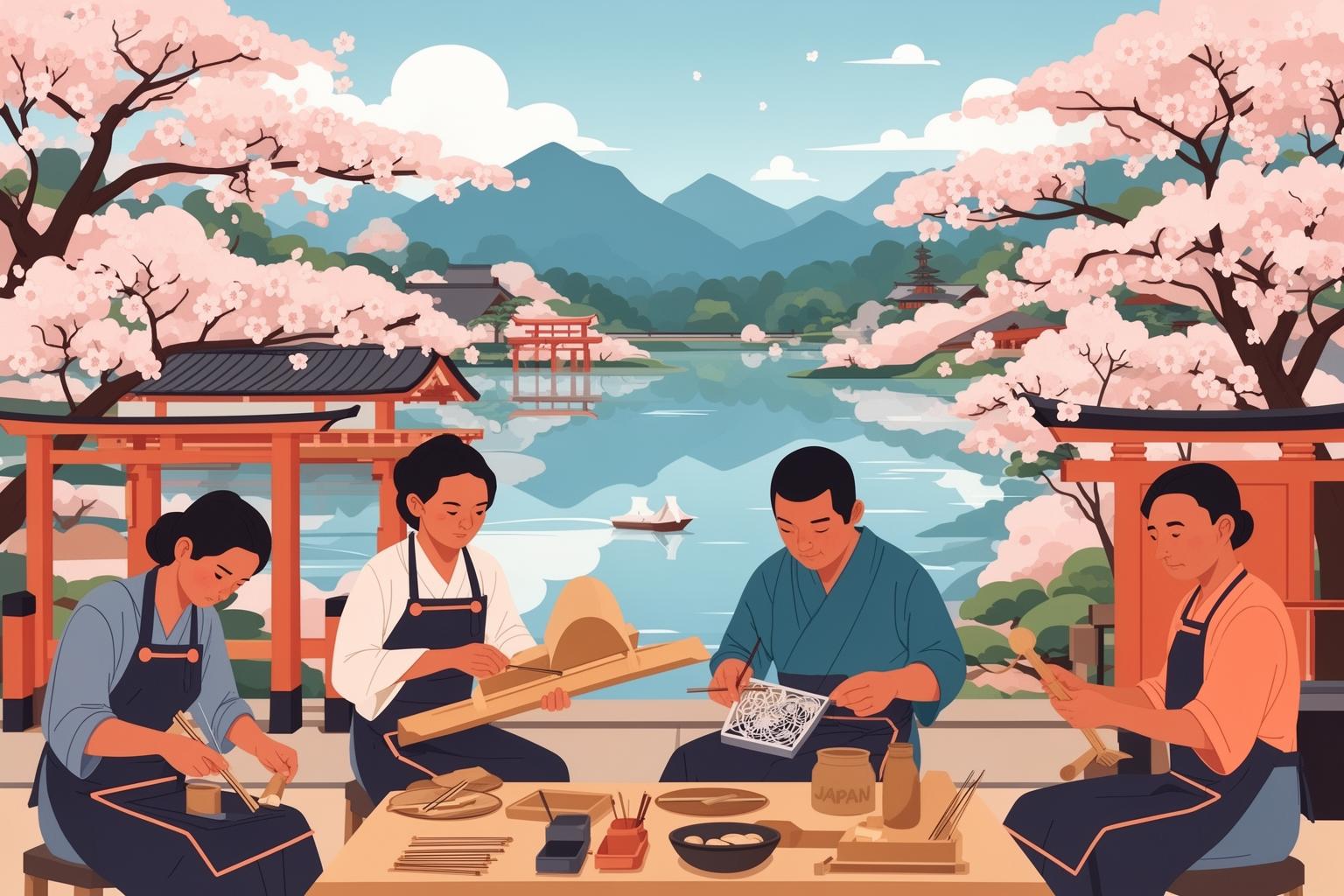
A depachika is more than just a collection of brands; it is a gallery of shokunin, or master artisans. Many of the counters are run by historic shops that have honed a single product over generations. The depachika provides these craftsmen with a prestigious platform to reach a broader audience.
The Wagashi Sculptor
Approach a counter from a celebrated Kyoto wagashi maker like Toraya or Kagizen Yoshifusa. What you find are not just sweets, but miniature, edible works of art. Each confection reflects the season, crafted with painstaking attention to detail. A springtime sweet might take the form of a delicate plum blossom, while an autumn treat could evoke a vibrant crimson maple leaf. The ingredients—rice flour, azuki bean paste (anko), sugar, and agar—are simple, but the expertise needed to shape, color, and texture them into these expressive forms is remarkable. The flavors are subtle and refined, intended to be enjoyed alongside a cup of bitter green tea. Eating wagashi is to engage in a centuries-old tradition of aesthetics.
The Bento Architect
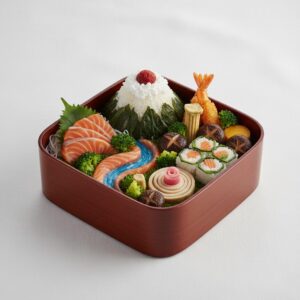
The bento boxes found in depachika represent the pinnacle of the art form. They are worlds apart from a typical packed lunch. A high-end bento is a masterpiece of balance, both nutritionally and visually. The creators are architects of flavor, color, and texture, carefully arranging a dozen or more small elements into a harmonious whole. A piece of grilled fish might sit beside a vibrant array of simmered vegetables, a rolled omelet, a scoop of potato salad, and a bed of perfectly cooked rice, often topped with a single, bright red pickled plum (umeboshi) in the center. These boxes offer a complete, satisfying meal, embodying the belief that food should please the eye before it touches the lips.
The Tsukemono Guardian
The pickle counter is easy to overlook, yet it is often among the most intriguing spots in the depachika. Japanese pickles, or tsukemono, are a crucial part of the cuisine, served with nearly every traditional meal. The variety is astounding. Vegetables are pickled in salt, soy sauce, vinegar, miso, and even rice bran (nukazuke). Each region of Japan has its unique specialties. The vendors here are guardians of tradition, using methods handed down through generations to transform humble radish, cucumber, or cabbage into complex, flavorful creations. They can explain subtle differences in preparation and offer tastings that uncover a world of culinary depth far beyond the ordinary pickle jar.
The Pulse of Daily Life: Beyond the Special Occasion
While the depachika shines in offering special, celebratory, and gift-worthy items, it also serves a deeply practical function in contemporary Japanese life. It’s not merely a destination for weekend indulgences or holiday purchases; it’s an everyday necessity.
As closing time nears, the mood in the depachika changes noticeably. The calm, leisurely browsing of the afternoon shifts to a focused, rapid pace. This marks the start of the evening sale. Roughly an hour before closing, vendors begin calling out, announcing discounts on their remaining prepared foods. “Taimu sēru!” (Time sale!) rings through the aisles. At this point, office workers, commuters, and locals flock in to grab dinner at a lower cost. The carefully arranged displays from earlier in the day quickly disappear as people snatch up discounted bento boxes, salads, and fried dishes. This nightly tradition showcases the depachika at its most practical and democratic, turning gourmet quality into an affordable option for a simple weekday meal.
This dependence on high-quality prepared foods, or sōzai, reflects wider social trends in Japan. With more women working, lengthy commutes, and characteristically small apartment kitchens, the time and space for elaborate cooking at home are often scarce. The depachika’s sōzai counters provide an ideal compromise. The food here surpasses typical supermarket or convenience store offerings by far. It tastes and feels as though it was prepared with care, delivering the comfort and quality of a home-cooked meal without the effort. This is a culturally accepted—and even aspirational—response to the challenges of modern urban living.
Exploring the depachika offers a glimpse into a cross-section of society. You’ll spot elegant elderly women in kimonos purchasing luxurious sweets, young couples deliberating over which bento to share, and tourists gazing around in awe. It’s a space that is simultaneously commercial and deeply cultural, a bustling marketplace that functions with the precision of a Swiss watch and the soul of an art gallery.
So next time you’re in a Japanese department store, don’t just look up. Head down. Descend into that bright, fragrant, and lively basement. Let your senses guide you. Sample the offerings, admire the flawless wrapping on a box of cakes, and witness the nightly dance of the evening sale. You’re not simply in a food hall—you’re in a living museum of Japanese culture, where the love of food, respect for craftsmanship, and the rhythm of daily life come together in one magnificent, delicious spectacle.