When you first walk into one of Tokyo’s grand department stores—an Isetan, a Mitsukoshi, a Takashimaya—you’re immediately met with a hushed, elegant world. Perfectly coiffed attendants bow, gleaming cosmetic counters stretch into the distance, and luxury brands whisper from every polished corner. It’s impressive, certainly. But if you think this is the main event, you’re missing the real story. The heart, the soul, and most importantly, the stomach of the Japanese department store isn’t on the main floor. It’s in the basement.
Welcome to the depachika. The word itself is a classic Japanese portmanteau, blending depāto (department store) and chika (basement). But the name barely hints at the sprawling, dazzling, and impeccably organized food wonderland that awaits. Forget any notion of a dingy North American mall food court with sticky tables and fluorescent lighting. A depachika is a culinary theater, a gourmet museum, and a bustling marketplace all rolled into one. It’s a sensory explosion of sights, smells, and tastes, where everything from a single perfect strawberry to a multi-course bento box is presented with the reverence of a precious gem. This isn’t just where you go to buy dinner; it’s where you go to witness the ceremony of Japanese food culture, to understand the nation’s obsession with seasonality, presentation, and the art of gift-giving. It’s a parallel universe of edible perfection, humming with energy just one escalator ride below the city streets.
Navigating the labyrinth of Japan’s underground culinary world also uncovers a fascination with fleeting delights like the limited-edition konbini treat, which perfectly echoes the ephemeral magic of the depachika.
A Feast for the Eyes: The Art of Display
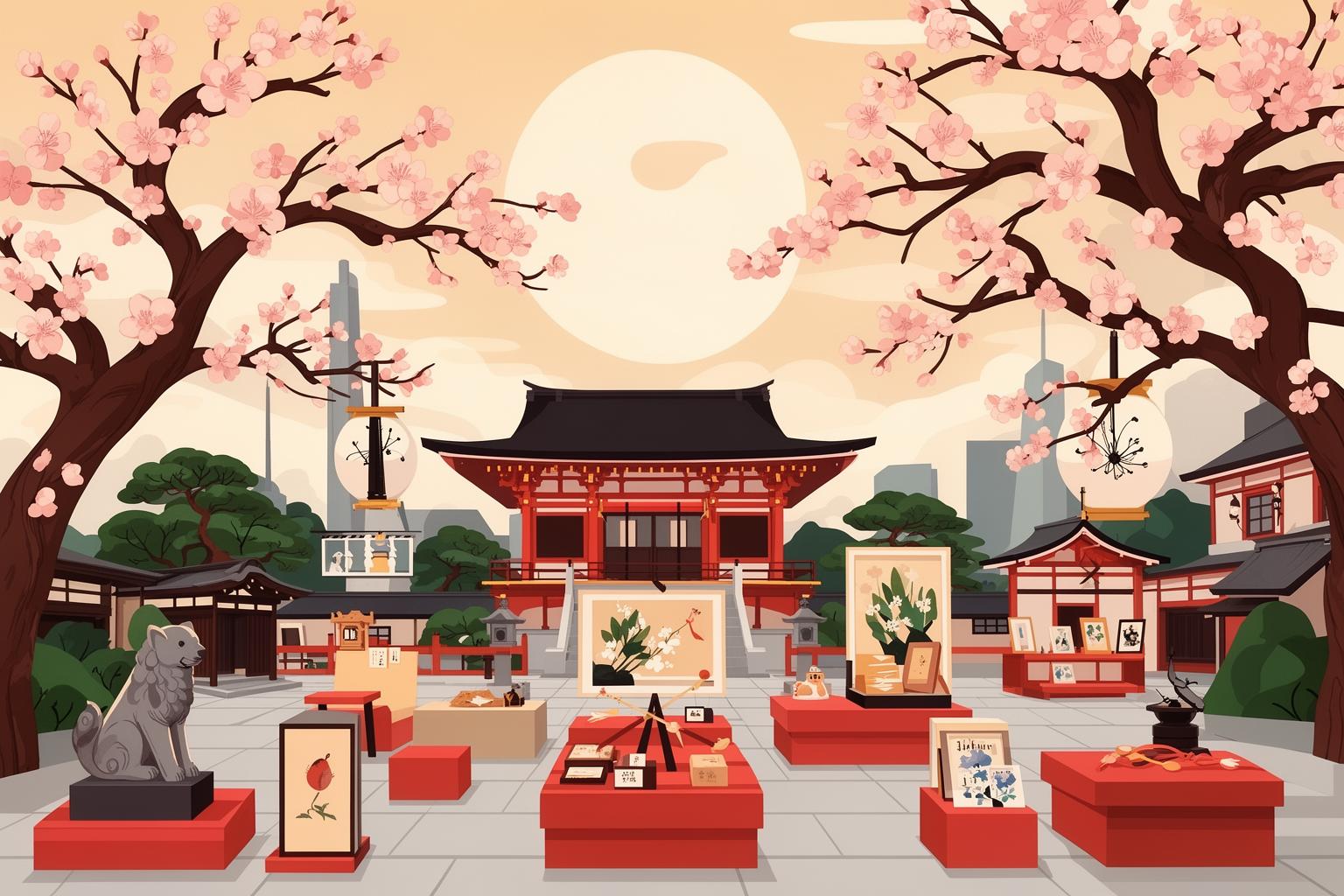
The first thing that captures your attention in a depachika is its stunning visual beauty. This space isn’t meant for a quick grab-and-go; it’s designed to make you pause, appreciate, and crave. The food takes center stage, and the entire setting is thoughtfully arranged to highlight it. The lighting is soft and flattering, more like a gallery than a grocery store, causing the vibrant stacks of fresh produce to glow and the delicate pastries to shimmer. The unspoken rule here is to eat with your eyes first, and the vendors have mastered the art of creating that irresistible first bite.
Edible Jewels in a Case
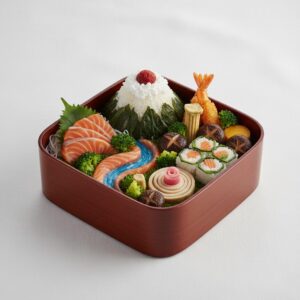
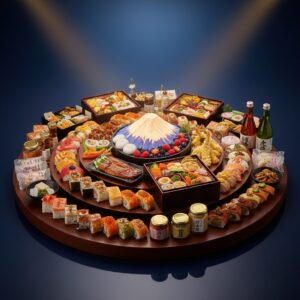
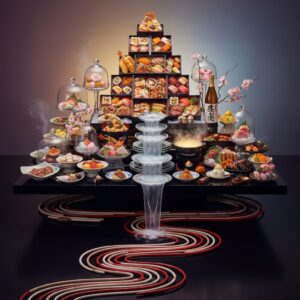
This philosophy is most evident in the display cases. They are not just containers but theatrical stages. Rows of jewel-toned macarons are organized in perfect color gradients. Intricate cakes, each a tiny architectural masterpiece, stand alone on pedestals beneath individual spotlights. Boxes of wagashi (traditional Japanese sweets) are arranged with geometric precision, their designs reflecting the current season—a maple leaf in autumn, a cherry blossom in spring. Even savory items receive this treatment. Impeccably crumbed tonkatsu (pork cutlets) stand like golden soldiers, bento boxes reveal a colorful mosaic of ingredients, and skewers of glossy yakitori are fanned out as an irresistible invitation. The packaging matches the elegance. Simple rice crackers come in boxes wrapped with beautifully printed paper and tied with silk cords. A single melon, priced upwards of a hundred dollars, might rest on a satin pillow inside a paulownia wood box. This attention to detail conveys a clear message: the contents are special, deserving of respect and admiration.
The Logic of the Layout
Though a depachika might initially feel overwhelmingly vast, its layout follows a clear logic that guides shoppers through the space. Typically, the area is divided by category, allowing a natural flow from one culinary world to the next. Near the entrances, you’ll usually find the sweets sections—both Japanese wagashi and Western-style yōgashi. This placement is strategic, as these beautifully packaged sweets are the go-to choice for temiyage, gifts brought when visiting someone’s home. Placing them in a prime, high-traffic spot makes it easy for commuters to pick something up on their way to a dinner party.
Deeper inside lies the heart of the depachika: the 惣菜 (sōzai) section, offering a vast variety of prepared side dishes, salads, and mains. Here, you can put together a complete, high-quality meal to take home. Beyond that, specialty bento boxes, fresh produce displaying flawless fruit, bakeries filling the air with fresh bread aromas, and liquor sections featuring curated selections of sake, shochu, and fine wines from around the globe await. Scattered throughout are counters devoted to particular delicacies: pickles (tsukemono), tea, seaweed, tofu, and imported cheeses. This organization transforms shopping into a narrative experience, allowing you to build a meal course by course as you wander the aisles.
The Spectacle of Seasonality
Underlying it all is the Japanese concept of shun, the peak of seasonality when an ingredient is at its freshest and most flavorful. A depachika acts as a living calendar of Japan’s culinary seasons. The entire food hall changes every few months. In spring, counters overflow with pink and green, featuring sakura-flavored mochi, strawberry shortcakes, and bento boxes adorned with tender bamboo shoots. Summer brings refreshing citrus and plum jellies, vibrant presentations of peaches and grapes, and dishes meant to be enjoyed cool. Autumn bursts with orange, brown, and deep red hues, showcasing chestnut-filled pastries (mont blanc), persimmon sweets, and earthy mushroom rice. Winter offers hearty stews, rich chocolates for Valentine’s Day, and large, perfect strawberries destined for Christmas cakes. This ongoing transformation makes every visit a fresh discovery and deepens a cultural appreciation for the rhythm of nature.
The Cast of Characters: Artisans, Patissiers, and Gift-Givers
A depachika is more than simply a collection of products; it’s a carefully curated assembly of the finest culinary artisans, both local and international. The reputation of a department store depends on the quality of the brands it can attract to its basement, fostering a competitive and dynamic environment where only the best endure.
Big Names and Local Legends
Stroll through the yōgashi section of a prominent depachika, and you’ll encounter a who’s who of the pastry world. Counters featuring Parisian stars like Pierre Hermé and Jean-Paul Hévin stand alongside booths from Japan’s renowned patissiers, such as Sadaharu Aoki and Toshi Yoroizuka. Securing a place here is a badge of honor, with many chefs crafting location-exclusive items to lure customers. However, it’s not only about international renown. Depachika also play a crucial role in preserving tradition. You’ll discover stalls from centuries-old wagashi shops in Kyoto, famous rural pickle makers, and artisanal soy sauce brewers who have honed their skills over generations. This fusion of the global and the local, the fashionable and the traditional, creates a comprehensive snapshot of Japan’s entire food scene.
The Engine of Gift-Giving Culture
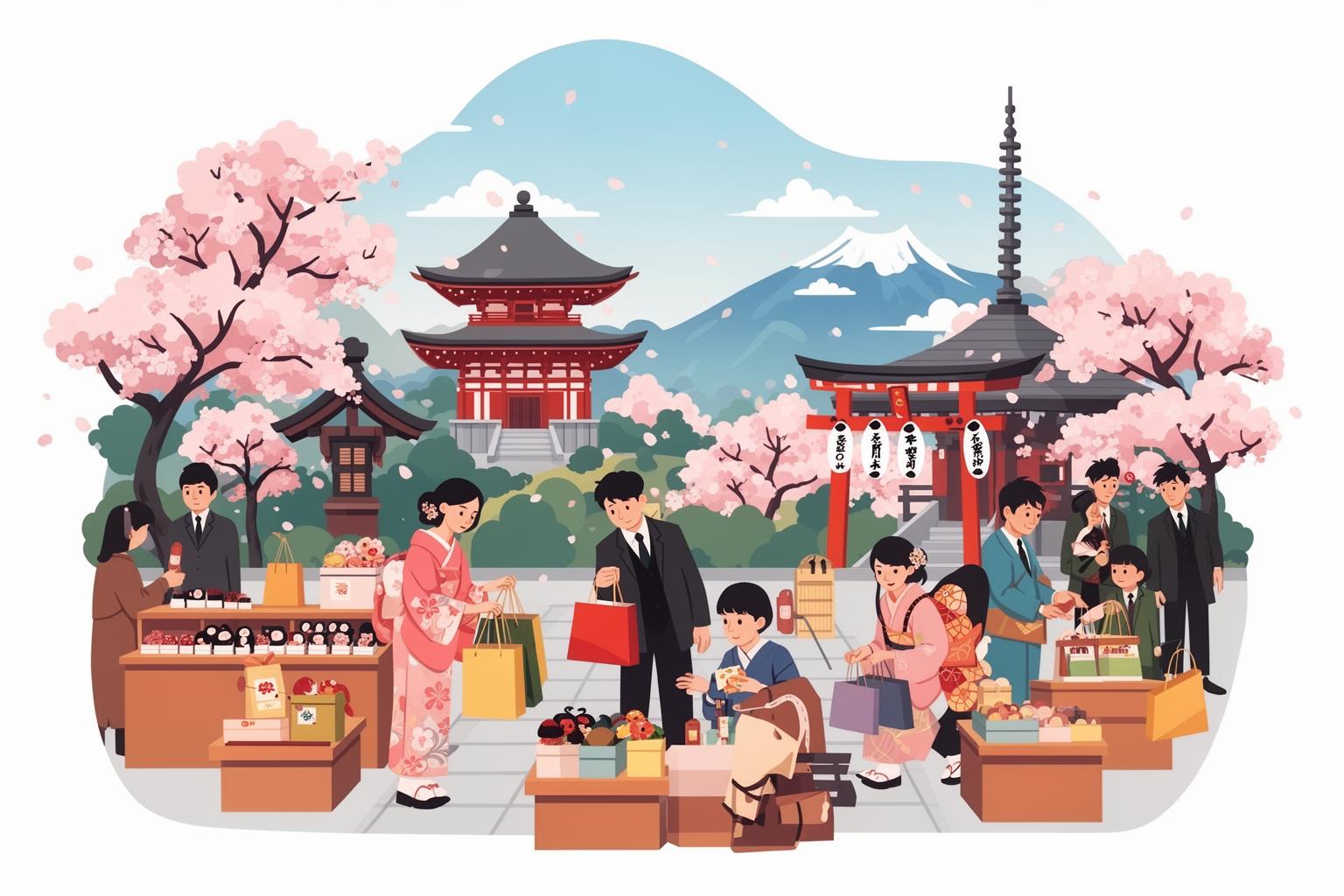
A key function of a depachika is supporting Japan’s intricate gift-giving culture. Food serves as a primary means of expressing gratitude, apology, and social bonds. The temiyage (a gift for a host) is an almost universal obligation when visiting someone, and a beautifully boxed cake or selection of sweets from a prestigious depachika is an ideal choice. Likewise, omiyage (souvenirs) brought back from trips are essential for maintaining good relations with colleagues and family. Many depachika feature specialized sections showcasing famous products from various regions of Japan, making it easy to find the perfect gift.
The act of wrapping the gift, hōsō, is a ritual in itself. Depachika staff are experts in this craft. They wrap your purchase with swift, precise movements using the store’s signature paper, securing it with tape aligned so perfectly it’s almost invisible. The result is not merely a wrapped box but a pristine, sharp-edged package that conveys care and respect even before it’s opened. The quality of wrapping is considered an essential part of the gift’s value.
The Everyday Stars: Sōzai and Bento
Though the elegant cakes and costly fruits catch the eye, the true heart of the depachika lies in the sōzai and bento section. This is where daily life’s rituals unfold. For busy city dwellers, the depachika provides a solution to the desire for a delicious, well-balanced meal without the time to cook. The quality far surpasses typical takeout options. You’ll find everything from grilled fish and simmered vegetables to gourmet Chinese dumplings and intricate, multi-component salads. It offers an elegant compromise, enabling people to eat well and diversely. Many assemble meals from various sōzai counters as a daily ritual, creating a personalized, restaurant-quality experience at home. This reflects a modern society that values both convenience and quality, refusing to sacrifice one for the other.
Navigating the Depachika: A Shopper’s Ritual
To those unfamiliar, the sheer scale and energy of a depachika can feel overwhelming. However, there is a rhythm and etiquette to the experience that, once grasped, makes it one of the most enjoyable activities in Japan. It becomes less of a chore and more of a form of entertainment.
The Power of the Free Sample
One of the greatest pleasures of a depachika is shishoku, the tradition of free samples. Don’t hesitate. Vendors stand at the edges of their counters, offering small bites of their products on toothpicks or in tiny paper cups. This is an essential part of the sales ritual. It serves as a confident statement of quality and a friendly invitation to engage. The etiquette is straightforward: accept with a slight nod or a quiet “arigatou,” taste it, and if you enjoy it, consider making a purchase. There’s no pressure, but it’s an excellent way to discover new flavors, from smoky pickled radish to a rich cheesecake brand. This transforms passive browsing into an interactive, multi-sensory experience.
The Evening Rush and the Time Sale
As the day comes to a close, a new ritual begins. About an hour before the department store shuts, a noticeable energy shift happens in the depachika. This marks the start of the “time sale.” To avoid wasting unsold fresh food, vendors start marking down their sōzai, bento, and sushi. Staff members call out discounts, and shoppers—both office workers heading home and savvy locals—circle their favorite counters, waiting for prices to drop. It’s a fast-paced yet orderly event, a mutual understanding between seller and buyer. For many, this is a daily habit—a chance to get an excellent meal at a significant discount. Joining the evening rush feels like being let in on a local secret, a shared urban ritual.
Assembling Your Perfect Meal
The ultimate depachika ritual is crafting your own bespoke meal. Think of yourself as a curator. Begin by selecting a main dish—perhaps perfectly grilled eel or a premium tonkatsu. Next, visit the sōzai counters to pick a few sides: a vibrant seaweed salad, simmered pumpkin, or a portion of kinpira gobo (braised burdock root and carrot). Stop by the bakery for a crusty baguette. Then, head to the dessert section for a final, elegant touch—a slice of fruit tart or a delicate matcha mousse. Lastly, visit the liquor section to choose a small bottle of craft sake or local beer to complete the experience. You can take your curated feast home or, in some cases, enjoy it at a designated rooftop or rest area in the department store. This act of assembling a meal from dozens of specialized artisans is a uniquely gratifying ritual, turning a simple dinner into a personalized gourmet event.
Beyond the Basement: What Depachika Reveal About Japan
Ultimately, a depachika is more than just a place to buy food. It serves as a tangible representation of several fundamental principles of Japanese culture. It’s a space where you can see, taste, and experience the values that shape society.
A Microcosm of Japanese Cuisine
The incredible variety within a single depachika is astonishing. It acts as a living archive of Japanese food. You can find hyper-traditional sweets with recipes unchanged for 400 years just steps away from innovative pastries that combine Japanese ingredients with French techniques. You can purchase pickles from a remote mountain village and olive oil from a boutique importer. This capacity to embrace both the ancient and the modern in one space, treating them with equal respect, is distinctly Japanese. The depachika showcases how the cuisine continuously evolves while staying deeply connected to its roots.
The Pursuit of Perfection in Miniature
From the precise knife cuts on a piece of sashimi to the flawless fold of wrapping paper, the depachika embodies the Japanese cultural value of meticulousness and attention to detail. There is a profound belief in taking pride in one’s work, no matter how small the task. This philosophy is visible everywhere you look. Vendors aren’t simply selling food; they are presenting the culmination of their craftsmanship. This pursuit of perfection fosters an environment of implicit trust. You can be confident that anything you purchase will be of high quality, not due to regulation, but because of the cultural expectation of excellence.
The Accessibility of Everyday Luxury
While a depachika offers many extravagantly priced items, its main purpose is to provide moments of accessible luxury for everyday people. It’s about elevating the ordinary. It’s the office worker who treats herself to a beautiful bento box for lunch instead of a dull convenience store meal. It’s the family that buys a special cake from a renowned patissier to celebrate a small achievement. The depachika democratizes high-quality food, making it part of daily and weekly rituals, not just an occasional indulgence. It reinforces the idea that beauty and quality should be integrated into life, not reserved solely for special occasions.
So next time you find yourself in a Japanese department store, resist the allure of the upper floors at first. Take the escalator down. Let your senses lead you through the gleaming aisles of the depachika. See it not as a basement, but as the foundation upon which the entire institution rests. It’s a place of ritual, artistry, and profound deliciousness. It’s where you’ll discover a true taste of Japan, one perfect, beautifully wrapped bite at a time.