If you’ve spent any time in Japan, you know the comforting embrace of chuka ryori. It’s that familiar, Japan-ified version of Chinese food found in every neighborhood: the savory gyoza, the gentle mapo tofu, the sweet-and-sour pork. It’s a culinary dialect, spoken fluently across the nation for decades. But recently, something new has been happening on the streets of Tokyo, Osaka, and beyond. A different sound, a bolder flavor, a more intense energy. It’s called Gachi-Chuka, and it represents a seismic shift in how Japan engages with the cuisine of its continental neighbor.
“Gachi” is slang for “serious” or “for real.” And Gachi-Chuka is exactly that: seriously, unapologetically authentic Chinese food. This isn’t the softened, localized fare of your corner ramen shop. This is the numbing fire of Sichuan peppercorns, the cumin-dusted lamb of Xinjiang, the hearty stews of Dongbei. It’s food made by Chinese chefs, primarily for a Chinese clientele, served in spaces that feel less like restaurants in Japan and more like portals to Chengdu, Shanghai, or Xi’an. The menus are often a puzzle of Mandarin characters, the air thick with unfamiliar spices, and the service brisk and functional rather than steeped in Japanese omotenashi. And yet, Japanese foodies are flocking to these places in droves. This isn’t just another passing food trend. It’s a fascinating cultural phenomenon that reveals a deeper story about a changing Japan—a country with a more adventurous palate, a shifting demographic landscape, and a newfound curiosity for the unfiltered reality of modern China.
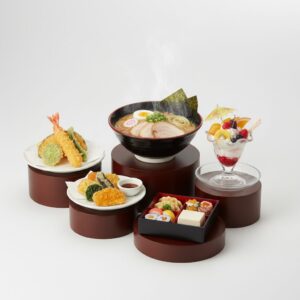
Amid Japan’s culinary evolution sparked by Gachi-Chuka, enthusiasts may also appreciate the unique twist of Japan’s art of fake food that further underscores the nation’s inventive gastronomic spirit.
The Chinese Food Japan Thought It Knew
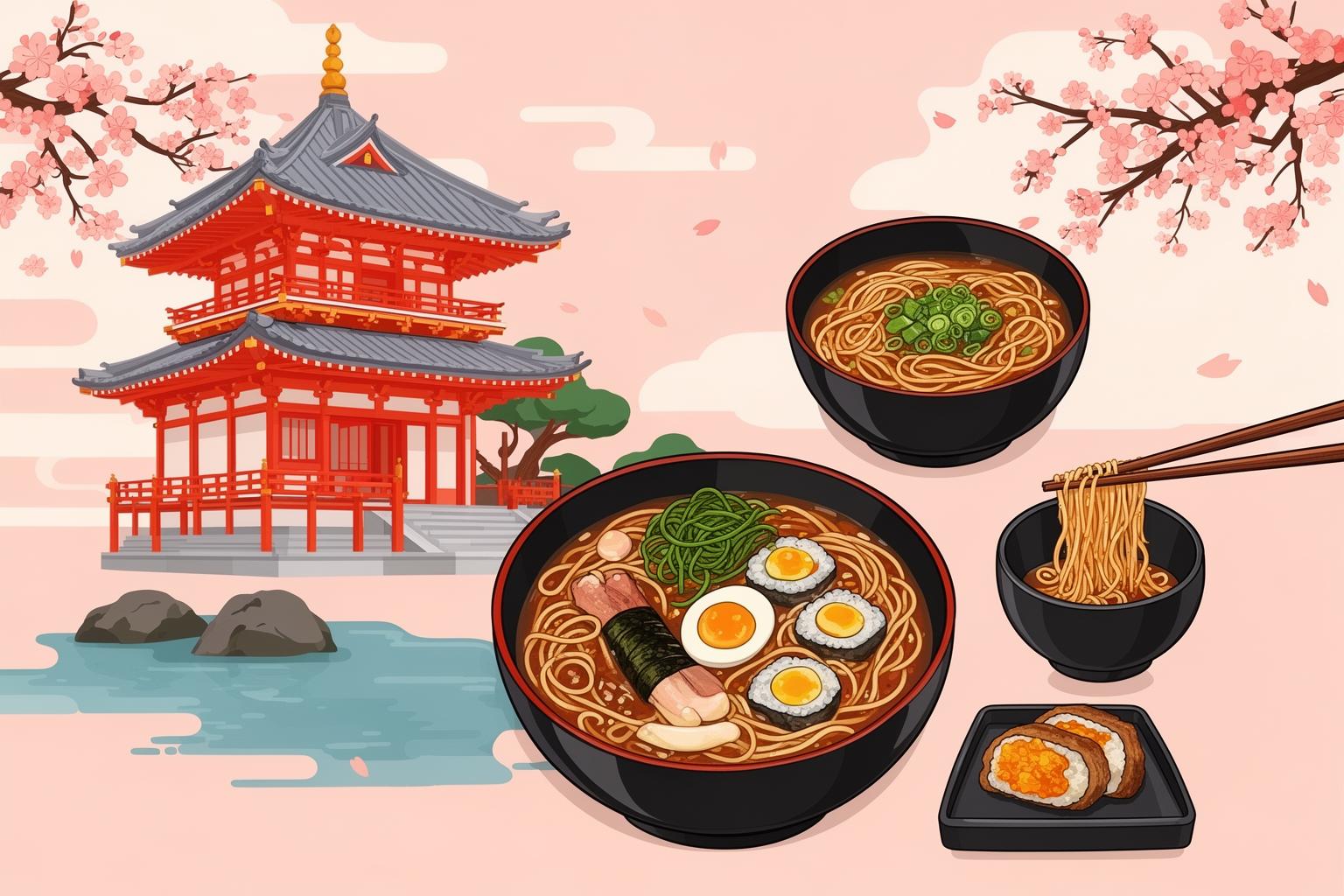
To grasp the impact of Gachi-Chuka, you first need to understand the institution it’s challenging: Wafu-Chuka, or Japanese-style Chinese cuisine. For much of the past century, this was simply regarded as “Chinese food” in Japan. It’s a cuisine born from adaptation and assimilation, a culinary dialogue between two cultures that began in the late 19th and early 20th centuries when Chinese immigrants established restaurants in port cities like Yokohama and Kobe.
These early innovators adjusted their recipes to appeal to local tastes. Bold, assertive flavors were softened. The influence of dashi and soy sauce, staples of Japanese cooking, gradually made their way in. The outcome was a unique culinary style, cherished for its dependability and comforting familiarity. Consider tenshinhan, a fluffy crab omelet served over rice with a thick, sweet-savory sauce— a dish found only in Japan. Or hiyashi chuka, the cold ramen noodle salad of summer, another ingenious Japanese creation. Even classics like ramen and gyoza experienced significant change. The ramen that captured national admiration differs greatly from its Chinese predecessor, lamian. Likewise, Japanese gyoza are generally smaller, more delicately wrapped, and pan-fried to a crisp finish, quite unlike the boiled, doughy dumplings common in many regions of China.
These dishes became the foundation of the machi-chuka, the modest “town Chinese” restaurant. Present in every neighborhood, often family-run for generations, these establishments are cornerstones of everyday life. They resemble the Japanese equivalent of a neighborhood diner or trattoria—reliable, affordable, and deeply integrated into the community’s fabric. It’s where salarymen grab a quick lunch, families enjoy a weekend dinner, and students recharge with giant bowls of noodles. The food is consistent, comforting, and distinctively Japanese in its mild, balanced flavors. For decades, this was the entire narrative of Chinese food in Japan. It was a familiar, domesticated taste of the continent. But that all changed with the arrival of “gachi.”
The Arrival of the “Real Deal”
The rise of Gachi-Chuka directly challenges the comfortable status quo. It stands as a culinary declaration of independence. The fundamental difference is its unwillingness to compromise. Gachi-Chuka chefs don’t cook for the typical Japanese palate; instead, they faithfully recreate the authentic flavors of their hometowns using the ingredients and techniques they grew up with. This commitment to authenticity defines the movement.
A Sensory Overload
Step into a Gachi-Chuka restaurant, and the contrast is immediately evident. The air might be filled with the fragrant, citrusy aroma of Sichuan peppercorns or the smoky, earthy scent of cumin. The soundscape is changed as well. Rather than the quiet politeness typical of Japanese eateries, you’ll hear loud, vibrant Mandarin conversations, the clanging of woks from an open kitchen, and the unceremonious scraping of chairs. The decor tends to be functional, often bordering on spartan. There are no carefully curated aesthetics or minimalist elegance. The intense focus is entirely—and unapologetically—on the food.
Uncompromising Flavors
The most striking difference, of course, is on the plate. Gachi-Chuka celebrates regional specificity, highlighting the vast diversity of Chinese cuisine that was previously unseen in Japan. The most notable example is Sichuan cuisine. The Japanese take on mapo tofu is mild and savory, often sweetened slightly. In contrast, Gachi-Chuka mapo tofu delivers a fierce, complex sensory experience. It’s fiery hot from dried chilies but, more importantly, offers the signature mala sensation—the tingling, numbing effect of Sichuan peppercorns that electrifies the mouth. Many Japanese diners had never encountered this flavor profile before, and it proved utterly captivating.
Beyond Sichuan, the Gachi-Chuka movement has introduced an entirely new palate of tastes. There’s the cuisine of the Silk Road regions like Xinjiang, featuring lamb, cumin, and flatbreads—flavors more commonly linked to the Middle East than East Asia. There’s the hearty, comforting fare of Dongbei (Northeast China), with its rich stews, pickled vegetables, and lamb hotpots. Then there’s the sour, spicy food of Hunan and the complex, fragrant dishes of Yunnan. Each restaurant serves as a micro-embassy for its particular region, offering a taste of places that, for most Japanese people, had been nothing more than names on a map.
Why Now? The Forces Behind the Boom

This culinary revolution did not occur in isolation. The rise of Gachi-Chuka results from a convergence of significant social, demographic, and cultural changes in Japan over the last twenty years.
A Changing Population
The most impactful factor is the sharp increase in the number of Chinese nationals residing in Japan. Since the 1990s, and accelerating throughout the 2000s, Japan has experienced a steady arrival of Chinese students, professionals, and families. This expanding community naturally generated a demand for authentic food from home. They were not seeking the Japan-ified chuka ryori; instead, they longed for the distinct flavors of their own regional cuisines. Entrepreneurs within this community recognized the opportunity. They opened simple, no-frills restaurants in neighborhoods with large Chinese populations, such as Ikebukuro and Takadanobaba in Tokyo, serving the food they knew and loved. Initially, these establishments catered to their own community, but it wasn’t long before curious Japanese locals began to explore them.
The Maturation of the Japanese Palate
At the same time, the Japanese palate was evolving to become more refined and adventurous. Decades of economic prosperity had introduced Japanese diners to a diverse array of international cuisines. French, Italian, and Indian dishes became commonplace. Subsequently, waves of interest in Thai, Vietnamese, and other Southeast Asian cuisines followed, bringing flavors like lemongrass, fish sauce, and chili heat. This culinary globalization prepared Japanese diners for more intense and unfamiliar tastes. They no longer satisfied themselves with just the subtle and delicate flavors of their own tradition. They were ready for the bold, complex, and sometimes challenging flavors that Gachi-Chuka offered. The internet and social media sped up this process, with food bloggers and Instagrammers enthusiastically sharing their discoveries in the Gachi-Chuka scene, providing guides for others to follow.
The “Lonely Gourmet” Effect
Japanese media also played a vital role in popularizing the Gachi-Chuka experience. The popular manga and television series Kodoku no Gurume (The Lonely Gourmet) exemplify this influence. The show follows a salesman who, during his business trips, seeks out straightforward, authentic restaurants in ordinary neighborhoods. He is not interested in high-end dining; he wants real food made with passion. The show often highlights Gachi-Chuka establishments, making them accessible to a mainstream audience. It romanticized the experience of discovery—finding a hidden gem, navigating a challenging menu, and being rewarded with an exceptional meal. It taught viewers that the best food isn’t always found in the most polished settings, validating the often rough-around-the-edges Gachi-Chuka style.
Culinary Tourism at Home
The recent pandemic also served as an unexpected catalyst. With international travel restricted, people looked for ways to experience foreign cultures without leaving the country. Gachi-Chuka offered an intense and immersive form of virtual travel. For the price of a meal, you could be transported to another place. The unfamiliar language, the unique aromas, and the uncompromising flavors provided a sensory escape—a mini-vacation to a specific part of China. This craving for authentic, transportive experiences has persisted even after borders reopened, securing Gachi-Chuka’s place in Japan’s culinary landscape.
The Gachi-Chuka Experience: A Ritual of Authenticity
Dining at a Gachi-Chuka restaurant is about more than just the food; it’s a full cultural experience that sharply contrasts with typical Japanese dining customs. It demands a different mindset and a willingness to step beyond one’s comfort zone.
Breaking the Rules of Service
Japanese customer service, or omotenashi, is renowned for anticipating the customer’s needs, offering meticulous attention to detail, and maintaining an atmosphere of calm politeness. Gachi-Chuka follows an entirely different approach. The service tends to be brusque, efficient, and straightforward. The staff might be busy, loud, and more focused on getting food out quickly than on pampering diners. This isn’t rudeness; it reflects a different cultural standard where the quality and authenticity of the food serve as the ultimate form of hospitality. For Japanese diners used to flawless service, it can be surprising at first, but for Gachi-Chuka fans, it’s part of the genuine charm. It shows the restaurant prioritizes what truly matters: the cooking.
The Thrill of the Unknown
Exploring a Gachi-Chuka menu can be an adventure itself. While some places provide Japanese translations, many of the best spots feature menus dominated by Chinese characters, often with cryptic or amusing machine-translated descriptions. This language barrier encourages diners to be more daring. They might point to what others are eating or take a gamble on a dish with an intriguing name. This element of chance and discovery is central to the appeal. It’s a break from the predictable, carefully explained menus common in most Japanese restaurants. Each meal holds the promise of a new and exciting culinary revelation.
A Delicious Form of Diplomacy
The rise of Gachi-Chuka is more than just a food story; it reflects a new, more nuanced relationship between the people of Japan and China. While political headlines often highlight tension and rivalry, the Gachi-Chuka boom represents a powerful, grassroots form of cultural exchange. This exchange takes place not in conference rooms, but in busy, lively restaurants over shared plates of food.
This trend encourages Japanese people to view China not as a single monolithic entity, but as a vast and incredibly diverse country with a rich mosaic of regional cultures and traditions. By falling in love with the cuisines of Sichuan, Xinjiang, or Dongbei, they are, in a small way, connecting with the people and history of those regions. It nurtures curiosity and appreciation that go beyond politics.
For the Chinese community in Japan, these restaurants serve as vital cultural hubs—spaces to gather, speak their native language, and savor the flavors of home. The enthusiastic embrace of these venues by Japanese diners signals a deeper integration and a more cosmopolitan society. Gachi-Chuka stands as a testament to the power of food to build bridges, challenge preconceptions, and share a story of a Japan that is more open, diverse, and delicious than ever before.