The Powder Snow Gold Rush: How Tourism is Reshaping a Hokkaido Gem
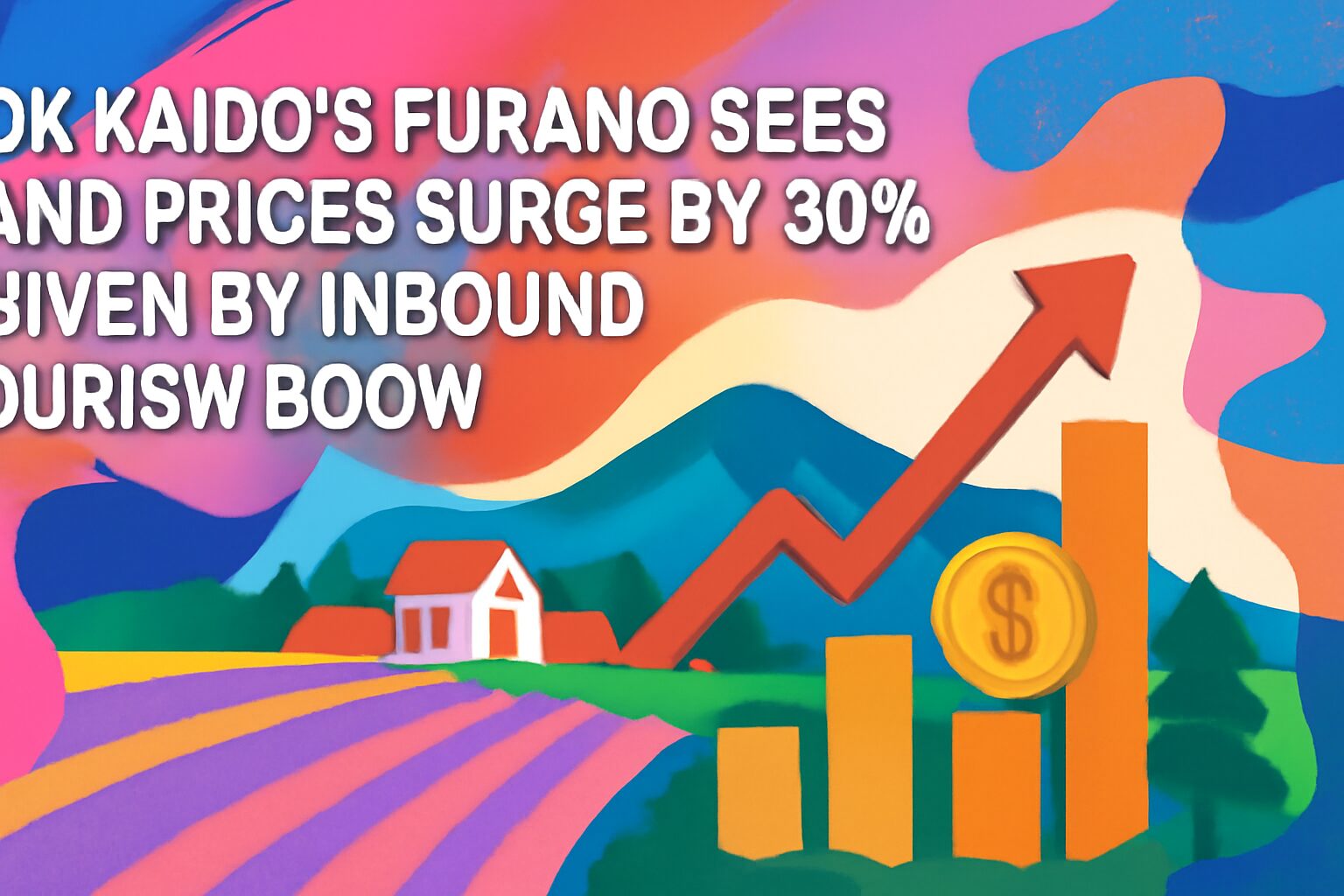
In a striking display of tourism’s economic power, the picturesque town of Furano in Hokkaido has experienced an unprecedented surge in land prices, jumping over 30% from the previous year. This dramatic increase is a direct consequence of a massive influx of international visitors, transforming this once-quiet agricultural and ski town into a bustling international destination. The phenomenon highlights both the immense potential and the growing challenges for regional Japan in the post-pandemic travel era.
Behind the Boom: Why Furano?
For decades, Furano has been famous domestically for its breathtaking summer lavender fields and world-class powder snow in winter, attracting skiers and snowboarders from across the globe. However, its international appeal has exploded in recent years. Data reveals a staggering trend: the number of overnight stays by foreign tourists has quadrupled over the past decade.
This popularity is driven by several factors:
- Pristine Natural Beauty: The area offers year-round attractions, from the vibrant flower farms of summer to the pristine ski slopes of the Furano Ski Resort in winter.
- Global Recognition: Word-of-mouth and social media have amplified Furano’s reputation as a “must-visit” destination, particularly for its legendary “Japow” (Japanese powder snow).
- Increased Accessibility: Improved transport links and a growing number of international flights to Hokkaido’s New Chitose Airport have made the region more accessible than ever.
The demand from tourists, particularly from Asia, Australia, and North America, has directly fueled a construction boom. The skyline is changing with new luxury hotels, high-end condominiums, and private villas rising to meet the accommodation needs of affluent international travelers. This has revitalized the local economy, creating jobs and injecting new life into the community.
Future Projections and Emerging Challenges
The current trend shows no signs of slowing down. The upward trajectory of land prices is expected to continue as developers and investors vie for prime real estate. This boom, however, presents a double-edged sword for Furano.
The Path Forward: Balancing Growth and Sustainability
While the economic benefits are undeniable, the rapid development raises critical questions about the town’s future. Local authorities and residents are now facing the challenge of managing this explosive growth sustainably. Key concerns include:
- Infrastructure Strain: The sharp increase in population, even if seasonal, puts a significant strain on local infrastructure, including roads, water supply, and waste management systems.
- Preserving Natural Charm: Unchecked development risks spoiling the very natural landscapes that attract visitors in the first place. Striking a balance between construction and conservation is paramount.
- Affordability for Locals: Soaring land and housing prices could make it difficult for local residents, especially the younger generation, to live and work in the area, potentially leading to a labor shortage in essential services.
- Maintaining Authenticity: As international resorts and businesses proliferate, there is a risk of diluting the unique local culture and charm that define Furano.
Furano’s story is a microcosm of the opportunities and obstacles facing many regional tourist spots in Japan. As the town navigates its newfound international fame, its ability to manage sustainable development will be a crucial test, determining whether it can preserve its soul while embracing its golden age of tourism.