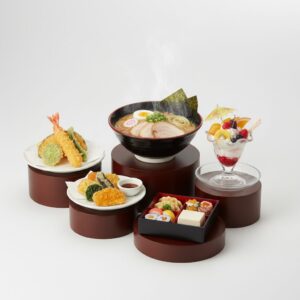
If you’ve spent any time in Japan, you know “Chinese food.” It’s a cornerstone of the national diet, a comforting, reliable friend. It’s the savory warmth of a ramen bowl on a cold night, the crisp-bottomed gyoza alongside a frosty beer, the gentle heat of mapo tofu served over perfect white rice. This is chūka ryōri, or simply chūka—Chinese cuisine as filtered through a Japanese lens for over a century. It’s delicious, it’s ubiquitous, and it’s about as authentically Chinese as a California roll is authentically Japanese. And for the longest time, nobody minded. It was simply the standard.
But something has shifted. A new phrase is buzzing in food magazines, on social media, and in conversations among Tokyo’s adventurous eaters: Gachi-Chuka. The “chuka” part is familiar, but “gachi” (ガチ) is slang, a word that means “serious,” “for real,” “hardcore.” Serious Chinese food. This isn’t your neighborhood spot’s sweet-and-sour pork. This is the fiery, mouth-numbing cuisine of Sichuan, the cumin-dusted lamb of Xi’an, the hearty stews of the Dongbei region. It’s food that makes no concessions to the Japanese palate. The menus might be scrawled only in Chinese characters, the air thick with the scent of spices you can’t name, and the sound of Mandarin chatter drowning out any Japanese. It’s an exhilarating, sometimes intimidating, and utterly delicious phenomenon.
This isn’t just a fleeting foodie trend or a simple quest for new flavors. The Gachi-Chuka boom is a fascinating cultural barometer, signaling deep shifts in Japanese demographics, media influence, and a collective craving for unfiltered experiences. It tells a story about a nation slowly, and spicily, opening its doors and its palate to a more complex and authentic version of its biggest neighbor. This is the story of how Japan fell in love with Chinese food all over again—this time, for real.
This culinary evolution invites curious food enthusiasts to explore the authentic emergence of Gachi-Chuka as it reshapes Japan’s traditional palate.
The Chuka You Thought You Knew
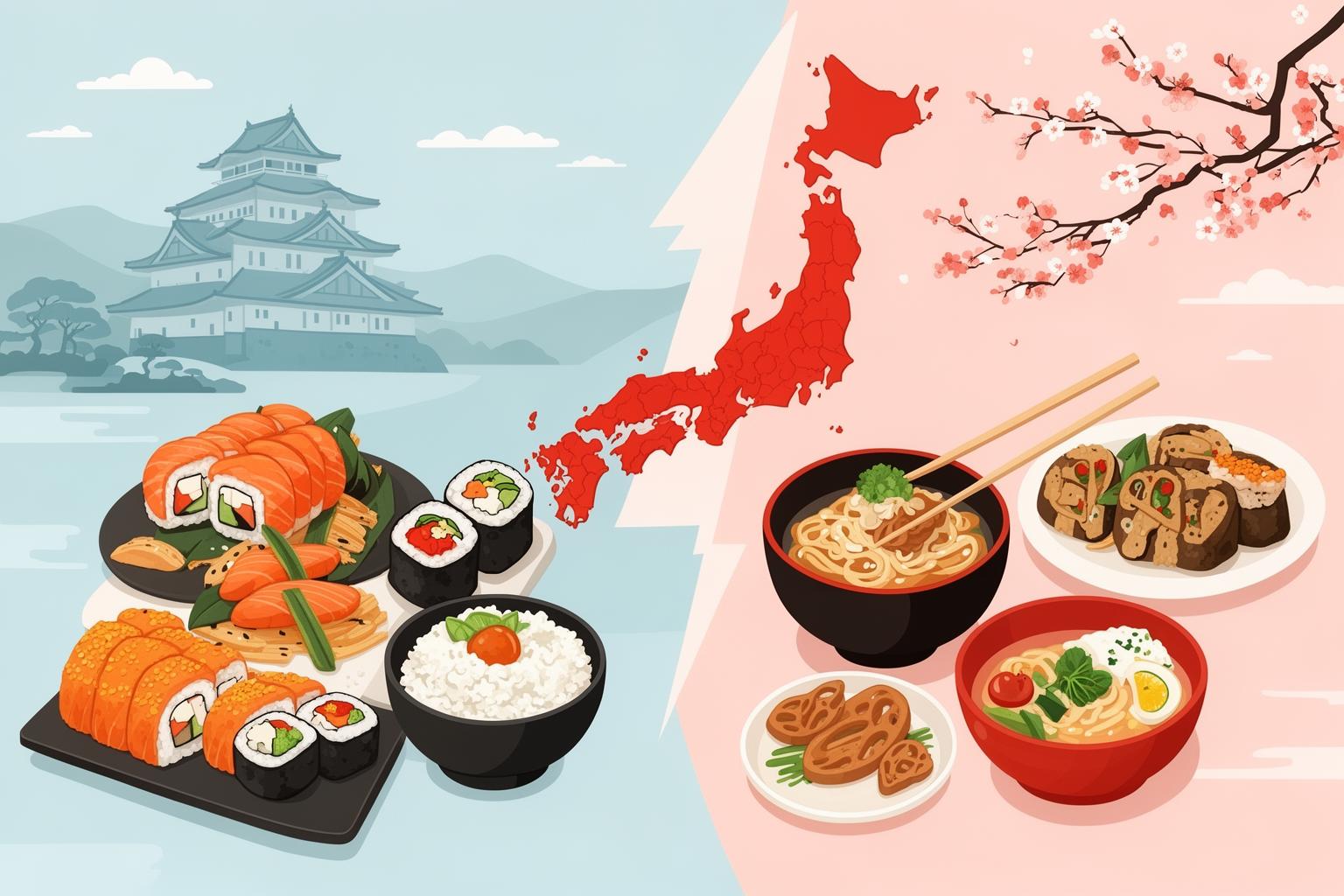
Before we plunge into the intensity of Gachi-Chuka, we first need to grasp the foundation it rests on: the gentle, familiar realm of classic chūka ryōri. Calling it inauthentic misses the entire point. Chūka is a cuisine in its own right, a culinary dialect shaped by migration and adaptation, and it holds a uniquely special place in the Japanese heart.
Its story begins in the late 19th and early 20th centuries, when Chinese immigrants, mainly from coastal areas like Guangdong and Fujian, settled in port cities such as Yokohama, Kobe, and Nagasaki. They opened restaurants to serve their own communities, but to survive, they had to cater to local Japanese customers. This required adjustment. Flavors were softened. The potent trio of garlic, ginger, and oil was used more sparingly. Complex sauces were simplified, and sweetness was often increased to suit local tastes.
This adaptation process created iconic dishes that are now fundamentally Japanese. Take ramen. Though its origins lie in Chinese noodle soup (lamian), the Japanese version evolved into its own universe, with carefully crafted broths—tonkotsu, shio, shoyu, miso—and regional variations becoming a national obsession. It’s a dish born in Chinese kitchens but perfected, codified, and mythologized in Japan.
Then there’s gyoza. In much of China, jiaozi are boiled and served as staple food, almost like bread. The Japanese gyoza, in contrast, is almost exclusively pan-fried to achieve a crispy bottom (hane) while the top stays soft and steamed. They are smaller, with more finely minced fillings, and usually served as a side dish—the quintessential companion to a bowl of ramen or a glass of beer.
Even the famous mapo tofu received a Japanese makeover. The authentic Sichuan version is an all-out assault of málà—the combination of fiery chili (là) and the tingling, numbing sensation of Sichuan peppercorns (má). The standard Japanese mābō dōfu, however, tones both down. The numbing effect is often absent altogether, and the heat is mellowed by a savory, slightly sweet base, often incorporating miso or other Japanese seasonings to make it more balanced and less aggressive. It’s designed to be eaten with rice, not to overwhelm the palate.
This is the essence of chūka: Chinese food reimagined as Japanese comfort food. It’s what families enjoy on a Friday night, what salarymen grab for a quick lunch. It’s reliable, affordable, and deeply ingrained in daily life. It’s the culinary equivalent of a trusted friend—you know exactly what you’ll get, and it’s always welcome.
Enter the Dragon: The Arrival of ‘Gachi-Chuka’
If traditional chūka feels like a comforting old friend, Gachi-Chuka is the exciting, unpredictable newcomer who just moved in next door. It’s loud, bold, and refuses to change for anyone. The term itself is a recent creation, a media-coined buzzword capturing a trend that had been simmering beneath the surface for years. It refers to restaurants serving regional Chinese cuisines in their authentic form, catering mainly to native Chinese residents, with adventurous Japanese diners as welcomed guests.
So, what distinguishes the “Gachi” from the usual? It’s a blend of unwavering flavor, regional authenticity, and an immersive atmosphere.
First, the flavor. Gachi-Chuka directly challenges the subtlety and balance that characterize most Japanese cooking. Here, more is absolutely more. Spices aren’t just accents; they take center stage. In a Sichuan restaurant, you’ll experience the genuine electrifying numbness of high-quality Sichuan peppercorns that make your lips tingle and your mind buzz. Dishes arrive buried under mountains of dried red chilies, not only for heat but for their smoky aroma. You’ll savor the deep, funky complexity of fermented black beans, pickled mustard greens, and pungent chili oils made in-house. It’s a world apart from the gentle soy-and-dashi base typical of Japanese cuisine.
Second, and perhaps most crucial, is regional specificity. For decades, “Chinese food” in Japan was a monolithic idea, a greatest-hits mix of Cantonese-inspired, Japanized dishes. Gachi-Chuka breaks this myth, unveiling the stunning diversity of China’s culinary landscape. It’s not just “Chinese food”; it’s Sichuanese, Hunanese, Shaanxi, or Dongbei cuisine. Each has its own unique philosophy, ingredients, and history. Japanese diners are now learning to distinguish between the numbing spice of Sichuan and the purely fiery, often sour-spicy flavors of Hunan. They’re discovering the Silk Road tastes of Xi’an, rich in cumin and lamb, and the hearty, preserved-vegetable-and-pork stews of the Northeast. This is a culinary education proving China’s gastronomy is as varied as Europe’s.
Lastly, there’s the atmosphere. A genuine Gachi-Chuka experience feels like a journey to another country without needing a passport. These restaurants often spring up in neighborhoods with large Chinese populations, such as Tokyo’s Ikebukuro, Okubo, and the Ueno-Okachimachi area. The venues are usually practical rather than fancy. The decor might be minimal, lighting a bit harsh, and menus pasted on walls with imperfect—or sometimes no—Japanese translations. The true sign of authenticity is auditory: the lively, clattering sounds of Mandarin exchanged between staff and diners. For a Japanese customer stepping inside, it’s a moment of cultural displacement, an exhilarating indication they’re about to eat something genuinely real.
The Perfect Storm: Why Now?
The rise of Gachi-Chuka didn’t happen overnight. It resulted from several cultural and social forces converging at the right moment, sparking a surge in demand for authentic Chinese cuisine.
One major factor is demographic. In the past twenty years, the number of Chinese nationals living in Japan has surged. They arrived as students, IT professionals, and workers in various industries, forming communities. With them came a craving for the flavors of home. They weren’t satisfied with Japan’s mild mapo tofu; they wanted the face-numbing, tear-inducing version they knew growing up. This created a dedicated market. Entrepreneurs from Shanghai, Beijing, Sichuan, and beyond began opening modest, no-frills restaurants to serve their own communities, cooking the food they loved without compromise. Their main customers were not local Japanese, but Chinese expatriates.
Meanwhile, Japanese media started preparing the public for this kind of culinary experience. A significant influence was the popular manga and TV drama series Kodoku no Gurume (Solitary Gourmet). The show follows a salesman, Goro Inogashira, as he travels across Japan for work, discovering and enjoying meals alone. Its brilliance lies in highlighting unassuming, often hidden restaurants serving authentic, delicious food. Inogashira often visits Gachi-Chuka spots, making them more approachable to viewers. He demonstrates that it’s not only acceptable but cool to visit places where you might be the only Japanese customer, navigate a confusing menu, and savor a genuinely authentic meal. The show encouraged culinary bravery and turned searching for these hidden gems into a popular activity.
Another coinciding trend is Japan’s ongoing gekikara (super spicy) craze. For years, there’s been a growing passion for testing the limits of spiciness. This paved the way for cuisines like Sichuan and Hunan, which offer a heat far more nuanced and exciting than just adding Tabasco or chili powder. The idea of málà (numbing spice) was eye-opening. It wasn’t merely pain; it was a unique sensory experience. People sought it out, shared their sweaty-faced triumphs on social media, and transformed eating extremely spicy Chinese food into a competitive social event.
Lastly, there’s a generational shift among Japanese diners. While older generations may stay loyal to familiar classic chūka flavors, younger Japanese are more globally connected and adventurous. They’ve traveled more, accessed diverse foods through the internet, and value authenticity as a sign of quality. For them, eating Gachi-Chuka isn’t just dinner; it’s an experience. It’s a small act of exploration, a way to connect directly with another culture without the filter of Japanization. They hunger not only for food, but for stories, context, and a taste of the real world.
A Tour of Gachi-Chuka: Beyond the Usual Suspects
To truly understand the Gachi-Chuka revolution, you need to appreciate the food itself. It’s a vibrant blend of regional flavors that has broadened Japan’s culinary lexicon. Here are some of the main contributors.
Sichuan (四川) Cuisine
Sichuan cuisine is the undisputed centerpiece of the Gachi-Chuka realm. It’s characterized by the electrifying duo of chili and Sichuan peppercorn. A hallmark dish is yodare-dori, which, despite its grim translation, means “saliva chicken.” This dish features tender poached chicken served cold, drenched in a sauce made from chili oil, black vinegar, garlic, and ground Sichuan peppercorns. The sauce is so fragrant and enticing that it’s said to make you salivate at the mere thought. Another staple is laziji, where fried chicken pieces are stir-fried with a massive amount of dried red chilies and Sichuan peppercorns. You have to search for the chicken amidst the chilies, and every bite offers a crunchy, salty, spicy, and numbing sensation.
Hunan (湖南) Cuisine
Often mistaken for Sichuan cuisine by beginners, Hunan food is quite distinct. It lacks the numbing sensation from Sichuan peppercorns, instead emphasizing a strong blend of fresh chili, pickled chili, and vinegar. The resulting suānlà (sour and spicy) flavor is sharp, vibrant, and intensely savory. A classic dish is duò jiāo yú tóu, steamed fish head covered with a bright red layer of chopped, salted, and fermented red chilies. This visually impressive dish delivers a pure, intense heat balanced by the tanginess of the fermented peppers.
Xi’an / Shaanxi (西安/陝西) Cuisine
Representing the flavors of the ancient Silk Road, Xi’an cuisine offers a profile quite distinct from what’s commonly found in Japan. The region’s sizable Muslim population influences the cuisine heavily, with lamb and mutton playing prominent roles alongside generous use of cumin, chili, and fennel. The most famous dish is biang biang noodles, named after the sound the dough makes when slapped against the counter. These are broad, belt-like noodles, hand-pulled fresh, topped with minced meat, vegetables, and a ladle of fiery chili oil. Another favorite is yángròu chuàn, lamb skewers heavily seasoned with cumin and chili powder, grilled over charcoal. The earthy, slightly gamey lamb flavor combined with cumin’s aroma delivers a genuine taste of Western China.
Dongbei / Northeastern (東北) Cuisine
Hailing from the cold, hearty regions near Korea and Russia, Dongbei cuisine is rustic, satisfying, and deeply comforting. Lamb and pork are common, often slow-cooked in rich stews. A cornerstone ingredient is suān cài, a pickled napa cabbage akin to sauerkraut, which brings a sour, pungent complexity to soups and stir-fries. Dongbei is also renowned for its dumplings, or shuǐjiǎo. Unlike Japanese gyoza, these dumplings are larger, have thicker wrappers, are usually boiled, and served as a main dish. Typical fillings include combinations like pork with pickled cabbage or lamb with carrot—robust flavors crafted to withstand the harsh northern winters.
The ‘Ritual’ of the Gachi-Chuka Experience
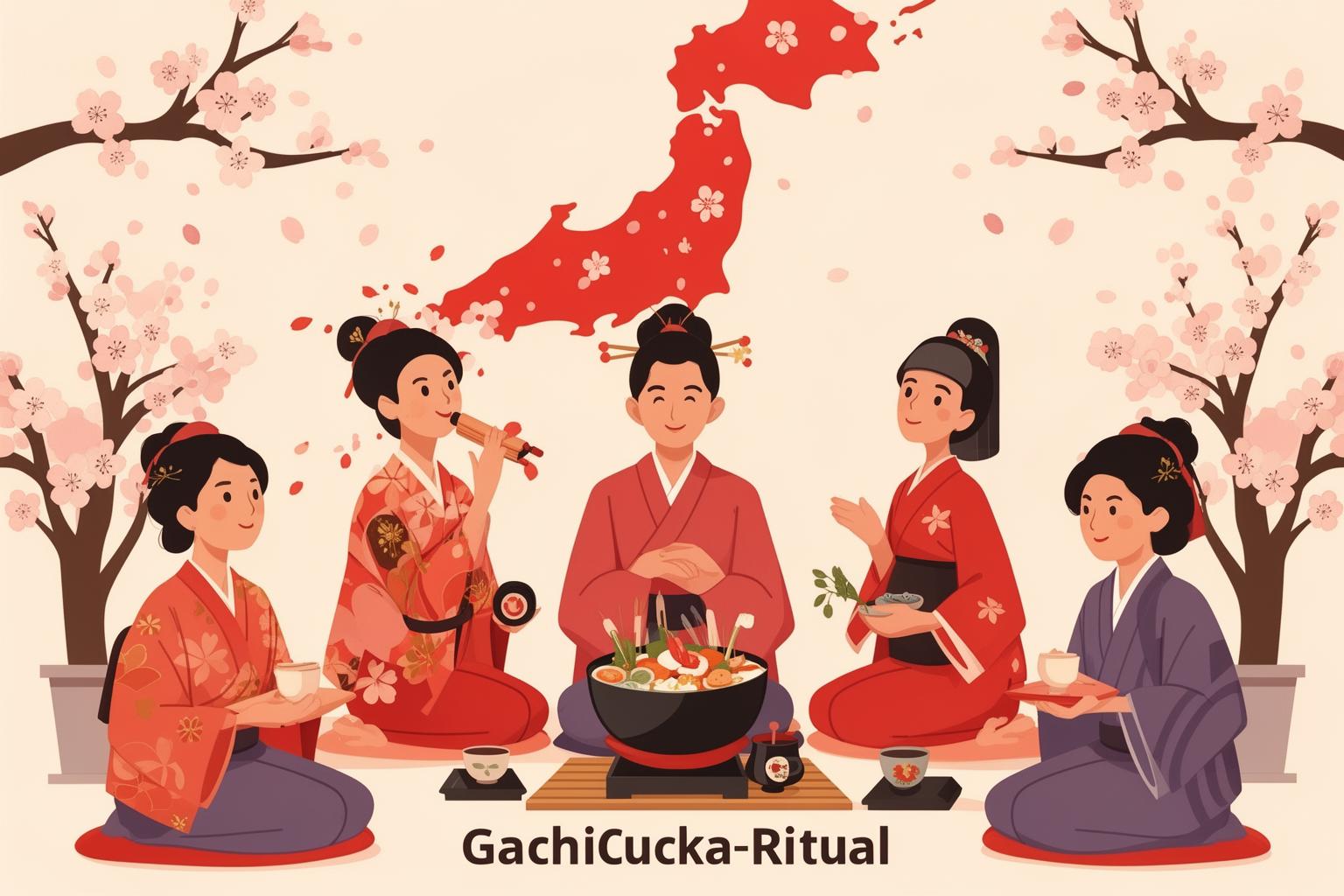
The appeal of Gachi-Chuka goes well beyond just the food. It’s a complete ritual, a miniature performance of culinary exploration that provides a refreshing break from the predictability of everyday life in Japan.
The experience starts with the hunt. These eateries are rarely located on main streets with flashy signs and plastic food displays. They’re hidden away. You might discover them through a niche food blog, a tip from a Chinese friend, or by casually wandering through a “deep” neighborhood like Ikebukuro’s north exit. The address might lead you to an unremarkable multi-tenant building. You take a shaky elevator to the third floor, where the doors open onto a corridor that hardly looks like it contains a restaurant. Finding the entrance is the first challenge.
Once inside, your senses undergo a complete reset. In a country where restaurants often feel quiet and orderly, a Gachi-Chuka spot can come off as controlled chaos. The air is thick with the aromatic smoke from the woks—a scent called wok hei, the prized “breath of the wok.” It’s a blend of sizzling metal, caramelized sugars, and vaporized sauces. The soundtrack consists of clattering chopsticks, the sizzle of frying oil, and the lively flow of Mandarin. It immediately signals that the usual rules of Japanese dining etiquette might not apply here. You are on someone else’s turf, and that’s exactly the point.
Next comes the menu challenge. It might be entirely in Chinese, or feature Japanese translations that are humorously literal or grammatically confusing. This isn’t a drawback; it’s part of the ritual. It encourages you to engage actively, to observe what other tables are eating, to point at pictures, or to rely on a translation app. This small struggle breaks the passive consumerism common in typical dining. You have to put in effort for your meal, and the reward feels well-deserved.
Finally, there is the act of eating. Much of this food is meant for sharing. A huge platter of spicy fried fish, a bubbling hot pot, a heap of cumin lamb ribs—these are not dishes for one person. They require communal dining, sharing plates, passing food, and embracing a little mess. It’s a noisy, interactive, and joyful way of eating that stands in sharp contrast to the individual bento boxes and ramen bowls characteristic of Japanese solo dining culture.
This entire process—the hunt, the sensory immersion, the menu puzzle, and the communal feast—is the ritual. It’s a miniature adventure, a 90-minute escape from the familiar. It’s precisely what diners crave as much as the food itself.
This trend isn’t about rejecting the old, comforting world of chūka. That cuisine remains beloved and isn’t going anywhere. Instead, Gachi-Chuka signifies a significant broadening of the Japanese palate and, by extension, the Japanese worldview. It reflects a country wrestling with its own identity in an increasingly interconnected world. For years, Japan was known for importing foreign cultures and skillfully adapting them to its own context. Gachi-Chuka signals a new confidence: a willingness to engage with the world as it is, in all its spicy, loud, and wonderfully unfiltered reality. The culinary map of Japan is being redrawn, one fiery, numbing, and authentic bite at a time.