Walk into any grand Japanese department store—the iconic Mitsukoshi, the elegant Takashimaya, the sprawling Isetan. The ground floor greets you with a hushed reverence. Impeccably dressed staff bow as you enter. Glass counters gleam, displaying luxury cosmetics, French scarves, and designer wallets. You ascend via silent escalators, moving through serene floors dedicated to high fashion, minimalist homewares, and exquisite art galleries. It’s a world of curated calm and sophisticated taste. Then, you head to the basement, and everything changes.
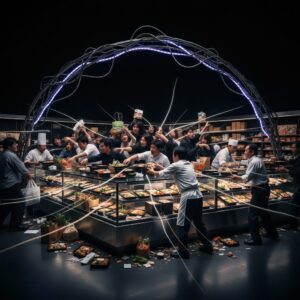
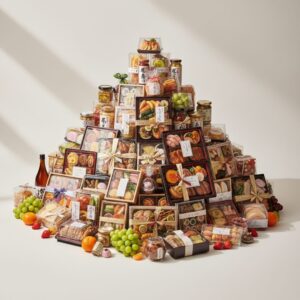
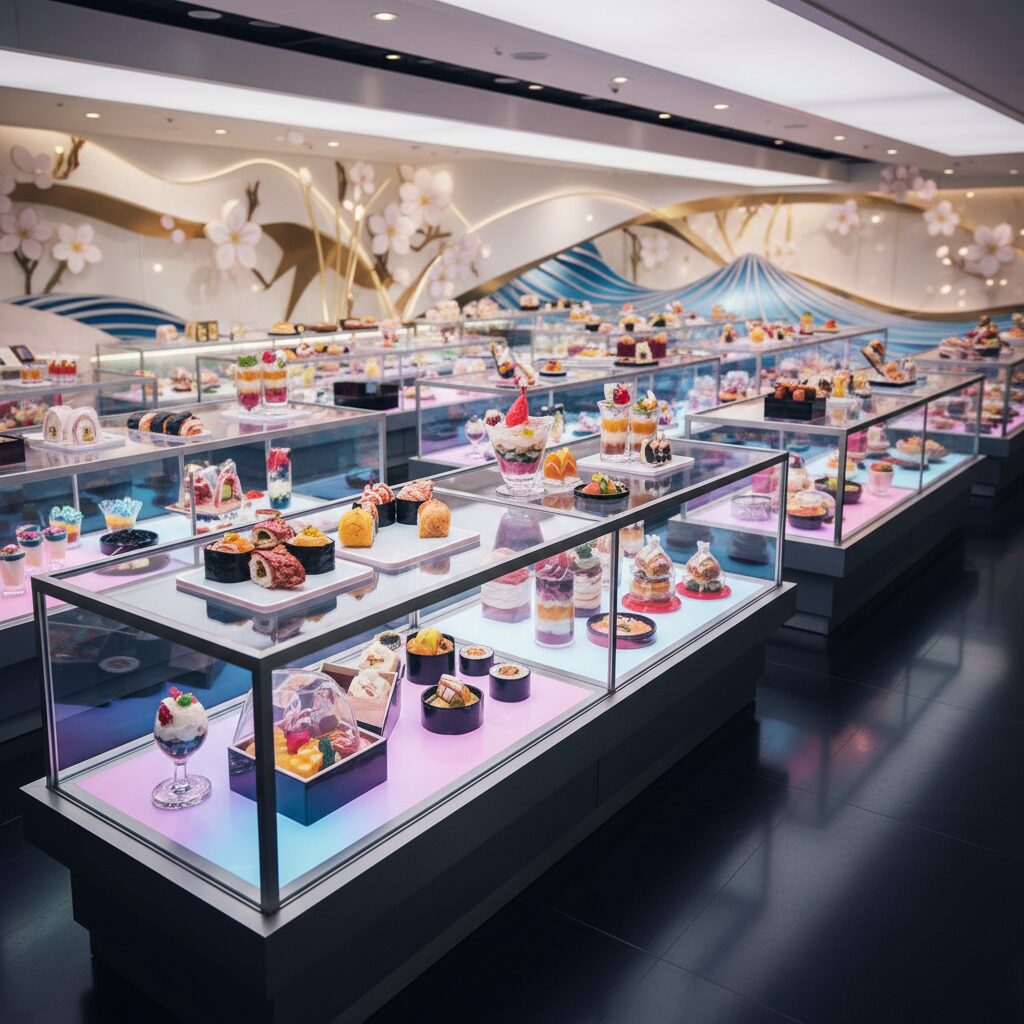
The moment the escalator deposits you underground, the atmosphere shifts from a tranquil temple of commerce to a joyous, high-energy festival of food. Welcome to the depachika. It’s a dazzling, labyrinthine world of a thousand perfect bites. One counter offers rows of glistening sashimi, each piece a tiny jewel. Turn a corner and you’re hit with the warm, buttery scent of a French patisserie pulling fresh croissants from the oven. Next to that, a legacy vendor sells impossibly intricate wagashi, traditional sweets shaped like seasonal flowers. There are pickles in a hundred shades of amber and green, premium bento boxes that look like works of art, free samples of grilled eel, and a sake section that could make a connoisseur weep. It is, without question, the most spectacular part of the store.
And this leads to the central, baffling question for anyone who experiences it for the first time: Why is this magnificent food paradise in the basement? In the West, the food hall is often a marquee attraction, placed in a bright, airy space on an upper level or the ground floor. Hiding your most vibrant and universally appealing offerings underground seems like a bizarre, almost counterintuitive business decision. But this isn’t a mistake. The location of the depachika is, in fact, a stroke of genius rooted in a century of urban development, railway history, and a deep understanding of the Japanese commuter’s daily rhythm. The answer to why it’s in the basement reveals more about modern Japan than you might expect.
The dazzling transformation of the basement not only redefines luxury shopping but also mirrors the innovative spirit found in Japan’s ingenious use of fake food, offering yet another glimpse into the country’s artful approach to culinary presentation.
A Train of Thought: The Birth of the Terminal Department Store
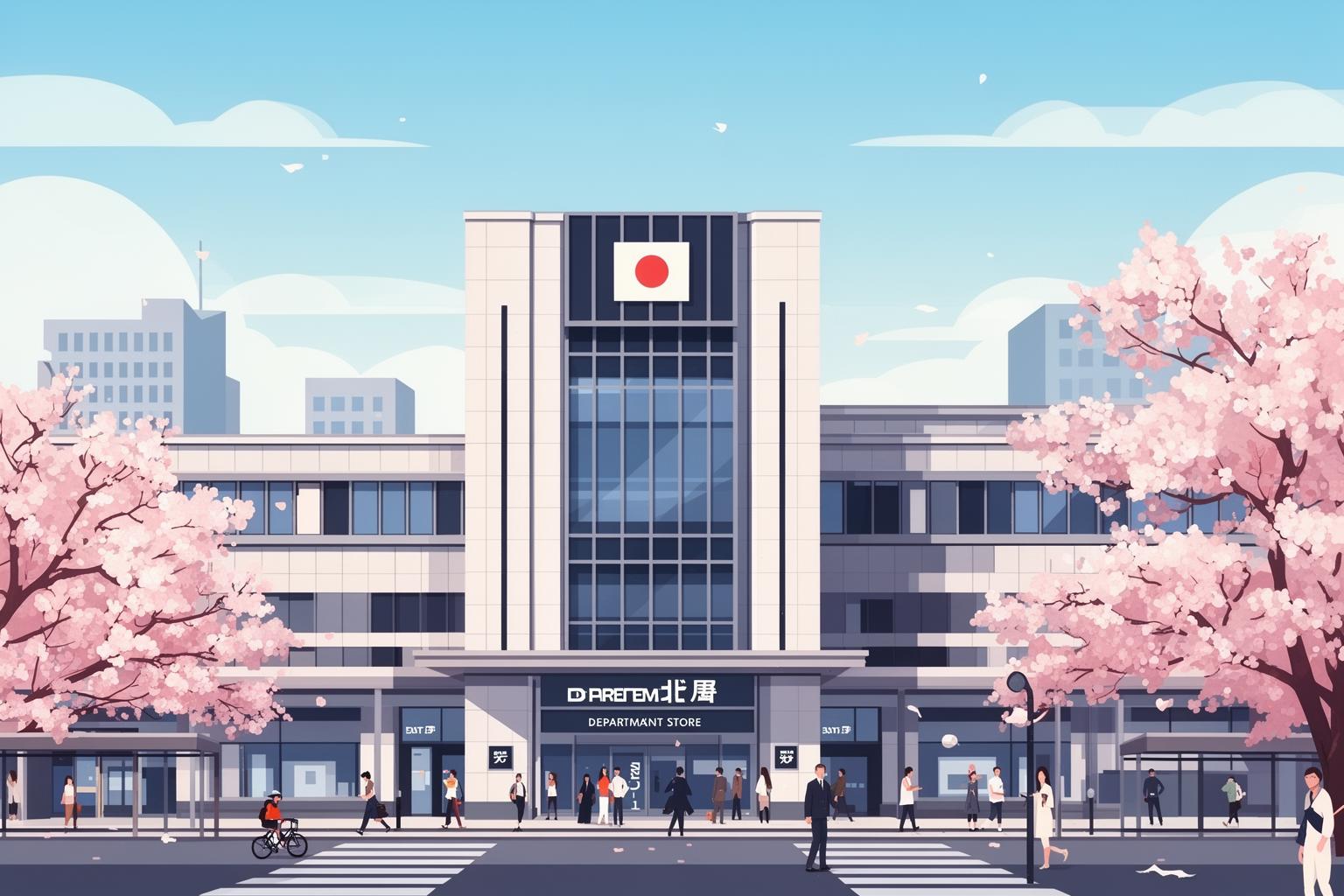
To truly understand depachika, you first need to grasp the concept of the Japanese department store, or depāto. Its essence is fundamentally distinct from Western counterparts like Harrods or Macy’s, which often started as independent drapery shops before evolving into grand retail palaces on city streets. Many of Japan’s most renowned department stores—Tokyu, Seibu, Odakyu, Hankyu—have a different backstory. They were not merely established in the city; they were literally constructed atop its transportation arteries.
These retail behemoths were founded by private railway companies in the early 20th century. As these companies extended their rail lines, bringing waves of commuters from the suburbs into the urban center, they sought to capitalize on the vast, valuable real estate around their terminal stations. Their solution was brilliantly straightforward: build a department store seamlessly integrated with the station itself. This gave rise to the uniquely Japanese phenomenon of the “terminal department store.”
This was more than just positioning a store near a station. The store and station functioned as a single, symbiotic entity. The aim was to capture the steady stream of people passing through the ticket gates every day. For these railway conglomerates, the department store was not merely a shopping destination; it was a way to create a captive audience and develop a commercial ecosystem built around their core transportation business. This historical context is the first and most vital piece of the puzzle. The entire store layout was designed to accommodate the flow of passengers disembarking from trains.
The Logic of the Basement Connection
Now, imagine the physical layout of a massive Tokyo train station such as Shinjuku or Shibuya. It resembles a sprawling underground city in itself, with numerous train and subway lines converging. The platforms lie deep underground, and passengers navigate through a maze of tunnels and corridors to reach the surface. The floor directly connected to these train station ticket gates is almost always the first basement level, known as the chika iikai.
This makes the basement the busiest floor in the entire building. It serves as the primary entry and exit point for millions of commuters each day. While the ground-level entrance on the main street may seem more impressive, the true flow of people streams through the basement. Locating the food hall here was not about hiding it; it was a strategic decision to place it directly in the path of the maximum possible number of potential customers.
This shifts the entire logic of the store’s layout. The basement isn’t the bottom; it’s the beginning. It’s the first thing you encounter upon arrival and the last thing you see before leaving. The depachika sits at the heart of urban movement, turning a daily commute into an opportunity for culinary enjoyment.
The Commuter’s Pantry
This strategic location perfectly aligns with the lifestyle of the typical Japanese urban professional. Imagine finishing a long day at the office: you’re tired, hungry, and the last thing you want to do is start cooking from scratch once home. As you walk from the train to the subway transfer, you pass through the depachika.
The sights and aromas are irresistible. Beautifully arranged bento boxes offer a complete, balanced, and delicious dinner. You might pick a main course of grilled fish, a side of simmered vegetables, and a small container of artisan rice. Or perhaps you need to buy a gift for a client the next day. The depachika offers hundreds of choices, from elegantly boxed cookies to rare seasonal fruits, all expertly wrapped by staff within minutes. Did a coworker announce their engagement? There’s a world-class patisserie with cakes ready to go. Hosting a spontaneous dinner party? You can assemble a gourmet meal from various delis—a bit of French terrine, some Chinese dumplings, a fresh salad—without ever turning on your stove.
This is the true role of the depachika: the ultimate high-end convenience store, seamlessly woven into daily life. It acts as a communal pantry for the city, a place where busy but quality-conscious residents can gracefully and stylishly solve the age-old “what’s for dinner?” dilemma. Its location makes this effortless. It’s not a special trip; it’s a small, delightful detour along a route you were already taking.
The Sensory Strategy: Why Basements Work Better

Beyond the undeniable strategic brilliance of its location, the physical characteristics of a basement offer unique advantages for selling food. By definition, a basement has no windows and lacks natural light. In the context of a food hall, this is an asset rather than a drawback.
With no competing daylight, retailers gain complete control over the lighting. They can employ precisely focused spotlights to make a slice of ruby-red tuna shimmer, to emphasize the delicate texture of a pastry, or to make a vibrant salad appear fresh and enticing. The entire space transforms into a perfectly illuminated stage where the food takes center stage. This dramatic presentation elevates the perception of quality and luxury, encouraging impulse purchases and ensuring everything looks its best, no matter the time of day.
Moreover, the enclosed basement acts as a sensory incubator. Aromas don’t dissipate into open air but instead blend together, creating an intoxicating cloud of culinary promise. The yeasty fragrance of baking bread from a premium bakery, the savory scent of grilled chicken skewers from a yakitori stand, and the sweet, sugary notes from a confectioner—all are contained, concentrated, and directed toward the customer. Positioning this aromatic crescendo on the third floor alongside Chanel handbags and bespoke suits would cause a chaotic clash. Within the self-contained basement environment, however, these scents become a powerful seductive tool that stimulates appetite and fosters an immersive atmosphere devoted solely to the enjoyment of food.
A World Apart: The Psychology of Descent
There is also a subtle psychological element to descending stairs. Moving from the calm, orderly, and somewhat formal upper floors into the vibrant, lively depachika feels like a real transformation. You leave behind quiet contemplation and enter a bustling marketplace.
This physical descent primes you for a different experience. It signals a shift from casual browsing to active foraging, from aesthetic appreciation to sensory indulgence. It becomes a treasure hunt. The lower ceilings, narrower aisles, and concentration of vendors create a sense of discovery and excitement distinct from the spacious luxury above. You feel as if you’ve uncovered a hidden trove, a secret cellar brimming with the city’s finest offerings. This feeling of being in a special, separate world encourages exploration and turns shopping into an adventure rather than a chore.
Freshness, Function, and the Cold Chain
Ultimately, there are highly practical and logistical reasons for situating the depachika in the basement that go unnoticed by the average shopper but are vital to its operation. Selling premium fresh food, particularly raw fish, meat, and delicate produce, demands a seamless and efficient supply chain.
Most large department stores feature extensive underground loading docks and service tunnels. Delivery trucks can pull directly into these subterranean areas, away from pedestrian traffic and congestion at the main entrances. This enables the rapid and discreet transfer of goods. Fresh ingredients can be delivered multiple times a day and moved straight into the basement’s refrigerated storage and prep kitchens.
This logistical arrangement is crucial for maintaining the “cold chain“—the continuous refrigeration that guarantees food safety and freshness from supplier to display. It is much more efficient to transport temperature-sensitive goods horizontally across a basement floor from a loading dock than to move them up several stories via service elevators. The basement location optimizes the entire back-of-house operation, ensuring customers receive food of the highest quality.
Conclusion: Not a Basement, But a Foundation

The depachika is not placed in the basement out of neglect; rather, it is deliberately and cleverly situated there. It serves as both the literal and symbolic foundation of the entire Japanese department store. This elegant concept stems from a unique history of railway-driven urbanism, positioning the most enticing products at the city’s busiest crossroads: the intersection between transportation and daily life.
Its underground setting allows for perfect sensory control, creating a theatrical food wonderland shielded from the outside world. It supports the complex logistics needed to offer thousands of fresh, perishable items. Most importantly, it caters to the modern commuter’s needs, providing a moment of joy, convenience, and epicurean pleasure during the daily journey home.
The depachika isn’t hidden—it’s firmly anchored. It’s the engine in the cellar, the vibrant, beating heart of the store, strategically located to capture the city’s constant flow. The next time you step into that glorious, bustling feast, you’ll realize you’re not just in a basement—you’re standing at the smartest intersection in all of retail.