Someone once asked me if Harajuku was “over.” They’d seen a documentary about the wild, expressive street fashion of the 90s and early 2000s and wondered if that rebellious energy still existed. It’s a fair question. The truth is, Harajuku isn’t a single, static idea. It’s an ecosystem with different territories. And if you want to find its modern, beating heart—the one that pulses with the frenetic, pop-infused energy of contemporary Japanese youth—you go to Takeshita Street. Forget what you think you know about refined Japanese aesthetics. This is the opposite. Takeshita Street is a 400-meter-long assault on the senses, a concentrated mainline of everything kawaii, colorful, and consumable. From the moment you step out of Harajuku Station’s charmingly old-fashioned wooden building and face the iconic archway, you’re pulled into a current of shrieking teenagers, saccharine pop music blasting from storefronts, and the intoxicating smell of sugar being caramelized. It’s not serene. It’s not subtle. It is, however, one of the most honest expressions of mainstream youth culture in Tokyo, a place that functions as both a playground and a laboratory for teenage identity.
Takeshita Street’s explosive display of youth culture finds an equally spirited counterpart in the vibrant tradition of ramen slurping, offering another glimpse into Japan’s unapologetic celebration of sensation and flavor.
The Architecture of a Sugar High
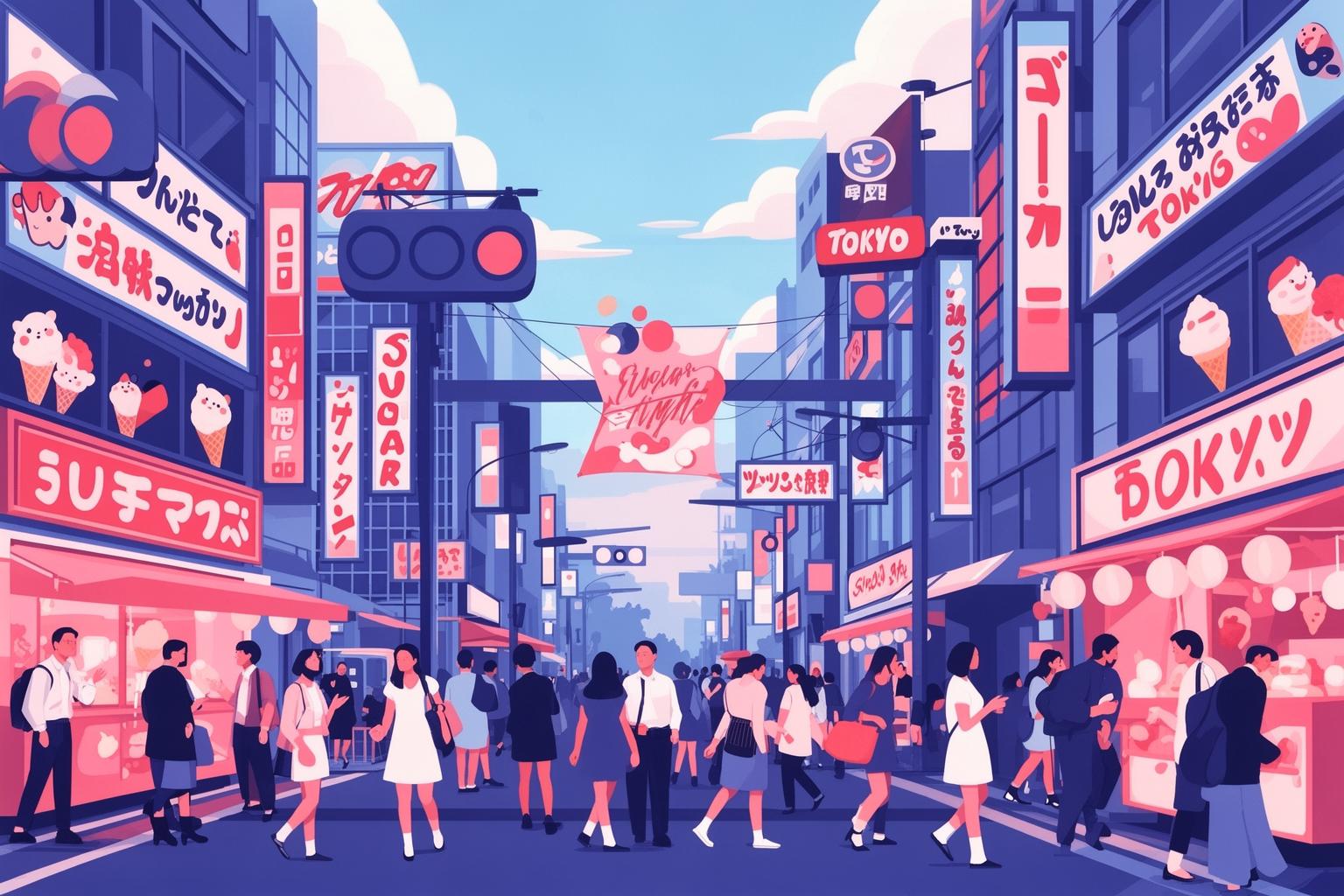
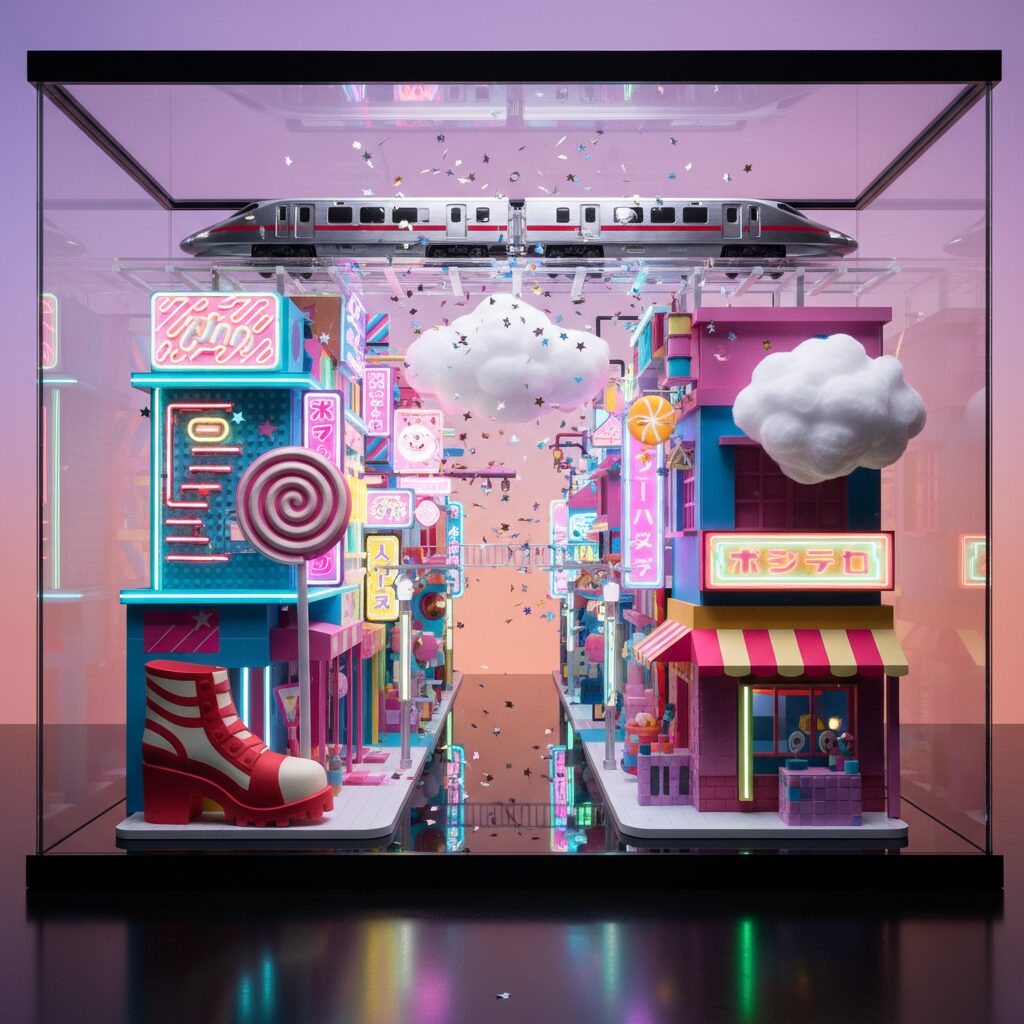
To truly grasp the essence of Takeshita Street, you need to decode its surroundings. The narrowness of the alley is key. It compels a continuous, dense stream of people, generating an energy rooted in shared experience. Here, solitude is impossible; you become part of a collective performance. The shops are stacked vertically, layered one atop another, with signs and displays vying for attention in a visual uproar. Minimalist restraint has no place here. Every inch is maximized to spark desire, laughter, or an Instagram moment. This is not merely retail; it’s a carefully designed stage set for the performance of youth.
Edible Entertainment
Food on Takeshita Street goes beyond sustenance—it’s a prop. The most iconic example is the Harajuku crepe. Watching one being prepared is part of the experience: the delicate spreading of batter, the artful placement of strawberries and cream, and the final expert fold into a handheld cone. It’s a brief culinary theater. But it doesn’t end there. Rainbow-colored grilled cheese sandwiches stretch into impossibly photogenic strings. Towering cones of cotton candy, spun in pastel shades, are bigger than your head. Animal-shaped ice cream, long coiled potato fries, and bubble teas in every imaginable flavor also abound. The unifying factor isn’t gourmet flavor but visual impact. These foods are crafted to be photographed and shared. Eating here becomes an act of content creation, a way to broadcast your participation in this vibrant youth culture. It’s like a temporary tattoo that says, “I was here. I joined in.”
The Uniform of Individuality
Parallel to Harajuku’s main street lies Omotesando, a broad avenue lined with flagship stores from global luxury brands. Takeshita Street is its polar opposite. Fashion here is fast, affordable, and boldly experimental. It’s the realm of middle and high school students who show up in their dark, conservative school uniforms, slip into a shop, and emerge transformed. The stores cater to a rich variety of niche aesthetics. You’ll find shops packed with pastel wigs and frilly dresses reminiscent of Lolita fashion. Others offer punk-inspired plaid skirts and chain accessories. Some focus entirely on colorful socks, imported K-pop merchandise, or oversized graphic-heavy T-shirts dominating current streetwear trends. The aim isn’t to conform to a single, unified subculture as in the past. It’s about modular identity. A student may combine a frilly blouse with ripped jeans and platform sneakers, creating a unique collage of styles. This space lets them experiment, try on different personas for an afternoon, before swapping back into their school uniforms for the ride home.
The Ritual of Purikura
Hidden within the buildings, often up a narrow staircase, lie the glowing sanctuaries of purikura. These are far more than photo booths. They function as high-tech studios dedicated to curating friendship and self-image. Groups of friends, mostly girls, squeeze into a booth, posing against a green screen. The magic unfolds afterward, in the editing area outside. Using touch screens and styluses, they digitally enhance their images—enlarging eyes, smoothing skin, adding playful stickers, and writing messages. The resulting photo strip becomes a hyper-idealized token of their bond. This process is a collaborative ritual filled with laughter, debates over which filter works best, and selecting the perfect digital sparkle combination. The final product is cut up and shared as a tangible memento of their shared experience. In an era dominated by fleeting digital stories, the printed purikura sticker remains a treasured form of social currency among Japanese teenagers.
A Space for the In-Between
So, who exactly is this all for? Although Takeshita Street has undeniably become a major tourist attraction, its main audience has always been—and continues to be—Japanese teenagers. In particular, it serves as a sanctuary for those navigating the awkward, formative years between childhood and young adulthood. It’s a space created for them, on their own terms, and largely free from direct adult oversight.
The First Taste of Freedom
For many junior high and high school students in Japan, visiting Takeshita Street is a significant rite of passage. It’s often one of their earliest experiences navigating the extensive Tokyo train network and exploring the city alongside friends, without any parents around. Their budgets tend to be limited, supported by their modest monthly allowances (okozukai). Everything on the street is priced with this in mind: a crepe for 500 yen, a cute pair of earrings for 300 yen, a set of purikura for 400 yen. This creates a micro-economy of affordable treats, offering a sense of independence and consumer power. It allows them to make their own choices—however small—about what to eat, what to wear, and how to present themselves. It’s a controlled, safe space to practice growing autonomy.
Anonymity in the Crowd
The overwhelming throng of people on Takeshita Street plays a vital social role: it grants anonymity. In a culture that often stresses group harmony and conformity—especially within the strict frameworks of school and family—Harajuku offers a temporary reprieve. Here, a teenager can sport an outrageous outfit or dye their hair a vivid color for the weekend without facing the intense scrutiny they might encounter in their own neighborhood. Surrounded by thousands of others also experimenting with boundaries, their unique eccentricities become part of a collective, colorful norm. This freedom from judgment allows the street to serve as a testing ground for identity. It’s a place to be seen, but not necessarily recognized.
The Commercialization of Cool
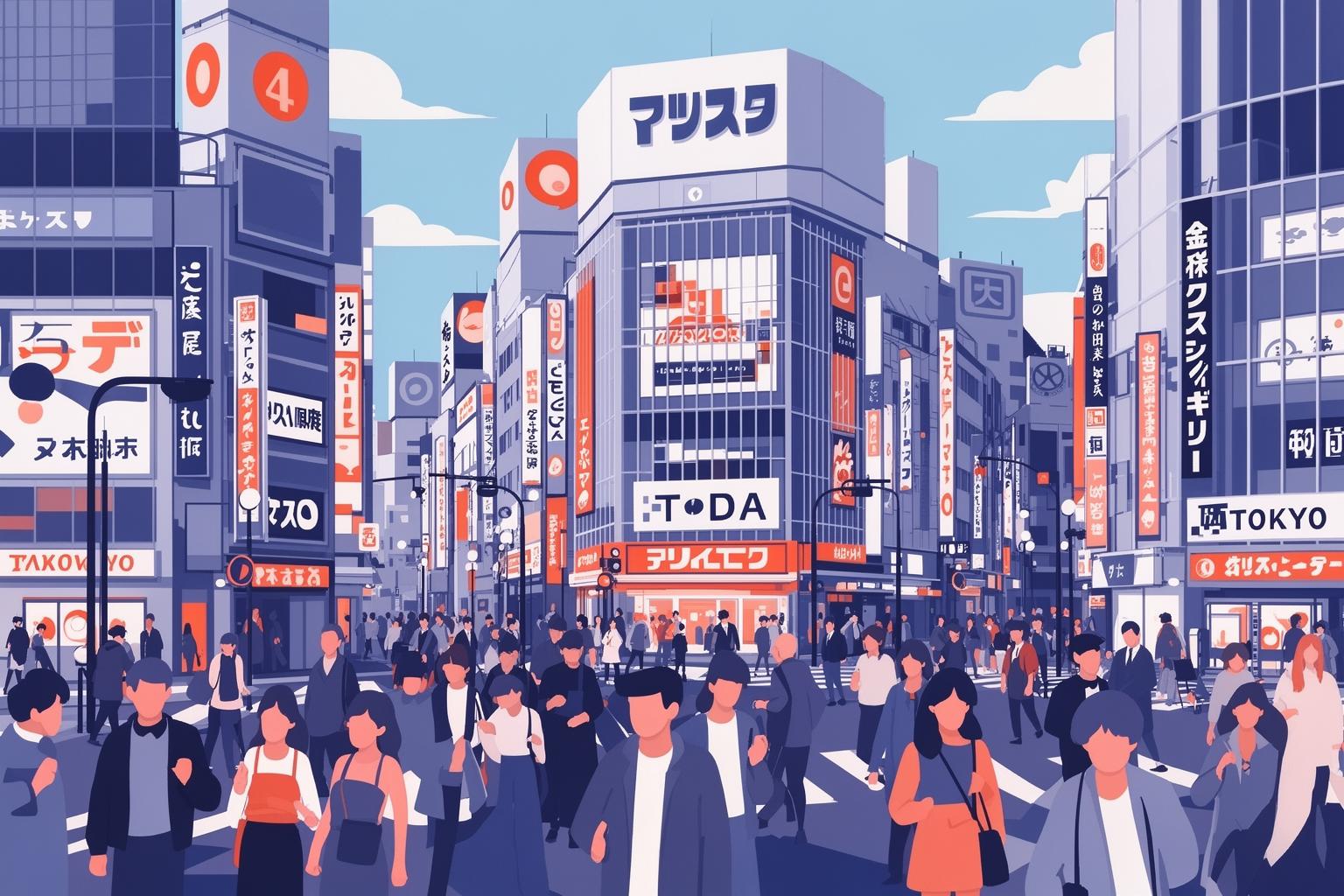
Discussing modern Takeshita Street is impossible without recognizing its transformation. The Harajuku of worldwide renown, as featured in magazines like FRUiTS in the late 90s, was a more organic, grassroots movement. It served as a gathering spot for unique, highly creative subcultures—Decora, Visual Kei, Lolita—that defined themselves in opposition to mainstream culture. Today, the street has a different atmosphere. It has evolved into a global brand.
From Subculture to Spectacle
The very elements that made Harajuku feel genuine and rebellious have been commercialized and repackaged for a broader audience. The rainbow palette, the intense layering, the celebration of all things cute—these have become familiar tropes equally recognized by a tourist from Ohio and a high schooler from Saitama. Large chain stores have taken root alongside small independent boutiques. The idol shops, which once exclusively sold merchandise for Japanese pop groups, now prominently feature K-pop bands, reflecting changing tastes among their young customers. The street has shifted into more of a spectacle, a theme park of Japanese youth culture rather than simply a place where it organically unfolds.
Is It Still Authentic?
This brings us back to the key question: Has it ended? Has it sold out to commerce and tourism? Perhaps, but that’s an overly simplistic interpretation. The fundamental role of Takeshita Street endures. Japanese teenagers still fill it in large numbers, especially on weekends and after school. They navigate the crowds of tourists with practiced skill, heading to favorite crepe stands or purikura booths. They are not merely passive consumers of a commodified culture; they are active participants. They are self-aware and understand that the street is a performance, and they embrace it. The global audience’s presence doesn’t necessarily diminish their experience; in some respects, it intensifies it. They perform their youth not only for each other but for the world. While the street may have become a caricature of itself, it remains a caricature that its primary users still find meaningful, joyful, and freeing. It continues to be their space—a chaotic, sweet, and utterly essential stage for the messy, brilliant process of growing up.