Someone recently asked me to explain oshi-katsu. On the surface, it’s simple. The word “oshi” (推し) comes from the verb “to push” or “to endorse.” It’s your favorite, the one you champion. This could be an idol singer, a voice actor, a character from an anime, or even a stage performer in a niche theater troupe. “Katsu” (活) simply means “activities.” So, oshi-katsu is engaging in activities to support your favorite. Easy enough, right? But that definition is like describing an iceberg by its tip. It completely misses the colossal, life-altering mass lurking beneath the surface. Oshi-katsu isn’t just a hobby; for a significant and growing number of people in Japan, it’s a framework for life itself. It’s a complex system of ritual, community, and economic exchange that bears a striking resemblance to organized religion. It’s a pursuit of purpose that can be both exhilarating and financially ruinous, a source of profound community and crushing loneliness. To understand oshi-katsu is to understand a powerful undercurrent in modern Japanese society—a search for meaning, connection, and control in a world that often feels like it offers very little of each. It’s not about being a fan. It’s about being a devotee.
The intricate balance of devotion, community, and personal sacrifice in oshi-katsu resonates with the nostalgic rhythm of 80s city pop, reflecting a broader cultural dialogue in modern Japan.
The Anatomy of Devotion: Rituals and Currency
To those unfamiliar with it, the behaviors tied to oshi-katsu may appear extreme. However, within its own framework, each action is a deliberate step toward a single purpose: supporting the oshi. This support takes shape through a highly organized set of activities that form the foundation of the devotee’s life. It’s a cycle of earning, spending, and participating that gives daily life a distinct and compelling rhythm.
The Sacred Trinity: Goods, Gacha, and Events
At the center of oshi-katsu are three core pillars of engagement. The first is “goods” (グッズ, guzzu), an endless flow of official merchandise. This goes beyond casual souvenir collecting; owning merchandise is a tangible form of financial support and a physical representation of loyalty. The most common items include acrylic stands (called akusuta), keychains, pin badges, and clear files. These items aren’t simply purchased and stored; they serve as tools of expression. Fans create elaborate shrines in their rooms, meticulously arranging acrylic stands and photos into displays that rival religious altars. A particularly iconic example is the ita-bag (“painful bag”), a handbag or backpack with a clear vinyl window on one side, crammed with badges and keychains of a single character, creating a portable shrine that openly demonstrates one’s devotion. Decorating these bags is itself a ritual, a labor of love carried out with great care.
Adding an element of hectic energy to merchandise collecting is the gacha system. Many of the most coveted items, especially pin badges and keychains, are sold in blind packaging. Buyers don’t know which character or design they’ll receive until they open it. This lottery-style system, borrowed from capsule toy machines, turns collecting into a form of gambling. The excitement of pulling your oshi is huge, but the more frequent result is accumulating duplicates and characters you don’t support. This is not a flaw; it’s the driving force of the community. It compels fans to interact, to trade online and at event venues, creating a micro-economy rooted in desperation and camaraderie. “Are you looking for him? I’ll trade you two of these for him.” This simple phrase has sparked countless friendships in the crowded lobbies of concert halls.
Lastly, there are the events—pilgrimages of sorts. Concerts, fan meetings, and particularly handshake events (akushukai) are the high holidays of the oshi-katsu calendar. These occasions are when the divine meets the mortal. Securing a ticket often involves a struggle, with lotteries, fierce online competition, and steep resale prices. For many fans, attending an event requires careful planning and significant expense, sometimes taking bullet trains across the country for a brief two-hour concert or, in the case of handshake events, a mere ten-second interaction. This fleeting moment of direct contact is the ultimate reward, the blessing that makes all the sacrifice worthwhile. It affirms their identity as a supporter and replenishes their devotional energy for the next cycle.
The Economics of Belief
There’s no denying that oshi-katsu is an expensive belief system. It operates on the core idea that money equals love—or more precisely, that money is the most direct and effective way to show support. Fans often openly restructure their entire financial lives around their oshi. They take on extra part-time jobs, cut back on personal luxuries, and carefully budget for upcoming merchandise releases or concert tours. This isn’t considered frivolous spending; it’s an investment in their oshi’s career.
This approach is most evident in the practice of “stacking CDs” (CD wo tsumu). In the idol group world, CD sales are a crucial popularity metric. To encourage bulk buying, CDs frequently include lottery tickets for concert seats or, more commonly, tickets for handshake events. Want a better chance at a good seat? Buy more CDs. Want more time with your oshi, even if just another ten seconds? Buy more CDs. It’s not unusual for dedicated fans to purchase hundreds of copies of a single album, keeping the inserts and discarding the plastic discs. The CDs themselves are not the product; access is the product. Similarly, many idol groups hold annual “elections” where fans vote for their favorite members to determine their ranking and prominence within the group. Voting slips are, of course, included in CDs. This system creates a direct transaction: the more money a fan spends, the more they can directly influence their oshi’s success. It transforms the fan from a passive consumer into an active patron, a shareholder in their idol’s future. Their spending becomes an offering, a tribute paid to ensure their deity continues to shine.
The Purpose-Driven Life: Psychology and Society
Why does this all-encompassing lifestyle have such a strong appeal? The intensity of oshi-katsu cannot be explained by mere entertainment value alone. It responds to deeper psychological and social needs, offering a powerful sense of purpose, community, and emotional stability in a society that often feels isolating and rigid.
Finding Meaning in a Measured World
Japanese society typically presents a highly structured, predictable life path: study hard, enter a good university, join a reputable company, work long hours, get married, and repeat. While stable, this path can feel impersonal and oppressively predetermined. Oshi-katsu provides an alternative realm where personal efforts yield immediate, tangible results. It is a self-directed endeavor with clear goals: get the oshi to the top of the charts, sell out their next concert, help them secure a role in a new drama. The methods are equally clear: purchase merchandise, stream their music, vote in polls. Within this world, passion and financial support have a direct, measurable impact. Fans can observe the fruits of their dedication through sales figures and popularity rankings.
This grants a profound sense of agency and purpose often absent in other aspects of life. A junior office worker may have little control over their career path, but as a fan, they play a crucial role in their oshi’s rise to stardom. This feeling of contributing to something greater than oneself is highly motivating. It offers structure to otherwise empty hours and a goal to save toward, turning the repetitive cycle of daily work into a means to a more rewarding end. The next concert is always upcoming, the next merchandise release a date to mark on the calendar. Oshi-katsu fills the void with a rich and demanding schedule of devoted activities.
The Safe Harbor of a Parasocial Bond
The relationship between a fan and their oshi forms the emotional heart of the experience. It is a parasocial relationship—one-sided and mediated—but experienced with genuine intensity. The oshi often represents an idealized figure embodying qualities the fan admires: perseverance, talent, cheerfulness, and a kind of curated purity. By supporting the oshi, the fan feels they are championing these virtues. Their success becomes a personal triumph, their struggles a shared hardship. The fan’s happiness is intrinsically tied to the oshi’s career milestones.
Importantly, this relationship is safe. It provides emotional highs—pride, joy, affection—without the complications and risks of real interpersonal dynamics. Japanese communication is famously nuanced, with a divide between public-facing truth (tatemae) and private feelings (honne). Navigating this can be draining. The oshi presents a consistent, professionally managed persona. They won’t argue, disappoint, or demand emotionally complex responses. Instead, they offer a stable, one-directional stream of positive emotion. For many, this is a comforting and powerful alternative to the unpredictable nature of romantic or platonic relationships. It is a love affair with an ideal that can never truly let you down, as its terms are perfectly controlled.
Community and Identity: Finding Your In-Group
While the relationship with the oshi is parasocial, connections with fellow fans are very real. Oshi-katsu is deeply communal. Far from being an isolating obsession, it serves as a gateway to finding a tribe. Fans of the same group or individual instantly share a powerful common language and a set of shared goals. They connect on social media to exchange information, strategize voting campaigns, and celebrate each small victory. At events, they trade merchandise, compliment each other’s ita-bags, and revel in the collective euphoria of the concert.
This creates a strong sense of belonging—an uchi (in-group)—where their passion is not only accepted but forms the very foundation of their bond. In a society that highly values group harmony, finding one’s place is essential. Oshi-katsu offers a ready-made community united by a pure, uncomplicated love. Within this space, often substantial spending and time commitments are normalized and validated. Everyone understands the thrill of pulling a rare item from a gacha pack or the need to buy another ten CDs. This shared identity is a powerful force, forging friendships and support networks that extend well beyond the concert hall.
A Modern Religion in the Making
The language, rituals, and emotional intensity of oshi-katsu often provoke an inevitable comparison: religion. The similarities are not merely surface-level; they extend deeply into the core of the belief system. For many, supporting their oshi serves the same purpose that traditional faith might for others, offering a moral compass, a sense of community, and a transcendent object of worship.
The Pantheon of Idols
Within this context, the oshi acts as a deity. They are portrayed as existing on a higher plane than ordinary people—more beautiful, more talented, and untouched by the mundane realities of everyday life. Their public image is carefully curated to preserve an aura of purity and otherworldliness. Fans refer to them with a reverence usually reserved for religious icons. Encountering them in person is regarded as a “blessing.” Their words are treated like scripture, meant to be studied and cherished. The merchandise, consequently, becomes religious iconography. Acrylic stands on a fan’s altar resemble statues of saints; photo cards carried in wallets function as holy cards. Financial contributions are akin to tithing, offerings given not just in hope of a reward (such as a prime concert seat), but out of a sense of responsibility to uphold the divine.
Rituals of Communion and Purity
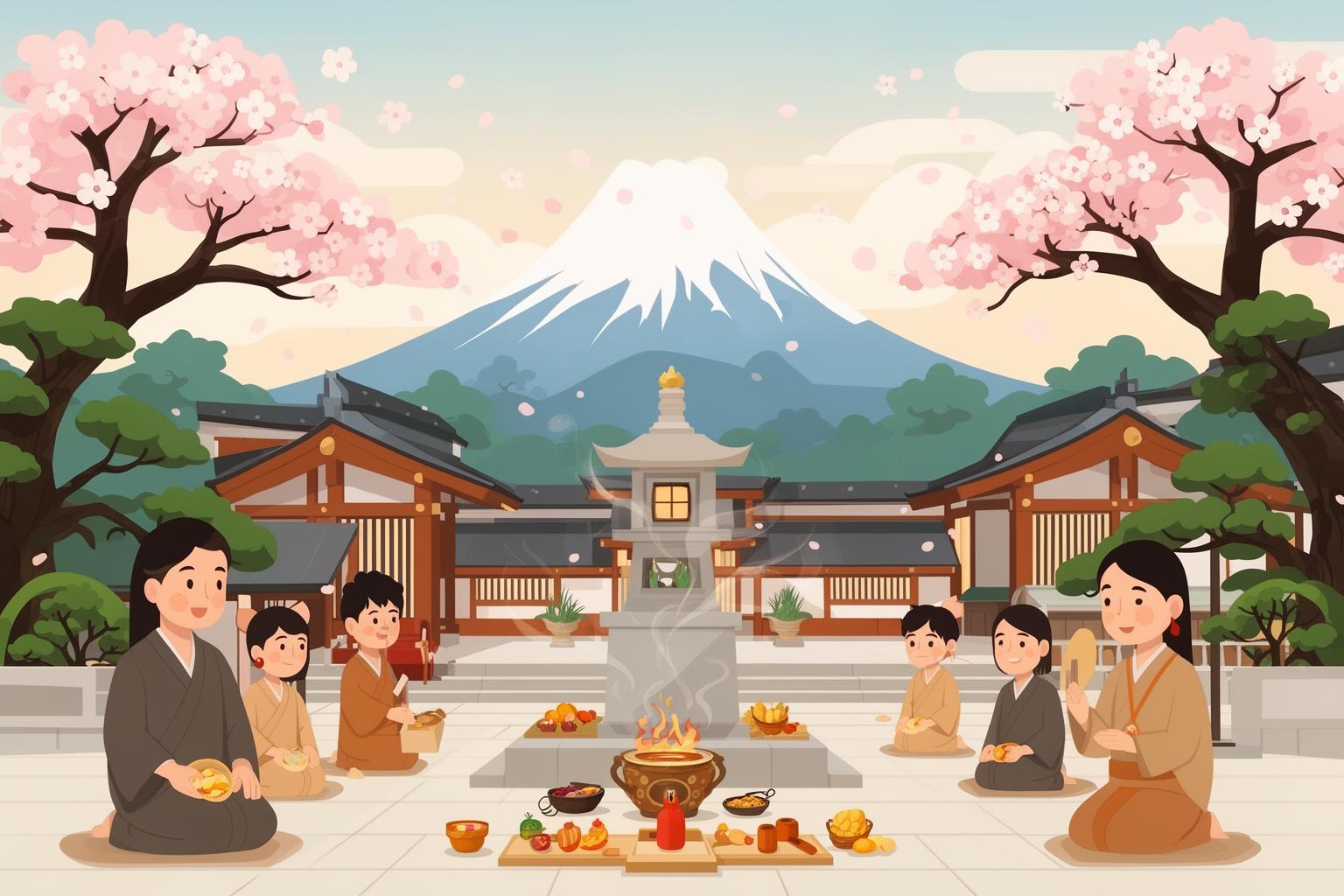
A fan’s life is organized around rituals that reinforce this devotion. Before a concert, purification rites take place: wearing the oshi’s official color, carefully preparing an uchiwa (a decorated fan displaying the oshi’s name), and mentally readying oneself for the event. The concert itself serves as the communal service. The coordinated waving of colored penlights in a darkened arena forms a striking visual of collective worship. The synchronized call-and-response chants constitute a liturgy familiar to every member of this congregation. It is a transcendent experience, a moment where thousands of individuals unite into a single, ecstatic entity, all focused on the figures on stage.
This is why scandals, especially those involving romance, are so devastating. An idol revealing a secret relationship is not merely a celebrity gossip story; it is an act of blasphemy. It breaks the carefully maintained illusion of purity. The idol is meant to be a vessel for the fans’ collective devotion, devoted solely to their craft and followers. A romantic partner introduces a rival for that devotion and exposes the idol as, ultimately, a mortal with a complicated private life. This is perceived as a betrayal of the unspoken contract. Fans invest their money and emotions in a pure ideal, and the disclosure of this “impurity” can trigger a crisis of faith, resulting in anger, disillusionment, and the immediate destruction of merchandise—a symbolic desecration of now-worthless icons.
Oshi-katsu as a Way of Life
What was once a niche subculture has now firmly entered the Japanese mainstream. The term “oshi-katsu” is everywhere. Businesses have been quick to leverage this powerful consumer trend. There are now cafes with special lighting and backdrops for photographing acrylic stands, hotels offering unique “oshi-katsu” plans featuring projectors to watch concert DVDs, and an entire industry of accessories designed specifically for storing and displaying merchandise. It is no longer a secret shame but a proud and public aspect of one’s identity—something to discuss with colleagues and celebrate with friends.
This lifestyle is a double-edged sword. On one hand, it brings immense joy, purpose, and community to many people. It provides a steady source of happiness and motivation to work hard. The friendships formed through fandom can be deep and enduring. But there is a darker side. The financial pressure can be overwhelming, leading to debt and an unhealthy neglect of other areas of life. The emotional investment is so intense that the retirement of an oshi, or a scandal, can provoke a genuine and profound crisis—a loss of meaning comparable to the death of a family member. The entertainment industry thrives on monetizing this devotion, and the boundary between support and exploitation can be dangerously thin.
Ultimately, oshi-katsu is a complex and deeply human response to the stresses of modern life. It is a search for something to believe in, a community to belong to, and a way to feel that one’s existence matters. It channels a deep-rooted need for devotion into a system that is both brilliantly effective and ruthlessly demanding. It is a quasi-religious pursuit where the temples are concert halls, the scriptures are social media posts, and the gods are impossibly charming, hardworking young people smiling under the stage lights.