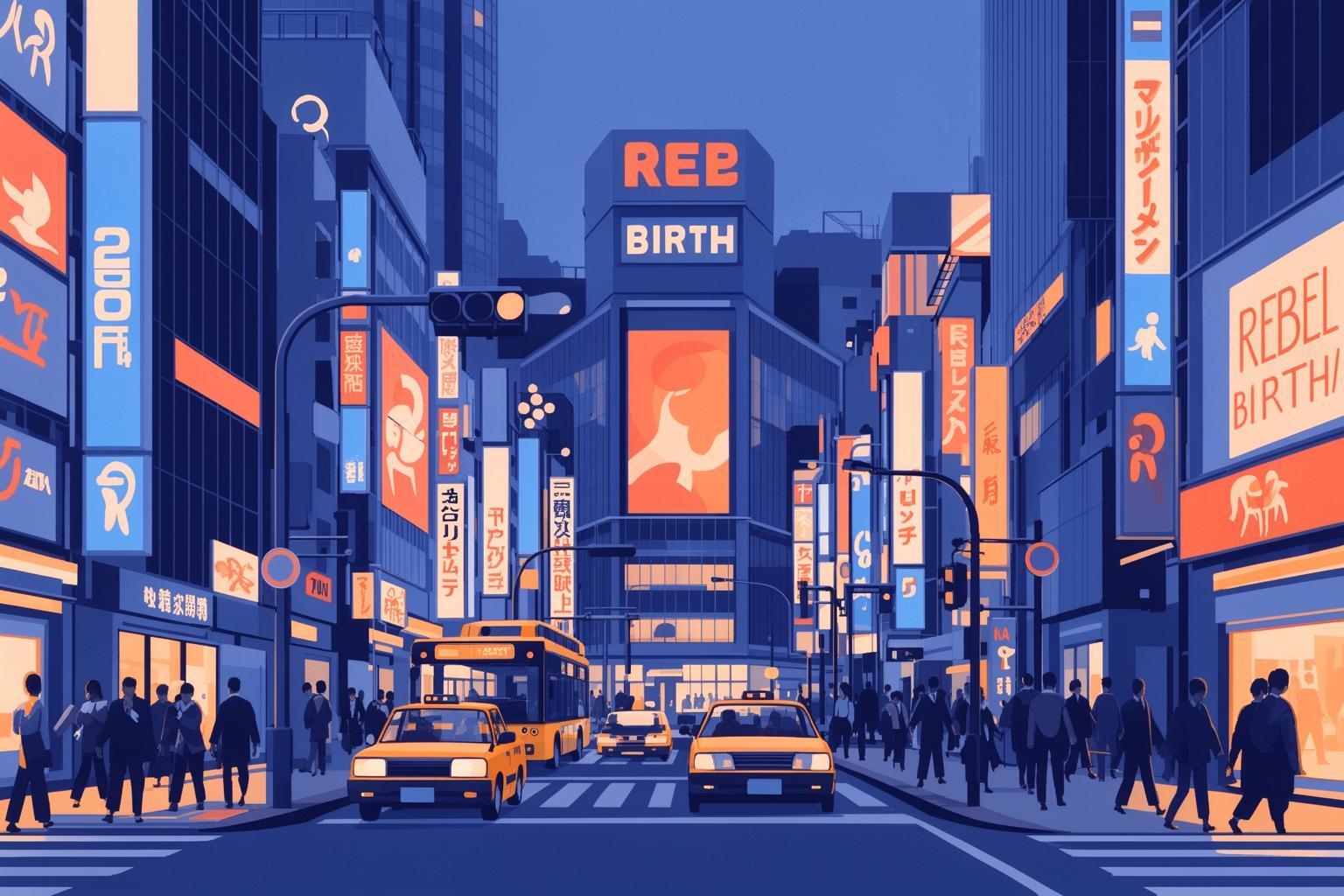
Stand in the middle of the Shibuya Scramble Crossing, and your senses will overload in about ten seconds. The tidal wave of people, the colossal video screens blasting commercials, the disembodied voice from the station loudspeaker—it’s a glorious, neon-drenched chaos. But for an entire generation of young Japanese women, one building in that chaotic landscape was the undeniable center of the universe: a tall, silver cylinder emblazoned with three iconic numbers. Shibuya 109. You couldn’t miss it then, and you can’t miss it now. From the outside, it might just look like another mall. But to understand Tokyo in the late 1990s and 2000s, you have to understand that this building wasn’t just a place to shop. It was a cathedral of subculture, a laboratory for radical self-expression, and the undisputed epicenter of a fashion movement that shocked and captivated Japan.
This wasn’t where your mother bought her sensible blouses or where you went for polite family outings. This was a vertical world built by and for teenage girls, a place where the rules of mainstream society were gleefully ignored. It was the physical heart of gyaru culture, a loud, glamorous, and often controversial style that championed tanned skin, bleached hair, and an unapologetic celebration of feminine power. To walk through its doors during its golden age was to step into a different reality, one powered by high-tempo Eurobeat music and the ambitions of a million Japanese girls looking to invent themselves. Shibuya 109 wasn’t just selling clothes; it was selling an identity. And for a dizzying decade, it was the most influential fashion address in the country.
The subculture that made Shibuya 109 a beacon of radical self-expression also paved the way for the Famicom generation’s unconventional nightlife, where defying tradition was as routine as catching a train at midnight.
A Rebel Birth in a World of Tradition
To understand why 109 was so groundbreaking, you need a clear image of Japanese retail before its arrival. The dominant forces were the grand, old-fashioned department stores, the depāto. Think of places like Mitsukoshi or Takashimaya—elegant, multi-story establishments that served the whole family but primarily a respectable, conservative adult clientele. Shopping there was a formal experience. The staff were impeccably polite and restrained, the music was soft classical or jazz, and the clothing was tasteful and safe. They embodied the establishment, promoting a vision of quiet, conforming prosperity.
When Shibuya 109 opened in 1979, it marked a deliberate and radical departure from that tradition. Its very design—a cramped, vertical cylinder directing shoppers onto escalators winding past dozens of tiny boutiques—stood in stark contrast to the spacious, leisurely depāto. The name itself was a clever piece of Japanese wordplay; “109” can be read as ichi-maru-kyu, but also as tō-kyū, referencing its parent company, the Tokyu Group. From the start, it was envisioned as a “Fashion Community” exclusively for young women in their teens and twenties.
At first, it was a slow burner. But by the 1990s, as Japan’s bubble economy burst and a new generation sought an identity beyond the rigid corporate culture of their parents, 109 was ideally situated. It didn’t try to please everyone. It concentrated all its energy on one demographic, creating a space that felt entirely their own, free from adult world judgment.
The Gyaru Kingdom: Inside the Golden Age
Entering Shibuya 109 in 2002 was an all-encompassing sensory experience, and it was absolutely exhilarating. The moment the doors slid open, you were engulfed by a wall of sound. Each tiny boutique, packed tightly side by side, blasted its own high-energy Eurobeat or J-pop soundtrack, creating a chaotic, pulsating symphony that resonated through the floor. The air was heavy with the scent of hairspray and sweet perfume. Everywhere you looked, there were girls—masses of them, dressed in the latest fashions, chatting animatedly, their platform boots clomping on the linoleum floors.
This wasn’t just a casual shopping trip. It was immersive and intense. The stores were small, fostering an intimacy and vibrancy that larger shops could never match. The sheer concentration of trends spread across ten floors was overwhelming. One floor might showcase the sexy, glamorous “onee-gyaru” style, while another featured the extravagant, cartoonishly cute “hime-gyaru,” or princess look. It was a living catalog of every imaginable variation of gyaru fashion.
Charisma Staff: The Shop Girls as Gods
The true magic of 109, the secret element that transformed it from a mall into a cultural phenomenon, was the shop staff. Known as karisuma ten’in, or “charisma staff,” these were far from your typical retail employees; they were the high priestesses of the gyaru faith.
Inside 109, brands carefully selected girls who perfectly captured their aesthetic. These girls weren’t merely folding clothes or handling transactions; they were living mannequins, stylists, and idols all in one. With their perfectly styled bleached hair, flawless makeup, impossibly long decorative nails, and head-to-toe branded looks, they were icons. Teenage girls would make pilgrimages to 109 not just to buy a dress, but to see their favorite staff member from brands like Egoist or Cecil McBee. They’d ask for styling advice, take photos, and try to replicate their entire appearance.
These charisma staff rose to celebrity status in their own right. They were prominently featured in must-read magazines of the era such as egg, Popteen, and Cawaii!, modeling their store’s latest arrivals and sharing beauty tips. They maintained popular blogs about their lives, drawing even more fans to the store. This created a powerful, self-sustaining cycle of influence long before Instagram existed. A single charisma staff member wearing a new item could cause it to sell out within hours. They were the original fashion influencers, and their stage was Shibuya 109.
The Uniforms of Rebellion
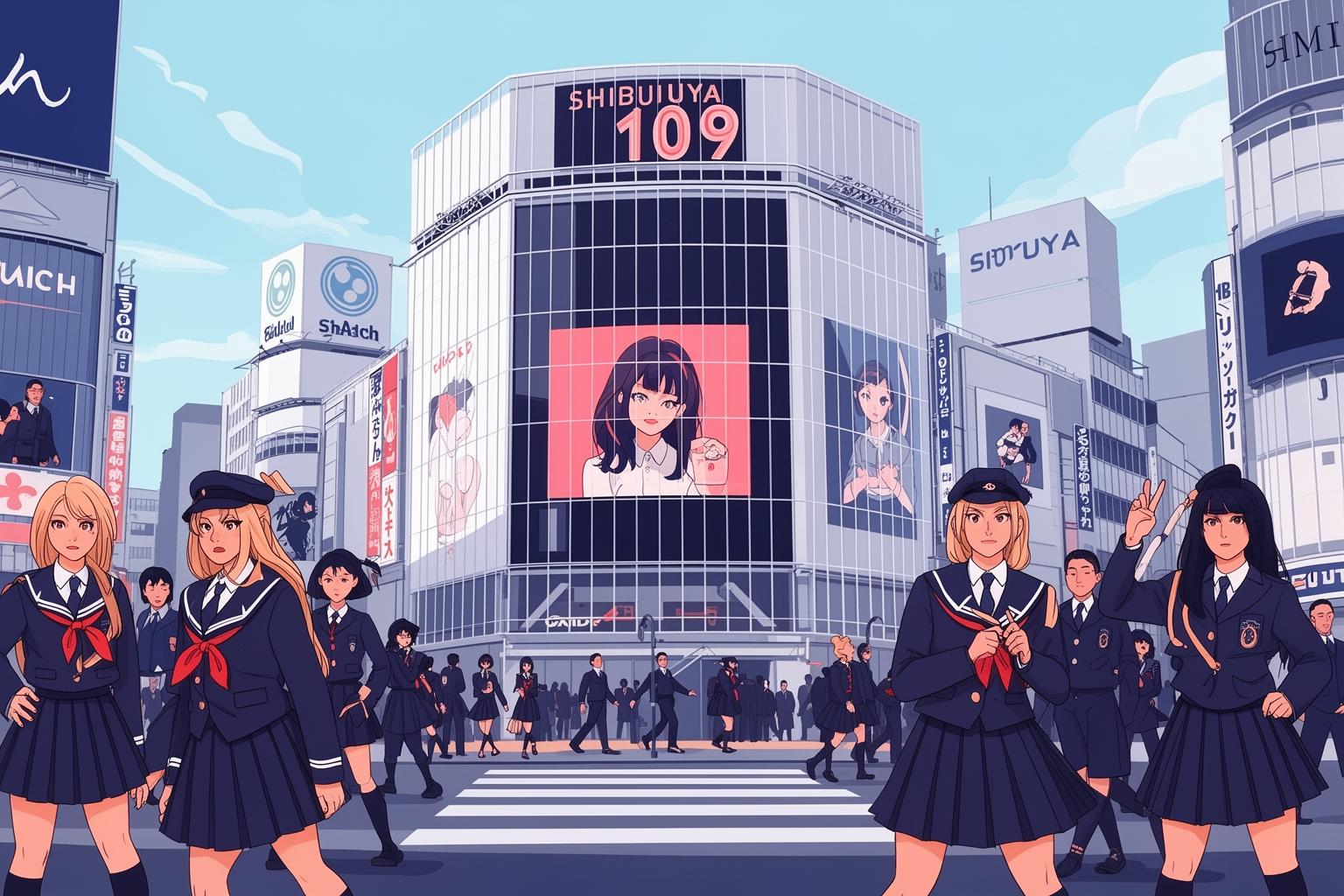
At the core of 109’s dominance lay gyaru style, a broad fashion subculture fundamentally rooted in rejecting traditional Japanese beauty standards. While conventional aesthetics valued pale skin, natural black hair, and understated subtlety, gyaru culture embraced the exact opposite—it was loud, bold, and conspicuous.
Key Tribes and Their Aesthetics
109’s brilliance was its capacity to bring the full range of gyaru styles together under one roof, fostering the growth of various “tribes.” Although tanned skin and dramatic eye makeup were common foundations, the variations were limitless.
Iconic brands became closely associated with these distinct sub-styles. For years, Cecil McBee reigned as the queen of 109, delivering the quintessential gyaru look—a blend of cute and sexy that felt both accessible and aspirational. Their shopping bags, adorned with the sleek white-on-black logo, served as status symbols proudly carried throughout Tokyo. Egoist appealed to a slightly older, more mature “onee-gyaru” (older sister gyaru) crowd with a darker, club-ready, and overtly sexy vibe. Brands like MARS championed the “hime-gyaru” style, characterized by an abundance of pink, lace, ribbons, and grand, princess-like hairstyles. Meanwhile, brands such as Me Jane, known for bright colors and animal prints, catered to the more extreme end of the spectrum, including the deeply-tanned ganguro* girls.
This fostered an atmosphere of friendly rivalry and continuous innovation. A girl could essentially craft her entire identity within the building, selecting brands that resonated with her unique aesthetic. The uniform was unmistakable: miniskirts, platform boots or heels, intricate nail art, colored contact lenses, and voluminous, expertly teased hair. It demanded full dedication from head to toe.
The Perfect Storm: An Ecosystem of Influence
Shibuya 109 didn’t become such a powerful force on its own. Its influence stemmed from its central position within a perfectly balanced, pre-internet media ecosystem. It operated as a closed-loop system of trend creation.
Here’s how it functioned: A brand inside 109 would debut a new item or style. The charisma staff would wear it, sparking immediate excitement among shoppers. Street style photographers for magazines like egg would capture images of the most fashionable girls sporting the trend around Shibuya. These photos would be published, confirming the trend and broadcasting it to a nationwide teenage audience. Seeing it in their favorite magazine, girls from across Japan would desire that look, prompting them to return to 109 to purchase the original item. This feedback loop could both create and extinguish trends within weeks.
A World Before the Algorithm
Importantly, this was an analog world of influence. Discoveries happened on the street and on printed pages. Your algorithm was your favorite charisma staff member or the editor of your preferred magazine. This gave Shibuya 109 tremendous physical influence. You had to be there. You had to breathe the air, listen to the music, and experience the styles in person. It was a pilgrimage destination for fashion-obsessed youth.
More than anything else, 109 was a “third space” for a generation of young women. It was a refuge from the pressures of school entrance exams and conservative family expectations. Inside its cylindrical walls, girls weren’t just consumers; they were active participants in a vibrant, creative community. They defined their own standards of beauty, social hierarchies, and rules for success. It was a space of empowerment, draped in glitter and leopard print.
Fading Light and a Lasting Legacy
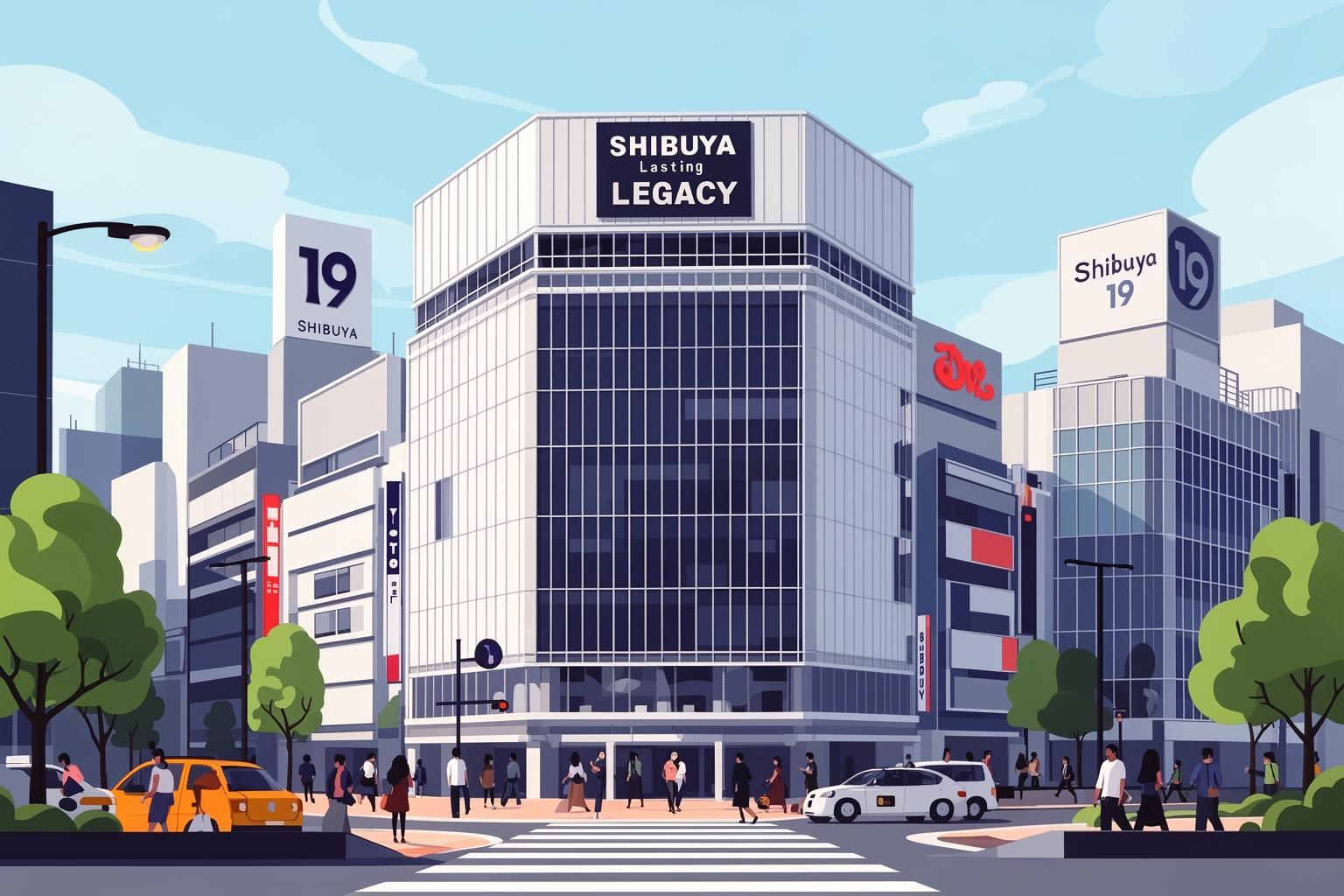
No cultural moment endures forever. By the late 2000s and early 2010s, the currents of fashion began to shift. The first significant challenge arrived with the emergence of global fast-fashion giants. When H&M and Forever 21 launched massive flagship stores in Shibuya, they introduced a new offering: trendy, globally-inspired clothing at remarkably low prices. This started to erode 109’s homegrown dominance.
At the same time, fashion preferences were evolving. The bold, high-maintenance gyaru aesthetic started to decline in popularity, replaced by more natural, understated, and Korean-influenced styles. The rise of smartphones and social media also fundamentally transformed the landscape. Influence became decentralized. A girl in Osaka could become a fashion icon on Instagram without ever stepping foot in Shibuya. The closed-loop ecosystem that had made 109 so influential was disrupted.
Today, the building still stands, rebranded as SHIBUYA109. It continues to appeal to a young audience, but its identity is now more fragmented. The stores feature a broader range of styles, including a strong influence of K-pop fashion, pop-up shops for online brands, and a more diverse, globalized sensibility. The once deafening Eurobeat has been toned down, and the army of gyaru replicas has disappeared. It is no longer the singular, unifying epicenter of Japanese youth fashion but reflects a much more varied and digitally-driven scene.
Nevertheless, the legacy of Shibuya 109’s golden age remains enormous. It demonstrated that a physical space could serve as a powerful engine of subculture. It pioneered a model of influencer marketing decades before the term existed. Most importantly, it offered a generation of young Japanese women a platform to rebel, create, and be unapologetically themselves. It was more than just a mall; it was a moment, a movement, and a monument to the explosive power of youth. Its echo can still be heard in the vibrant, wild chaos of Shibuya.