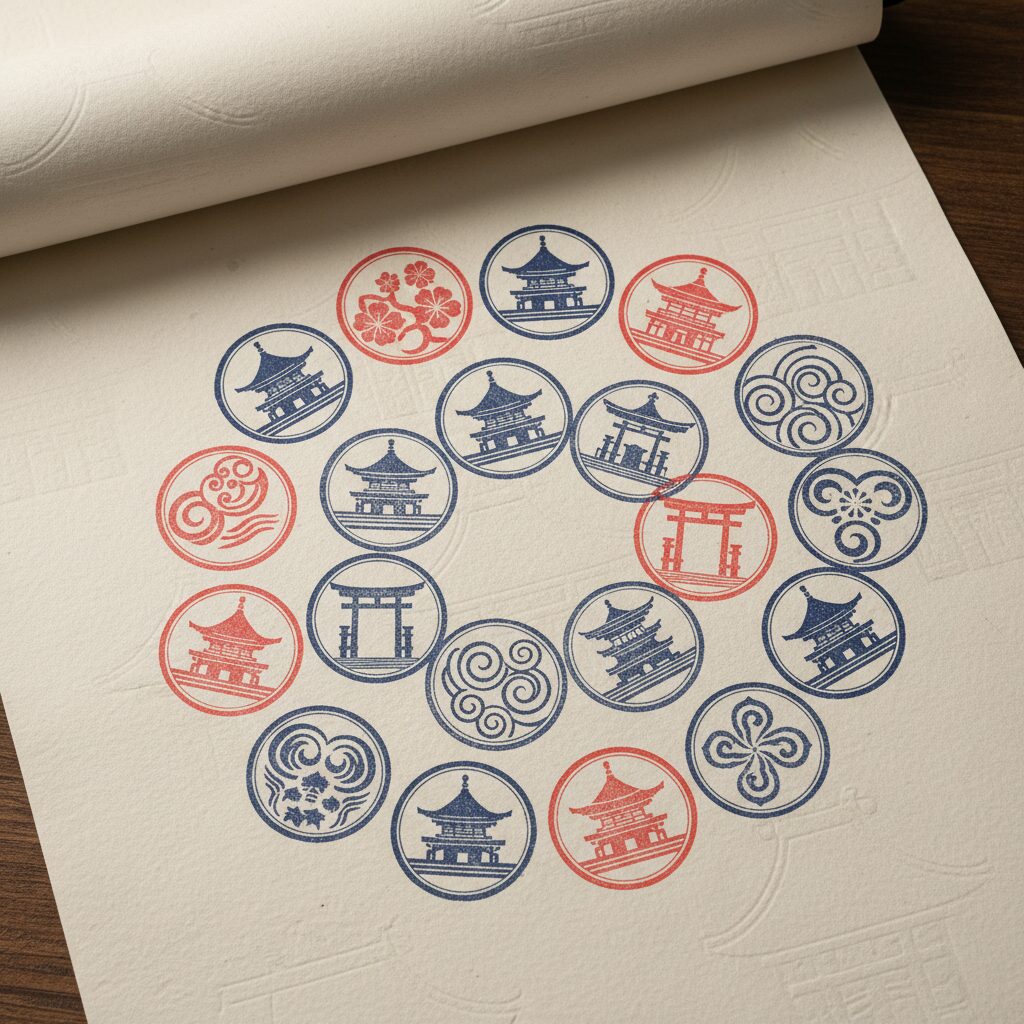
You see them everywhere, if you know what to look for. In the quiet halls of a Kyoto temple, a young woman in designer jeans presents a small, ornate book to a priest. At a bustling Tokyo shrine, a salaryman in a crisp suit does the same during his lunch break. Inside a train rattling through the countryside, a group of friends flip through their own books, comparing the bold calligraphy and brilliant red seals collected at a remote mountain sanctuary. They are all participating in one of Japan’s most fascinating cultural phenomena: the collecting of goshuin.
On the surface, it’s simple. A goshuin is a unique seal stamp, accompanied by calligraphy, that you can receive at most Buddhist temples and Shinto shrines across Japan. It serves as a beautiful, tangible record of your visit. But to call it a mere souvenir would be like calling a handwritten letter a simple text message. It misses the entire point. For centuries, this was a profoundly spiritual act, a proof of pilgrimage offered to the devout who had traveled, often on foot, to pay their respects. Today, it has exploded into a mainstream hobby, a passionate pursuit for millions of people, young and old, religious or not. The quiet act of receiving a seal has become a cultural current, complete with designer collection books, online communities, and a near-constant buzz about limited-edition seasonal designs.
This raises a compelling question. How did a sacred, centuries-old ritual transform into something that feels, at times, like a national treasure hunt? Why are people who might never attend a formal service lining up to have a monk brush ink into their personal ledgers? The answer isn’t a simple story of commercialization. It’s a deeper reflection of modern Japan’s relationship with its own history, its search for meaning in a fast-paced world, and its unique ability to repackage ancient tradition for a new generation. This is the story of how a proof of piety became a passion project.
Integrating centuries-old reverence with a contemporary twist, today’s goshuin collectors embody a creative spirit reminiscent of the innovative world of high-tech purikura which captures fleeting moments as modern expressions of tradition.
The Anatomy of a Sacred Mark
Before we can grasp the shift, we first need to understand the object itself. A goshuin is more than just a stamp. It is a small piece of art, a living connection to a place, created specifically for you in that moment. When you hand over your book, called a goshuin-chō, you are not merely purchasing a product; you are commissioning a small, personal creation.
Usually, a priest, monk, or dedicated shrine attendant performs the act at a special office known as a shuin-jo or nōkyō-sho. The process is quiet and intentional. First, they press one or more large, intricate seals onto the page using vermilion ink called shuniku. These seals are the core of the goshuin. They display the name of the shrine or temple, or sometimes the name of the principal deity or Buddha enshrined there. The designs are often ancient, carved in wood or stone, bearing the weight of centuries of devotion.
Next comes the calligraphy. Using a brush dipped in black sumi ink, they write flowing characters that may include the date of your visit, the temple’s name, and occasionally a special phrase or blessing linked to the site. The skill required is considerable. The calligraphy, or shodō, is a revered art form, and every hand is unique. The brushstrokes can be bold and vigorous, or refined and understated, reflecting the spirit of the place itself. Watching this process is captivating—a moment of pure, analog creation in a digital age.
Finally, the book is handed back to you, often with a thin piece of paper inserted between pages to prevent smudging. You pay a small fee, typically between 300 and 500 yen, which is regarded as a donation or offering to the temple, not a purchase. This is an important distinction. You are making a contribution in exchange for a sacred keepsake.
The etiquette around this exchange highlights its spiritual foundation. It is considered proper to offer a prayer at the main hall before approaching the goshuin office. This is not a transaction like at a gift shop; it is the final step in an act of reverence. The goshuin-chō itself is treated not as a scrapbook but as a sacred object, something to be treasured and protected. This entire context is what makes its development into a popular hobby so fascinating.
The Spark: Power Spots and the Search for Good Fortune
The transition of goshuin from a niche religious practice to a popular hobby did not occur overnight. It was driven by a broader cultural shift that began in the early 2000s: the rise of so-called “power spots,” or pawāsupotto.
This phenomenon was propelled by media, popularized through television shows and magazines that highlighted specific shrines, temples, and natural sites as locations brimming with mystical energy. Visiting these spots was believed to bring good luck, enhance relationships, attract financial success, or even heal the soul. Suddenly, visiting a shrine was no longer just for New Year’s Day or for your devout grandmother; it was redefined as a form of self-improvement and spiritual wellness, open to everyone.
This perfectly matched a younger generation that was, and remains, largely secular yet open to spirituality. They might not follow the doctrines of Shinto or Buddhism, but the idea of connecting with a place’s positive energy was appealing. It offered a low-commitment way to engage with Japan’s spiritual heritage. You didn’t need to be a believer to appreciate the awe inspired by a thousand-year-old cedar tree or the calm of a perfectly raked zen garden.
As more people began visiting these power spots, they naturally encountered goshuin. This provided an ideal way to commemorate their visit. It was more meaningful than a photograph and more authentic than a cheap keychain. It was a tangible piece of the “power” they sought, inscribed by a spiritual professional. The goshuin became the ultimate proof that you had been there and made a connection. This boom set the stage, transforming temple grounds from solemn places of worship into destinations for a new kind of spiritual tourism.
The Fuel: Aesthetics, Instagram, and the Joy of Collecting
If the power spot boom opened the door, the visual appeal of goshuin and the rise of social media flung it wide open. In a visual culture-driven era, goshuin are undeniably stunning. The stark contrast of black ink on white paper, highlighted by the vivid red seal, exemplifies Japanese minimalist design at its finest. Each one is unique, showcasing the calligrapher’s skill and reflecting the distinctive character of each temple.
This aesthetic appeal transformed the goshuin-chō into a personal art gallery. The books themselves evolved from plain, simple notebooks into coveted objects. Today, you can find them with covers made from elegant kimono fabric, traditional washi paper, carved wood, or featuring collaborations with renowned artists or anime series. Choosing a goshuin-chō becomes the first step in customizing your journey, serving as a statement of taste and a reflection of your personality.
Unsurprisingly, this visual delight found its perfect stage on platforms like Instagram. A photo of a freshly inked page, framed by the temple’s majestic architecture, became a popular and stylish way to document one’s travels. It was more than a selfie; it signified a deeper connection with Japanese culture. Hashtags like #御朱印巡り (goshuin-meguri, or goshuin tour) and #御朱印ガール (goshuin-gāru) surged in popularity, creating lively online communities where people share collections, exchange tips on rare finds, and plan their next pilgrimage.
This culture of sharing tapped into a strong human instinct: the joy of collecting. Filling a book page by page offers a profound sense of achievement. It turns travel into a quest. A simple weekend trip is elevated into a mission to visit a specific set of temples. It encourages exploration beyond major tourist spots, leading people to smaller, local shrines that might otherwise be overlooked. This “gamification” of spirituality—completing a collection, hunting for a rare stamp—is a powerful motivator. It provides structure and goals, making Japan’s vast spiritual landscape feel more navigable and rewarding.
The New Landscape: Innovation and the Business of Blessings
The rising popularity of goshuin has not gone unnoticed by the temples and shrines themselves. For many of these institutions, especially smaller ones in rural areas experiencing declining local populations, the goshuin boom has become a crucial lifeline. The donations provide an essential source of income for maintaining ancient buildings and grounds.
This surge has sparked a wave of innovation, accompanied by a degree of commercial savvy. Temples began to view their goshuin not only as religious offerings but also as a means to attract visitors. The outcome is an impressive variety of creative and artistic designs that extend well beyond the traditional style. Many locations now offer limited-edition goshuin to celebrate specific seasons, such as cherry blossoms in spring or vibrant maple leaves in autumn. Some include intricate paper cut-outs (kiri-e) or are written on special colored or patterned paper. Others feature multi-page spreads that form a single, breathtaking image when collected from a series of related temples.
This inventive approach has made collecting an even more engaging hobby. Enthusiasts often plan trips specifically to obtain a seasonal design only available for a limited time. This creates a sense of urgency and exclusivity, encouraging repeat visits and sustaining community interest. Special goshuin-chō are launched to commemorate anniversaries or special events, becoming prized collector’s items in their own right.
Naturally, this evolution has its critics. Some purists claim that the emphasis on aesthetics and rarity is diminishing the spiritual meaning of the practice. They worry it’s turning into a quest to “catch them all” rather than an act of quiet reflection. There are reports of visitors demanding a goshuin without praying first, treating the priest more like a clerk at a souvenir shop. As a result, some traditional, high-profile temples continue to offer very simple, unchanging goshuin as a statement against the trend. A few have even ceased issuing them altogether to avoid distractions. This tension between tradition and innovation, piety and popularity, now forms a central theme of the goshuin story.
A Tangible Connection in an Intangible Age
So, what does all this reveal about modern Japan? The growing interest in the goshuin hobby is more than just a passing trend. It represents a meaningful reaction to the realities of contemporary life. It reflects a collective yearning for authenticity and a tangible connection in an increasingly digital and abstract environment.
In an era where our memories are stored on clouds and our experiences are reduced to pixels on a screen, the goshuin-chō serves as a powerful remedy. It is a physical object, with weight and texture. The pages carry a faint scent of ink. Each entry is a unique, hand-brushed artifact—a lasting record of a specific day and a distinct encounter. You cannot copy and paste it. You cannot download it. You must physically be there to obtain it. This emphasis on presence—being in a particular place at a particular moment—is deeply grounding.
Moreover, it embodies a modern form of spirituality that is personal and adaptable. Many collectors would not consider themselves religious in the traditional sense. Yet, the act of visiting these serene, historical sites, participating in a respectful ritual, and collecting these beautiful tokens offers a sense of peace and connection. It provides a way to engage with the nation’s spiritual heritage on one’s own terms, without the need to adhere to a strict set of beliefs. It allows for individual expression—through your choice of book, your planned route—within the comforting structure of a shared tradition.
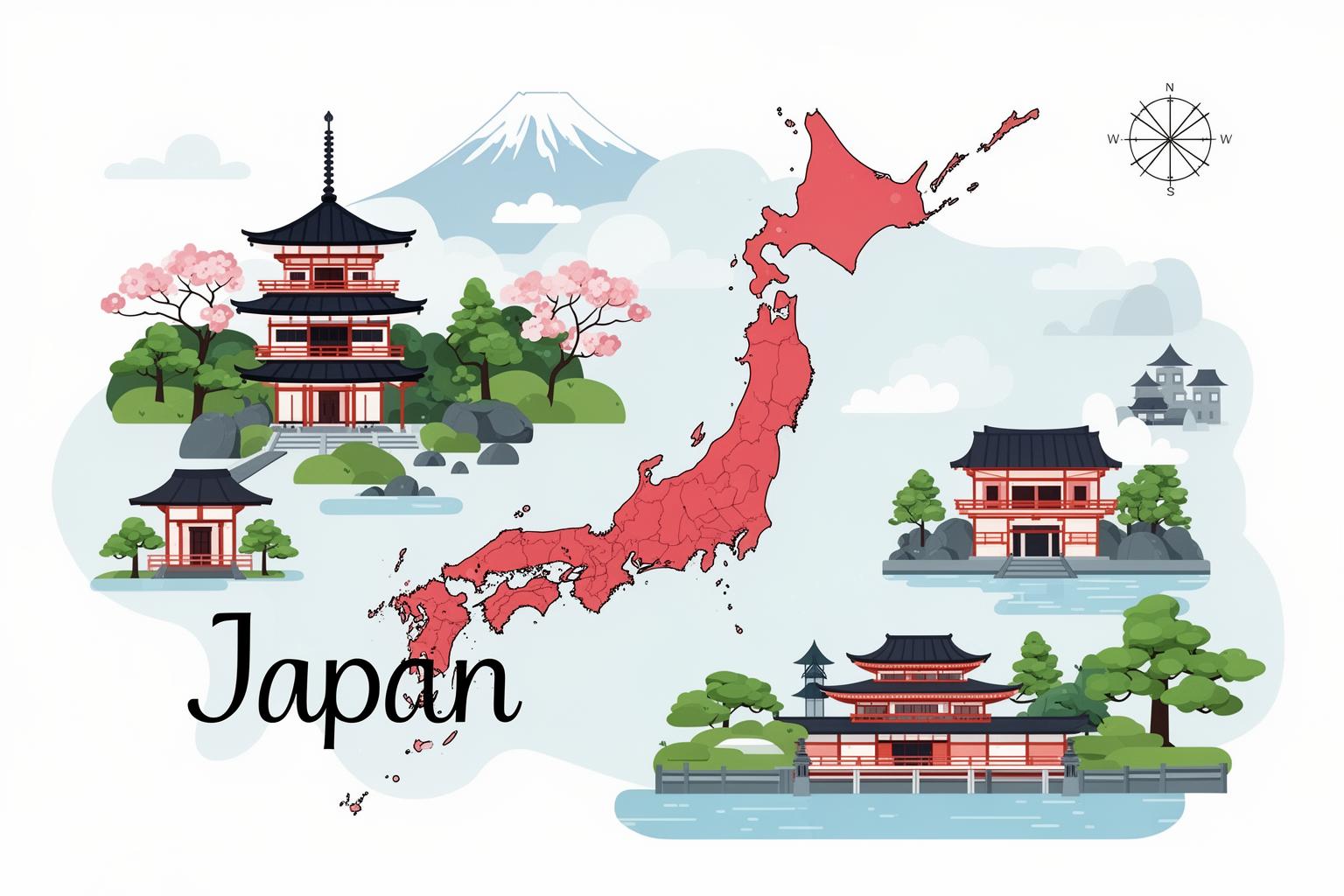
Ultimately, collecting goshuin is a pilgrimage for the modern soul. It is a journey both outward and inward. It guides you through Japan’s stunning landscapes, from shining city shrines to remote mountain temples. But it also takes you to moments of quiet reflection, fosters an appreciation for artistry and tradition, and offers the simple, rewarding joy of creating a beautiful record of your personal path through the world. It is much more than a book of stamps; it is a map of memories, written in ink and sealed in faith, however you may choose to define it.