Walk down almost any major street in a Japanese city, especially near a train station, and you will inevitably encounter it. You’ll feel it first as a low hum vibrating through the pavement, then hear it as a cascade of electronic jingles spilling out onto the sidewalk every time the automatic doors slide open. Peer through the tinted glass and you’ll see rows upon rows of people sitting in near-perfect stillness, their faces illuminated by flashing screens, seemingly oblivious to the sensory bedlam erupting around them. This is the world of pachinko, one of Japan’s most popular, profitable, and profoundly misunderstood pastimes. It’s a multi-billion dollar industry that operates in a curious legal gray area, a national obsession that’s part slot machine, part pinball, and part something else entirely.
To the uninitiated, a pachinko parlor is an assault on the senses. It’s a wall of sound so dense it feels physical, a chaotic symphony of rattling steel balls, triumphant digital fanfares, and disembodied anime character voices shouting encouragement. It’s a visual overload of strobing lights and frenetic video animations. For many outsiders, the immediate question is: Why? Why would anyone choose to spend hours inside these deafening, smoke-filled caverns of chance? The answer isn’t simply about gambling or addiction, though those elements are present. It’s about a unique form of escapism, a ritual of controlled chaos that provides a very specific kind of release in a society that values order and restraint. To understand Japan, you need to understand the strange appeal of this mechanical meditation. This isn’t a guide on how to win. It’s a tour through the landscape of pachinko itself, exploring the different kinds of parlors that serve as temples to noise, luck, and the temporary obliteration of the outside world.
The orchestrated chaos of pachinko parlors mirrors a broader countercultural energy that is similarly captured in the exploits of Japan’s first rebels, whose defiant spirit during a tumultuous summer challenged convention.
What Exactly is Pachinko?
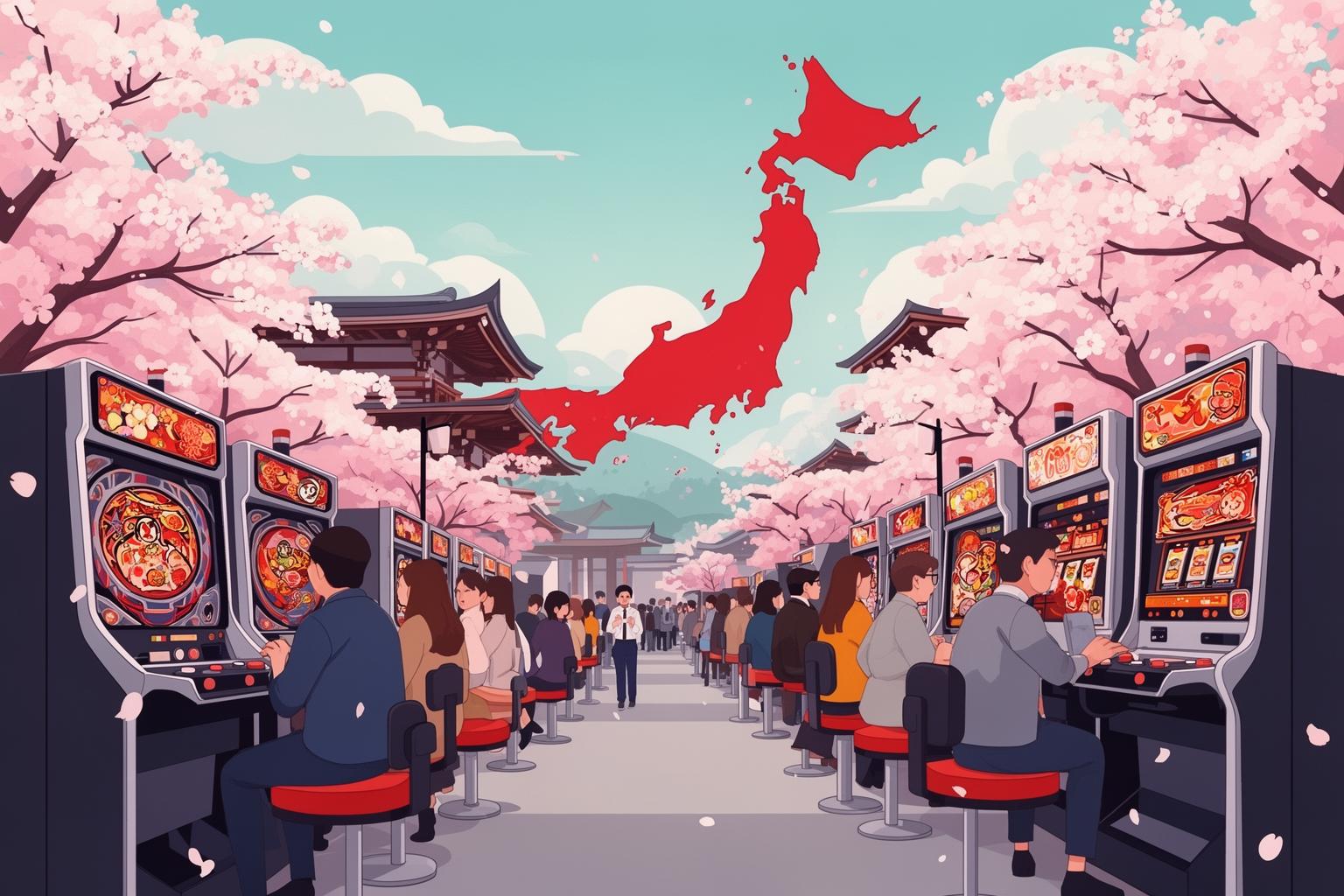
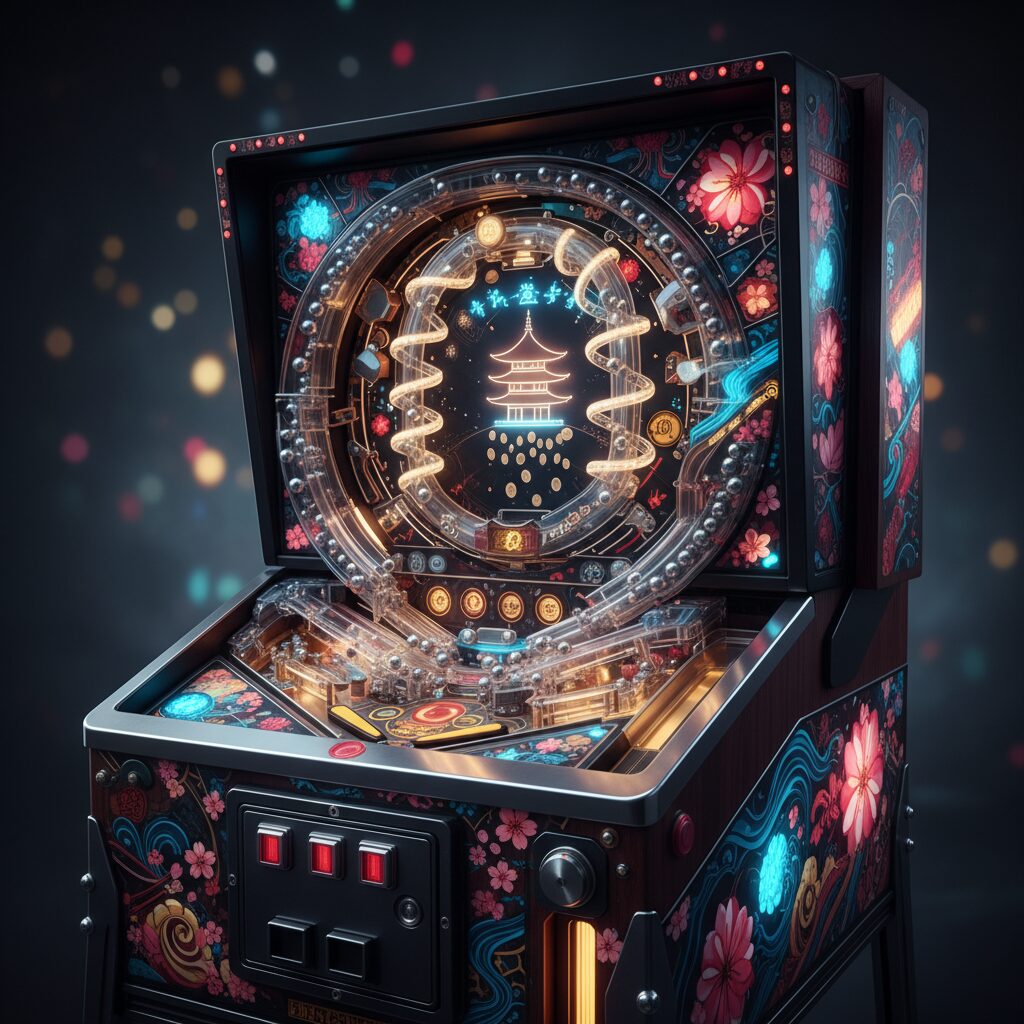
Before entering these establishments, it’s important to understand what’s really going on. Pachinko isn’t a slot machine. You don’t pull a lever and watch reels spin. Instead, imagine it as a vertical pinball machine—just without the flippers. The player sits in front of a tall, upright cabinet filled with a dense array of brass pins. By turning a knob on the machine’s console, you control the force that propels tiny steel balls into the playing field. Each ball, about 11 millimeters in diameter, cascades through the pins, its path determined by a combination of gravity, momentum, and sheer luck.
The goal is to get these balls into designated winning pockets. When a ball lands in one, the machine springs to life, activating a digital slot machine on the central screen. Matching symbols on this digital reel triggers a jackpot, releasing a flood of hundreds or even thousands of new steel balls that pour into the plastic tray at the bottom of the machine. This torrent of silver is the heart of the game’s excitement—a tangible, noisy celebration of success.
Here’s the key detail that makes the whole system work in Japan, where cash gambling is illegal: you don’t win money directly. Instead, you win more balls. After playing, you take your trays of accumulated balls to a counting machine that issues a receipt. You then exchange this receipt at a counter inside the parlor for prizes—ranging from inexpensive snacks and cigarettes to premium electronics and gold tokens. Now, the clever, legally required workaround: with your prize, usually a nondescript plastic-encased gold token, you head to a small, separate establishment nearby—often just a hole-in-the-wall with a small window. This legally separate business buys your prize from you for cash. It’s a two-step process that allows the entire industry to function as an amusement rather than a casino.
The Architecture of Overload
The environment of a pachinko parlor is not a mere accidental outcome of the games; it is a carefully designed space created for one purpose: complete immersion. The experience begins before you even step inside. The exteriors are often flashy and noisy, covered with posters of anime characters and massive LED screens advertising the latest machines and jackpot odds. They are meant to be impossible to ignore, promising a world of excitement just beyond their sliding doors.
Once inside, the sound overwhelms you like a physical force. The clatter of tens of thousands of steel balls bouncing off pins, the electronic crescendos of hundreds of machines paying out simultaneously, the constant background music, and the overhead announcements all blend into a single, overwhelming roar. This isn’t poor design; it’s intentional. The noise creates an auditory bubble, isolating you from the worries of the outside world. Your phone may buzz in your pocket, but you can’t hear it. The stresses of work or home cannot penetrate this sonic barrier. Within this space, the only thing that matters is the hypnotic path of the silver ball.
Visually, the same concept applies. The interior is a labyrinth of towering machines, their screens flashing with vivid, brightly colored animations. The overhead lighting is often kept dim to emphasize the glow of the games, drawing your attention inward. There are no windows, no clocks, no connection to the outside world. Time stretches. Minutes can feel like seconds, and hours can vanish without notice. Even the air, traditionally thick with the smell of stale cigarette smoke (though non-smoking sections and fully non-smoking parlors are increasingly common), contributes to the hermetically sealed atmosphere. It’s a sensory deprivation tank of a different kind, where instead of eliminating stimuli, the environment provides so much of it that everything else fades away.
A Tour of the Temples of Chance
Not all pachinko parlors are alike. They range from shiny corporate flagships in central Tokyo to dusty neighborhood spots where the same group of retirees has been playing for decades. Each type provides a unique glimpse into the subculture.
The Urban Behemoth: Maruhan Shinjuku Toho Building
If you want to see pachinko’s modern, polished side, this is it. Situated in the bustling Kabukicho district of Shinjuku, directly beneath the iconic Godzilla head, this Maruhan location is a multi-story palace of pachinko and its cousin, pachislot (slot machines using tokens instead of balls). It’s massive, spotless, and almost glaringly bright. This is corporate pachinko, designed to be as welcoming—and efficient—as possible.
The clientele here represents a cross-section of urban Japan. There are salarymen in suits loosening their ties for a quick post-work session, young couples on dates, groups of students drawn by the anime-themed machines, and even some curious tourists. The staff wear uniforms and maintain high energy, bowing and shouting “Irrasshaimase!” (Welcome!) over the din. The machines are the latest models, featuring elaborate tie-ins with popular manga, anime, and even pop bands. Playing here feels less like a back-alley gamble and more like visiting a high-tech adult arcade. It showcases the industry’s ongoing effort to shed its somewhat shady reputation and position itself as a legitimate form of mass-market entertainment.
The Neighborhood Fixture: The Local Parlor
Step off the main street into a residential area, and you’ll find a very different kind of parlor. These venues are smaller, older, and distinctly unglamorous. The carpets may be worn, the machines a few generations behind the newest models, and the air thick with a comfortable, lived-in quietness that coexists with mechanical noise. The vibe here is not high-stakes excitement but familiar routine.
The players are the main difference. The crowd tends to be older, made up of retirees and local shopkeepers for whom a few hours at the pachinko parlor is a core daily ritual. They know the staff by name and have favorite machines. There’s a quiet camaraderie among the regulars, even though they rarely speak. For them, it’s less about chasing big wins and more about having a place to go—a structured activity to fill long hours. It’s a third space, a home away from home providing a sense of purpose and community through shared, solitary ritual. These parlors are the foundation of the industry, sustained not by fleeting fads but by the steady loyalty of local patrons.
The Otaku Mecca: Brand-Specific Showrooms
A fascinating subset of parlors focus on machines from a single manufacturer, often those specializing in collaborations with popular culture franchises. Enter a parlor in districts like Akihabara in Tokyo or Nipponbashi in Osaka, and you’ll find entire rows dedicated to machines themed around Neon Genesis Evangelion, Fist of the North Star, or popular J-pop groups. These spots serve as meccas for fans.
Here, playing goes beyond simple gambling. It’s a way for fans to physically engage with the worlds they adore. The machines include custom animations, voice clips from original actors, and soundtracks from the series. Hitting a jackpot isn’t just a financial win; it triggers a special cinematic scene fans might not otherwise see. Players are often younger and deeply immersed in otaku (geek) culture. They come not just to play but to experience their favorite media in an interactive new way. This symbiotic relationship between pachinko manufacturers and anime studios drives the industry, continually refreshing parlors with content that attracts a dedicated niche audience.
The Commuter’s Refuge: The Station-Side Parlor
Nearly every major train station in Japan has at least one nearby pachinko parlor serving a specific, transient role. These parlors prioritize convenience. They include venues like the various PIA or D’STATION halls found everywhere. They cater to commuters, people with an hour to spare before a train, or office workers seeking a quick mental break before heading home.
The atmosphere is efficient and impersonal. The layout is simple, designed for quick entry and exit. Amenities like phone chargers at every seat, lockers for briefcases, and extensive prize counters with practical items are common. The goal is to offer a seamless, low-friction escape. You can dip into this alternate reality for 45 minutes, focus intensely on the flow of silver balls, then step back into the throng of commuters as if nothing happened. These parlors act as buffer zones, liminal spaces between the structured workday and home life, providing a brief, intense, and entirely private respite from daily pressures.
The Psychology of the Player
So who are the people sitting in these chairs for hours on end? While the stereotype of the gambling addict certainly exists, it’s an oversimplified and incomplete portrayal. The reality is much more complex. For many, pachinko serves as a form of meditation. The combination of a simple, repetitive action—turning the knob just so—and the intense sensory stimulation induces a near-trance state. The mind quiets. The continuous flow of small decisions and responses demanded by the game engages the brain’s frontal lobe, effectively shutting down the part that worries about deadlines, bills, or relationship issues.
It’s a distinctly Japanese form of individualistic escapism. In a culture that highly values the group and social harmony, the pachinko parlor offers one of the rare spaces where a person can be completely, utterly alone while surrounded by thousands of others. There is no expectation of social interaction. You don’t talk to the person beside you. You exist in your own bubble, your world condensed to the 2-foot by 3-foot space of the machine in front of you. This “alone-together” phenomenon powerfully appeals to those looking for a respite from constant social navigation.
A Chinese Perspective: Solitary Noise vs. Social Clatter
Having grown up hearing the sounds of mahjong parlors spilling into the streets, the atmosphere of a pachinko hall feels both familiar and distinctly different. In China, the clatter of mahjong tiles represents the sound of community—loud, lively, and deeply social. Players chat, snack, argue, and laugh around a shared table, with the game serving as a means of connection.
Pachinko, by contrast, uses noise to achieve the opposite purpose: to enforce solitude. The sound is equally loud, if not louder, than a crowded mahjong hall, but it creates isolation rather than connection. Players sit side-by-side in long, straight rows, facing forward, their eyes fixed on their individual machines. Though engaged in a common activity, they remain completely separate from one another. This contrast reveals much about differing cultural attitudes towards leisure and social pressure. While a Chinese mahjong game offers an escape into a social group, pachinko provides an escape from it. It is a refuge for the individual, a place to disappear into the machine and briefly shed the burdens of social identity and obligation. Both are noisy games of chance, yet they fulfill fundamentally different social and psychological needs.
The Future of the Silver Ball
The pachinko industry, despite its cultural importance, stands at a pivotal moment. Its primary audience is aging, and younger generations, who have a vast array of entertainment options on their smartphones, are not engaging with the pastime in the same way. Stricter government regulations designed to combat gambling addiction have lowered potential jackpot sizes, making the game less profitable and, for some, less thrilling. Additionally, the upcoming introduction of integrated resort casinos in Japan presents a direct challenge, offering a more glamorous, state-approved form of gambling.
The industry is evolving. Parlors are becoming cleaner and brighter, actively seeking to attract women and younger players. The strong connection with anime and pop culture is a smart strategy to draw in dedicated fanbases. Still, the core question lingers: can this analog, location-based form of escapism survive in an increasingly digital and mobile world?
For now, the answer is yes. The parlors persist. Every day, millions of people open those doors, take a seat, and insert their money into the machines in exchange for a cascade of silver balls. They turn the knob, watch the balls fall, and lose themselves temporarily in the mesmerizing, mind-numbing noise. It continues to serve as a vital, if peculiar, pressure valve for Japanese society—a place where, for a few hours, the chaos is inside the machine, not inside your head.