You see them sometimes in the quiet corners of temple grounds, away from the main crush of tourists and worshipers. Someone will be standing before a small, wood-framed window, clutching a brightly colored, accordion-fold book. They slide it across the counter to a priest or a shrine maiden, who takes it with a slight bow. Then, a fascinating ritual unfolds: the gentle rustle of paper, the dip of a brush into an inkstone, the whisper of horsehair bristles tracing elegant characters, and finally, a firm, satisfying thump as a large vermilion seal is pressed onto the page. The book is returned, a small fee is exchanged, and the owner walks away with a look of quiet satisfaction, cradling their prize.
This is the world of goshuin. On the surface, it’s a simple concept: collecting unique stamps and calligraphy from Japanese shrines and temples in a dedicated book called a goshuin-chō. But to dismiss it as mere stamp collecting is to miss the point entirely. This is something deeper, a practice that sits at a fascinating intersection of religious pilgrimage, art appreciation, and a modern collector’s impulse that feels surprisingly familiar. Think of it as a kind of sacred treasure hunt, a spiritual version of Pokémon’s “Gotta Catch ‘Em All.”
The comparison isn’t as flippant as it sounds. The drive to complete a collection, to seek out rare finds, and to have a tangible record of one’s journeys is a powerful human motivator. The goshuin boom, particularly over the last decade, has transformed this once-niche devotional practice into a full-blown subculture, complete with its own etiquette, rare “limited editions,” and a passionate community. It offers a structured, meaningful way to explore Japan’s thousands of sacred sites, turning a simple trip to a temple into a mission. Each page filled is a trophy, not of conquest, but of presence. It’s proof that you were there, that you paid your respects, and that you participated in a tradition centuries in the making. Let’s open the book and take a closer look.
This intimate ritual not only embodies Japan’s artistic heritage but also reflects the enduring strength of gaman, which has long influenced the country’s work ethic.
More Than Just a Stamp: The Anatomy of a Goshuin
Before you can grasp the collector’s impulse, you need to understand precisely what is being collected. A goshuin is not just a simple rubber stamp you press yourself at a tourist kiosk. It is a small, hand-rendered work of art, a unique artifact of your visit that can never be exactly duplicated. Each one combines several distinct elements, layered with meaning.
Deconstructing the Page
When you view a completed goshuin page, you see a condensed piece of sacred identity. First and foremost is the shrine or temple’s official seal, stamped in a vivid vermilion ink called shuniku. This is not your typical office inkpad; it’s a thick, fibrous paste often made from materials like silk or mugwort, giving the imprint a rich texture. The seal itself, the shuin (朱印), forms the core of the artifact. It usually bears the name of the shrine or temple, sometimes rendered in an archaic, stylized script that is itself a work of art. These seals are often carved from wood, stone, or even animal horn, and are treasured objects that can be generations old.
Flowing around and over this seal is calligraphy, brushed in bold strokes of black sumi ink. This is what makes each goshuin a one-of-a-kind creation. A priest, monk, or dedicated staff member inscribes several pieces of information. At the top right, you’ll often find the character 奉拝 (hōhai), meaning “for worship” or “respectfully worshiped,” immediately framing the page not as a souvenir but as a religious record. The central, largest characters typically display the name of the temple or shrine, or the name of the primary deity (kami) or Buddhist figure enshrined there. Finally, on the left side, the calligrapher records the date of your visit. This final detail transforms the page from a generic emblem into a personal proof of presence, anchoring your visit to a specific moment in time.
A Living Piece of Art
Because it is created by a human hand, every goshuin is unique. The same priest might write the identical characters a hundred times in a day, yet the ink flow, brush pressure, and subtle nuances of each stroke will vary every single time. One day the lines might be bold and confident; another day, more fluid and graceful. This inherent imperfection and variability are exactly what make it so special. It is a living record, a stark contrast to the mass-produced trinkets sold in nearby souvenir stalls.
The aesthetic appeal is undeniable. The stark contrast between the black ink and the pale cream of the washi paper, punctuated by the vibrant red of the seal, is a masterclass in Japanese design principles. It is balanced, elegant, and powerful. Receiving your goshuin-chō back and seeing the fresh, gleaming ink and the still-settling vermilion paste is a small moment of pure aesthetic pleasure. You are holding something created for you, right here, right now.
The Goshuin-chō: A Pilgrim’s Passport
The container for this collection holds as much importance as the contents themselves. You don’t gather goshuin on random scraps of paper or in any ordinary notebook. The hobby calls for a goshuin-chō (御朱印帳), a specially crafted book that is a beautiful and meaningful object in its own right.
Choosing Your Companion
Goshuin-chō are usually bound in an accordion or concertina style, allowing them to be unfolded and displayed as a continuous, extended scroll. This design isn’t just decorative; it’s practical, enabling the book to lie flat for the calligrapher without damaging the spine. The pages are made from thick, high-quality paper, often a double layer of washi, to prevent the rich sumi ink from bleeding through.
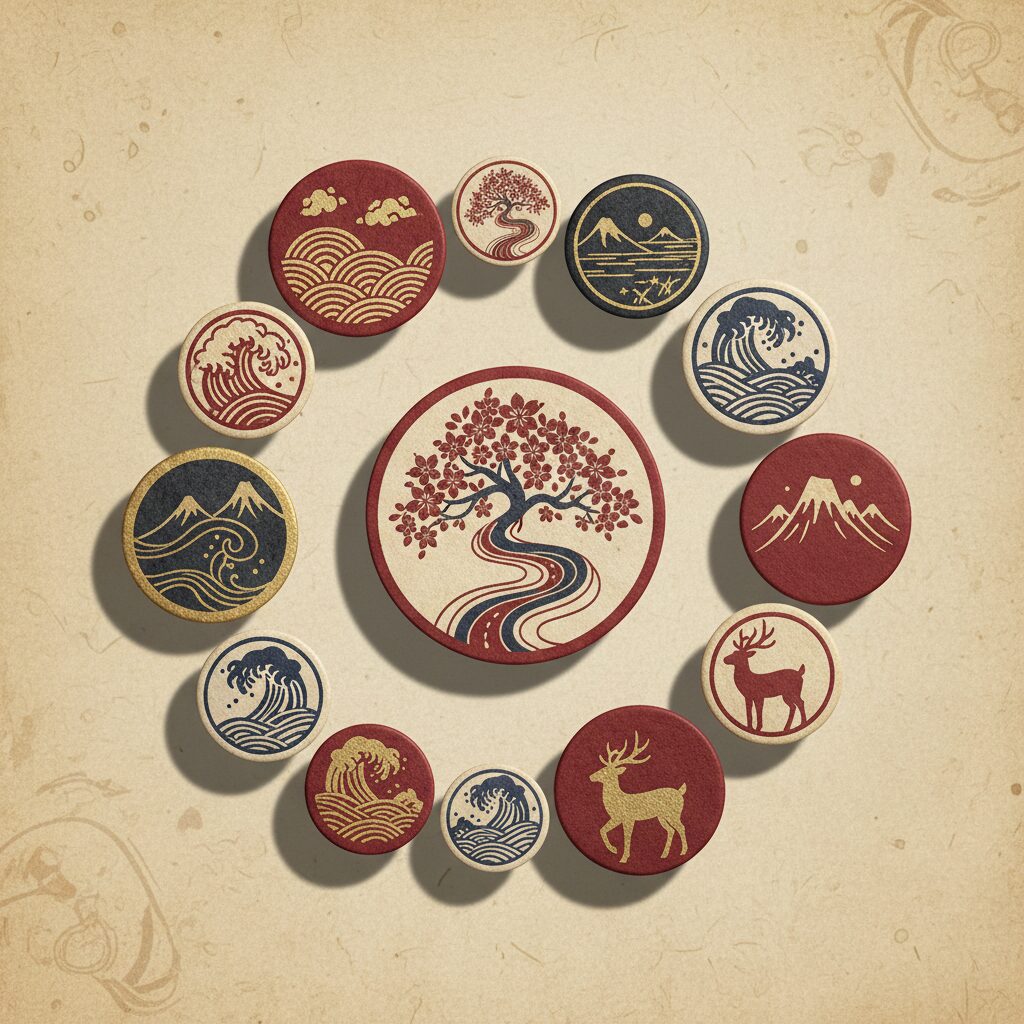
Selecting your first goshuin-chō is a significant milestone for any aspiring collector. The range is vast. They are available at nearly any major temple or shrine, as well as in large stationery stores. The designs vary from deeply traditional to boldly modern. Many temples and shrines offer books featuring unique cover designs—perhaps a crest (mon), an image of the main hall, or a motif related to the enshrined deity. You may find books with covers made of rich embroidered silk brocade, elegant Chiyogami paper, or even fragrant cedar or cypress wood, intricately laser-etched.
This diversity highlights how the tradition is evolving. While you can choose a very somber, traditional design, there are also goshuin-chō adorned with cute animal motifs, seasonal cherry blossom patterns, or even collaborations with popular anime series. This accessibility is central to the hobby’s growing popularity. Your goshuin-chō becomes a personal expression, a travel companion that reflects your own style.
The Unspoken Rule: One Book, Two Faiths?
As you delve deeper into the hobby, you begin to discover the unspoken guidelines. One of the most debated is whether to use the same goshuin-chō for both Shinto shrines and Buddhist temples. Historically and theologically, these are distinct religions, and some purists insist on keeping two separate books—one for the stamps of kami and another for the seals of Buddhas and Bodhisattvas. At some highly traditional temples, calligraphers may even politely refuse to write in a book that already contains seals from Shinto shrines.
Is this a strict rule? For most places, no. The majority of temples and shrines nowadays are happy to write in a mixed book. Nonetheless, the existence of this “rule” offers a fascinating glimpse into the cultural subtleties of the practice. For many serious collectors, using separate books demonstrates respect and deeper insight. For casual travelers, it’s more of an interesting detail. Deciding whether to carry one book or two becomes part of shaping your own identity as a collector.
The Ritual of Receiving: How It Actually Works
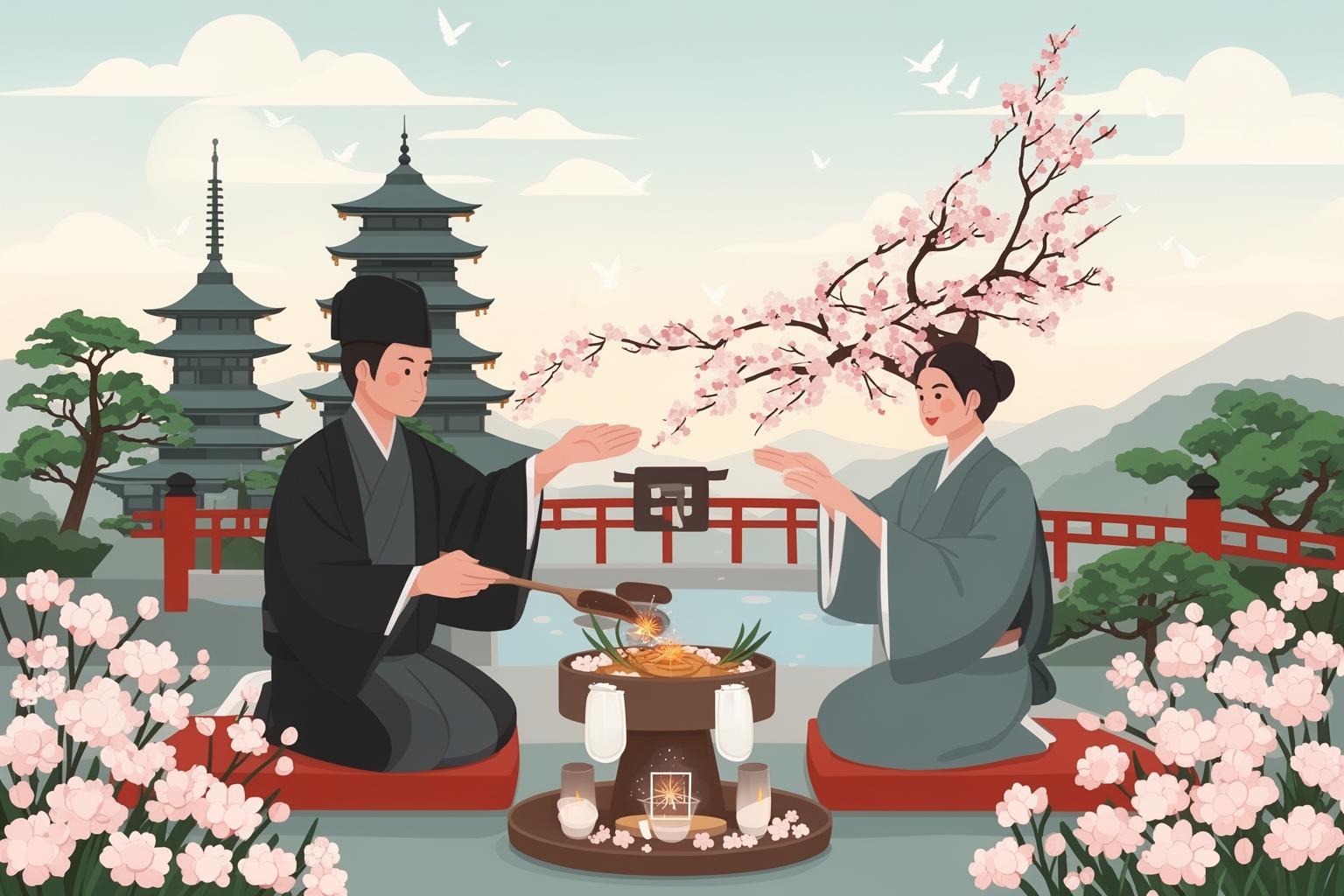
There is a unique process involved in acquiring a goshuin, a quiet ritual that distinguishes it from a mere commercial exchange. Understanding this etiquette is crucial for participating respectfully.
The Prerequisite: Worship First
This is the most important rule: a goshuin is proof of worship, not just a souvenir. You should never approach the counter and ask for a goshuin without first visiting the temple or shrine’s main hall to pray. Doing so is considered highly disrespectful, like requesting a receipt for a meal you never ordered. The act of prayer, even if brief, legitimizes the request. You approach the altar, offer a small coin donation, bow, and silently pray or pay respects. This simple act fundamentally changes the nature of the transaction. You are no longer a tourist buying a product; you become a visitor who has connected, even momentarily, with the sacred purpose of the space.
Finding the Shuin-jo and Making the Exchange
After praying, locate the correct office. Look for signs that say 御朱印所 (goshuin-jo), 授与所 (juyo-jo, or amulet office), or sometimes 納経所 (nōkyō-jo). These are usually small windows or counters, often staffed by a priest, monk, or shrine maiden (miko).
The process is simple and quiet. Approach the counter, bow slightly, and present your goshuin-chō opened to the first blank page you want used. Hand it over with both hands if possible. Then, pay the fee, typically between 300 and 500 yen, though some elaborate ones may cost more. It’s important to understand this fee as a donation or offering (hōnō-ryō) to the temple, rather than payment for goods or services. This perspective underscores the non-commercial nature of the act.
If you are fortunate, the calligrapher will create the goshuin right before you. This is the best part. Step back quietly and observe; it’s a moment of remarkable focus and skill, a small, meditative performance. When finished, they will slide the book back to you. Sometimes a thin sheet of paper is placed over the page to prevent fresh ink from smudging the opposite page. Receive the book with both hands and a quiet “arigatou gozaimasu.” Treat it with care—do not just stuff it in your bag. This object, this page, has now become a consecrated part of your journey.
Kakkioki: The Pre-Written Alternative
During busy times, at very popular temples, or if the main calligrapher is unavailable, you might not be able to have your goshuin written directly in your book. In such cases, you will receive a kakkioki—the same calligraphy and seal on a separate, loose sheet of high-quality paper. You can then take this home and carefully paste it into your goshuin-chō yourself. While some purists prefer the direct, in-book experience, receiving a kakkioki is completely normal. It also adds another small, mindful ritual to your journey: the careful task of gluing the page into your book so it remains straight and unwrinkled.
The Collector’s Mindset: From Devotion to Gamification
So why has this tradition, rooted in ascetic pilgrimage, become so wildly popular in secular, modern Japan? The answer lies in how seamlessly it blends tradition with contemporary psychology.
Historical Roots in Pilgrimage
The practice of collecting seals and calligraphy is believed to have started with temple pilgrimages centuries ago. On famous routes like the Saigoku Kannon Pilgrimage, which connects 33 temples dedicated to the Bodhisattva Kannon, pilgrims would travel on foot for weeks or months. Originally, they would hand-copy a Buddhist sutra (a practice called shakyō) and offer it to the temple. In return, the temple would provide a stamp and calligraphy as a receipt, proof that the pilgrim had fulfilled their devotion. The goshuin-chō, therefore, was a logbook of faith and perseverance, a deeply sacred item chronicling a profound spiritual journey.
The Modern Boom and the ‘Goshuin Girl’
While the practice never disappeared, it remained a relatively quiet tradition for centuries. The recent surge in popularity, beginning in the 2010s, has been driven by a new generation. The media even coined a term for the movement’s new leaders: goshuin gāru (“goshuin girls”), referring to the young women flocking to temples and shrines, goshuin-chō in hand, often beautifully designed.
This boom is fueled by a perfect storm of factors. First, the undeniable aesthetic appeal. Goshuin are highly photogenic and perfectly suited for sharing on platforms like Instagram, which in turn creates a feedback loop of inspiration and interest. Second, the element of gamification. The act of collecting taps into a powerful psychological reward system. Filling the pages of a book provides a tangible sense of progress and achievement. Temples have embraced this by offering limited-edition goshuin available only during certain festivals, seasons (such as cherry blossom or autumn foliage), or on auspicious days. This creates a sense of scarcity and urgency, motivating collectors to make special journeys. The quest for a rare goshuin is a very real phenomenon.
Finally, it offers what you might call a “soft” connection to spirituality. For many younger Japanese who may not be formally devout, goshuin collecting offers a low-barrier, respectful way to engage with their cultural heritage. It gives a purpose to visiting sacred sites beyond mere sightseeing. It’s a mindful activity encouraging one to slow down, observe, and participate in a small, quiet ritual. It’s a form of tourism that feels more meaningful and personal.
The Spectrum of Collectors: Who Is This For?
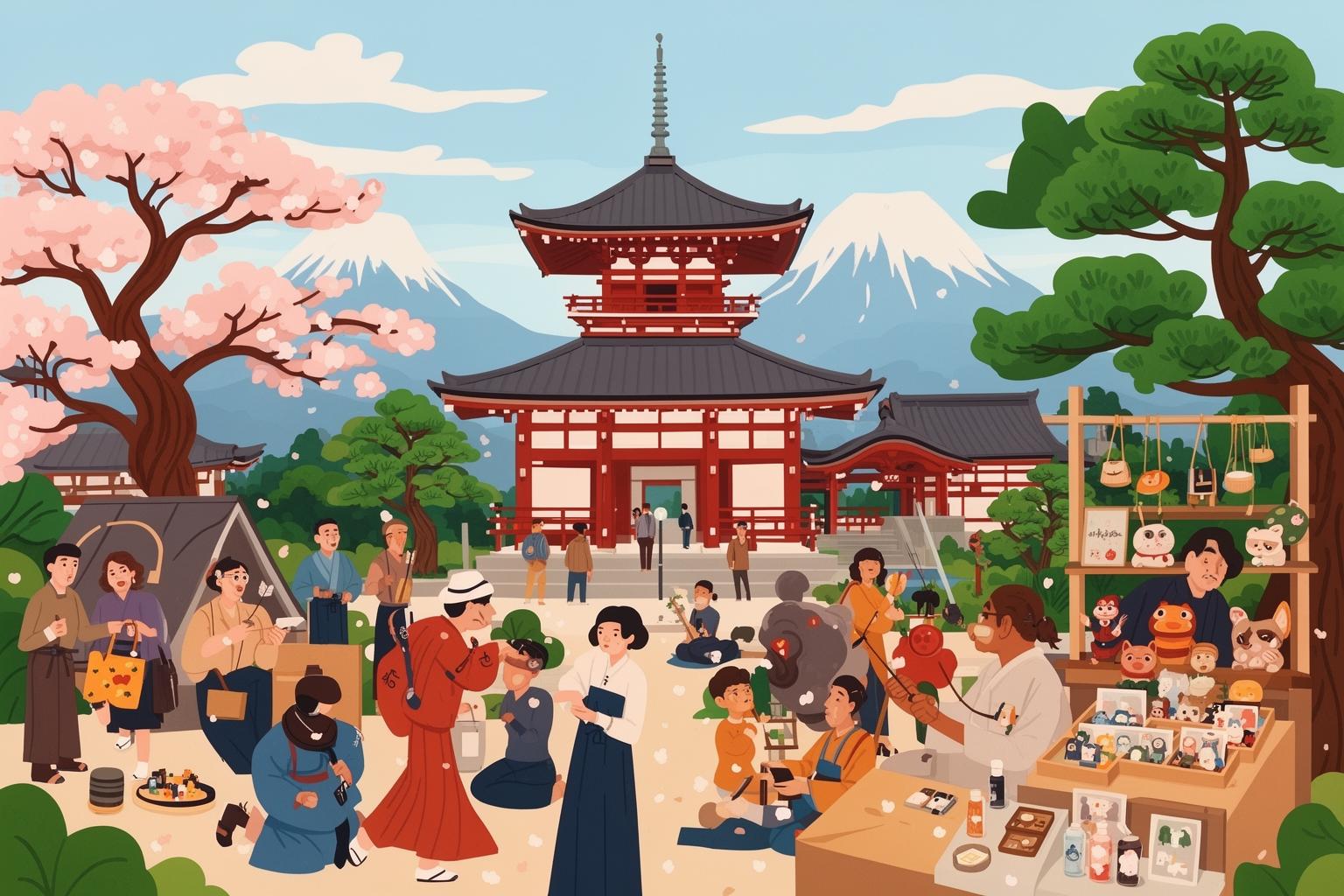
The appeal of the goshuin subculture lies in its diversity. There isn’t just one type of collector; instead, it encompasses a wide range of enthusiasts, from the deeply spiritual to the design-focused hobbyist.
The Pious Pilgrim
At one end of the spectrum stands the traditionalist, for whom the goshuin-chō remains what it has always been: a sacred record of a spiritual journey. These individuals undertake formal pilgrimage routes, such as the 88 Temples of Shikoku Island. For them, each goshuin marks a milestone in a physically and emotionally challenging voyage. The book is not a collection of trophies but a testament to their faith. Collecting is secondary to the act of worship.
The Casual Enthusiast
This group is perhaps the largest, comprising both Japanese and foreign travelers who have come to see the goshuin-chō as the ultimate travel diary. Instead of gathering ticket stubs or inexpensive souvenirs, they collect these miniature artworks. Each page recalls a memory: the climb to a remote shrine, the sound of the grand temple bell in Kyoto, or the taste of street food enjoyed on the journey home. For them, the book is a beautiful, personal, and deeply evocative record of their travels across Japan.
The Hardcore Collector
At the opposite end is the hardcore enthusiast, the true connoisseur. These collectors are deeply immersed in the subculture, following temple social media accounts for news on limited-edition releases. They know which calligraphers are famed for their artistic style and will travel hours to visit a small, out-of-the-way shrine for its unique, beautiful, or rare goshuin. Some own dozens of goshuin-chō, often organized by region or theme. For them, the “Gotta Catch ‘Em All” mindset is very real—a passionate hobby that influences their travel plans and connects them with a community of like-minded people.
Beyond the Book: Etiquette and Controversy
As with any popular pastime, the goshuin craze has brought about its own set of challenges and controversies, mainly revolving around the tension between its sacred origins and its contemporary, commercialized popularity.
It’s Not an Autograph Book
A common reminder from temples and veteran collectors is to respect the practice’s religious significance. A goshuin-chō is not an autograph book. You should only use a proper book—not a loose-leaf notebook or a travel journal. It’s also crucial to show respect to the calligrapher. Avoid being loud, do not take intrusive photos without permission, and refrain from making special requests. The interaction is meant to be simple and dignified.
The Resale Market Problem
The most serious drawback of the boom has been the rise of a resale market. Unscrupulous individuals obtain rare, limited-edition goshuin—sometimes waiting in lines for hours—with the sole purpose of reselling them on online auction sites at hugely inflated prices. This is considered a grave desecration of the practice. It strips goshuin of its meaning as proof of personal worship and turns it into a mere commercial commodity. Temples and shrines universally condemn this behavior, with some having to modify their distribution methods for special goshuin, such as writing the recipient’s name on them or limiting the number one person may receive.
This controversy underscores the core tension of the modern goshuin phenomenon: it is both a deeply personal, sacred act and a public, shareable, collectible item. Balancing this duality is the main challenge for the community.
In a world overwhelmed by digital ephemera, the charm of the goshuin-chō is elemental. It is a distinctly analog pursuit. You cannot download a goshuin. You cannot receive one by proxy. You must physically visit the location. You must stand there, breathe in the incense-scented air, and engage in a ritual, however small. The book in your hands becomes a tangible record of your efforts, a dense and beautiful archive of place and time.
A completed goshuin-chō is much more than a collection of stamps. It is a map of your journeys. It is a gallery of miniature artworks co-created by you and numerous artists you will never meet again. It is a physical connection to a tradition that has flowed through Japanese culture for centuries, now reinterpreted for a new era. It is your story, told not with words, but through the elegant dance of black ink and the indelible stamp of vermilion red.